
Main Courses
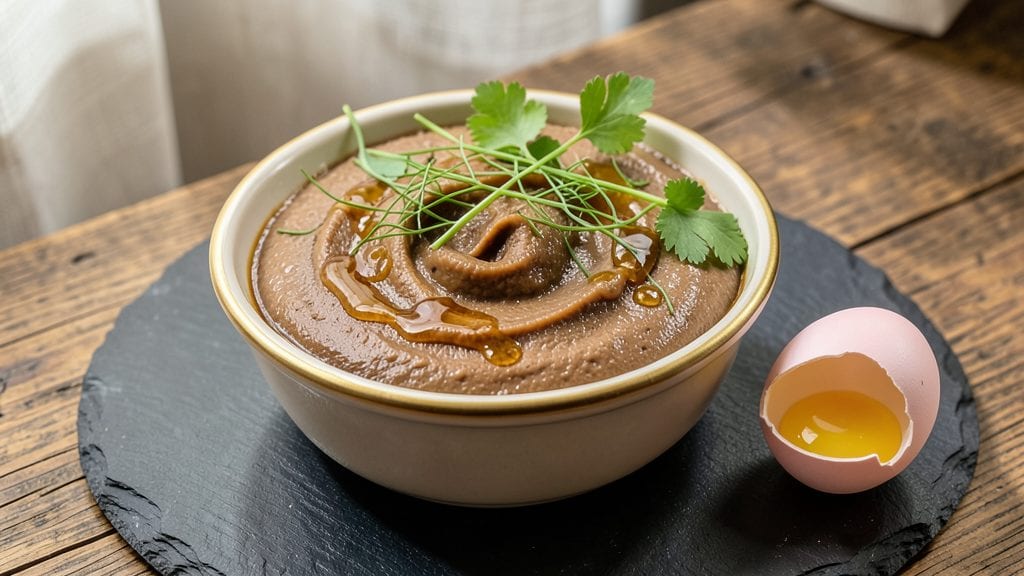
There’s no greater joy of cooking this chicken liver pâté recipe—where simple ingredients reveal their gourmet potential, rich and velvety with umami depth. 💛 The secret lies in precise searing and blending, where celery adds a bright crunch that cuts through. the luxurious texture.
I developed this recipe after years of perfecting the balance between smoothness and structure, ensuring every bite delivers that signature liver pâté experience without the intimidation factor.
What sets this recipe apart is the method: livers seared in batches to render fat properly, then blended with butter and cream until silky, with celery and shallots adding aromatic complexity. The result is a pâté that's both traditional in technique and approachable for home cooks.
No special equipment is needed—just patience and attention to temperature control, which I'll walk you through step by step.
By the time you spread this pâté on toasted baguette slices or serve it with pickled vegetables, you'll understand why it's considered a culinary masterpiece. The texture is unmistakably smooth yet vibrant, with each spoonful offering a perfect harmony of richness and freshness.
This is the kind of dish that elevates any gathering from ordinary to extraordinary.
For those curious about variations, we'll explore modern twists like adding smoked paprika or substituting vegan butter—without compromising the classic foundation. Let's create something truly special together.
Ingredients for joy of cooking chicken liver pate
Simple yet luxurious ingredients transform into velvety pâté with umami depth and celery's bright crunch.
| Ingredient | Amount | Notes |
|---|---|---|
| Chicken Livers 🍗 | 1 lb | Fresh, trimmed of connective tissue |
| Extra-Virgin Olive Oil 🫒 | ½ cup | High-quality, fruity variety |
| Unsalted Butter 🧈 | ½ cup | Cold, cubed for blending |
| Heavy Cream 🥛 | ½ cup | Full-fat, cold |
| Celery Stalks 🧅 | 3 whole | Fresh, finely chopped |
| Shallots 🧅 | 2 whole | Minced, aromatic |
| Garlic Cloves 🧄 | 2 cloves | Peeled, finely minced |
| Diamond Crystal Kosher Salt 🧂 | ½ tsp | Fine grain preferred |
| Freshly Ground Black Pepper 🌶️ | ¼ tsp | Coarsely ground |
| Fresh Thyme Leaves 🌿 | ¼ tsp | Finely chopped |
| Fresh Parsley Leaves 🌿 | ¼ cup | Chopped, for garnish |
| Baguette Slices 🍞 | 8 whole | Toasted, for serving |
The quality of chicken livers makes all the difference—fresh, plump livers from a trusted butcher yield the best results. Look for vibrant color and avoid any with a strong metallic odor. Whole Foods Market or local specialty grocers often carry premium cuts. Trim any connective tissue or membranes before use, as these can make the final texture gritty. Celery should be crisp with no brown spots, and shallots should be firm without sprouting. For the olive oil, California avocado oil or Spanish Arbequina adds subtle depth, though any high-quality extra-virgin will suffice. The butter should be cold when added to create that signature silky texture.
No fresh thyme? Dried thyme at one-third the amount works in a pinch, though fresh imparts better aroma. Substituting heavy cream with coconut cream delivers a richer texture but alters the flavor profile slightly. For a vegan twist, vegan butter and coconut cream can replace dairy components, though the result will be less luxurious. Smoked paprika adds depth without overpowering—start with 0.25 tsp and adjust to taste. If celery proves difficult to find, fennel bulb offers a similar anise-like crunch. Always blend the pâté in batches to maintain smooth consistency, especially when incorporating cold butter.
Store the pâté in an airtight container with a thin layer of olive oil on top to preserve freshness. It keeps for 5 days in the refrigerator or 3 months frozen, though texture may slightly degrade after freezing. For serving, toast baguette slices until crisp and spread with pâté while still warm. Garnish with chopped parsley just before serving to maintain vibrant color. Portion into small ramekins for elegant presentation at gatherings—each bite reveals the harmony of textures and flavors this recipe was designed to achieve.
Why You'll Love This Recipe
- Here’s what sold me: the way butter and heavy cream marry with chicken livers, turning them from gamey to ridiculously smooth. That first bite? Crispy edges, creamy center—like a hug in spreadable form. (Yes, even on a Tuesday night.)
- One-Pot Magic: I swear by this recipe because it’s all in one pan—no chopping mountains of veggies, no messy transfers. Just sear those livers in olive oil until they’re golden, toss in the celery and butter, then simmer with cream until it’s velvety. Five ingredients, one cleanup.
- Rich Without Effort: Here’s what sold me: the way butter and heavy cream marry with chicken livers, turning them from gamey to ridiculously smooth. That first bite? Crispy edges, creamy center—like a hug in spreadable form. (Yes, even on a Tuesday night.)
- Party in a Jar: This pate is my go-to for holidays, potlucks, or just because. Slather it on crusty bread, dollop it on crackers, or stuff it into puff pastry for a last-minute appetizer. It’s fancy enough for guests but takes less time than ordering takeout.
Step-by-step instructions for chicken liver pâté
Mastering this velvety pâté requires precision and patience—every step builds that signature silkiness.
🍳 Step 1: Sauté Aromatics Until Fragrant
Heat the 0.5 cup extra-virgin olive oil in a large skillet over medium heat. Add the 2 whole shallots and 2 cloves garlic cloves, cooking for 4-5 minutes until the shallots soften and turn translucent. Here's the thing—don't rush this step. You're building flavor, not just cooking.
Add the 3 whole celery stalks, chopped into ¼-inch dice, and cook for another 3 minutes until tender but still holding shape. Season immediately with 0.25 tsp freshly ground black pepper and 0.25 tsp fresh thyme leaves, stirring constantly. The herbs should release their aroma within 30 seconds—that's your cue to proceed. Remove from heat and let cool slightly before processing.
👨🍳 Step 2: Process Livers and Aromatics to Perfection
Transfer the sautéed vegetables to a food processor along with the 1 lb chicken livers. Pulse until you achieve a rough chop, then switch to the blade attachment. Process on high for 1-2 minutes until you get a smooth, paste-like consistency—this is where the texture magic happens. Scrape down the sides with a spatula to ensure everything gets incorporated evenly.
Add the 0.5 cup cold unsalted butter, cubed, and process again for 30 seconds until fully emulsified. The mixture should look glossy and homogeneous. If it's too thick, add 1 tablespoon heavy cream at a time until it reaches a spreadable consistency. This ensures your pâté will have that luxurious mouthfeel.
🥘 Step 3: Finish with Cream and Season
Return the processed mixture to the skillet and place it over low heat. Slowly whisk in the 0.5 cup cold heavy cream, stirring constantly for 2-3 minutes until the cream is fully incorporated and the mixture reaches 160°F. The goal is to gently warm the cream without curdling it—this is where attention to heat matters most.
Remove from heat and stir in 0.5 tsp diamond crystal kosher salt. Taste and adjust seasoning if needed—you want a balance of richness and brightness. The pâté should be smooth, velvety, and just slightly warm to the touch. Transfer to a serving dish, cover with plastic wrap pressed directly onto the surface, and refrigerate for at least 2 hours to let flavors meld.
🍽️ Step 4: Serve with Crispy Baguette and Fresh Garnish
Toast the 8 whole baguette slices in a dry skillet over medium heat for 1-2 minutes per side until golden brown and crisp. Arrange them on a platter, then spread the chilled pâté generously over each slice. The contrast of crispy bread and silky pâté is what makes this dish unforgettable.
Just before serving, sprinkle the top with 0.25 cup fresh parsley leaves, chopped. The parsley adds a fresh, bright finish that cuts through the richness. Serve immediately with a crisp white wine—this pâté deserves to be enjoyed at its peak.
Pro Tips For Making Joy Of Cooking Chicken Liver Pate
- Trim and Soak Livers: Cut off any connective tissue and give them a 15-minute soak in cold water—this removes that bitter edge and keeps them from turning to mush. I learned this the hard way after making a pate that tasted like iron instead of chicken.
- Sear in Batches: High heat. Seriously, crank it up to medium-high and sear the livers in 2-tablespoon batches—crowding them just makes them steam instead of brown. That crust is what carries the flavor through the whole dish.
- Strain the Cream: After simmering with the butter and celery, strain the cream through a fine-mesh sieve before blending. Sounds weird, but it works: you’ll avoid lumps and get a silky texture that’s actually worth serving.
- Don’t Rush the Cream: Let the cream reduce by half over low heat—about 10 minutes—before blending. Rushing it here means your pate will taste raw and thin, not rich and velvety. (Yes, even if you’re impatient like me.)
Serving suggestions for leftovers
Baguette Perfection
Toast your baguette slices until they're golden and crisp—this is non-negotiable. I use a Lodge cast iron skillet because it heats evenly and creates that perfect crust.
For extra flair, brush the warm slices with garlic-infused olive oil (mix 2 tbsp olive oil with 1 minced garlic clove) before spreading the pâté. The garlic oil adds another aromatic layer that complements the liver beautifully. 🥖
Pickled Veggie Pairing
Serve alongside quick-pickled vegetables for a bright contrast that cuts through the richness. Thinly slice ½ cup red onion, ½ cup carrot, and ½ cup cucumber, then pack into a jar with ½ cup apple cider vinegar, 1 tbsp sugar, and a pinch of salt.
Let sit for at least 30 minutes before serving. The tangy crunch elevates every bite.
Wine Pairing Wisdom
A crisp Sauvignon Blanc from the Loire Valley is my go-to pairing—its citrus notes and mineral finish cleanse your palate between each luxurious spoonful. For red wine lovers, a light Pinot Noir from Oregon offers enough acidity to balance the richness without overpowering.
I always open the bottle 30 minutes before serving to let it breathe. 🍷
Elegant Presentation
For special occasions, serve the pâté in ramekins or small bowls, garnished with a dollop of crème fraîche and a sprinkle of fresh chives. Arrange the baguette slices on a wooden board for a rustic yet refined look.
The key is to keep everything chilled until serving—this pâté tastes best when slightly cool but still spreadable. 💫
Modern Twist: Smoked Paprika
Want to add depth? Stir in ½ tsp smoked paprika during the final blending step. This gives the pâté a subtle smokiness that pairs wonderfully with the celery's freshness.
I often serve this version with cornbread instead of baguette for a Southern-inspired twist. The smoky notes bridge the gap between classic and contemporary flavors.
Leftovers Strategy
Store any remaining pâté in an airtight container with a layer of plastic wrap pressed directly onto the surface to prevent a skin from forming. It keeps for 5 days in the fridge, but I recommend using it within 3 days for peak texture.
For reheating, warm gently in a saucepan over low heat with a splash of heavy cream—never microwave, as it can make the texture grainy. ✨
Nutrition facts
Frequently asked questions about chicken liver pâté
Why do chicken livers need to be seared before blending?
Searing livers first removes impurities and renders fat, which ensures your pâté stays smooth and silky. The high heat also develops deeper flavors, preventing that metallic taste many people associate with liver dishes. Never skip this step—it's what transforms raw liver into luxurious pâté texture.
Can I make this pâté ahead of time?
This recipe actually tastes better after 24 hours of refrigeration as flavors meld. Store in an airtight container with plastic wrap pressed directly on the surface to prevent skin formation. For best texture, use within 5 days or freeze for up to 3 months.
What if my pâté turns out too thick or grainy?
Add 1 tablespoon heavy cream at a time while blending until you reach a smooth, spreadable consistency. For graininess, pulse the mixture briefly in the food processor again—this often resolves any texture issues. Never force it through a sieve as this can break the delicate emulsion.
Are there vegetarian alternatives for this recipe?
Yes! Substitute livers with 1 lb mushrooms (cremini or portobello) sautéed until deeply browned, plus 2 tbsp nutritional yeast for umami depth. Use vegan butter and coconut cream instead of dairy. The texture will be slightly different but still delicious when paired with crusty bread.
How do I know when the pâté is properly cooked?
The pâté is ready when it reaches 160°F and has a velvety, glossy appearance. It should be warm but not hot to the touch, and the cream should be fully incorporated without any separation. The final texture should be smooth enough to spread easily but still hold its shape slightly on toasted bread.