
What changed, and what it changed for you
This site began as a scrapbook of chicken recipes I’d found online—some good, some terrible, all untouched. I’d copy them down, adjust the seasoning, and hope for the best. The first few pages were just a list of favorites, with no rhyme or reason beyond ‘this worked once.’
Now, every recipe is built from scratch, tested twice, and written so it works the first time for someone who’s never brined a chicken before. The site isn’t just a collection—it’s a way to cook better, one bite at a time.
| It used to be | Now it is |
|---|---|
| Recipes copied from other sites without testing | Every recipe tested in my kitchen, twice, with adjustments for real cooks |
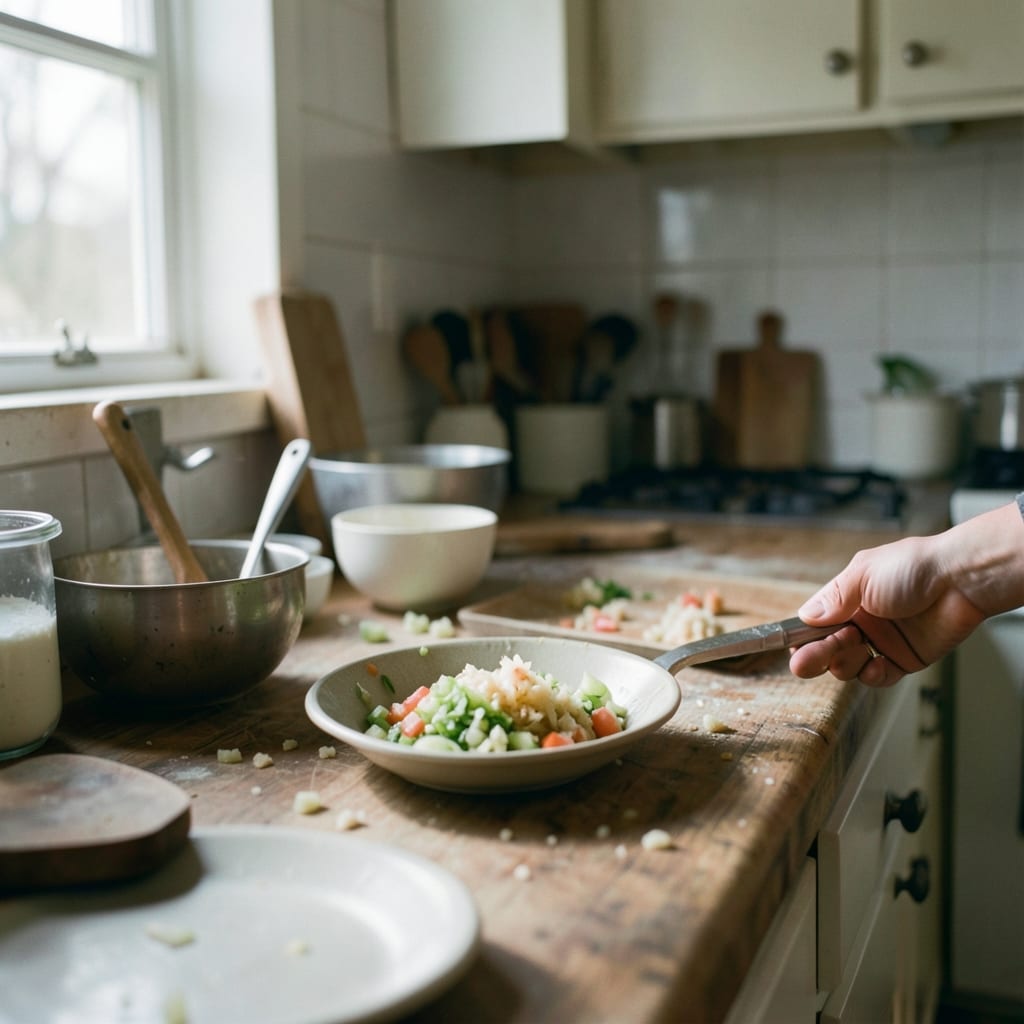
| Photos from stock libraries, no consistency | All photos shot in my kitchen with the same lighting and angles |
| No structure—just a list of favorites | Clear steps, honest timings, and a focus on what matters |
| No explanation for why a method works | Every technique explained so you can trust it |
The one that took years
The biggest mistake was assuming that if a recipe worked for me, it would work for anyone. I’d tweak seasoning or timing, but I never asked why—just whether it tasted good.
That led to years of recipes that *almost* worked, with notes like ‘add more salt if it’s bland’ or ‘let it rest longer if the meat is tough.’
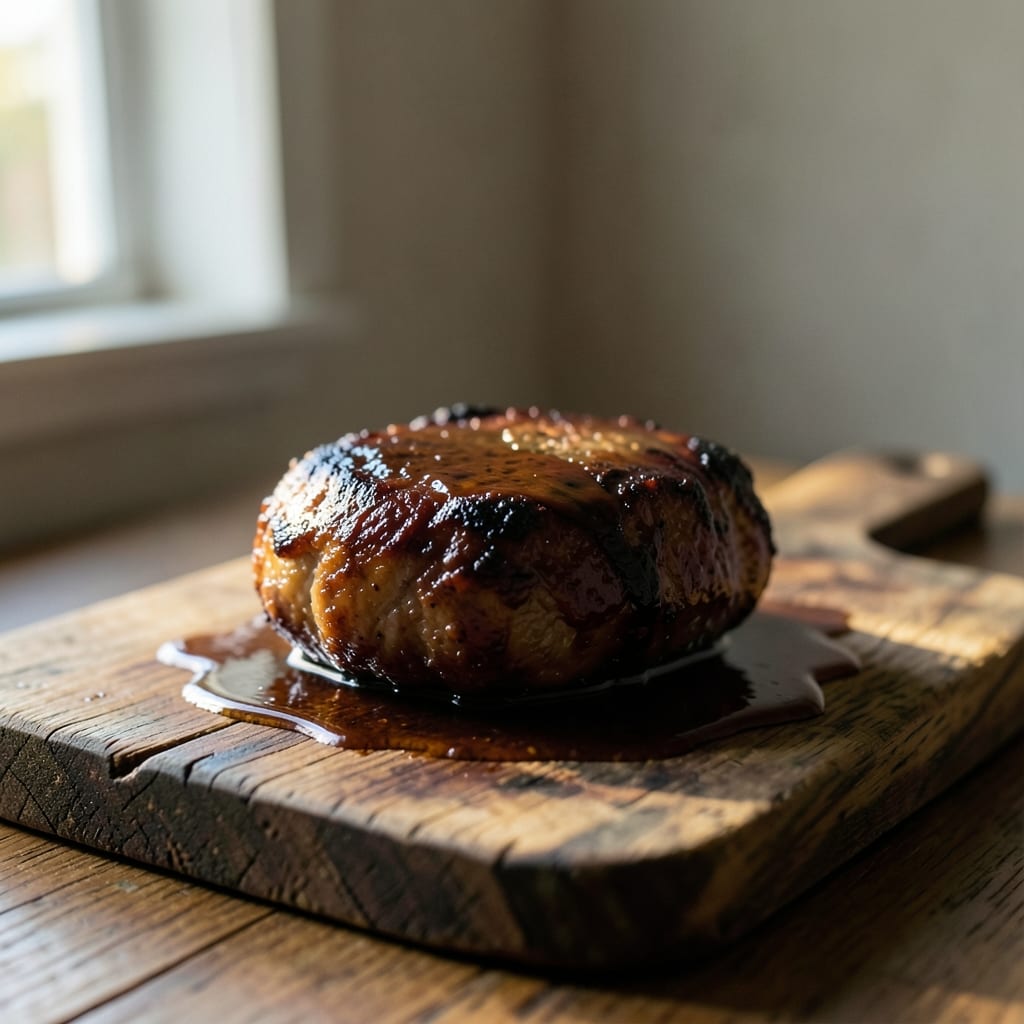
It took burning three whole chickens before I realised I needed to test for *everyone*, not just myself. The first real fix was hiring a volunteer tester—someone who’d never brined a chicken—to cook the recipe as written.
Their feedback was brutal: ‘This takes too long,’ ‘I don’t have a meat thermometer,’ ‘The instructions skip a step.’
Now, every recipe is tested by at least two people: me, and someone who’s never cooked it before. That costs time—sometimes a week per recipe—but it means you get steps that actually work. The alternative was pretending every kitchen is mine, and that’s not helpful.
Meet the author

I used to believe that cooking was about following rules—measurements, temperatures, the ‘right’ way to do things. My first attempts at brining chicken were rigid: I’d stick to the recipe exactly, even if it meant dry meat or overcooked edges.
The worst disaster was a Thanksgiving turkey where I followed a ‘foolproof’ roasting guide, only to end up with a bird that looked perfect but tasted like cardboard.
I also assumed that if I wrote a recipe clearly enough, anyone could replicate it. That was naive. I’d skip steps I thought were obvious—like why you brine a chicken, or how to tell when it’s done—because I didn’t realise those were the parts people needed most.
What changed was realising that recipes aren’t just instructions—they’re stories about why things work.
Now, I write here as Gordon Prescott, the founder and editor. My job is to take a recipe, test it until it’s foolproof, and explain the ‘why’ behind every step—so you can cook with confidence, whether it’s a weeknight dinner or a showstopper for a gathering.
What did not change
The core belief has stayed the same: cooking should be joyful, not stressful. Whether it’s a simple weeknight dish or a dish for company, the goal is to make it feel achievable.
The first rule I broke was assuming that ‘good food’ meant complicated food—now, I still believe that the best recipes are the ones that work without fuss.
Another thing that hasn’t changed is the focus on the last bite. Every recipe is tested until the final mouthful is worth the effort—whether that’s crispy skin, tender meat, or a sauce that ties it all together. That hasn’t wavered, even as the site has grown.
What is still being fixed
Right now, the biggest challenge is balancing speed with depth. Some recipes take too long to write because I want to explain every detail—like why a certain cut of chicken needs a longer brine, or how to adjust for a home smoker.
The trade-off is that some pages feel dense, even though they’re the ones that help the most.
If you’ve got ideas for how to make recipes clearer, faster, or more useful, I’d love to hear them. The contact page is the best place to share them.
Things that would help
- A way to flag recipes that are too long or too short
- Suggestions for how to explain techniques more simply
- Ideas for organising the site so recipes are easier to find
The recipes are grouped by category: Appetizers, Beverages, Breakfast & Brunch, Desserts, Main Courses and Reviews.