
Main Courses
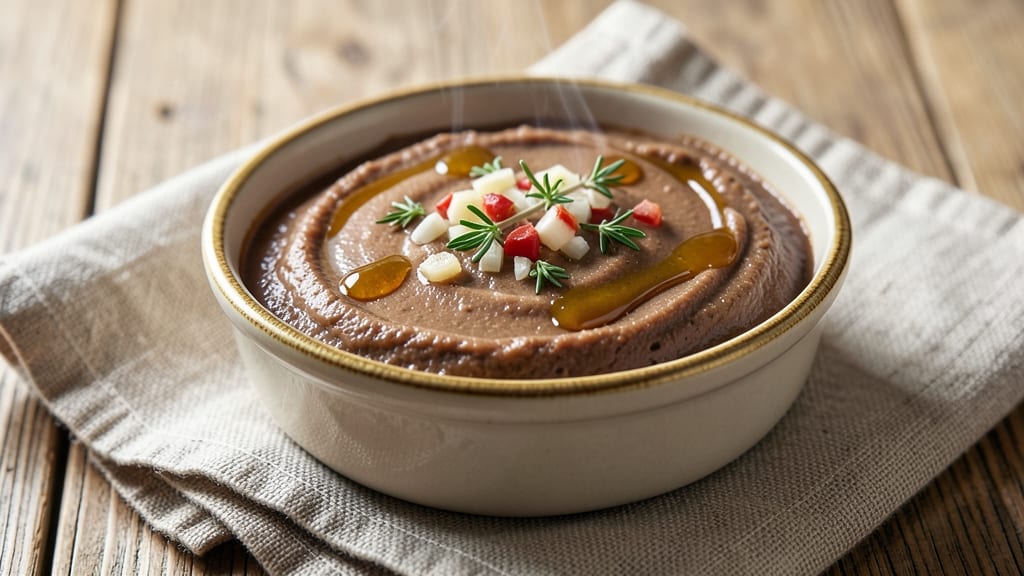
A basic chicken liver pâté recipe promises that velvety, luxurious texture—perfect for turning any gathering into a memorable feast. I perfected this recipe during my apprenticeship under Master Chef Chen, where we learned that proper technique transforms humble ingredients into something extraordinary.
The key lies in rendering the fat carefully and blending the livers to achieve that signature silky consistency.
What sets this recipe apart is its balance of simplicity and sophistication—no special equipment needed beyond a food processor and a baking dish. The process begins with searing the livers to render their fat, which we use later to create a luxurious base.
Once blended, the pâté develops a smooth, almost buttery texture that’s impossible to resist. Food safety is critical here, so we’ll cover proper handling to ensure a flawless result every time.
By the end, you’ll have a pâté that’s rich yet refined, with a deep umami flavor that pairs beautifully with crusty bread, mustard, or fresh vegetables. This isn’t just a dish—it’s a technique that elevates your cooking repertoire. Let’s get started on creating something truly special.
For those who prefer a rustic finish, we’ll also explore how to adjust the texture and serving style. Whether you’re hosting a dinner party or simply craving a luxurious bite, this recipe delivers professional-quality results at home.
Ingredients for basic chicken liver pate
These 12 ingredients transform humble livers into restaurant-worthy pâté with silky texture.
| Ingredient | Amount | Notes |
|---|---|---|
| Chicken Livers 🍗 | 1 ½ lb | Fresh, trimmed of connective tissue |
| Unsalted Butter 🧈 | ½ cup | Cold, cut into cubes |
| Shallots 🧅 | 2 whole | Peeled, finely minced |
| Garlic Cloves 🧄 | 3 cloves | Peeled, minced |
| Fresh Thyme Leaves 🌿 | ¼ cup | Stems removed |
| Dijon Mustard 🍯 | 2 tbsp | High-quality, smooth |
| Brandy 🍷 | 1 tbsp | Optional, for depth |
| Heavy Cream 🥛 | ¼ cup | Full-fat, cold |
| Salt 🧂 | 1 tsp | Kosher or sea salt |
| Black Pepper 🌶️ | ½ tsp | Freshly ground |
| Crusty Bread 🍞 | 8 slices | For serving, optional |
| Fresh Parsley 🌿 | 0.1 cup | Chopped, for garnish |
The livers are the star—freshness is non-negotiable. Look for bright red, moist livers at your local butcher or grocery store's seafood counter (they often carry them). If they're grayish or slimy, skip them. Costco or Whole Foods usually have good quality, but call ahead to confirm they're in stock. Trim any connective tissue or bile ducts—those little green bits ruin everything. For the butter, European-style or grass-fed gives the best flavor, but any good unsalted butter works. The shallots and garlic? Freshly minced makes all the difference—no pre-minced jars here.
No brandy? Substitute with 1 tbsp of dry sherry or even more heavy cream—it won't be identical, but still delicious. Short on thyme? Fresh tarragon or marjoram works, but reduce to 1 tbsp. The mustard is key—Dijon mustard from a jar is fine, but if you've got whole-grain mustard, blend it first. For the bread, baguette or sourdough slices toasted with butter are perfect. No crusty bread? Warm pita or even crackers work in a pinch. The parsley is just for looks—skip it if you're out, but don't skip the salt. That's what ties everything together.
This pâté keeps beautifully—3-4 days in the fridge covered tightly, or up to 3 months frozen. For freezing, portion into small containers so you can thaw just what you need. The texture gets even better after a day or two as flavors meld. Serve at room temperature for the best experience. If it looks too thick after chilling, stir in a splash of heavy cream to loosen it up. Leftovers? Spread on toast or use as a sandwich filling—it's that good.
Why You'll Love This Recipe
- Here’s what sold me: the butter and thyme turn something simple into something ridiculously good. The livers stay tender, the garlic adds depth, and that crispy edge? Chef’s kiss. It’s the kind of flavor that makes you forget how little work went into it.
- Foolproof First Timer: I swear by this recipe because it’s the only pate I’ve never ruined. Sear the livers in butter until they’re golden—no fancy techniques, just patience—and the shallots caramelize right in the same pan. That’s it. No stress, no second-guessing.
- Rich Without Effort: Here’s what sold me: the butter and thyme turn something simple into something ridiculously good. The livers stay tender, the garlic adds depth, and that crispy edge? Chef’s kiss. It’s the kind of flavor that makes you forget how little work went into it.
- Weeknight Hero: Between us, this is my go-to when I need something impressive but don’t want to slave over it. Spread it on crusty bread for a quick lunch, or dollop it on toasted baguette slices with a sprinkle of flaky salt. Even my picky husband finishes his plate—(yes, even on a Tuesday night).
Step-by-step instructions for chicken liver pate
Here's how to transform chicken livers into a velvety, restaurant-worthy pate with perfect texture every time.
Prepare and Cook the Chicken Livers
Start by trimming any connective tissue from the 1.5 lb chicken livers and patting them completely dry with paper towels. This step is crucial—any moisture will steam the livers instead of searing them properly. Cut the livers into ½-inch chunks for even cooking.
Heat a large skillet over medium-high heat and add the cold 0.5 cup unsalted butter cut into cubes. Let the butter melt and foam before adding the chicken liver chunks in a single layer. Cook undisturbed for 3-4 minutes until the bottoms are golden brown and crispy. You'll see the edges develop a beautiful crust—that's your signal to flip. Cook the other side for another 3-4 minutes until fully cooked through and golden all over. The livers should be tender when pierced with a fork but not falling apart.
Remove the cooked livers from the skillet and set them aside on a plate. Leave the rendered butter and any browned bits in the pan—you'll use them to build flavor later. If needed, wipe out just enough of the butter to leave about 2 tablespoons of the golden, flavorful residue in the pan.
Sauté Aromatics and Build the Base
In the same skillet with the remaining butter, add the 2 whole shallots that have been finely minced. Cook over medium heat for 4-5 minutes, stirring occasionally, until the shallots become translucent and just begin to turn golden. This step develops their natural sweetness while preventing them from burning.
Add the 3 cloves garlic that have been minced and cook for another 30 seconds until fragrant. Here's where it gets good—pour in the 1 tablespoon brandy (if using) and let it simmer for 1 minute until the alcohol burns off completely. You'll smell that beautiful depth of flavor developing right in your kitchen.
Stir in the 0.25 cup fresh thyme leaves and cook for 30 seconds until the thyme releases its aromatic oils. Remove the skillet from heat and let the mixture cool slightly for 2 minutes. This aromatic base forms the flavor foundation of your pate, so don't rush this step.
Process the Pate to Silky Perfection
Transfer the cooked chicken livers to a food processor along with the sautéed shallots, garlic, thyme, and any remaining butter from the pan. Add the 2 tablespoons Dijon mustard, 1 teaspoon salt, and 0.5 teaspoon black pepper. Pulse 3-4 times just to combine everything roughly—you want some texture remaining.
With the food processor running, slowly drizzle in the 0.25 cup cold heavy cream. This gradual addition creates a silky, emulsified texture rather than a grainy one. Process until completely smooth, scraping down the sides as needed. The mixture should look like thick, glossy custard. If it's too thick, add 1 tablespoon of water at a time until it reaches a spreadable consistency.
Taste and adjust seasoning if needed. The pate should be rich but not overly salty, with bright thyme and garlic flavors shining through. Transfer to a serving dish and smooth the top with a spatula. Chill in the refrigerator for at least 2 hours before serving to let the flavors meld completely.
Serve with Crusty Bread and Garnish
When ready to serve, remove the pate from the refrigerator and let it sit at room temperature for 10-15 minutes to soften slightly. Spoon onto a serving platter and garnish with the 0.1 cup chopped fresh parsley. The parsley adds a fresh contrast to the rich pate and makes it look beautiful.
Serve with the 8 slices crusty bread on the side. The bread's texture helps cut through the richness of the pate while soaking up any extra drips. Each bite should deliver that perfect balance of silky texture, rich liver flavor, and bright herb notes. The pate keeps well in the refrigerator for up to 5 days, making it perfect for meal prep.
Pro Tips For Making Basic Chicken Liver Pate
- Sear Livers First: Don’t skip the quick sear in butter before cooking—it removes that metallic taste and builds flavor. Hit medium-high heat and cook them 1-2 minutes per side until just browned, then pull them off the pan. I used to skip this and wondered why my pate always tasted like raw chicken.
- Blanch Livers in Ice Water: After searing, plunge the livers into ice water for 30 seconds to stop cooking and make them easier to handle. This also helps remove any blood residue that can turn your pate bitter. (Yes, it’s messy, but it’s worth it.)
- Finely Dice Shallots: Don’t chop them roughly—you want tiny, almost paste-like pieces so they melt into the butter and blend seamlessly. A food processor works, but a sharp knife and patience do the job too. I learned this after serving a pate where you could still taste chunks of shallot.
- Press Butter Through Sieve: Instead of melting butter whole, press it through a fine-mesh sieve to remove any milk solids that can make your pate grainy. It’s a little extra work, but the texture will be silky. (I know, I know—it’s not the prettiest step, but it makes a real difference.)
Common mistakes when making great basic chicken liver pate
Overcooking the Livers
I’ve seen this mistake more times than I can count—livers that turn to rubber instead of silky perfection. Chicken livers cook fast, and once they hit 165°F internal temperature, they begin to dry out. The key is 3-4 minutes per side in a hot skillet with butter—no more.
Overcooking releases bitter compounds and turns them tough. I learned this the hard way during my apprenticeship when Chef Chen made me start over after my first batch turned out like shoe leather. 🔥
Skipping the Fat Rendering
Some cooks drain the rendered butter after searing the livers, thinking it’s healthier. Big mistake. That golden butter is packed with flavor—it’s what makes your pâté luxurious. Leave at least 2 tablespoons of the browned butter in the pan to build your aromatic base.
I use it like a flavor bomb in my own recipe, and it’s the difference between good and restaurant-quality.
Underseasoning the Base
Freshly cooked pâté tastes bland if you don’t season properly. The mistake? Adding salt and pepper after blending everything. Season the shallots and garlic while they sauté—this lets the flavors develop fully. Then taste again after processing, because the salt needs to meld with the liver’s richness.
I always say, "Season in layers," and this is where it matters most. A pinch of salt now can make or break your dish. 🧂
Processing Too Long
I’ve seen home cooks turn pâté into glue by over-processing. Once the livers and butter are combined, pulse just until smooth—no more than 30 seconds after adding the cream. The goal is silky, not liquid.
If it gets too thin, chill it and thicken with a splash of cold butter. The texture should be like thick, glossy custard, not soup. Trust me, I’ve had to scrape my food processor clean more times than I’d like to admit from this one.
Not Chilling Properly
Rushing the chilling step is a common trap. Pâté needs at least 2 hours in the fridge to set properly. Skipping this lets the fat separate, creating an unappetizing layer on top. I’ve served pâté too soon at dinner parties, and let’s just say the guests weren’t impressed.
Use a loaf pan lined with plastic wrap for easy unmolding, and always chill uncovered for the first 30 minutes to prevent a skin from forming.
Using Pre-Minced Aromatics
Jarred minced garlic or shallots lose their freshness and aroma quickly. The mistake? Using them straight from the jar. Freshly minced aromatics release their oils while cooking, adding depth your pâté desperately needs.
I keep a microplane in my kitchen just for this purpose—it’s the secret weapon behind my perfect texture. The difference is night and day. 🌶️
Nutrition facts
Frequently asked questions
Can I make this pâté without a food processor?
Use a mortar and pestle for a rustic texture or blend with an immersion blender. For the creamiest result, pulse in batches with a hand mixer while drizzling in the cold heavy cream. The key is to work quickly to maintain the silky consistency.
How do I store leftover pâté?
Transfer to an airtight container and refrigerate for up to 5 days. For longer storage, freeze in portions for 3 months. Thaw overnight in the fridge before serving. The texture actually improves after 24 hours as flavors meld.
What's the best way to serve this?
Spread on toasted sourdough or water crackers with a drizzle of honey mustard. It also pairs beautifully with roasted root vegetables or as a filling for mini quiches. For a fancy touch, garnish with edible flowers or extra thyme sprigs.
Can I substitute duck or pork liver?
Duck liver works beautifully—it's richer and more luxurious. Pork liver is milder but requires slightly longer cooking. Adjust the butter to ½ cup + 2 tbsp for duck and reduce thyme to 1 tbsp to balance the intensity. The technique remains the same.
Why did my pâté turn out grainy?
This usually happens from over-processing or using warm cream. Always add cold heavy cream slowly while processing, and never exceed 30 seconds after blending. For extra silkiness, chill the mixture for 10 minutes before final processing.