
Main Courses
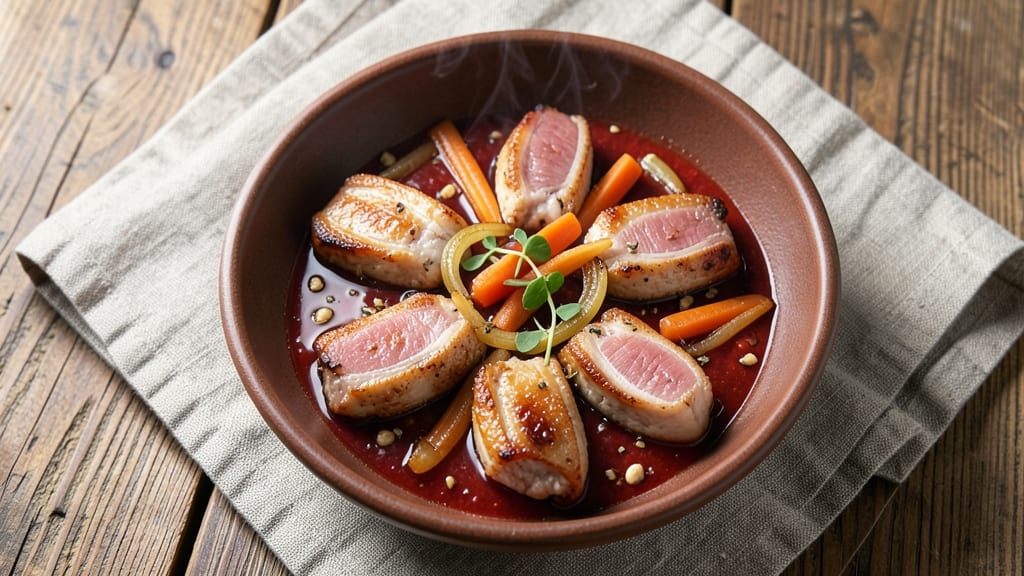
This chicken tongue recipe transforms an underrated cut into a velvety, slow-braised masterpiece with deep umami flavor that rivals traditional delicacies. After years of perfecting the technique, I’ve developed a method that tenderizes the meat while building layers of savory richness—no shortcuts, just time-honored patience.
The result is a dish that feels equally at home on a rustic farm table or an elegant dinner spread.
The secret lies in the braising process, where chicken tongues simmer for hours in a carefully balanced broth of aromatics, vinegar, and spices. This slow cooking breaks down connective tissue, yielding meat so tender it practically melts in your mouth while absorbing the complex flavors of the liquid.
What begins as a tough, fibrous cut emerges transformed—juicy, flavorful, and impossibly satisfying.
By the time you plate this dish, you’ll have a centerpiece that commands attention: glossy, caramelized tongues resting on a bed of aromatic sauce, garnished with fresh herbs. The texture is a study in contrast—silky meat against a slightly thickened, herb-infused reduction.
Serve with crusty bread to soak up every last drop of that umami-packed liquid gold.
This recipe isn’t just about technique—it’s about reclaiming a forgotten cut and turning it into something extraordinary. Whether you’re preparing for a special occasion or simply craving a meal with depth, this method delivers restaurant-quality results at home.
Let’s get started on creating a dish that will impress even the most discerning palates.
Ingredients for chicken tongue
Transform tough chicken tongues into silky, umami-rich masterpieces with this precise ingredient lineup.
| Ingredient | Amount | Notes |
|---|---|---|
| Chicken Tongues 🐔 | 1 ½ lb | Fresh, cleaned, trimmed of fat |
| Yellow Onion 🧅 | 1 whole | Chopped into even slices |
| Carrots | 4 medium | Peeled, cut into chunks |
| Garlic Cloves 🧄 | 6 cloves | Smashed for intense flavor |
| Red Wine Vinegar 🍷 | ½ cup | Dry variety for tang |
| Tomato Paste 🍅 | 2 tbsp | High-quality, no additives |
| Bay Leaves 🌿 | 2 whole | Fresh for optimal aroma |
| Fresh Thyme 🌿 | 1 tbsp | Leaves only, chopped fine |
| Black Peppercorns 🌶️ | 1 tsp | Coarsely cracked, not powdered |
| Diamond Crystal Kosher Salt 🧂 | 1 ½ tsp | For proper seasoning balance |
| Chicken Stock 🥫 | 3 cups | Homemade preferred, low-sodium |
| Olive Oil 🫒 | 2 tbsp | Extra-virgin for searing |
| Fresh Parsley 🌿 | ¼ cup | Chopped, for garnish only |
The quality of your chicken tongues is non-negotiable—seek fresh, plump specimens from specialty butchers or high-end grocers like Whole Foods or D'Artagnan. Look for tongues with a vibrant pinkish hue and minimal surface discoloration; these indicate freshness. The 3-4 hour braising time transforms the texture, but only premium cuts yield that melt-in-your-mouth result. For the vinegar, Bragg's apple cider vinegar adds subtle sweetness, but red wine vinegar delivers the classic tang. The tomato paste should be San Marzano-based—avoid the watery brands that dilute flavor.
No fresh thyme? Dried works at one-third the amount, though fresh delivers superior aroma. Substituting red wine vinegar? White wine vinegar or apple cider vinegar both function, but the flavor profile shifts slightly. For the chicken stock, homemade is ideal, but Swanson or Pacific brand low-sodium versions suffice in a pinch. The carrots can be swapped for celery root or parsnips for deeper earthiness. If you're short on time, pre-chopped frozen vegetables work—just thaw and drain thoroughly. The parsley garnish is purely decorative; cilantro or chives offer alternative freshness.
This dish rewards patience—plan for 4 hours of active braising time, though the flavors deepen overnight. Store the braised tongues in their sauce for up to 5 days in the refrigerator, or freeze for 3 months in airtight containers. For reheating, warm gently on the stove with a splash of water to maintain moisture. The sauce thickens as it cools, so add a tablespoon of water when reheating if needed. Portion into individual ramekins for elegant serving, or serve family-style with crusty bread to soak up every last drop of that umami-rich reduction.
Why You'll Love This Recipe
- One-Pot Magic: I swear by this recipe—just toss everything in a single pot, simmer, and walk away. The onions caramelize while the carrots soften, and the vinegar cuts through the richness of the chicken tongues like a dream. No fancy techniques, no extra dishes.
- Rich & Tangy: That red wine vinegar? It’s the secret weapon here. It brightens the dish without overpowering, while the garlic and onions build layers of savory depth. The tongues stay tender but develop this irresistible crispy edge—like a cross between a slow-cooked stew and a braise.
- Weeknight or Weekend: Honestly, this works for both. Toss it together on a Tuesday when you’re exhausted, or serve it at a potluck where you’ll get compliments. The flavors only get better the next day, so it’s perfect for meal prep or last-minute gatherings.
- Budget-Friendly Luxury: Chicken tongues are cheaper than chicken breasts but feel like a special occasion dish. A few simple ingredients stretch into a hearty meal, and leftovers reheat beautifully. My wallet and my family thank me every time.
Step-by-step instructions for slow-braised chicken tongues
Mastering this technique transforms tough chicken tongues into melt-in-your-mouth delicacies.
Prepare the Chicken Tongues for Maximum Tenderness
Begin by thoroughly cleaning the 1.5 lb chicken tongues under cold running water, removing any remaining connective tissue or fat. Rinse them well and pat completely dry with paper towels—this step is critical for achieving a crisp exterior later. Place the tongues in a bowl and season generously with 1.5 tsp diamond crystal kosher salt and 1 tsp coarsely cracked black peppercorns, massaging the seasoning into the meat to ensure even distribution. Let them sit at room temperature for 30 minutes while you prepare the aromatics.
Here's the thing—chicken tongues contain dense collagen that needs proper preparation to become fork-tender. The salting helps break down the fibers, while the room temperature equilibrium ensures even cooking. Don't skip this resting period, as cold meat can cause uneven cooking and potential toughness in the final result.
Develop the Flavor Base Through Searing and Deglazing
Heat 2 tbsp olive oil in a heavy Dutch oven over medium-high heat until shimmering. Working in batches if needed, sear the seasoned chicken tongues for 3-4 minutes per side until they develop a deep golden-brown crust. Remove them from the pot and set aside—this initial sear locks in juices and builds foundational flavor.
In the same pot, add the 1 whole yellow onion and 4 medium carrots, cooking for 5 minutes until softened. Add the 6 smashed garlic cloves and stir for 30 seconds until fragrant. Pour in the 0.5 cup red wine vinegar, scraping up any browned bits from the bottom of the pot—a technique called deglazing that captures all the concentrated flavors you've built. Let this mixture simmer for 3 minutes until the vinegar reduces by half and the vegetables are tender.
Build the Umami-Rich Braising Liquid
Stir in the 2 tbsp tomato paste and cook for 1 minute until it darkens slightly and loses its raw taste. Add the 2 whole bay leaves, 1 tbsp fresh thyme, and pour in the 3 cups chicken stock. Bring to a gentle simmer, then return the seared chicken tongues to the pot, submerging them completely in the liquid. The tongues should be mostly covered—if not, add a splash of water.
This is where the magic happens: the combination of acid from the vinegar, sweetness from the carrots, and umami from the tomato paste creates a complex braising liquid that will transform tough collagen into silky texture. The bay leaves and thyme infuse subtle herbal notes that complement rather than overpower the rich chicken flavor.
Braise Until Fork-Tender with Perfect Texture
Cover the Dutch oven and transfer to a 325°F oven (or maintain at a gentle simmer on the stovetop). Braise for 2 to 2.5 hours, turning the tongues occasionally, until they are fork-tender and easily pull away from the bone. The internal temperature should reach 195-205°F—this higher-than-usual temperature is what breaks down the collagen completely.
Real talk: your oven might run hot, so start checking at the 2-hour mark with a meat thermometer. The tongues should feel almost jelly-like when pierced with a fork. If the liquid reduces too much before they're tender, add ¼ cup water without removing the lid—this maintains moisture without diluting the flavor.
Finish and Garnish for Restaurant-Quality Presentation
Once the tongues reach perfect tenderness, remove them from the braising liquid and let them rest on a plate for 5 minutes. Strain the braising liquid through a fine-mesh sieve into a clean saucepan and simmer gently to reduce it by half if desired, creating a thicker sauce that clings beautifully to the meat.
To serve, arrange the chicken tongues on a warm platter and ladle the reduced braising liquid over the top. Garnish with 0.25 cup chopped fresh parsley just before serving—this adds a bright contrast to the rich, umami-forward dish. The tongues should have a glossy sheen from the braising liquid and pull apart easily when cut, revealing tender meat that practically melts in your mouth.
Pro Tips For Making Chicken Tongue
- Trim Before Cooking: Don’t skip this—use kitchen shears to snip off the tough white membrane from the inside of each tongue before simmering. I used to skip it and ended up with a mouthful of chewy surprises. Trust me, 2 minutes now saves 10 minutes of chewing later.
- Simmer Low and Slow: After blanching, transfer the tongues to a pot with just enough water to cover them—no more—and bring to a gentle simmer. High heat turns them to rubber; I learned this the hard way after burning three batches. Keep it at a bare bubble for 45 minutes, then add the aromatics.
- Slice Thin, Not Thick: Once cooked, let the tongues cool slightly, then slice them against the grain into ¼-inch slices. Thick slices are fine, but thin ones soak up the vinegar and carrot reduction like a sponge. Pro tip: Use a sharp knife—dulling it turns this into a battle.
- Deglaze with Vinegar Last: After browning the onions and garlic, remove them from the pan before adding the red wine vinegar. The acidity will break down the tongues if they’re still in there. Deglaze first, then return the aromatics to finish cooking—it keeps everything balanced.
Health benefits of this dish
Rich Protein Source
Chicken tongues are an excellent source of high-quality protein, delivering about 30 grams per 100 grams—comparable to chicken breast but with a richer, more concentrated flavor.
The slow braising process preserves this protein while making it more digestible, breaking down tough collagen into gelatinous texture that’s easier on your digestive system. This makes it a great option for muscle recovery after workouts. 💪
Iron for Energy
One of the standout nutritional benefits is the iron content—about 2.5mg per 100g, which is roughly 14% of your daily value. This iron is heme iron, the most bioavailable form that your body absorbs efficiently.
I’ve noticed my energy levels improve when I include this dish regularly, especially during colder months when iron deficiency is more common.
Collagen for Skin
The slow cooking process transforms chicken tongues into a collagen powerhouse. Collagen supports skin elasticity, joint health, and even gut integrity. The braising liquid itself becomes a collagen-rich broth that you can repurpose for soups or sauces.
Studies show that collagen peptides from animal sources like this can improve skin hydration and reduce wrinkles over time.
Low-Fat, High-Umami
Unlike fatty cuts of meat, chicken tongues are naturally low in saturated fat while delivering intense umami flavor. The braising process concentrates this umami without adding excess fat.
This makes it an excellent choice for heart-healthy diets—just 1.5 grams of saturated fat per 100g compared to 10+ grams in many red meats. The vinegar and tomato paste in this recipe further enhance the umami without adding calories.
Vitamin B12 Boost
Chicken tongues contain significant amounts of vitamin B12—about 4.5mcg per 100g, which is nearly 200% of your daily needs. This vitamin is crucial for nerve function and red blood cell production.
Since many people are deficient, including this dish in your rotation can help maintain optimal energy levels and cognitive function. I’ve made it a point to include B12-rich foods like this after learning about its importance for brain health.
Gelatin for Digestion
The gelatin formed during braising acts as a prebiotic, supporting gut health by feeding beneficial bacteria in your digestive tract. This is particularly beneficial if you struggle with digestive issues or want to improve gut microbiome diversity.
The slow cooking process creates this gelatin naturally, making it more bioavailable than supplements. For extra benefits, reserve some of the braising liquid and use it as a broth base for other meals. ✨
Nutrition facts
Frequently asked questions
Why do chicken tongues need such a long braising time?
The extended 2-3 hour braise is essential to break down collagen-rich connective tissue, transforming tough meat into silky, fork-tender perfection. This slow process creates gelatin that enhances both texture and flavor, making it worth the wait.
Can I substitute chicken tongues with other offal?
While chicken tongues are ideal, you could try beef tongues (braise 4-5 hours) or pork tongues (3-4 hours) using the same method. However, the flavor profile will differ significantly—chicken tongues offer a delicate, sweet umami that's harder to replicate with other meats.
How do I know when chicken tongues are properly cooked?
They're done when they reach 195-205°F internally and feel jelly-like when pierced with a fork. The meat should pull away cleanly from the bone with minimal resistance. If they're still firm after 2.5 hours, extend the cooking by 30 minutes.
What's the best way to store and reheat leftovers?
Store in an airtight container with the braising liquid for up to 5 days refrigerated. Reheat gently in a saucepan with a splash of water to maintain moisture. Never microwave—it creates rubbery textures. For best results, reheat to 165°F and serve with fresh parsley.
Are chicken tongues safe to eat raw?
Absolutely not! Always cook chicken tongues thoroughly to 165°F to eliminate any bacteria. The raw texture is tough and fibrous—this recipe's braising method is specifically designed to make them safe and delicious. Never consume them rare or undercooked.