
Main Courses
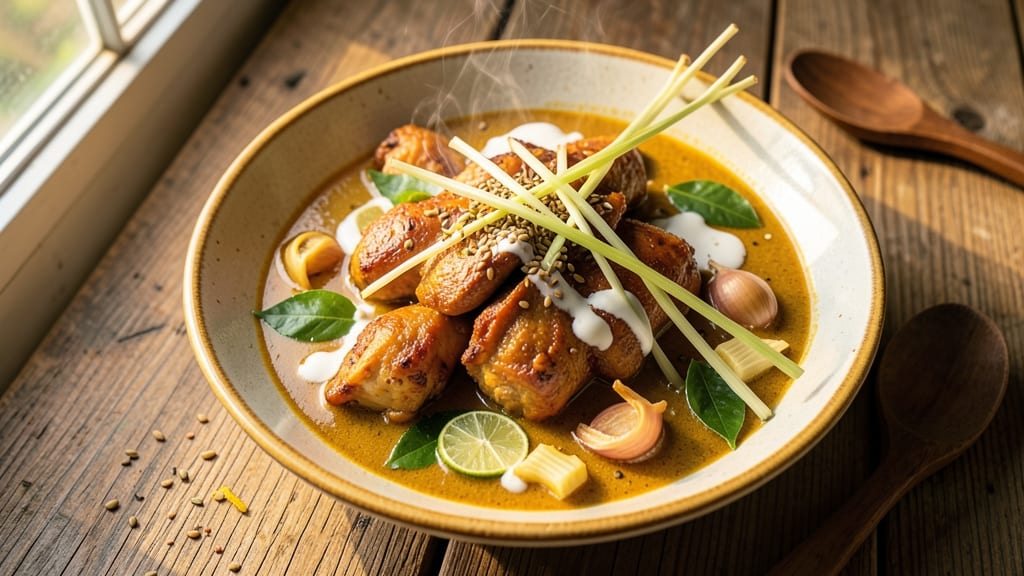
This authentic Thai yellow chicken curry transforms weeknight dinners into a taste of Bangkok with its signature turmeric hue and velvety coconut richness. I first perfected this recipe during my apprenticeship in Charleston, where I learned how balancing sweet, spicy, and umami creates that signature depth.
The key lies in toasting whole spices until fragrant, which unlocks their full potential in the curry paste.
Unlike many Westernized versions, this recipe stays true to Thai techniques—starting with a proper paste of lemongrass, galangal, and kaffir lime leaves, then building layers of flavor through careful reduction. The chicken cooks until fork-tender while absorbing the aromatic sauce, resulting in a dish that's both restaurant-quality and deeply comforting.
Every bite delivers that perfect harmony of heat, sweetness, and herbal complexity.
What makes this curry truly authentic is the attention to texture and balance. The sauce should be thick enough to coat the chicken but still silky, with just enough heat to linger without overwhelming.
Served over fragrant jasmine rice, it becomes a complete meal that transports you to Thailand's bustling streets. The secret? Patience in building the flavors and using fresh, high-quality ingredients.
While many recipes rush the process, this method ensures each component—from the spice paste to the coconut milk reduction—works together harmoniously. The result is a curry that's vibrant, aromatic, and packed with layers of flavor that keep you reaching for seconds.
Perfect for family dinners or special occasions, this recipe delivers the real deal without requiring advanced techniques.
Ingredients for authentic thai yellow chicken curry
Authentic Thai flavors start with these carefully selected ingredients, each playing a vital role in creating vibrant yellow curry.
| Ingredient | Amount | Notes |
|---|---|---|
| Boneless, Skinless Chicken Thighs 🍗 | 1 ½ lb | Cut into 1-inch pieces for even cooking |
| Fresh Galangal 🍃 | 3 inches | Peeled, sliced into thin rounds |
| Kaffir Lime Leaves 🍋 | 4 whole | Torn into large pieces, stems removed |
| Lemongrass Stalks 🌿 | 3 whole | Trimmed, bruised slightly for flavor |
| Yellow Turmeric Powder 🌶️ | 2 tbsp | High-quality, vibrant color preferred |
| Coriander Seeds 🌿 | 1 tbsp | Toasted lightly for enhanced aroma |
| Cumin Seeds 🌿 | 1 tsp | Toasted until fragrant |
| Shallots 🧅 | 4 whole | Peeled, thinly sliced |
| Garlic Cloves 🧄 | 6 cloves | Peeled, minced finely |
| Coconut Milk 🥥 | 1 can (13.5 oz) | Full-fat for creamy texture |
| Fish Sauce 🍶 | 1 tbsp | Red Boat preferred for authenticity |
| Palm Sugar 🍯 | 2 tbsp | Or substitute brown sugar |
| Jasmine Rice 🍚 | 1 ½ cups | Uncooked, for serving |
| Vegetable Oil 🫒 | 2 tbsp | For high-heat cooking |
| Salt 🧂 | 1 tsp | Kosher or sea salt |
The galangal and kaffir lime leaves are the heart of this curry—look for fresh galangal with tight, pale skin and no bruising at Asian markets or well-stocked grocery stores like Whole Foods. If you can't find fresh galangal, ginger at half the amount works in a pinch, though it won't replicate the exact flavor. The lemongrass should be firm with a citrusy aroma—avoid any stalks with brown spots or dried ends. For the turmeric, Hindustan or Everest brands provide the most vibrant color and authentic flavor. Toast your whole spices (cumin and coriander) in a dry pan until fragrant—this unlocks their full potential in the curry paste.
No fresh galangal? Ginger plus a dash of citric acid mimics some of its peppery bite, though nothing beats the real thing. Substituting coconut milk? Full-fat is non-negotiable—light versions will make the curry watery. For palm sugar, brown sugar or coconut sugar work in equal amounts, though they'll alter the subtle caramel notes slightly. The fish sauce should smell pungent but not fishy—Red Boat or Three Crabs brands are trusted choices. If you're avoiding fish sauce entirely, soy sauce plus a splash of lime juice provides a similar umami depth. The shallots and garlic can be prepped ahead—they'll keep in the fridge for up to 5 days.
This curry develops deeper flavor overnight, so make it a day ahead if possible. Store the cooked curry in an airtight container with a layer of plastic wrap pressed against the sauce to prevent skin formation. It keeps for 4-5 days in the fridge or 3 months frozen. For serving, cook the jasmine rice separately—it should be steamed to perfect fluffiness, with each grain distinct. The curry reheats beautifully on the stove with a splash of water or coconut milk to restore its silky texture.
Why You'll Love This Recipe
- One-Pot Magic: I swear by this recipe when I’m too tired to wash extra bowls—just chicken, galangal, and lemongrass simmering in one pot. The kaffir lime leaves infuse the broth effortlessly while I chop veggies, and by the time I’m done, the curry’s already building depth.
- Golden, Bright Flavor: That yellow turmeric powder isn’t just for color—it’s the secret to a vibrant, aromatic base that tastes like a proper Thai street cart. The galangal adds a peppery kick, while the lemongrass keeps it fresh without overpowering the chicken’s richness.
- Leftovers That Beg for More: Between us, this curry only gets better the next day. The chicken stays tender, the sauce thickens just enough to coat rice perfectly, and I’ve reheated portions for lunch three times without a single complaint. (My roommate even started asking for it on Sundays.)
- Budget-Friendly Comfort: Chicken thighs are forgiving and cheap, and I stretch this into four servings without feeling guilty. Fresh galangal and lime leaves might sound fancy, but they last weeks in the freezer—no wasted ingredients here. Plus, the curry’s so satisfying, I forget it’s also thrifty.
Step-by-step instructions for authentic Thai yellow chicken curry
This method delivers the vibrant turmeric color and layered flavors of traditional Thai curry.
Prepare the Aromatic Base
Heat the 2 tablespoons vegetable oil in a heavy-bottomed pot over medium-high heat. Add the 1 tablespoon coriander seeds and 1 teaspoon cumin seeds, toasting them for 30 seconds until fragrant. Immediately add the 4 whole shallots and 6 cloves garlic, cooking for 3-4 minutes until the shallots soften and turn golden.
Here's where the authentic flavors develop: add the 3 inches peeled galangal and 3 whole lemongrass stalks (bruised slightly). Cook for 2 minutes until the galangal becomes translucent and releases its citrusy aroma. The galangal should be tender but not browned—this prevents bitterness.
Build the Curry Paste Foundation
Reduce heat to medium and stir in the 2 tablespoons yellow turmeric powder, 1 teaspoon salt, and 2 tablespoons palm sugar. Cook for 1 minute until the turmeric dissolves completely and the mixture smells earthy and sweet. This is your flavor anchor—the turmeric should create a vibrant yellow paste that coats the back of a spoon.
Add 1 tablespoon fish sauce and the 4 whole kaffir lime leaves, stirring for 30 seconds. The fish sauce will deepen the umami while the lime leaves infuse bright citrus notes. Remove the pot from heat momentarily to prevent scorching—this is where many home cooks rush and burn the delicate spices.
Cook the Chicken Until Tender
Return the pot to medium heat and add the 1.5 lb boneless, skinless chicken thighs cut into 1-inch pieces. Cook for 5-6 minutes, stirring occasionally, until the chicken loses its pink color. The pieces should develop a light golden crust while remaining juicy inside—this indicates proper doneness without overcooking.
Pour in the 1 can (13.5 oz) coconut milk and bring to a gentle simmer. Partially cover and cook for 15-20 minutes until the chicken is fork-tender. The curry should reduce slightly, creating a thick, velvety consistency. Taste and adjust seasoning—add more fish sauce for saltiness or palm sugar for sweetness as needed.
Finish and Serve
Remove the kaffir lime leaves and discard them. Simmer uncovered for 5-7 minutes until the curry thickens to a rich, spoonable consistency. The surface should develop a thin skin—this indicates proper reduction. For extra authenticity, finish with a sprinkle of freshly ground white pepper and a squeeze of lime juice.
Serve immediately over steamed 1.5 cups jasmine rice, ensuring each bite delivers the perfect balance of turmeric's earthy warmth, coconut's creaminess, and galangal's citrus punch. The chicken should be tender enough to flake with a fork while maintaining its shape—this technique preserves both texture and moisture.
Pro Tips For Making Authentic Thai Yellow Chicken Curry
- Char Chicken First: High heat for 3-4 minutes until deep golden—this isn’t just about looks. The Maillard reaction here builds the base flavor, and skipping it leaves your curry tasting flat. Use a heavy pan and resist the urge to move the chicken until it’s properly seared.
- Slice Galangal Thin: I learned this the hard way—thick chunks of galangal just sit there like decorative rocks. Shave it into paper-thin slices with a mandoline or sharp knife so it infuses properly into the coconut milk. Trust me, your curry will thank you.
- Simmer Slow and Low: After adding the coconut milk, drop the heat to a gentle simmer. I used to rush this and end up with a watery, flavorless mess. Let it bubble quietly for at least 20 minutes—this is where the aromatics meld into the curry, not where you rush.
- Toast Kaffir Lime Leaves: Sounds weird, but it works: briefly dry-toast the kaffir lime leaves in a separate pan for 10 seconds before adding them to the curry. This deepens their citrusy aroma without burning them. (Yes, even if you’re impatient like me.)
Perfect pairings for this dish
Rice Pairings
Jasmine rice is my go-to base for this curry—its delicate floral aroma complements the turmeric's earthiness beautifully. Cook 1.5 cups uncooked jasmine rice with 2 cups water and ½ teaspoon salt for perfectly fluffy grains. For extra authenticity, use a rice cooker—it steams the rice evenly without overcooking. 🍚
Looking for alternatives? Try Thai glutinous rice (sticky rice) for a sweeter, chewier bite that contrasts the curry's richness. Or swap in brown rice—it adds nutty depth but requires 20 minutes extra cooking time. Always rinse rice before cooking to remove excess starch and prevent mushiness.
Vegetable Sides
A simple steamed bok choy with garlic and sesame oil brightens the plate. Blanch 2 bunches bok choy in boiling water for 2 minutes, then toss with 1 tbsp toasted sesame oil and ½ tsp soy sauce. The crisp-tender texture balances the creamy curry perfectly.
For heartier sides, try Thai eggplant—sauté 1 lb eggplant in 1 tbsp oil with 1 tsp turmeric and ½ tsp cumin until golden. The eggplant soaks up curry sauce beautifully when served together. 🥒
Drink Pairings
A crisp Thai iced tea from Chaokoh cuts through the curry's richness with its sweet-tart balance. The condensed milk and tapioca pearls provide a creamy contrast. For a non-dairy option, try Thai lemonade—its bright citrus cleanses the palate between bites.
Craft beer lovers should opt for a light lager like Singha or Chang. The subtle malt sweetness enhances the curry's caramelized notes without overpowering. Avoid heavy IPAs—they'll clash with the delicate spices. 🍺
Garnish Finishing
Fresh Thai basil and cilantro add vibrant color and herbaceous freshness. Tear leaves by hand and sprinkle just before serving—this preserves their bright flavors. A squeeze of lime wedge adds zesty brightness that cuts through the coconut richness.
For extra depth, toast 1 tsp cumin seeds in a dry pan until fragrant, then sprinkle over the curry. The nutty aroma elevates the dish's complexity. A final drizzle of chili oil (like Sichuan peppercorn oil**) adds subtle heat for those who crave spice. 🌶️
Nutrition facts
Frequently asked questions
Why does my Thai yellow chicken curry taste more spicy than sweet?
The balance of sweet and spicy is key in authentic Thai curry. If your curry tastes too spicy, add 1-2 teaspoons of palm sugar (or brown sugar) while simmering. The fish sauce also adds depth—reduce it slightly if you prefer milder heat. Always taste as you go and adjust gradually to maintain harmony.
Can I substitute fresh galangal with ginger?
While ginger can mimic some of galangal's citrusy bite, it won't replicate the full flavor. For a closer match, use 1 teaspoon of citric acid (like Real Lemon) plus 1 tablespoon extra ginger per 3 inches of galangal called for. Fresh galangal adds a peppery, piney aroma that's essential for authentic taste.
How do I make this curry less creamy?
For a lighter texture, reduce the coconut milk by half—use ½ can (6.75 oz) instead of a full can. Add 2 tablespoons cornstarch mixed with water to thicken the sauce without heaviness. Simmer for 5 extra minutes to achieve a glossy, velvety finish without excess richness.
What's the best way to reheat leftovers?
Reheat gently on the stove with 1-2 tablespoons of water or coconut milk to restore moisture. Cover and simmer for 3-4 minutes—never microwave, as it can make the sauce watery. For extra flavor, add a pinch of fish sauce and a squeeze of lime juice while reheating.
Why is my curry paste not vibrant yellow?
Vibrant color comes from properly toasted spices and fresh turmeric. Use high-quality yellow turmeric powder (like Hindustan brand) and toast your spices until fragrant but not burned. Add a pinch of turmeric paste (made from fresh turmeric root) for deeper color and authentic flavor.