
Side Dishes
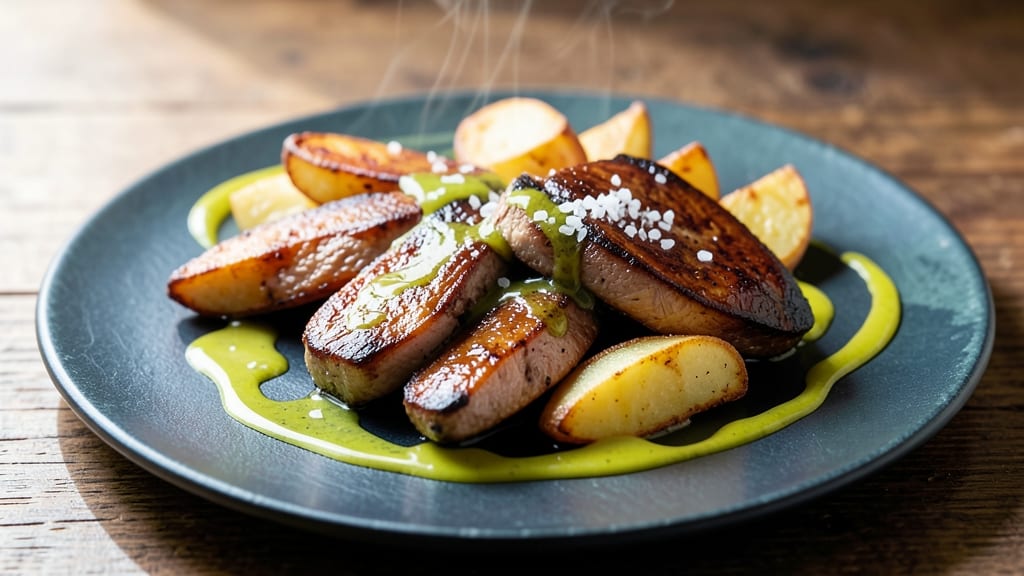
This chicken livers with potatoes recipe delivers restaurant-quality richness with crispy edges that’ll transform a simple weeknight meal into something extraordinary. Growing up in small-town Georgia, I learned how offal dishes like this could turn humble ingredients into something unforgettable when handled with precision.
The secret lies in proper preparation—soaking the livers to remove bitterness and searing them quickly over high heat to lock in flavor while achieving that coveted crispy exterior.
The magic happens in the pan, where chicken livers develop a deep mahogany crust while staying tender inside, paired with perfectly crisp potatoes that soak up the savory juices. This technique requires just 15 minutes of active cooking time, making it surprisingly quick for such a luxurious dish.
The key is using a heavy skillet—preferably one of my vintage cast iron pieces—to distribute heat evenly and create that perfect sear.
By the time you plate this dish, you’ll have golden-brown potatoes with crispy edges and fluffy centers, topped with pan-seared chicken livers that glisten with rendered fat and caramelized seasoning. The aroma alone will have everyone at the table anticipating each bite.
This is the kind of recipe that elevates simple ingredients into something truly special—no fancy techniques required, just attention to detail.
Serve immediately with a squeeze of lemon to brighten the richness or drizzle with a high-quality olive oil for extra depth. Perfect for impressing guests or treating yourself to a taste of Southern comfort food with a refined touch. Let’s get cooking—your taste buds will thank you.
Ingredients for chicken liver with potato
Transform humble ingredients into restaurant-quality richness with these precise components.
| Ingredient | Amount | Notes |
|---|---|---|
| Fresh Chicken Livers 🍗 | 1 lb | Trimmed of connective tissue |
| Russet Potatoes 🥔 | 2 lbs | Waxy variety preferred, cut into 1-inch cubes |
| Unsalted Butter 🧈 | 6 tbsp | European-style preferred for higher smoke point |
| Extra-Virgin Olive Oil 🫒 | 2 tbsp | For finishing and drizzling |
| Fresh Lemon Juice 🍋 | 2 tbsp | Brightens the richness |
| Diamond Crystal Kosher Salt 🧂 | 1 ½ tsp | For seasoning and soaking |
| Freshly Ground Black Pepper 🌶️ | 1 tsp | Coarse grind preferred |
| Garlic Cloves 🧄 | 4 cloves | Minced for potato seasoning |
| Fresh Thyme Leaves 🌿 | ¼ cup | Chopped, stems removed |
| Heavy Cream 🥛 | ¼ cup | Optional for sauce (full-fat recommended) |
| All-Purpose Flour 🌾 | 1 tbsp | For dredging potatoes |
| Cold Water 💧 | 2 cups | For soaking livers |
The chicken livers demand careful sourcing. Freshness is critical—look for livers that are bright red, not brown or slimy. Whole Foods Market and local butcher shops typically carry the highest quality, often pre-trimmed for convenience. If buying whole, trim away any connective tissue and silver skin yourself for optimal texture. The potatoes should be firm and free of sprouts—Russets hold up best to high-heat cooking. For the butter, European-style brands like Plugrá or Kerrygold have higher smoke points, crucial for achieving that mahogany crust without burning. Stock up on these staples before starting—this dish won't wait for last-minute shopping trips.
Substitutions require strategic adjustments. No fresh thyme? Dried thyme at one-third the amount works, but fresh delivers that essential herbal brightness. Running low on heavy cream? Whole milk thinned with a splash of olive oil mimics the richness. The flour dredge for potatoes can be swapped for cornstarch at half the quantity for extra crispiness. For the lemon juice, bottled works in a pinch, though fresh provides superior acidity. The garlic can be roasted for a sweeter profile if preferred—simply wrap whole cloves in foil and roast at 400°F for 10 minutes before mincing. Each swap should maintain the dish's balance of textures and flavors, with crispy edges remaining non-negotiable.
Proper storage extends this dish's lifespan without sacrificing quality. The trimmed chicken livers can be refrigerated for up to 2 days in an airtight container, but they're best used immediately for peak tenderness. Potatoes should be stored in a cool, dark place and used within 5 days of cutting. The rendered fat from the livers can be strained and frozen for up to 3 months—perfect for future pan-searing projects. For make-ahead convenience, par-cook the potatoes and store them in the fridge, then crisp them fresh before serving. The final plating should always include a drizzle of that precious rendered fat, elevated with a squeeze of lemon and a sprinkle of fresh thyme.
Why You'll Love This Recipe
- One-Pan Magic: Honestly, this is the kind of dish where you toss everything on a sheet pan and forget about it. The potatoes crisp up while the livers sear in their own juices—no constant stirring, no fancy technique. Just butter, oil, and a little lemon to tie it all together. I’ve made it on nights when I’m too tired to think, and it still turns out spot-on.
- Umami Bomb: The chicken livers here aren’t just meat—they’re flavor bombs. The butter melts into them, the lemon brightens the richness, and the potatoes soak up all the goodness like little sponges. My picky eater actually asked for seconds last week. (Yes, even on a Tuesday night.)
- Leftover Reinvented: Forget sad sandwiches the next day. These leftovers? They’re even better cold, sliced thin and reheated in a pan with a splash of broth. Or, I’ll throw them into a salad with arugula and more lemon—suddenly, it’s a totally different meal. Zero waste, maximum satisfaction.
- Budget’s Best Kept Secret: Chicken livers are cheap, but they taste like a splurge. Pair them with humble russet potatoes, and you’ve got a meal that feeds four for less than a takeout run. I’ll be real: my grocery bill doesn’t feel it, but my taste buds do.
Step-by-step instructions for chicken livers with potatoes
Here's the method for achieving perfectly crispy edges on both potatoes and livers.
Prepare the Chicken Livers
Rinse the 1 lb fresh chicken livers under cold water and pat them completely dry with paper towels. Trim away any visible connective tissue or silver skin using a sharp knife. This step ensures tender livers rather than tough, chewy bites.
Place the livers in a bowl and add the 2 cups cold water. Let them soak for 20 minutes while you prepare the potatoes. This soaking step removes excess blood and bitterness, resulting in a cleaner flavor profile. Drain and rinse again before proceeding.
Season and Sear the Potatoes
Cut the 2 lbs russet potatoes into 1-inch cubes and place them in a large bowl. Toss with 1 tbsp all-purpose flour, 1.5 tsp diamond crystal kosher salt, and 1 tsp freshly ground black pepper until evenly coated. This creates a light crust that will get beautifully crispy.
Heat 3 tbsp unsalted butter and 2 tbsp extra-virgin olive oil in a large skillet over medium-high heat until the butter foams. Add the potatoes in a single layer, allowing them to cook undisturbed for 5-6 minutes until golden brown on one side. Flip carefully and cook for another 5-6 minutes until crispy on all sides. Remove and set aside.
Cook the Chicken Livers
In the same skillet, melt the remaining 3 tbsp unsalted butter over medium heat. Add the drained chicken livers in a single layer and cook for 2-3 minutes per side until they reach an internal temperature of 145°F. The livers should be browned but still slightly pink in the center for perfect doneness.
Here's the thing—don't overcook them. They'll continue cooking slightly off the heat. If they release easily from the pan, they're ready. Remove and keep warm while you finish the sauce.
Create the Sauce and Finish
Reduce the heat to medium-low and add the 4 cloves minced garlic to the skillet, cooking for 30 seconds until fragrant. Pour in the 0.25 cup heavy cream and the 0.25 cup chopped fresh thyme leaves, stirring constantly for 1-2 minutes until the sauce thickens slightly.
Return the potatoes and chicken livers to the skillet, tossing gently to coat evenly with the sauce. Add the 2 tbsp fresh lemon juice and cook for an additional 1 minute. The acidity brightens the richness of the livers and balances the dish.
Serve Immediately
Transfer the chicken livers and potatoes to a serving platter. The potatoes should have crispy golden edges while remaining tender inside, and the livers should be perfectly seared with a rich sauce clinging to them. Serve immediately while everything is hot and crisp.
This dish delivers the promised crispy edges on both components while maintaining tender interiors. The lemon juice adds a refreshing contrast to the richness of the livers and butter.
Pro Tips For Making Chicken Liver With Potato
- Trim the Gall Bladder: DESCRIPTION: Chicken livers hide a tiny green sac—don’t let it burst while cleaning, or you’ll end up with bitter-tasting livers. Pinch the duct end gently and pull it out like a tooth, then rinse. I learned this the hard way after making a batch that tasted like soap.
- Parboil Potatoes First: DESCRIPTION: Toss peeled Russets in boiling salted water for 3-4 minutes before frying—this keeps them fluffy inside while getting that crispy crust. Skip this, and you’ll end up with dense, greasy spuds. (Yes, even if you’re impatient like me.)
- Sear Livers in Batches: DESCRIPTION: Crowd the pan, and they’ll steam instead of sear. Work in single-layer batches over medium-high heat, adding olive oil as needed. After burning three batches, I finally figured out why my livers stayed tough and gray.
- Deglaze with Lemon Early: DESCRIPTION: Let the fond (those browned bits) build on the pan, then hit it with a splash of lemon juice before adding butter. This cuts through the richness and brightens the whole dish—my grandmother swore by this, and she was right.
Best sauces and condiments for chicken liver with potato
Classic Lemon-Thyme Sauce
This bright, herby sauce is my go-to for balancing the richness of chicken livers. After searing the livers, I deglaze the pan with 2 tbsp white wine (or sub with chicken stock) and add 1 tbsp butter, 1 tsp lemon zest, and ½ cup heavy cream.
Simmer for 3 minutes until slightly thickened, then finish with 1 tbsp fresh lemon juice and 1 tsp chopped thyme. The acidity cuts through the fat while the thyme echoes the potatoes' seasoning. 💛
Creamy Mustard Pan Sauce
For a tangier profile, I reach for Dijon mustard—specifically Maille—because its sharpness stands up to the livers' richness. After cooking the livers, whisk 1 tbsp mustard into ½ cup warm chicken stock, then stir in 2 tbsp butter and 1 tbsp crème fraîche.
The mustard adds depth without overpowering, and the crème fraîche gives a velvety finish. Toss the potatoes and livers in this sauce just before serving.
Red Wine Reduction
A bold red wine reduction elevates this dish to restaurant-level elegance. After searing the livers, pour in ½ cup dry red wine (I love Cabernet Sauvignon) and reduce by half over medium heat.
Add 1 tbsp butter and 1 tsp balsamic vinegar, then strain for a silky finish. This sauce pairs beautifully with the crispy potatoes and adds a sophisticated touch. 🍷
Garlic-Herb Butter
When I want to keep things simple but luxurious, I melt 4 tbsp butter with 2 minced garlic cloves and 1 tsp chopped parsley in the same skillet after cooking the livers.
Pour this fragrant butter over the finished dish—it clings beautifully to both the potatoes and livers, adding a rich, herby note without extra effort. This is my "cheat code" for quick but impressive results.
Spicy Harissa Sauce
For heat lovers, a touch of harissa paste (I use La Boîte) transforms this dish into something exciting. Stir 1 tsp harissa into the lemon-thyme sauce or red wine reduction, then adjust to taste.
The smoky, spicy depth contrasts perfectly with the crispy potatoes and tender livers. Serve with a sprinkle of toasted pine nuts for crunch and texture. 🌶️
Pan Gravy with Herbs
Never waste those precious rendered liver juices! After removing the livers, scrape up all the browned bits from the pan, then whisk in ½ cup chicken stock and 1 tbsp flour to make a roux.
Cook for 2 minutes until thickened, then stir in 1 tbsp butter and 1 tsp chopped tarragon. This gravy clings to everything, making every bite even more flavorful. It’s the ultimate way to use every bit of flavor from your pan.
Nutrition facts
Frequently asked questions
Why do I need to soak chicken livers before cooking?
Soaking removes excess blood and bitterness that can make the flavor unpleasant. The 20-minute soak in cold water also helps tenderize them, ensuring a perfect texture. Never skip this step—it's what transforms tough livers into silky, flavorful bites.
Can I use frozen chicken livers instead of fresh?
Fresh livers are ideal, but if using frozen, thaw them completely in the fridge overnight. Pat them completely dry and soak for 30 minutes instead of 20 to remove extra moisture. Frozen livers work, but fresh delivers superior texture and flavor.
How do I know when chicken livers are fully cooked?
Use a meat thermometer to check for an internal temperature of 145°F. They should be browned on the outside but still slightly pink in the center—overcooking makes them tough. A quick slice test also works: the flesh should be opaque with no visible red.
What's the best way to store leftovers?
Store in an airtight container in the fridge for up to 3 days. Reheat gently in a skillet with butter to restore crispiness. For longer storage, freeze the livers separately from potatoes (which don't freeze well). Thaw overnight in the fridge before reheating.
Can I make this dish ahead of time?
Par-cook the potatoes and store them separately. Reheat in a 400°F oven for 10 minutes to crisp them up. Cook the livers fresh—they lose texture when reheated. Assemble everything just before serving for the best results.