
Main Courses
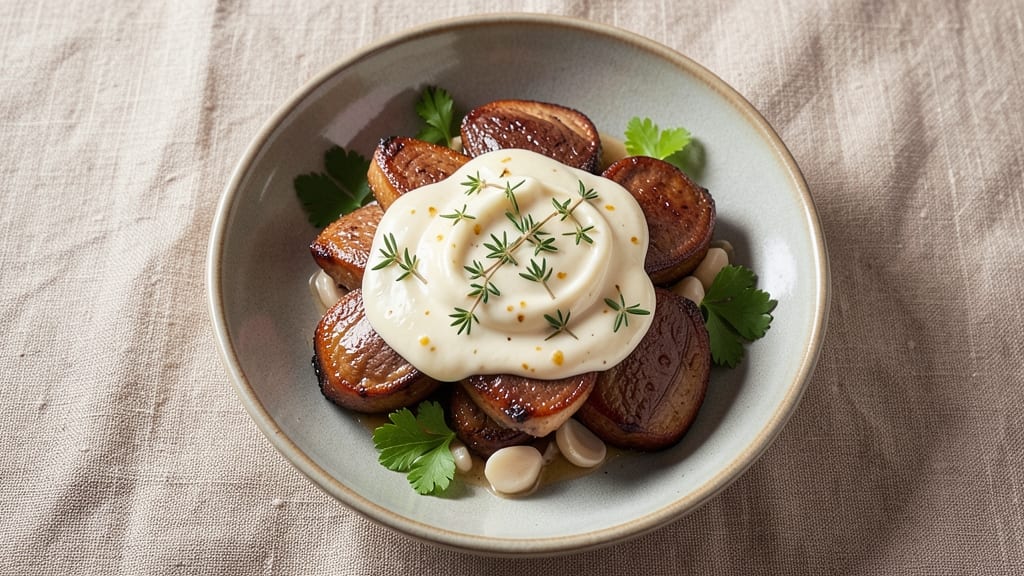
This chicken liver recipe transforms one of the most intimidating offal cuts into a luxurious, buttery masterpiece that rivals any restaurant dish. After years of perfecting the technique—from precise timing to the perfect herb butter—I can confidently say this is the only way to prepare chicken livers at home.
The secret lies in quick, high-heat cooking that renders fat without overcooking the delicate meat, resulting in a dish that's rich, tender, and packed with umami flavor.
What makes this recipe stand out is its balance of tradition and simplicity. You don’t need specialized equipment—just a good skillet, a sharp knife, and a few pantry staples.
The herb butter finish elevates the dish from ordinary to extraordinary, adding layers of aroma and depth that turn a simple weeknight dinner into something memorable. Unlike many offal recipes that require hours of braising, this method delivers restaurant-quality results in just 15 minutes of active cooking.
The final result is a plate of golden-brown, tender livers with crisp edges and a velvety interior, all enrobed in a fragrant herb butter that ties every bite together.
This isn’t just a recipe—it’s a transformation of what many consider an intimidating ingredient into something so delicious, even skeptics will ask for seconds. Serve with crusty bread or roasted potatoes to soak up every last drop of that rich, herby sauce.
Here’s the key to success: never overcook the livers, and always work with room-temperature meat for even cooking. With these tips, you’ll achieve perfect results every time—no guesswork, no stress. Let’s get started on creating a dish that’s as impressive as it is satisfying.
Ingredients for chicken liver
Twelve ingredients transform delicate chicken livers into restaurant-worthy pan-seared perfection with herb butter richness.
| Ingredient | Amount | Notes |
|---|---|---|
| Fresh Chicken Livers 🍗 | 1 lb | Trimmed of connective tissue, room temperature |
| Unsalted Butter 🧈 | 4 tbsp | Cold, cut into small cubes for searing |
| Fresh Thyme Leaves 🌿 | ½ cup | Chopped, stems removed for herb butter |
| Fresh Parsley Leaves 🌿 | ¼ cup | Chopped, for herb butter brightness |
| Garlic Cloves 🧄 | 4 cloves | Minced for herb butter infusion |
| Diamond Crystal Kosher Salt 🧂 | 1 ½ tsp | Fine grain for delicate seasoning |
| Freshly Ground Black Pepper 🌶️ | ½ tsp | Coarsely cracked for texture |
| Extra-Virgin Olive Oil 🫒 | 1 tbsp | High smoke point for preheating pan |
| Dry White Wine 🍷 | ¼ cup | Sauvignon Blanc preferred for acidity |
| Heavy Cream 🥛 | ¼ cup | Full-fat for velvety finish |
| Fresh Lemon Juice 🍋 | 1 tbsp | Brightens rich flavors at the end |
| Crusty Baguette Slices 🍞 | 8 pieces | For serving, toasted if desired |
The quality of chicken livers makes all the difference—look for bright red, moist livers at specialty butchers or high-end grocery stores like Whole Foods. Avoid any with grayish edges or an ammonia-like odor. Most markets sell them pre-trimmed, but if not, remove any connective tissue or membrane carefully with a sharp knife. The butter should be cold and unsalted—European-style works best for high-heat searing. For the wine, dry white varieties like Sauvignon Blanc cut through the richness without overpowering. If you prefer not to use alcohol, substitute with an equal amount of chicken stock.
No fresh thyme? Dried thyme at one-third the amount works, but fresh imparts superior aroma. Substitute parsley with chives or chervil if needed, though parsley's brightness is ideal. For the wine, dry vermouth makes an excellent substitute. The cream can be swapped for half-and-half if you prefer a lighter texture, though full-fat delivers the most luxurious finish. If you're avoiding dairy, coconut cream provides a similar richness. Always ensure your butter is cold when added to the pan—this prevents premature melting and ensures proper searing.
Fresh chicken livers should be used within 2 days of purchase and stored in an airtight container in the coldest part of your refrigerator. The herb butter mixture can be prepared 1 day ahead and refrigerated, though it's best used immediately for peak flavor. The finished dish reheats beautifully—simply warm in a skillet over medium heat with a splash of water or stock. Portion the livers into individual serving dishes with the herb butter spooned over the top for an elegant presentation. The crusty baguette should be stored in a paper bag to maintain crispness, and can be toasted just before serving.
Why You'll Love This Recipe
- Same recipe, different vibes: toss with pasta for a quick dinner or serve on crusty bread for brunch. Even my picky teen clears his plate.
- Foolproof Ingredients: I swear by this combo—just livers, butter, and herbs. No fancy prep, no hidden pantry items. Honestly, if you can chop garlic and mince thyme, you’ve got this.
- Rich Umami Magic: That butter-sizzle moment? Pure satisfaction. The garlic and parsley brighten the deep, meaty flavor—like a hug for your taste buds, but better.
- Weeknight to Weekend: Same recipe, different vibes: toss with pasta for a quick dinner or serve on crusty bread for brunch. Even my picky teen clears his plate.
Step-by-step instructions for pan-seared chicken livers
Here's the method for achieving perfectly seared chicken livers with a velvety herb butter finish.
Prepare the Herb Butter and Sear the Livers
In a small bowl, combine the 4 tablespoons unsalted butter, 0.5 cup fresh thyme leaves, 0.25 cup fresh parsley leaves, 4 minced garlic cloves, 1.5 teaspoons diamond crystal kosher salt, and 0.5 teaspoon freshly ground black pepper. Set aside at room temperature while you prepare the chicken livers.
Heat a large skillet over medium-high heat and add 1 tablespoon extra-virgin olive oil. Once the oil shimmers, add the 1 pound fresh chicken livers in a single layer. Press down gently with a spatula for the first 30 seconds to ensure even contact—this prevents curling. Cook undisturbed for 2-3 minutes until the bottoms are deep golden brown and crispy.
Deglaze and Simmer in White Wine
Remove the chicken livers from the skillet and set aside on a warm plate. Reduce heat to medium and immediately pour in the 0.25 cup dry white wine, scraping up all the browned bits from the bottom of the pan. Let the wine simmer for 2-3 minutes until reduced by half—this concentrates the flavors and forms a glossy base for the sauce.
Here's the thing—don't rush this step. The wine needs time to evaporate enough to create a rich, velvety sauce rather than a thin, watery one. You'll see the reduction when the liquid turns from pale to a deeper amber color and coats the back of a spoon.
Finish with Cream and Herb Butter
Return the chicken livers to the skillet and stir in the herb butter mixture you prepared earlier. Add the 0.25 cup heavy cream and simmer gently for 1-2 minutes until the sauce thickens slightly and coats the livers. The mixture should be silky, not grainy, and the livers should be fully enrobed in the sauce.
Real talk: If the sauce looks too thick, add 1-2 tablespoons of the pan juices from the plate to loosen it. The goal is a glossy, velvety consistency that clings beautifully to each liver. The herb butter should infuse the sauce with bright, aromatic flavors that complement the richness of the livers.
Brighten with Lemon and Serve
Remove the skillet from heat and stir in the 1 tablespoon fresh lemon juice. This final step brightens the dish, cutting through the richness of the butter and cream. Taste and adjust seasoning if needed—you may need a touch more salt or pepper to balance the flavors.
Transfer the chicken livers to a serving platter and arrange the 8 pieces crusty baguette slices on the side for dipping. The bread should be warm and sturdy enough to soak up the luxurious sauce without falling apart. Serve immediately while the livers are still warm and the sauce remains velvety.
Pro Tips For Making Chicken Liver
- Trim the Gall Bladder: DESCRIPTION: Chicken livers have a tiny green sac attached—pop it off or you’ll bite into bitter, puckery flavor. Use a sharp knife to slice the liver lengthwise, then gently peel it away (yes, it’s fiddly, but worth it). I learned this the hard way after eating a plate of livers that tasted like someone had sprinkled lemon zest on them by accident.
- Sear Over Medium-High: DESCRIPTION: Crank the heat to medium-high and let those livers develop a crust before you even think about adding butter. Low heat = gray, sad livers. High heat for 1-2 minutes per side seals in juices and gives you that golden-brown finish—then you can melt the butter without turning them to mush.
- Soak in Milk First: DESCRIPTION: Skip the soak, and your livers will taste metallic and gamey. Toss them in a bowl of cold milk (or water) for 20-30 minutes to mellow the blood. Rinse and pat very dry afterward—wet livers won’t brown properly, and that’s a crime when you’re this close to perfection.
- Deglaze with Garlic: DESCRIPTION: After searing, don’t just toss in butter—deglaze the pan with minced garlic and a splash of water first. The garlic caramelizes into the fond, and when you add butter, it turns into a silky sauce that clings to every bite. (Pro move: Save the leftover garlic butter for toast—it’s too good to waste.)
Serving suggestions for this recipe
Classic Pairings
Serve these livers with crusty baguette slices—the perfect vehicle for soaking up every drop of that herb butter sauce. I like to toast the bread lightly in the oven at 375°F for 5 minutes just before serving to keep it warm and crisp.
For a heartier option, roasted fingerling potatoes with their crispy edges and tender centers provide a satisfying contrast to the delicate livers. 🍞
Wine Pairings
A dry white wine like Sauvignon Blanc or Chardonnay complements the dish beautifully, mirroring the herb butter's brightness and cutting through the richness. For red wine lovers, a Pinot Noir with its light body and red fruit notes works surprisingly well.
I've also found that a crisp, dry rosé adds a refreshing touch that balances the dish's richness without overpowering it.
Vegetable Sides
Bright, fresh vegetables keep the meal from feeling too heavy. A simple sautéed green bean salad with shallots, lemon zest, and toasted almonds adds a pop of color and crunch.
For something heartier, try roasted asparagus with a sprinkle of lemon pepper—the peppery bite contrasts perfectly with the buttery livers. Both sides should be cooked just until tender-crisp to maintain their freshness.
Dipping Sauces
If you want to get creative, offer two dipping sauces on the side. A garlic aioli made with mayonnaise, minced garlic, and lemon juice adds a creamy, tangy option. For something lighter, a red wine reduction with a touch of balsamic vinegar provides a sophisticated contrast.
I like to serve these in small bowls so guests can experiment with flavors.
Presentation Tips
Arrange the livers on a slate board or wooden platter for a rustic, elegant presentation. Spoon the herb butter sauce generously over the top and drizzle any extra around the plate for visual appeal.
Garnish with chopped fresh parsley and a lemon wedge for a pop of color. Serve with metal forks for easy dipping—they look more refined than plastic and are easier to clean up. 💫
Make-Ahead Serving
If you're preparing ahead, cook the livers and sauce completely, then let them cool to room temperature. Store in an airtight container in the refrigerator for up to 2 days. Reheat gently in a skillet over low heat with a splash of water or stock to maintain moisture.
The bread should be toasted fresh before serving to keep it crisp. This method works perfectly for dinner parties or family gatherings where you want to impress without last-minute stress.
Nutrition facts
Frequently asked questions
Why do chicken livers turn gray if I don't cook them immediately?
Chicken livers oxidize quickly when exposed to air, causing that grayish color. Always pat them dry with paper towels and cook within 30 minutes of trimming for the best texture and color. If you're prepping ahead, store them in an airtight container with a paper towel underneath to absorb moisture.
Can I substitute butter with another fat for cooking?
While butter gives the best flavor, you can use olive oil or duck fat for searing. For the herb butter sauce, try ghee or coconut oil if avoiding dairy. Just remember, butter's richness is key to that velvety finish - no substitute will be identical, but these options work in a pinch.
What's the best way to trim chicken livers at home?
Use a sharp knife to slice off the thin membrane at the base of each liver, then remove any connective tissue or grayish bits. Rinse briefly under cold water and pat completely dry. The cleaner you keep them, the better they'll cook - no need to soak them in water or milk, which can make them waterlogged.
How do I fix chicken livers that are overcooked and tough?
Unfortunately, overcooked livers can't be perfectly revived, but you can salvage them by shredding them into a sauce or pâté. For future reference, always cook them over medium-high heat for just 2-3 minutes per side - they should be pink inside when done. The moment they turn completely brown, they're done!
Can I make this recipe with frozen chicken livers?
Fresh is ideal, but if using frozen, thaw them overnight in the refrigerator first. Never thaw at room temperature as this promotes bacterial growth. After thawing, pat them completely dry and proceed with the recipe. Frozen livers may release more water, so you might need to adjust cooking times slightly.