
Appetizers
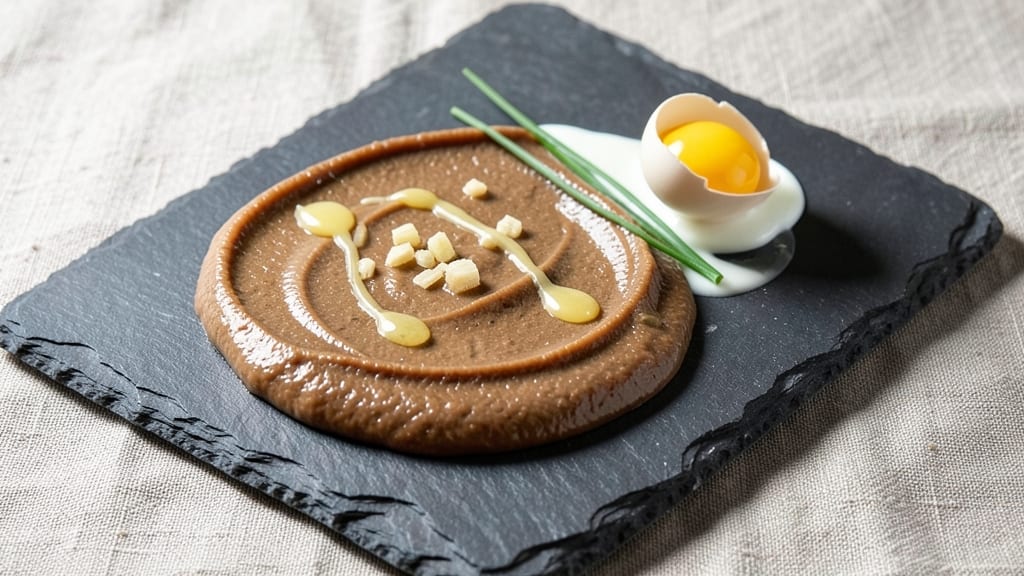
Creating a chicken liver pâté without alcohol is all about transforming rich, earthy flavors into a velvety spread that shines on its own. I learned this technique from my grandmother’s handwritten notes—her method relied on precise blending and patience, not shortcuts.
The key is balancing liver with high-quality fats and aromatics to create something smooth yet deeply flavorful.
This recipe delivers a luxuriously silky texture by carefully emulsifying the liver with butter and egg yolks, while shallots and garlic build depth without alcohol’s bite. No special equipment is needed—just a food processor and a steady hand.
The result is a pâté that’s perfect for spreading on toast, stuffing into crostini, or serving with crackers.
What makes this version stand out is how the liver’s natural richness comes through without needing wine or brandy. The blend of butter and cream ensures a creamy, spreadable consistency, while fresh herbs add brightness.
Every bite delivers that classic pâté experience—just without the alcohol. Let’s get started on crafting this elegant spread.
Once you’ve mastered this base, you can easily adjust the seasoning or add variations like roasted garlic or smoked paprika. The beauty of this recipe is its versatility—it’s sophisticated enough for gatherings but simple enough for a weeknight appetizer.
Store it properly, and it’ll keep for days, ready to impress whenever the mood strikes.
Ingredients for chicken liver pate recipe without alcohol
The foundation of this luxurious pâté relies on precise ratios of liver, butter, and cream.
| Ingredient | Amount | Notes |
|---|---|---|
| Chicken Livers 🍗 | 1 lb | Fresh, trimmed of connective tissue |
| Unsalted Butter 🧈 | ¾ cup | European-style, 82% fat content |
| Heavy Cream 🥛 | ½ cup | Full-fat, cold from refrigerator |
| Large Egg Yolks 🥚 | 4 whole | Fresh, room temperature |
| Shallots 🧅 | ¼ cup | Finely minced, 3-4 cloves |
| Garlic Cloves 🧄 | 3 cloves | Peeled, rough chopped |
| Fresh Thyme Leaves 🌿 | 1 tbsp | Stems removed, finely chopped |
| Fresh Parsley Leaves 🌿 | 2 tbsp | Curly, finely chopped |
| Diamond Crystal Kosher Salt 🧂 | ¾ tsp | Fine grain, to taste |
| Freshly Ground Black Pepper 🌶️ | ½ tsp | Coarsely ground |
The quality of your chicken livers is paramount—look for bright red, firm livers at specialty butchers or the meat counter. Whole Foods and D'Artagnan carry excellent options, but your local grocer's fresh livers work too if they're properly trimmed. Trim away any connective tissue or membranes before using; this step is critical for a silky texture. For the butter, European-style with 82% fat content (like Plugrá or Échiré) creates the richest body, though regular unsalted butter works in a pinch. The heavy cream should be cold and full-fat—never the light version. Egg yolks must be at room temperature to emulsify properly; take them out of the fridge 15 minutes before using.
No fresh thyme? Dried thyme at one-third the amount works, but fresh is ideal for that bright aroma. Substituting shallots with regular onions (finely minced) changes the flavor profile—shallots provide a delicate sweetness that onions lack. For a deeper garlic flavor, roast the cloves first until caramelized. The pâté's texture depends on the butter-to-liver ratio—never skip the full 0.75 cup of butter, even if the recipe seems rich. If you're concerned about cholesterol, reduce the butter to 0.5 cup and add an extra 2 tbsp of heavy cream to maintain creaminess. The parsley is purely for freshness; if unavailable, skip it entirely.
This pâté should be used within 3 days for optimal texture, though it keeps 5 days in the fridge when stored properly. Press plastic wrap directly onto the surface to prevent a skin from forming. For longer storage, portion into small ramekins and freeze for up to 3 months. Thaw in the fridge overnight before serving. The pâté tastes even better the next day as flavors meld. Serve on toasted baguette slices or with water crackers for an elegant appetizer. Never reheat—always serve at room temperature for the best texture.
Why You'll Love This Recipe
- One-Pan Mastery: No fancy prep here—just one skillet, a food processor, and 30 minutes. The shallots caramelize gently in butter while the livers cook, and the egg yolks bind everything without fuss. Honestly, the only chopping is those 3-4 cloves of garlic and shallots, and even that feels like a reward.
- Rich & Bright Harmony: That 42% fat butter and heavy cream make it velvety, but the fresh thyme and parsley? They cut through the richness like a crisp arugula salad. The garlic adds depth without overpowering, and the pepper gives it just enough bite to make every bite satisfying. It’s the kind of dish where you’ll forget it’s actually chicken liver.
- Crowd-Pleaser Flexibility: Spread it on toast, use it to stuff endive leaves, or serve it with crackers—this pâté adapts to any mood. Hosting last-minute? Whip up a batch and call it appetizers. Picky eater at the table? They’ll still ask for seconds. Even my vegetarian friend (who hates liver) admitted it was “dangerously good.”
- Budget’s Best Kept Secret: For under $15, you’re getting a restaurant-quality spread that’ll feed four with leftovers. Chicken livers are cheap, and the European-style butter (yes, it’s worth it) makes the difference. Plus, it keeps for five days—so you can enjoy it without guilt over waste. That’s a win for my wallet and my taste buds.
Step-by-step instructions for chicken liver pâté without alcohol
This method transforms delicate chicken livers into a velvety, restaurant-quality pâté using only fresh ingredients.
Sauté the Aromatics Until Translucent
Melt ½ of the ¾ cup unsalted butter in a heavy-bottomed skillet over medium-low heat. Add the ¼ cup finely minced shallots and 3 cloves rough chopped garlic cloves, stirring constantly for 5-6 minutes until the shallots become translucent and the garlic is fragrant but not browned.
This gentle cooking process prevents bitterness in the shallots while developing their sweet, mellow flavor. Keep the heat low—if the butter begins to foam excessively, reduce to medium-low immediately. The aromatics form the flavor foundation for the entire pâté, so don't rush this step.
Cook the Chicken Livers Until Just Done
Pat the 1 lb chicken livers completely dry with paper towels and season generously with ½ tsp freshly ground black pepper and ½ of the ¾ tsp diamond crystal kosher salt. Add the livers to the skillet in a single layer and cook over medium heat for 3-4 minutes per side until they reach 145°F internally and appear uniformly browned.
Chicken livers cook quickly and become tough if overcooked. They're done when they're just barely firm to the touch and the edges begin to pull away from the pan. Remove them immediately and set aside to cool slightly while you prepare the next components.
Create the Binding Mixture
In a separate heatproof bowl, whisk together the 4 large egg yolks, remaining ½ of the ¾ cup unsalted butter, and ½ cup heavy cream over a pot of barely simmering water (bain-marie) until the mixture reaches 160°F and thickens slightly. This gentle heating ensures the eggs cook evenly without scrambling.
Add the 1 tbsp finely chopped fresh thyme leaves and 2 tbsp finely chopped fresh parsley leaves to the binding mixture, stirring until fully incorporated. This herb infusion adds brightness that balances the richness of the livers. The mixture should be smooth and custard-like in consistency.
Process the Pâté to Perfection
Transfer the cooled chicken livers to a food processor fitted with the metal blade. Pulse briefly to create a coarse texture, then add the herb-infused egg mixture and process until completely smooth, scraping down the sides as needed. This blending creates the signature silky texture that defines a proper pâté.
With the processor running, slowly drizzle in the remaining ½ tsp diamond crystal kosher salt to taste. The pâté should be rich but not overly salty—adjust gradually as you sample. For an extra-luxurious finish, transfer to a heatproof serving dish and warm gently in a water bath to 140°F before serving.
Pro Tips For Making Chicken Liver Pate Recipe Without Alcohol
- Trim Those Livers Properly: I learned this the hard way—leaving connective tissue on your 1 lb chicken livers turns your pâté into a chewy mess. Scrape off every last bit of membrane and trim any silver skin before cooking. The cleaner they are, the smoother your final texture will be.
- Low and Slow for Shallots: Those minced shallots need 5-6 minutes of gentle heat to soften without burning. If you rush it, they’ll taste bitter and ruin the whole dish. Keep the pan just below a simmer—if the butter starts foaming like crazy, drop the heat immediately.
- Salt the Livers Early: Season your livers with half the salt before cooking, not after. The salt draws out moisture, helping them sear evenly and develop that perfect crust. Skip this, and you’ll end up with uneven browning and a bland base.
- Whisk the Eggs Like Your Life Depends on It: The binding mixture is where the magic happens, but scrambled eggs here mean a failed pâté. Whisk the yolks, butter, and cream constantly over the bain-marie until it hits 160°F—no lumps, no excuses. If it’s not silky, you’ll taste it later.
Wine and beer pairings for chicken liver pate recipe without alcohol
Rich Red Wines
The earthy, umami notes of a Burgundy Pinot Noir create a perfect match for chicken liver pâté, as the wine’s subtle red fruit and earthy undertones complement the pâté’s rich, savory depth.
Look for a light to medium-bodied bottle like Domaine Drouhin or Louis Jadot—these wines won’t overpower the pâté’s delicate flavors. The tannins in Pinot Noir also help cut through the pâté’s richness. 🍷
Crisp White Wine Options
For a lighter touch, a dry Riesling from Alsace or Germany works beautifully. The wine’s bright acidity and citrus notes—like those in Dr. Loosen Blue Slate—balance the pâté’s richness without competing.
The slight mineral finish cleanses the palate between bites, making it an ideal choice for serving with crackers or toast. I’ve found this pairing especially refreshing when the pâté is served cold.
Fruity Rosé Pairings
A Provence rosé with its crisp, dry profile and red berry notes is a fantastic match. Look for a pale, dry rosé like Château d’Esclans Blanc des Mills—it’s light enough to complement the pâté’s richness without overwhelming it.
The wine’s refreshing acidity and subtle floral hints create a delightful contrast to the pâté’s earthy flavors. This pairing feels effortlessly elegant for a weeknight gathering.
Beer Complements
For beer lovers, a Belgian witbier like Hoegaarden is a fantastic choice. The wine-like acidity, coriander, and orange peel notes in this golden beer enhance the pâté’s savory depth without clashing. Alternatively, a light lager like Peroni offers a clean, crisp finish that won’t overpower the dish.
These beers are easy to find and make the pâté feel even more approachable for those who prefer beer over wine. 🍺
Non-Alcoholic Alternatives
If you’re avoiding alcohol entirely, a sparkling apple cider like Martinelli’s adds a refreshing, slightly tart contrast that brightens the pâté’s richness. For something more sophisticated, a non-alcoholic Riesling like Bonbon mimics the wine’s crisp acidity and citrus notes.
Both options keep the pairing elegant and balanced, proving that alcohol isn’t the only way to enjoy this luxurious spread. 💛
Nutrition facts
Frequently asked questions
Why does my pâté need egg yolks?
The egg yolks act as a natural emulsifier, binding the liver and butter together for that signature silky texture. Without them, the pâté would separate and lose its luxurious consistency. Their richness also enhances the flavor profile, making every bite creamy and velvety.
Can I make this pâté ahead of time?
This pâté actually tastes better after resting for a day, as the flavors meld together. Store it in an airtight container in the fridge for up to 5 days. Press plastic wrap directly onto the surface to prevent a skin from forming. For longer storage, freeze in small portions for up to 3 months. Thaw overnight in the fridge before serving.
What if my pâté turns out grainy?
A grainy texture usually means the liver wasn't cooled enough before processing or the butter wasn't fully incorporated. Make sure the livers are completely cooled before blending, and add the egg mixture while the processor is running to ensure smoothness. Scrape down the sides frequently for an even texture.
How do I adjust the saltiness if I oversalted?
If your pâté is too salty, try balancing it with a splash of heavy cream or a bit of unsalted butter while processing. For a stronger fix, mix in a small amount of unsalted butter and re-process. Taste as you go—small adjustments work best. You can't unsalt, but you can dilute!