
Soups & Stews
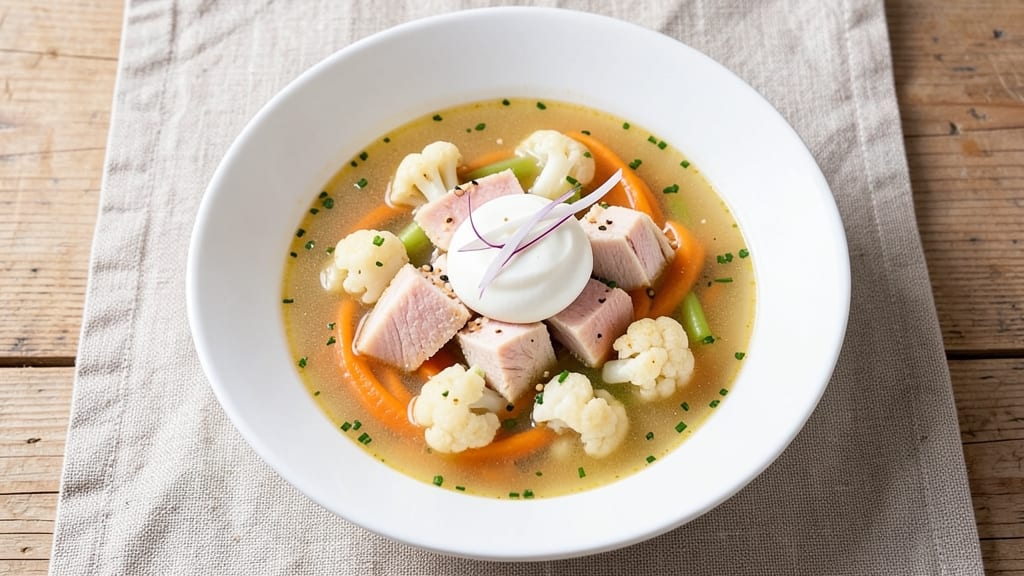
This bariatric chicken soup recipe delivers gentle protein-packed comfort designed specifically for post-surgery digestion. Every ingredient is carefully chosen to be soft, easy-to-digest, and rich in lean protein—perfect for rebuilding nutrition while being gentle on sensitive stomachs.
The secret lies in blending techniques that create a velvety texture without heavy fats or difficult-to-digest pieces.
What sets this recipe apart is its focus on portion control and balanced nutrition. With high-quality chicken breast as the protein base and low-fat broth, each serving provides essential nutrients without overwhelming digestion.
The vegetables are finely chopped or blended to ensure they're easily digestible, while the seasoning remains subtle to accommodate dietary restrictions. This isn't just soup—it's a carefully crafted meal that supports recovery.
The result is a warm, comforting bowl that's gentle yet nourishing, with every spoonful packed with protein and easy-to-digest ingredients. The broth is rich enough to satisfy cravings but light enough for sensitive stomachs, making it ideal for post-bariatric patients who need nutrition without discomfort.
Serving size is designed to be portion-controlled, ensuring you get the nourishment you need without excess.
Perfect for meal prep or immediate consumption, this recipe adapts easily to pureed or broth-based preferences. Whether you're recovering or supporting someone through their bariatric journey, this soup provides the comfort and nutrition needed for healing.
Let's create a meal that truly cares for your digestive system while delivering flavor and satisfaction.
Ingredients for bariatric chicken soup
Lean protein, soft vegetables, and gentle seasoning—this bariatric-friendly soup delivers nutrition without digestive strain.
| Ingredient | Amount | Notes |
|---|---|---|
| Boneless, Skinless Chicken Breast 🍗 | 12 oz | Finely diced for easy digestion |
| Low-Sodium Chicken Broth 💧 | 4 cups | Homemade or high-quality store-bought |
| Cauliflower Florets 🥬 | 1 cup | Steamed and finely chopped |
| Carrot Puree 🥕 | ½ cup | Steamed and blended smooth |
| Zucchini Puree 🥒 | ½ cup | Steamed and blended smooth |
| Low-Fat Greek Yogurt 🧀 | ¼ cup | Plain, unsweetened for creaminess |
| Extra-Virgin Olive Oil 🫒 | 1 tbsp | For gentle sautéing |
| Garlic Cloves 🧄 | 2 cloves | Minced for subtle flavor |
| Low-Sodium Vegetable Bouillon 🌿 | 1 tsp | For depth of flavor |
| Fresh Parsley 🌿 | 2 tbsp | Chopped, for garnish |
| Diamond Crystal Kosher Salt 🧂 | ¼ tsp | Adjust to taste |
| Ground Black Pepper 🌶️ | ⅛ tsp | Freshly ground |
| Fresh Lemon Juice 🍋 | 1 tbsp | Brightens flavor without acidity |
| Unflavored Gelatin 🍬 | 1 tsp | For gentle thickening |
| Water 💧 | ¼ cup | For gelatin activation |
The chicken breast is the cornerstone of this recipe—opt for high-quality, fresh cuts from a trusted butcher or premium grocery store deli section like Whole Foods or Trader Joe's. Look for cuts with minimal fat and even texture to ensure easy digestion. The low-sodium broth is non-negotiable; brands like Pacific Foods or Imagine offer excellent options, but homemade versions with extra chicken necks and vegetables provide superior flavor without excess sodium. For the cauliflower and zucchini, organic varieties from local farmers markets tend to have fewer nitrates and a cleaner profile, though conventional options work fine when steamed and pureed.
No fresh herbs? Dried parsley at one-third the amount works in a pinch, though fresh adds vibrant color and subtle flavor. The gelatin acts as a gentle thickener—if unavailable, 1 tbsp cornstarch mixed with 2 tbsp cold water creates a similar effect without animal products. For those avoiding dairy, unsweetened almond milk yogurt replaces the Greek yogurt seamlessly. The carrots and zucchini can be swapped for butternut squash or sweet potato if preferred, but ensure they're fully cooked and pureed to maintain digestibility. The lemon juice brightens the broth without overpowering—substitute with white grape juice if acidity is a concern.
This soup reheats beautifully—simply warm on the stove or microwave with a splash of water to restore moisture. Store in airtight glass containers for up to 4 days in the refrigerator, or freeze in portion-controlled ice cube trays for up to 3 months. For meal prep, double the batch and freeze half immediately; thaw overnight in the fridge before reheating. The gelatin mixture should be added last to prevent clumping, and the soup should be stirred constantly while heating to maintain its velvety texture. Each serving is precisely portioned at 1 cup to align with bariatric dietary guidelines.
Why You'll Love This Recipe
- I’ll be real: this recipe saves me money without skimping on flavor. Chicken breast is lean but affordable, and the veggies stretch the broth so you get more servings for less. Plus, leftovers taste just as good cold or reheated—no waste here.
- No-Fuss Prep: I swear by this recipe because it’s the kind of meal that doesn’t demand your full attention. Toss in pre-cut cauliflower florets, a splash of carrot and zucchini puree (no chopping, no mess), and you’ve got a soup that’s ready in one pot.
- Hidden Depth: Between us, the carrot and zucchini puree might sound like a shortcut, but it’s actually what makes this soup ridiculously smooth and satisfying. The chicken breast stays tender without falling apart, and the low-sodium broth keeps it from tasting flat.
- Weeknight Wonder: Honestly, this is my go-to when I’m too tired to think. It’s light enough for a quick lunch but hearty enough for dinner, and it reheats perfectly—so if you make a big batch, you’re set for days.
Step-by-step instructions for gentle protein-packed chicken soup
This method ensures easy digestion while maximizing flavor and nutrition for bariatric needs.
Sauté Protein and Aromatics for Foundation
Heat the 1 tablespoon extra-virgin olive oil in a large pot over medium-low heat. Add the 12 ounces finely diced boneless, skinless chicken breast and cook gently for 3-4 minutes until the edges turn opaque and the chicken loses its raw appearance. This gentle cooking prevents tough fibers that could challenge digestion.
Add the 2 minced garlic cloves and continue cooking for 30 seconds until fragrant—don't let it brown, as this can create bitter flavors. The garlic should perfume the chicken without overpowering it. Remove the chicken from the pot and set aside temporarily, leaving the garlic-infused oil in the pot for the next step.
Build the Vegetable Base for Gentle Texture
To the same pot, add the 1 cup steamed and finely chopped cauliflower florets, 0.5 cup carrot puree, and 0.5 cup zucchini puree. Stir gently to combine with the garlic oil. Cook for 2-3 minutes until the cauliflower softens slightly and the purees begin to meld together, creating a smooth, easy-to-digest vegetable base.
Add the 4 cups low-sodium chicken broth and 1 teaspoon low-sodium vegetable bouillon, stirring to dissolve the bouillon completely. Bring the mixture to a gentle simmer over medium heat. The broth should cover all ingredients by about 1 inch, ensuring the vegetables remain tender rather than mushy.
Thicken and Season for Optimal Digestion
In a small bowl, sprinkle the 1 teaspoon unflavored gelatin over the 0.25 cup water and let it bloom for 5 minutes until it forms a gel-like consistency. This creates a gentle thickening agent that helps bind the soup without creating dense lumps. Stir this mixture into the simmering pot and cook for an additional 5 minutes until slightly thickened.
Return the cooked chicken to the pot and stir in the 0.25 cup low-fat Greek yogurt, 0.25 teaspoon Diamond Crystal kosher salt, and 0.125 teaspoon ground black pepper. Simmer for another 3-4 minutes until the yogurt is fully incorporated and the flavors meld together. The soup should have a velvety texture while remaining easy to digest.
Finish with Brightness and Garnish
Remove the pot from heat and stir in the 1 tablespoon fresh lemon juice. This adds a subtle brightness that enhances the natural flavors without overpowering the gentle profile. The lemon juice also helps balance the richness of the yogurt and chicken.
Ladle the soup into serving bowls and garnish each portion with 0.5 tablespoon chopped fresh parsley. The parsley adds a touch of color and freshness while providing a mild digestive benefit. Serve immediately while warm, as the texture is designed to be enjoyed at its peak consistency.
Pro Tips For Making Bariatric Chicken Soup
- COOK CHICKEN FAST: Start with a rolling boil, then immediately reduce to a simmer—chicken breast turns rubbery if it cooks too slowly. I used to let it simmer gently, and the result was dry. High heat for 2 minutes, then low and slow keeps it moist.
- CHOP CAULIFLOWER SMALL: Tiny florets (about ½-inch pieces) cook faster and blend better into the broth. Big chunks turn mushy or stay crunchy—neither works well for bariatric textures. A sharp knife and quick cuts save time and frustration.
- STIR THE BROTH: Low-sodium broth needs help developing flavor—give it a quick stir every 5 minutes. I skipped this once and ended up with a bland, one-dimensional soup. Just 30 seconds of stirring makes a real difference.
- USE FROZEN ZUCCHINI: Frozen zucchini purée is your friend—it’s pre-softened and won’t water down the soup like fresh. Thaw it first, then mix it in at the end to avoid clumping. No prep, no mess, same great texture.
Creative variations of this recipe
Post-Surgery Puree Adaptation
For those needing ultra-soft textures, blend the entire soup until completely smooth using an immersion blender or countertop blender. This creates a sip-friendly version perfect for early recovery stages.
I recommend adding an extra 1 teaspoon gelatin to maintain thickness after blending. Serve immediately or store in portion-controlled ice cube trays for easy reheating. 🥄
Protein Boost Variations
Add 1 scoop unflavored whey protein powder (like Naked Nutrition) to each serving for an extra protein kick—just whisk it into the warm soup until fully dissolved. For dairy-free options, use pea protein powder instead. This boosts protein content by about 15-20 grams per serving without altering texture.
Vegetable Substitutions
Swap the cauliflower for steamed and pureed butternut squash (½ cup) for natural sweetness, or use mashed sweet potato for added fiber. Both options maintain digestibility while introducing new flavors. For extra nutrients, add ½ cup finely chopped steamed spinach—it blends seamlessly and provides iron without overpowering the broth.
Herb and Spice Customization
For subtle depth, add ½ teaspoon dried thyme or ¼ teaspoon ground ginger to the broth during simmering. Both enhance flavor without irritation. Avoid strong herbs like rosemary or oregano, which can be too intense. Fresh dill works beautifully if parsley isn’t available—use 1 tablespoon chopped instead.
Meal Prep Adaptations
Prep ahead by cooking the broth base and storing it separately in airtight containers for up to 3 days. When ready to serve, simply reheat the broth, add the pre-cooked chicken, and blend or stir in the purees and yogurt.
This saves time while keeping the soup fresh. For freezer storage, freeze the broth base in 1-cup portions—thaw overnight in the fridge before completing the recipe. ❄️
Nutrition facts
Frequently asked questions
Can I use this recipe during the immediate recovery phase after bariatric surgery?
This recipe is designed specifically for post-surgery needs. For the earliest recovery stages, blend the entire soup until completely smooth for a sip-friendly texture. The gentle ingredients and finely chopped/blended vegetables make it ideal for sensitive stomachs while providing essential protein and nutrients.
How do I adjust the portion sizes for bariatric meal planning?
Each serving is precisely portioned at 1 cup to align with standard bariatric dietary guidelines. For meal prep, double the recipe and freeze in 1-cup portions using ice cube trays. Thaw overnight in the refrigerator before reheating to maintain texture.
What if I don't have gelatin? Can I make this soup without it?
Yes! If you avoid gelatin, substitute with 1 tbsp cornstarch mixed with 2 tbsp cold water. Stir this mixture into the simmering soup during the final 5 minutes of cooking. The texture will be slightly different but still gentle and easy to digest.
Can I add more vegetables to increase nutrients?
You can add more vegetables, but they must be fully cooked and blended or finely chopped to maintain digestibility. Try ½ cup steamed spinach or ½ cup pureed butternut squash for added nutrients without compromising texture. Always ensure vegetables are soft and easy to digest.
How long will this soup keep in the refrigerator?
Store in airtight glass containers for up to 4 days in the refrigerator. For longer storage, freeze in 1-cup portions for up to 3 months. Reheat gently on the stove or microwave with a splash of water to restore moisture and texture.