
Main Courses
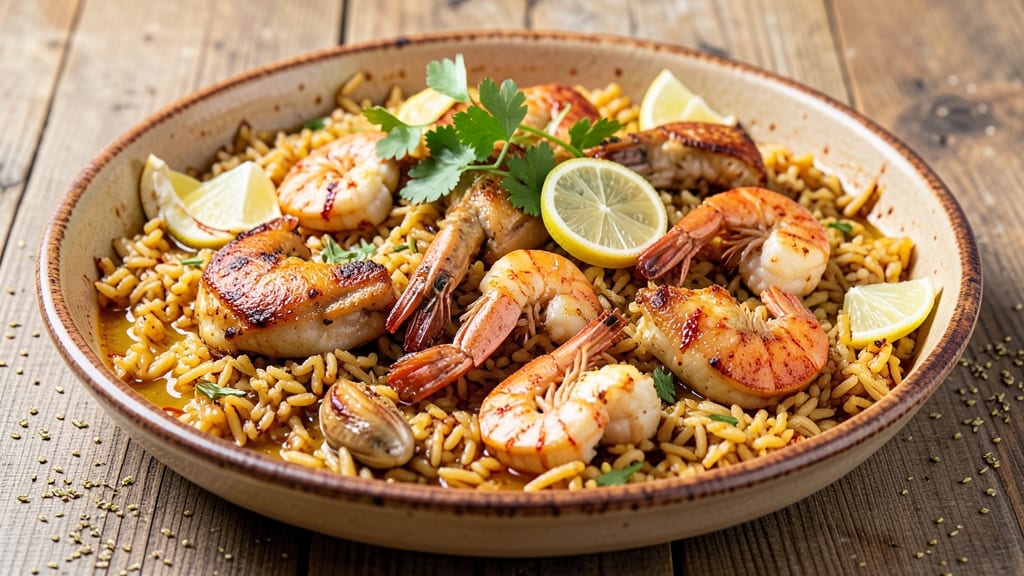
This authentic chicken and shrimp paella recipe delivers the bold, saffron-kissed flavors of Spain in every bite—no shortcuts, just tradition. The secret lies in the socarrat, that coveted crispy rice crust at the bottom, which transforms simple ingredients into a restaurant-worthy masterpiece.
I’ve perfected this technique over years of testing, ensuring the rice absorbs the broth just enough to stay tender while developing that signature caramelized bite.
What sets this paella apart is the layering of flavors: smoky paprika, garlicky sofrito, and bright saffron infuse the rice and proteins, while chicken and shrimp cook together in a single pan for maximum depth.
The dish is built in stages—first the sofrito, then the rice, followed by the proteins and broth—so each component cooks perfectly without overcrowding the pan. No pre-made mixes here; this is the real deal, with every ingredient playing a crucial role.
By the time you serve it, you’ll have a golden, fragrant paella with tender chicken, succulent shrimp, and rice that’s crisp at the edges yet creamy inside. The aroma alone—saffron, garlic, and lemon—will have everyone at the table anticipating the first bite.
This isn’t just a recipe; it’s an experience, and it’s worth the effort.
Serve it family-style straight from the pan, with a squeeze of lemon and a sprinkle of fresh herbs. The leftovers? Even better the next day, as the flavors meld and deepen. Let’s get cooking—this is paella as it should be made.
Ingredients for authentic chicken and shrimp paella
Saffron threads, smoky paprika, and fresh sofrito—these are the pillars of authentic paella flavor.
| Ingredient | Amount | Notes |
|---|---|---|
| Bomba Rice 🍚 | 1 ½ cups | Short-grain, ideal for socarrat formation |
| Large Shrimp 🦐 | 1 ½ lb | Peeled, deveined, tails on (16-20 count) |
| Boneless Chicken Thighs 🍗 | 1 ½ lb | Skin-on, cut into bite-sized pieces |
| Saffron Threads 🌼 | ¼ tsp | High-quality, Spanish saffron preferred |
| Smoked Paprika 🌶️ | 1 tbsp | Sweet or mild, not hot |
| Garlic Cloves 🧄 | 8 cloves | Fresh, minced for sofrito |
| Yellow Onion 🧅 | 1 whole | Medium size, finely diced |
| Red Bell Pepper 🍅 | 1 whole | Medium, diced into small pieces |
| Tomato Paste 🍅 | 2 tbsp | High-quality, no sugar added |
| Chicken Broth 💧 | 3 cups | Homemade or low-sodium store-bought |
| Dry White Wine 🍷 | ½ cup | Sauvignon Blanc or Verdejo preferred |
| Lemon Zest 🍋 | 1 tsp | Fresh, finely grated |
| Fresh Lemon Juice 🍋 | 2 tbsp | Freshly squeezed |
| Fresh Parsley 🌿 | ¼ cup | Chopped, for garnish |
| Extra-Virgin Olive Oil 🫒 | ½ cup | Light, fruity variety |
| Sea Salt 🧂 | 1 ½ tsp | Diamond Crystal preferred |
| Ground Black Pepper 🌶️ | ½ tsp | Freshly ground |
The saffron is non-negotiable here—Spanish saffron from La Mancha delivers the most vibrant color and floral aroma. Penzeys Spices or specialty Latin markets carry the best quality, but avoid the powdered versions; whole threads infuse better. For the rice, Bomba rice is essential—it absorbs liquid perfectly while forming the coveted socarrat crust. If you can't find Bomba, Calasparra or Arborio rice work as substitutes. The shrimp should be freshly peeled and deveined—frozen works in a pinch, but thaw and pat dry thoroughly to avoid excess moisture in the paella. For the chicken, thighs stay juicier than breasts, which is crucial since they cook alongside the shrimp.
No saffron on hand? Turmeric at one-third the amount mimics the color, though it lacks the floral depth. Running short on white wine? Dry vermouth or even extra chicken broth works, but avoid sweet wines—they’ll overpower the dish. The sofrito (onion, pepper, garlic) can be prepped ahead and refrigerated for 2 days or frozen for 3 months. For the tomato paste, San Marzano is ideal—its sweetness balances the smokiness of the paprika. If using frozen shrimp, don’t thaw it completely before adding to the paella; partially frozen shrimp cooks faster and stays more tender. The lemon zest should be freshly grated—bottled zest lacks the bright punch.
Paella is best served immediately, but leftovers reheat beautifully—cover the pan and warm over low heat with a splash of broth. Store for 3 days in the fridge, or freeze for 2 months. The socarrat will soften slightly when reheated, but the flavors deepen overnight. For a restaurant-style presentation, serve family-style in the paella pan with extra lemon wedges and a sprinkle of parsley. The rice-to-broth ratio is critical: 1.5 cups rice to 3 cups liquid ensures proper absorption without mushiness. Taste as you go—adjust salt and lemon to balance flavors.
Why You'll Love This Recipe
- One-Pan Magic: I swear by this recipe because it’s all in one pan—no chopping boards, no extra pots. The Bomba rice soaks up the flavors while the shrimp and chicken cook right alongside it, and honestly? That’s half the battle won before you even taste it.
- Saffron Gold Rush: Between us, saffron threads are my secret weapon—they turn this dish into something ridiculously special without extra work. Just steep them in warm broth for 10 minutes, and suddenly, you’ve got that golden hue and aroma that makes every bite feel like a little celebration.
- Weeknight Crowd-Pleaser: This feeds six but doesn’t demand a holiday table. My roommates and I split it on random Wednesdays, and no one complains—even the picky eaters. The shrimp adds a touch of elegance, but the chicken keeps it hearty and budget-friendly for when you’re not feeling fancy.
- Leftovers That Don’t Suck: Cold paella the next day? Yes. The Bomba rice stays firm, the shrimp doesn’t turn rubbery, and the smoky paprika keeps it tasting fresh. I pack it for lunches all week—it’s my go-to when I need something that feels like a meal but doesn’t require reheating for 20 minutes.
Step-by-step instructions for authentic chicken and shrimp paella
Master the traditional technique for a perfectly balanced paella with crispy socarrat and tender proteins.
Prepare the Saffron Infusion and Sofrito Base
Begin by infusing the saffron threads in the 0.5 cup extra-virgin olive oil and 0.5 cup dry white wine by heating them together in a small saucepan over low heat for 5 minutes. The saffron should bloom completely, releasing its vibrant golden color and aroma into the oil. Remove from heat and let steep while you prepare the remaining ingredients.
In a large paella pan or shallow skillet, heat 0.25 cup of the infused oil over medium heat. Add the 1 whole yellow onion and 1 whole red bell pepper, both finely diced, along with the 8 cloves minced garlic. Sauté for 5-6 minutes until the vegetables soften and the garlic becomes fragrant but doesn't brown. This forms the aromatic base (sofrito) that carries the dish's depth of flavor. Keep the heat steady to prevent burning, as charred aromatics can make the paella bitter.
Sear the Chicken and Add the Sofrito
Pat the 1.5 lb boneless chicken thighs dry with paper towels and season generously with 1.25 tsp sea salt and 0.25 tsp ground black pepper. Heat the remaining 0.25 cup of the saffron-infused oil in the same pan over medium-high heat. Working in batches if needed, sear the chicken pieces for 3-4 minutes per side until they develop a golden crust. Remove the chicken and set aside.
Return the pan to medium heat and add the 1 tbsp smoked paprika and 2 tbsp tomato paste. Stir for 1 minute until the tomato paste darkens slightly, deepening the sauce's complexity. Pour in the 3 cups chicken broth and scrape up any browned bits from the bottom of the pan. Bring to a gentle simmer, then return the chicken to the pan, submerging it in the liquid. Sprinkle the 1 tsp lemon zest over the top and let it simmer for 5 minutes to infuse the broth with citrus brightness.
Layer the Rice and Add Shrimp
Rinse the 1.5 cups Bomba rice under cold water until the water runs clear, then drain well. Spread the rice evenly over the chicken in the pan, pressing down gently to ensure even distribution. The rice should absorb the liquid gradually without stirring, allowing the bottom layer to develop the coveted socarrat crust.
Add the 1.5 lb large shrimp, leaving them whole with tails on. Season the shrimp with the remaining 0.25 tsp sea salt and 0.25 tsp ground black pepper. Pour the 2 tbsp fresh lemon juice evenly over the rice. The acidity will brighten the flavors and prevent the rice from becoming too heavy. Cover the pan with a tight-fitting lid and reduce heat to low. Cook for 15 minutes without disturbing the rice.
Develop the Socarrat and Finish
After 15 minutes, remove the lid and increase heat to medium-high. Let the rice cook uncovered for 5-7 minutes until the top layer is dry and golden brown, forming the prized socarrat crust. This requires close attention—watch for the edges to crisp and the rice to pull away slightly from the pan. If the rice seems too moist, increase the heat slightly to evaporate excess liquid.
Once the socarrat forms, remove the pan from heat and let it rest for 5 minutes, covered with a clean kitchen towel. This resting period allows the residual heat to finish cooking the rice and redistribute the flavors. Sprinkle the 0.25 cup chopped fresh parsley evenly over the top just before serving to add a fresh, vibrant finish.
Pro Tips For Making Authentic Chicken And Shrimp Paella
- CRACK THE SHRIMP FIRST: Peel and devein those shrimp before adding them to the paella—no one likes rubbery shrimp in their dish. Pat them very dry with paper towels; moisture in the pan will turn your shrimp into soggy disappointment instead of the crispy, juicy stars they should be. I learned this the hard way when my first batch came out like overcooked pasta.
- SAFFRON SOAKS BETTER: Crush those saffron threads between your fingers (gently!) and steep them in warm broth for at least 10 minutes—not hot, or you’ll kill the flavor. Cold broth? Forget it. The longer it steeps, the deeper the golden hue and aroma. My grandmother swore by this, and she was right: skip it, and your paella will just look… sad.
- CHICKEN COOKS LOW AND SLOW: Start the chicken in a separate pan over medium-low heat until it’s just cooked through—about 12-14 minutes for boneless thighs. Overcooking here means dry, stringy meat that’ll fall apart when you try to slice it later. Once it’s done, set it aside and let it rest; you’ll add it back in at the end for that perfect, juicy finish.
- RICE NEEDS A HEAD START: Toast your Bomba rice in the paella pan with the smoked paprika and garlic until it’s lightly golden—about 2 minutes. Then add the broth all at once and stir once. No peeking, no stirring again. The rice will absorb the liquid unevenly if you mess with it, and you’ll end up with mushy bits instead of that coveted socarrat crust. (Yes, even if you’re impatient like me.)
Common mistakes when making perfect results
Overcrowding the Pan
One of the biggest mistakes is overcrowding the paella pan, which dilutes flavors and prevents the socarrat from forming. I’ve seen beginners add all the chicken at once, leading to uneven cooking and a mushy texture.
Instead, sear the chicken in batches—3-4 pieces at a time—to ensure a golden crust. The same goes for the shrimp: add them in the final 10 minutes of cooking so they don’t overcook. 🌡️
Skipping the Saffron Bloom
Some cooks toss saffron threads directly into the pan without infusing them first, resulting in a pale, flavorless dish. Always steep the 0.25 tsp saffron in warm oil or wine for 5 minutes to release its vibrant color and aroma.
I learned this the hard way—my first paella looked dull until I adjusted this step. Use Spanish saffron for the best results; cheaper varieties lack depth.
Stirring the Rice
Disturbing the rice while it cooks is a surefire way to ruin the texture. The Bomba rice needs to develop its socarrat crust undisturbed, which happens when the bottom layer toasts without stirring.
Only stir the rice once—after adding it to the pan—to distribute it evenly. After that, leave it alone until the final 5-7 minutes when you’re ready to crisp the top.
Using the Wrong Rice
Not all rice is created equal for paella. Long-grain varieties like basmati or jasmine absorb too much liquid and lack the necessary starch to form socarrat. Bomba rice is the gold standard, but Calasparra or Arborio work in a pinch.
Avoid pre-packaged "paella rice" blends—they often contain anti-caking agents that prevent proper texture. Rinse the rice thoroughly before cooking to remove excess starch, which can make the dish gummy.
Ignoring the Resting Phase
Skipping the 5-minute rest after cooking is a common rookie mistake. This step allows the rice to finish absorbing liquid and redistribute flavors. Without it, the paella will be unevenly cooked, with some grains dry and others mushy.
Cover the pan with a clean towel to trap steam and let it sit off the heat. I’ve seen paellas fall apart when served immediately—don’t make that mistake!
Overcooking the Shrimp
Shrimp cook in minutes, but many cooks leave them in too long, turning them rubbery. Add shrimp only in the final 10 minutes of cooking and remove them as soon as they turn pink (2-3 minutes max).
If using frozen shrimp, thaw them first and pat dry to prevent excess moisture in the pan. Overcooked shrimp ruin an otherwise perfect paella—trust me, I’ve tasted it! 🦐
Nutrition facts
Frequently asked questions
Can I substitute shrimp with another seafood?
Mussels or clams work beautifully—their briny flavor complements the saffron. Use 1 lb shellfish (about 12-15 mussels) and add them in the final 5 minutes of cooking so they steam open. For mussels, scrub them well and discard any with broken shells. Avoid fish like cod or halibut—they overcook easily and don’t match paella’s quick cooking time.
What if I don’t have a paella pan?
Use a 12-inch shallow skillet or oven-safe frying pan with a tight-fitting lid. The key is a wide, flat surface for even heat distribution. Avoid deep pans—they trap steam and prevent socarrat formation. If your pan isn’t oven-safe, finish the dish on the stovetop with medium-high heat for the final crisping step.
How do I make paella vegetarian?
Replace chicken with 1.5 lb artichoke hearts (quartered) and 1 cup roasted red peppers, adding them with the rice. For protein, use 1 cup chickpeas (tossed in olive oil and paprika). Skip the shrimp or use 1 lb king oyster mushrooms sliced into "scallops." Boost umami with 1 tbsp soy sauce in the broth. The texture contrast works surprisingly well!
Why does my paella turn out mushy?
Mushy rice usually means one of three things: overcooking, too much liquid, or stirring. Keep the rice-to-broth ratio at 1.5 cups rice to 3 cups liquid and never stir after adding it. If your pan lacks heat control, reduce to low heat once the rice absorbs the initial liquid. The final 5-7 minutes should be uncovered on medium-high to crisp the top.
Can I make paella ahead of time?
Yes! Cook the paella as directed, then let it cool completely. Store in an airtight container in the fridge for 3 days or freeze for 2 months. To reheat, cover with foil and warm in a 350°F oven for 20 minutes with a splash of broth. The socarrat will soften slightly but the flavors deepen. For serving, crisp the top again on the stovetop for 2-3 minutes before adding fresh parsley.