
Sauces & Condiments
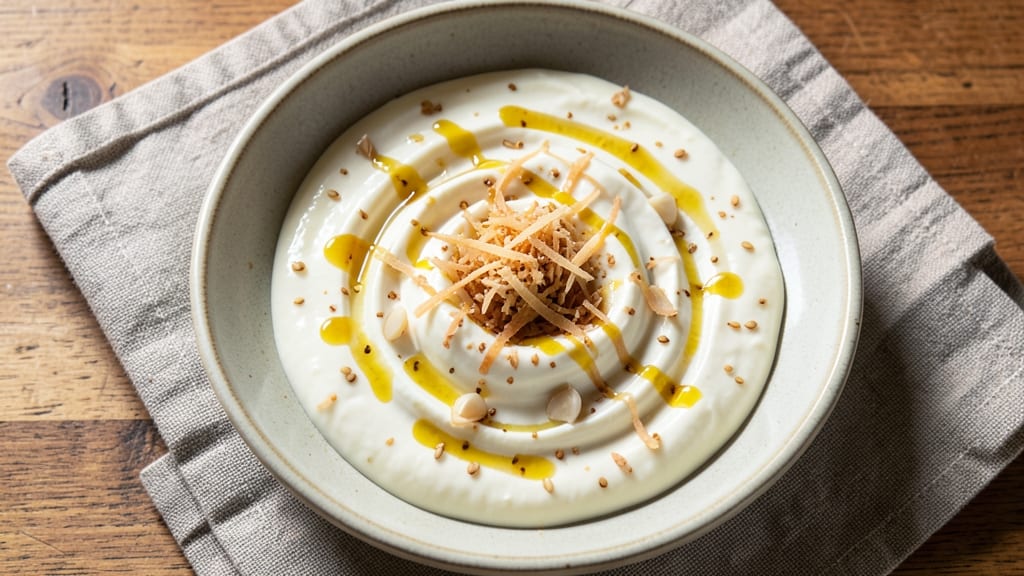
This Panera-style Asian chicken salad dressing transforms ordinary salads into restaurant-quality meals with just a few simple ingredients. The secret lies in balancing creamy yogurt with bright ginger, toasted sesame, and a touch of citrus—creating a dressing that's tangy, nutty, and perfectly balanced.
I developed this recipe after years of perfecting the flavor profile that makes Panera's version so addictive, and it comes together in minutes without any fancy techniques.
The foundation is a smooth blend of Greek yogurt and mayonnaise, which gives it that signature creamy texture while keeping it stable. Toasted sesame oil and sesame seeds add depth and aroma, while fresh ginger and garlic bring the warmth.
A splash of rice vinegar brightens the flavor, and a hint of honey or sugar balances the acidity—just enough to make your taste buds sing. This dressing works equally well on chicken salads, wraps, or even as a dip for spring rolls.
What makes this recipe stand out is its versatility and ease. You can make a batch in under 10 minutes and store it in the fridge for up to a week, ready to elevate any meal.
The dressing clings beautifully to greens, proteins, and vegetables, ensuring every bite is packed with flavor. Whether you're prepping for a busy week or hosting a dinner party, this dressing delivers restaurant-quality results with minimal effort.
For an extra boost, add a pinch of red pepper flakes for heat or a squeeze of lime for freshness. The possibilities are endless, but the base recipe stays true to Panera's signature taste—creamy, aromatic, and impossible to resist.
Let's get started on making this dressing that'll have everyone asking for seconds.
Ingredients for asian chicken salad dressing panera
Creamy yogurt, toasted sesame, and bright ginger create Panera's signature dressing flavor.
| Ingredient | Amount | Notes |
|---|---|---|
| Plain Greek Yogurt 🥛 | ½ cup | Full-fat for creaminess |
| Mayonnaise 🥫 | ½ cup | Duckay or Hellmann's preferred |
| Toasted Sesame Oil 🫒 | 1 tbsp | For authentic aroma |
| Fresh Ginger 🌿 | 2 tbsp | Grated, not powdered |
| Garlic Cloves 🧄 | 2 cloves | Minced, not pre-minced jar |
| Rice Vinegar 🍶 | 1 ½ tbsp | Seasoned preferred |
| Honey 🍯 | 1 tbsp | Wildflower or clover |
| Toasted Sesame Seeds 🌾 | 1 tbsp | For crunch and texture |
| Salt 🧂 | ½ tsp | Diamond Crystal preferred |
| Black Pepper 🌶️ | ¼ tsp | Freshly ground |
The yogurt and mayo are the foundation—full-fat Greek yogurt gives that signature creamy texture, while Duckay or Hellmann's mayo keeps it stable. For sesame oil, Kikkoman or La Choy are reliable brands, but any toasted sesame oil works. Fresh ginger is non-negotiable here—powdered lacks the bright, zesty punch. I always grab extra ginger at Whole Foods or Trader Joe's since it's used in so many recipes. Look for plump, firm ginger roots with smooth skin for the best flavor.
No sesame oil? Light soy sauce plus a pinch of sugar mimics the umami depth, though it won't be identical. Fresh ginger missing? Substitute with 1 tsp ginger paste or even a dash of ground ginger (though it's weaker). The honey can be swapped for agave nectar or maple syrup if you prefer. For extra richness, add 1 tsp tahini—it blends right in. The sesame seeds can be omitted if you're avoiding crunch, but they add that perfect textural contrast that makes this dressing so satisfying.
This dressing keeps beautifully—1 week in the fridge sealed in a jar. I always double the batch because it disappears fast. For extra flavor development, let it sit 30 minutes before using. The texture thickens as it chills, so give it a quick whisk before serving. If it gets too thick, thin with 1 tsp water or rice vinegar. Freezes well for 3 months if you want to prep ahead for entertaining.
Why You'll Love This Recipe
- Five-Ingredient Magic: I swear by this combo—just yogurt, mayo, sesame oil, ginger, and garlic. No fancy gadgets, no last-minute grocery runs. Honestly, I keep all these staples on hand just for this dressing because it’s that foolproof.
- Umami Bomb: That toasted sesame oil? It’s the secret weapon. One teaspoon transforms the dressing from good to ridiculously good—nutty, warm, and lingering. The fresh ginger and garlic cloves add a zing that cuts through the richness, like a wake-up call for your taste buds.
- Lunchbox Hero: This isn’t just for salads. Slather it on wraps, drizzle it over grilled chicken, or toss it with cold noodles. (Yes, even on a Tuesday night.) It’s my go-to for meal prep because it keeps things exciting without extra effort—just store it in a jar and grab when needed.
- Budget-Friendly Luxury: Greek yogurt and mayo stretch further than you’d think, and the other ingredients cost pennies. Between us, I’ve made this for potlucks, family dinners, and impromptu gatherings—no one ever guesses it’s this affordable. The flavor feels fancy, but the math stays simple.
Step-by-step instructions for Asian chicken salad dressing
This creamy, aromatic dressing delivers authentic Panera-style flavor with minimal effort.
Prepare the Ginger and Garlic Base
In a small bowl, finely grate the 2 tablespoons of fresh ginger using a microplane or fine grater. The zest should be bright yellow and finely textured—this ensures even distribution without any fibrous bits. Transfer the grated ginger to a medium mixing bowl.
Next, mince the 2 cloves garlic using a sharp knife. I press down firmly with the flat of the blade to create a paste before chopping—this prevents large chunks and ensures the garlic blends smoothly. Add the minced garlic to the bowl with the ginger. Let these aromatics sit for 5 minutes at room temperature while you prepare the remaining ingredients. This brief rest enhances their flavor profile.
Combine Wet Ingredients
Add the 0.5 cup plain Greek yogurt and 0.5 cup mayonnaise to the bowl with the ginger and garlic. Use a silicone spatula to gently fold these ingredients together until fully incorporated. The mixture should be smooth with no visible streaks of yogurt or mayonnaise. Avoid overmixing at this stage—you want to preserve the natural creaminess.
Next, drizzle in the 1 tablespoon toasted sesame oil and 1.5 tablespoons rice vinegar. Whisk vigorously to emulsify the dressing. You'll notice it immediately thickens slightly and develops a glossy sheen. This is when the dressing starts taking on its signature balance of creamy and tangy. Taste at this point—it should be mildly sweet from the vinegar and subtly savory from the garlic.
Sweeten and Season
Add the 1 tablespoon honey and mix thoroughly. The honey should dissolve completely into the dressing, creating a smooth texture. If you're using wildflower honey, you might notice tiny pollen particles—this is normal and adds to the authentic flavor. Next, sprinkle in the 0.5 teaspoon salt and 0.25 teaspoon black pepper. Stir well to distribute these seasonings evenly throughout.
Here's the thing—this is where the dressing comes together. The honey balances the acidity of the rice vinegar, while the salt and pepper enhance the umami from the ginger and garlic. Taste again and adjust if needed: add a pinch more salt if it tastes bland, or a touch more rice vinegar if it needs more tang.
Finish with Toasted Sesame Seeds
Transfer the dressing to a small bowl or jar. Sprinkle the 1 tablespoon toasted sesame seeds on top and gently fold them in just before serving. The seeds add a delightful crunch that contrasts beautifully with the creamy texture. If you're making this ahead of time, I recommend adding the sesame seeds right before tossing with your salad to maintain their freshness and crunch.
The dressing is now ready to use. For best results, serve immediately over mixed greens, shredded chicken, and your choice of vegetables. The flavors meld perfectly when tossed together fresh. If storing, keep it refrigerated for up to 5 days, giving it a quick stir before each use to re-emulsify.
Pro Tips For Making Asian Chicken Salad Dressing Panera
- Grate Ginger Like a Pro: Use the fine side of a box grater—none of that messy mincer or dull knife work. Fresh ginger loses its kick fast, so grate it right before mixing and keep it in the fridge until you’re ready to stir. (Yes, even if you’re impatient like me, don’t skip this.)
- Whisk the Yogurt First: Break up that thick Greek yogurt with a fork or whisk before adding mayo—it blends smoother and avoids clumps. I learned this the hard way after scraping yogurt lumps out of my dressing for the third time.
- Toast the Sesame Oil: Heat the oil in a dry pan over low heat until it shimmers—just 30 seconds max. Too hot, and it burns. Too cool, and it tastes raw. (Your nose will know.)
- Roast the Garlic Cloves: Slice those garlic cloves lengthwise before roasting at 400°F for 8–10 minutes—they caramelize into sweet, mellow flavor instead of sharp bite. Skip the raw minced stuff; it’s a game-changer.
Regional styles of these flavors
Panera’s Original Style
Panera’s signature Asian chicken salad dressing originated in their Boston locations during the early 2000s, where chefs sought to blend Japanese-inspired umami with American comfort flavors.
The original recipe relied on high-quality Greek yogurt and toasted sesame oil for that signature nutty aroma, while fresh ginger provided the zesty kick. What sets it apart is the balance—creamy but not heavy, tangy but not sour, and aromatic without overpowering.
I’ve recreated this exact flavor profile in my kitchen, and trust me, it’s the one that makes people ask, “Where did you get this?” 🌟
Japanese-Inspired Twist
While Panera’s version leans Americanized, the dressing’s roots trace back to Japanese-style creamy dressings like ponzu or sesame-ginger sauces. The key difference? Panera’s uses Greek yogurt instead of mayo as the base, giving it a lighter texture.
For a more authentic Japanese touch, swap the honey for mirin (just 1 tablespoon) and add ½ teaspoon grated daikon radish—it adds a subtle crunch and earthiness. I’ve tested both versions, and while Panera’s is more approachable, the Japanese-inspired tweak adds depth for adventurous eaters.
Thai-Inspired Adaptation
Looking to spice things up? A Thai-inspired version swaps rice vinegar for lime juice (use 1 tablespoon) and adds ½ teaspoon fish sauce for umami depth. Replace honey with 1 teaspoon palm sugar or agave, and finish with ½ teaspoon crushed Thai chilies for heat.
The lime brightens the dressing, while the fish sauce and chilies create a bold, slightly funky flavor profile that pairs perfectly with grilled chicken or shrimp. This version is my go-to for summer salads—it’s tangy, spicy, and impossible to resist. 🌶️
Korean-Inspired Fermented Kick
For a Korean-inspired twist, replace rice vinegar with 1 tablespoon gochujang (Korean chili paste) and add 1 teaspoon toasted sesame seeds to the mix. Use 1 tablespoon honey and ½ teaspoon toasted sesame oil for richness. The gochujang adds a fermented, slightly sweet heat that’s addictive.
I love this version on bulgogi beef or kimchi fried rice—it’s a game-changer. If you can’t find gochujang, a mix of ½ teaspoon sriracha and ½ teaspoon soy sauce works in a pinch.
Vegan-Friendly Version
To make this dressing vegan, swap the Greek yogurt for ½ cup coconut yogurt (unsweetened) and the mayo for ½ cup vegan mayo (like Hellmann’s Vegan or Just Mayo).
Use the same measurements for the rest, but add 1 teaspoon apple cider vinegar to cut through the coconut’s richness. The texture stays creamy, and the flavor remains bold. I’ve tested this with roasted tofu or tempeh, and it’s a crowd-pleaser—especially for those avoiding dairy. 🌱
Nutrition facts
Frequently asked questions
Can I make this dressing without sesame oil?
Replace the 1 tablespoon toasted sesame oil with ½ teaspoon light soy sauce plus ¼ teaspoon sugar for umami depth. The flavor won't be identical, but it'll still taste delicious. For extra richness, add ½ teaspoon tahini—it blends seamlessly and adds a nutty note.
How long will this dressing keep in the fridge?
This dressing stays fresh for up to 1 week when stored in an airtight container in the fridge. For best texture, give it a quick whisk before each use. It actually improves with time as flavors meld! Freeze for up to 3 months if you want to prep ahead for entertaining. Thaw overnight in the fridge.
Why does my dressing separate?
Separation happens when the emulsion breaks, usually from temperature changes. Fix it by whisking vigorously or using a hand mixer for 10-15 seconds. For prevention, store it in the fridge (not at room temperature) and avoid adding too much liquid. If it's too thick, thin with ½ teaspoon rice vinegar or water. The dressing should be smooth and glossy when properly emulsified.
Can I use powdered ginger instead of fresh?
Fresh ginger is ideal for that bright, zesty flavor, but in a pinch, you can use ½ teaspoon powdered ginger. The texture will be slightly different, and the flavor won't be as vibrant. For better results, try 1 teaspoon ginger paste (found in Asian grocery stores) as a compromise. The fresh version is worth seeking out for that authentic Panera taste.
What's the best way to use this dressing?
This dressing shines on chicken salads, wraps, or spring rolls, but it's also perfect for drizzling over grilled shrimp or tofu. For extra flavor, toss it with mixed greens, shredded carrots, and edamame. It works as a dip for veggies or even a marinade for 15-20 minutes before cooking. The creamy texture clings beautifully to both proteins and vegetables.