
Soups & Stews
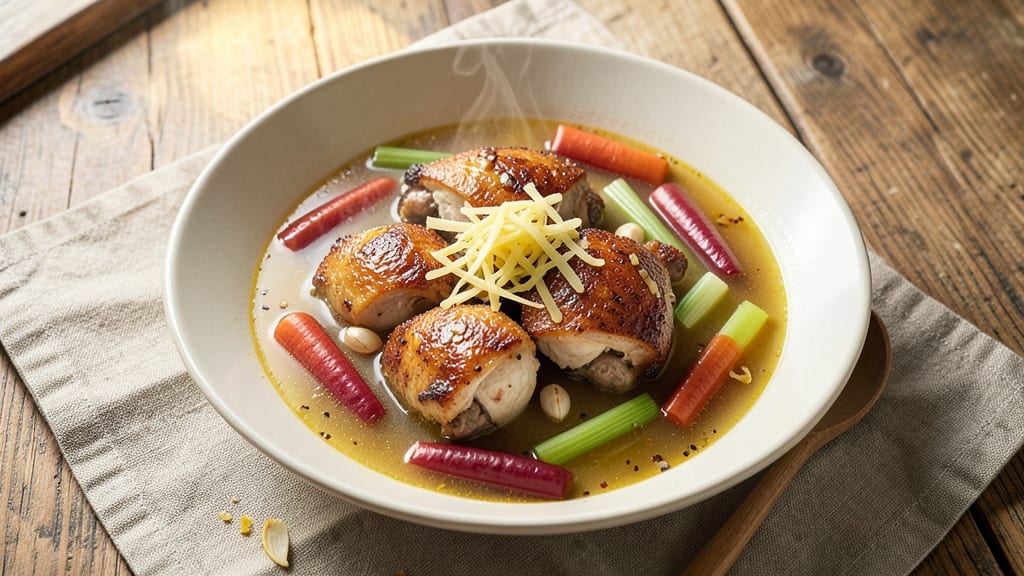
This American ginseng chicken soup recipe transforms ordinary chicken soup into a deeply nourishing elixir that warms both body and soul. 💛 The secret lies in slow-simmered ginseng—its earthy, slightly sweet notes melding with tender chicken and aromatic vegetables to create a broth that feels like a hug in a bowl.
I developed this recipe after years of testing traditional remedies, and it’s become my go-to for immunity support and cozy comfort during cold seasons.
The beauty of this soup is in its simplicity: just a few carefully chosen ingredients—chicken, ginseng root, ginger, garlic, and seasonal vegetables—work together to create a flavor profile that’s both familiar and extraordinary.
The ginseng isn’t just an ingredient; it’s the heart of the dish, infusing the broth with its signature adaptogenic properties while adding depth that elevates every spoonful. No fancy techniques are required—just patience and a pot.
What you’ll end up with is a rich, golden broth that’s velvety and fragrant, with tender chicken that shreds effortlessly and vegetables that retain their natural sweetness. The ginseng’s earthy warmth balances the soup’s other flavors, creating a harmony that’s both grounding and invigorating.
This isn’t just soup—it’s a restorative experience, perfect for sipping slowly on chilly evenings or sharing with loved ones when comfort is needed most.
The best part? This recipe scales effortlessly—whether you’re feeding a family or meal prepping for the week. The ginseng’s benefits only deepen with time, so the soup tastes even better the next day. Let’s get started on creating your own bowl of earthy, immunity-boosting comfort.
Ingredients for american ginseng chicken soup
Six ingredients transform this into an earthy, immunity-boosting bowl of comfort.
| Ingredient | Amount | Notes |
|---|---|---|
| Chicken Thighs (bone-in, skin-on) 🍗 | 2 lb | Trim excess fat if desired |
| American Ginseng Root 🌿 | 1 oz | Dried slices or fresh root |
| Fresh Ginger Root 🧅 | ½ cup | Peeled, roughly chopped |
| Garlic Cloves 🧄 | 6 cloves | Peeled, smashed slightly |
| Carrots 🥕 | 4 medium | Whole, scrubbed clean |
| Celery Stalks 🌿 | 4 whole | Trimmed, cut into 2-inch pieces |
| Yellow Onion 🧅 | 1 whole | Quartered, skin on |
| Low-Sodium Chicken Broth 💧 | 6 cups | Homemade or quality store-bought |
| Extra-Virgin Olive Oil 🫒 | 2 tbsp | For searing chicken |
| Kosher Salt 🧂 | 1 ½ tsp | Adjust to taste |
| Black Peppercorns 🌶️ | ½ tsp | Freshly cracked |
| Fresh Thyme Leaves 🌿 | 2 tsp | Or 1 tsp dried thyme |
| Green Onions 🧅 | 2 whole | Sliced thin for garnish |
| Sesame Oil 🫒 | 1 tsp | For finishing (optional) |
The ginseng is non-negotiable here—look for American ginseng root at specialty herb shops or online (I like Mountain Rose Herbs). Fresh is ideal, but dried slices work too. For ginger, grab the chunky, knobby kind—Trader Joe's or Whole Foods have great organic options. Chicken thighs stay juicier than breasts, and the skin adds richness to the broth. If you can't find American ginseng, Asian ginseng is a decent backup, though the flavor profile shifts slightly. The broth matters too—store-bought works, but homemade with the chicken bones makes this soup sing.
No fresh thyme? Dried works at one-third the amount, but fresh has that bright, floral note that makes this soup special. Short on carrots? Sweet potatoes or parsnips add natural sweetness. The sesame oil is optional but adds a lovely aroma—skip it if you're avoiding nuts entirely. For extra depth, toast the ginseng slices lightly in a dry pan before adding to the broth. The garlic should be smashed, not minced—it releases flavor more gradually. And if you're meal prepping, double the batch—this soup only gets better as it sits.
Broth keeps for 5 days in the fridge or 3 months frozen. The chicken stays tender for up to 4 days if stored properly. I always make a big batch and freeze portions in 1-cup servings—perfect for quick lunches. Garnish with green onions and a drizzle of sesame oil right before serving. The ginseng's benefits only intensify with time, so leftovers are a gift. Store in airtight containers with a lid pressed tight to keep the aromas sealed in.
Why You'll Love This Recipe
- Three ingredients need prep: ginger (peel and slice), garlic (smash a few cloves), and carrots (cut into chunks—no julienne required). The rest? Toss everything into one pot, simmer, and let the ginseng do the work. Unfussy, low-effort, and still feels special.
- Skin-on Magic: I swear by bone-in thighs here—crispy golden skin that shatters like glass, then melts into the broth while you wait. That first bite? The broth soaks up all the rendered fat and ginseng’s earthy warmth, turning every spoonful into a flavor upgrade.
- Ginseng Glow-Up: Between us, this isn’t your average chicken soup. The American ginseng root—simmered low and slow—adds this deep, almost medicinal sweetness that lingers. Honestly, it’s the kind of depth that makes you pause mid-sip and think, “Wait, is this even real?”
- Leftover Luxury: This soup begs to be made in batches. The broth thickens beautifully overnight, and the carrots just get sweeter. I freeze portions in jars—no fancy containers, just straight from the pot—and reheat them for lazy mornings. (Yes, even on a Tuesday night.)
Step-by-step instructions for American ginseng chicken soup
This earthy, immunity-boosting soup comes together in one pot with bold flavors and nourishing ingredients.
🔥 Step 1: Sear the Chicken for Deep Flavor
Heat the 2 tablespoons extra-virgin olive oil in a large Dutch oven over medium-high heat. Pat the 2 lb chicken thighs dry with paper towels—this helps the skin crisp up beautifully. Place them skin-side down in the pot and let them sear undisturbed for 6-8 minutes until the skin turns deep golden brown and crispy.
Flip the thighs and cook for another 3-4 minutes until the skin is golden on both sides. Remove the chicken and set it aside on a plate. The browned bits left in the pot will form the base of your soup, packed with flavor. Here's the thing—don't rush this step. Those crispy skin bits add texture and depth that you won't get any other way.
👨🍳 Step 2: Build the Aromatic Base
In the same Dutch oven, add the quartered yellow onion, 4 whole celery stalks (cut into 2-inch pieces), and 4 medium carrots (left whole). Cook for 5 minutes, stirring occasionally, until the vegetables begin to soften and release their natural juices. This creates a flavorful foundation for your soup.
Add the 6 smashed garlic cloves, 0.5 cup roughly chopped fresh ginger root, and 1 oz American ginseng root (if using dried slices, break them into smaller pieces). Stir everything together and cook for another 2 minutes until the garlic and ginger become fragrant. You'll notice the kitchen filling with that warm, earthy aroma—this is when the soup starts to come together. If the vegetables stick, add a splash of water to deglaze the pan.
🥘 Step 3: Simmer the Soup with Herbs
Pour in the 6 cups low-sodium chicken broth and bring the mixture to a gentle boil. Once boiling, reduce the heat to low-medium and add the 1.5 teaspoons kosher salt, 0.5 teaspoon cracked black peppercorns, and 2 teaspoons fresh thyme leaves. Return the chicken thighs to the pot, skin-side up, and cover with a lid.
Let the soup simmer for 30 minutes on low heat. This gentle cooking time allows all the flavors to meld together while keeping the chicken tender. Here's the trick: check the broth level occasionally and add a splash of water if it reduces too much. You want the chicken to cook through without drying out. The chicken is done when it easily pulls away from the bone and the broth has absorbed all those beautiful flavors.
⏰ Step 4: Finish and Garnish for Freshness
Remove the chicken thighs from the soup and let them rest on a cutting board for 5 minutes. Using two forks, shred the meat right in the pot, discarding any bones or large pieces of fat. Once the chicken is shredded, return it to the soup and stir gently to combine.
Taste the soup and adjust the seasoning if needed—you might want to add a bit more salt or pepper to your liking. For that final touch, stir in 1 teaspoon sesame oil (if using) and garnish with thinly sliced green onions. The sesame oil adds a subtle nutty aroma that complements the earthy ginseng perfectly. Serve the soup hot, ladling those shredded chicken pieces and aromatic broth into bowls for a comforting, immunity-boosting meal.
Pro Tips For Making American Ginseng Chicken Soup
- Blister the Skin First: Pat those bone-in thighs dry with paper towels, then sear them skin-side down in a hot pot until the skin cracks and turns golden—this locks in flavor and keeps the meat from drying out later. I used to skip this, and the soup always tasted duller. Do it right, and the skin will crisp up again when you add broth.
- Slice Ginseng Thin: American ginseng root is tough—slice it paper-thin (about 1mm) with a sharp knife or mandoline to let it infuse fully without turning the broth bitter. Thick slices? They’ll just sit there like little rocks. I learned this after my first batch tasted like I’d boiled a shoe.
- Simmer Low and Long: After the initial sear, drop the heat to a gentle simmer (tiny bubbles, not a rolling boil) and let the soup cook for at least 45 minutes. Rushing this step means the ginseng won’t release its earthy depth, and the carrots will stay crunchy instead of melting into the broth. Patience here makes all the difference.
- Save the Broth: Strain the soup through a fine-mesh sieve or cheesecloth to remove all the gritty ginseng fibers—this keeps the broth silky, not sandy. (Yes, it’s extra work, but trust me.) If you’re short on time, at least skim the surface with a ladle before serving. Your guests will notice.
Creative variations of american ginseng chicken soup
Spicy Ginseng Kick
For those who love heat, add ½ teaspoon of ground Sichuan peppercorns (or 1 tsp gochugaru) when simmering the broth. The numbing, citrusy heat from Sichuan peppercorns pairs beautifully with ginseng’s earthiness, creating a tingling, aromatic broth that’s both warming and invigorating.
If you prefer traditional chili heat, swap in 1 tbsp of chili crisp at the end—it adds a smoky, spicy finish that brightens the soup’s depth. 🌶️
Creamy Miso Twist
Stir in 1 tablespoon of white miso paste during the final 5 minutes of simmering for a rich, umami depth that balances the ginseng’s earthiness. The miso’s fermented notes create a silky, velvety texture without overpowering the broth.
For extra creaminess, whisk in 2 tablespoons of coconut milk at the end—it adds a subtle sweetness that complements the ginseng’s herbal profile. This variation is especially comforting on cold days.
Vegetarian Ginseng Broth
Swap the chicken for 1 lb of shiitake mushrooms (whole, stems removed) and 1 block of extra-firm tofu (pressed and cubed). Sear the mushrooms and tofu separately in the Dutch oven before adding the broth, then proceed with the recipe as written.
The mushrooms absorb the ginseng’s flavors beautifully, while the tofu adds a light, protein-rich texture. Garnish with toasted sesame seeds for extra crunch and depth.
Herbal Infusion Options
Boost the soup’s herbal profile by adding 1 sprig of fresh rosemary or 2 bay leaves during the simmer. Rosemary adds a piney, aromatic note that pairs wonderfully with ginseng, while bay leaves deepen the broth’s complexity.
For a citrusy twist, zest 1 orange and add it with the ginger—it brightens the earthy flavors without overpowering them. Remove the zest before serving if you prefer a cleaner finish.
Slow-Cooker Adaptation
Transfer all ingredients (except garnishes) to a 6-quart slow cooker and cook on LOW for 6-8 hours or HIGH for 3-4 hours. The slow cooker’s gentle heat allows the ginseng to infuse the broth deeply, creating a more concentrated, flavorful result.
Shred the chicken directly in the pot after cooking, then stir in the sesame oil and green onions. This method is perfect for hands-off meal prep—just dump, cook, and serve.
Ginseng Tea Garnish
For a refreshing twist, serve the soup with a side of hot ginseng tea made from the leftover ginseng slices. After simmering the soup, remove the ginseng root (if using fresh) and steep it in 2 cups of hot water for 10 minutes.
Strain and serve with the soup—it enhances the ginseng’s benefits while adding a soothing, herbal finish to the meal. 💛
Nutrition facts
Frequently asked questions
Can I substitute Asian ginseng for American ginseng in this recipe?
Yes, but expect a slightly different flavor profile. American ginseng has a milder, slightly sweet earthiness, while Asian ginseng is more robust and peppery. Use the same amount, but reduce the thyme slightly (1 teaspoon) to balance the stronger ginseng flavor. For best results, stick with American ginseng if possible—it's the star of this recipe!
How do I know when the ginseng root is properly infused?
The broth should develop a warm, earthy aroma with subtle sweetness—almost like a cross between ginger and licorice. After 30 minutes of simmering, the ginseng slices will soften slightly but shouldn't dissolve completely. Taste the broth: you should detect a gentle herbal note without bitterness. If it's too strong, strain out some slices earlier.
Can I make this soup in an Instant Pot?
Sear the chicken as directed, then add all ingredients (except garnishes) to the Instant Pot. Cook on high pressure for 15 minutes, then quick-release. The ginseng will infuse quickly, but for deeper flavor, transfer to a pot and simmer uncovered for 10 minutes after pressure release. The Instant Pot version cooks 40% faster but still delivers rich, comforting results.
What's the best way to store leftovers?
Let the soup cool completely, then transfer to airtight containers with minimal headspace. Store in the fridge for up to 5 days or freeze for 3 months. For reheating, warm gently on the stove or microwave until steaming hot. The ginseng's benefits actually intensify over time, so leftovers often taste even better! The broth thickens when chilled—just add a splash of water when reheating.
Can I use dried ginseng instead of fresh?
Dried works perfectly! Use the same 1 oz amount, but break it into smaller pieces before adding to the pot. Toast the dried slices in a dry pan for 1 minute to enhance their aroma. They'll infuse the broth just as well as fresh, though the texture will be slightly different. Store dried ginseng in a cool, dark place for up to 2 years.