
Main Courses
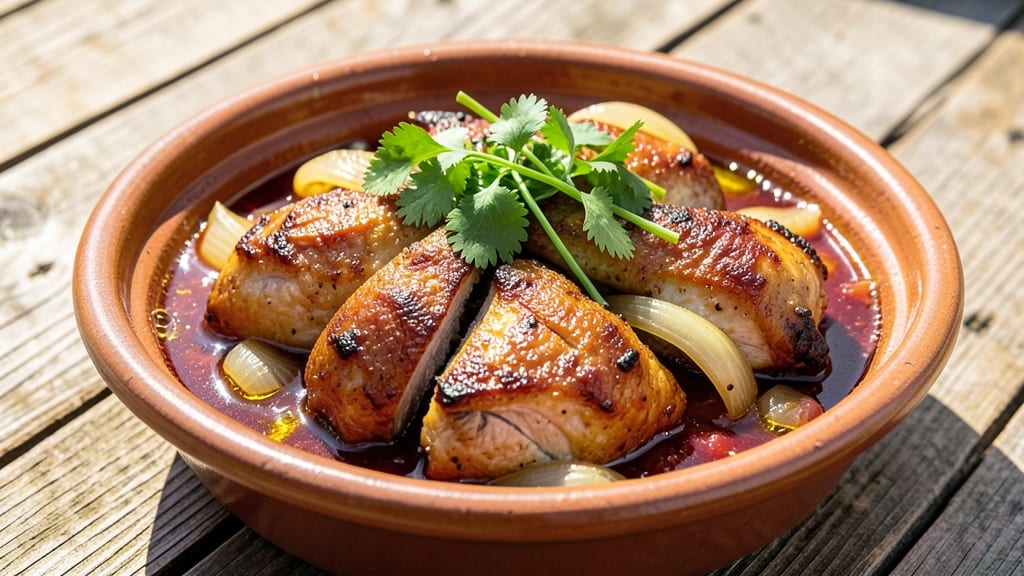
This Afritada chicken and pork recipe transforms humble ingredients into a deeply flavorful Filipino masterpiece—rich, tangy, and brimming with caramelized tomatoes and aromatic spices. 🔥 The secret lies in slow-braising tender pork and chicken until they melt into a velvety sauce, where the natural sweetness of tomatoes and onions harmonizes with garlic, vinegar, and bay leaves.
What makes this dish special is its ability to balance sweet, sour, and savory notes in every bite, creating a comforting yet vibrant meal that feels like home.
The recipe begins with a simple marinade of garlic, onions, and vinegar that tenderizes the meat while building the foundation for the sauce. As the pork and chicken simmer in a flavorful broth, the ingredients meld together, developing layers of complexity that make this dish unforgettable.
The addition of potatoes and carrots adds heartiness, while green bell peppers introduce a subtle crunch and freshness that brightens the rich sauce.
By the time it’s done, you’ll have a dish that’s tender, aromatic, and packed with depth—perfect for feeding a crowd or savoring a hearty meal on its own. The sauce clings to every bite of meat and vegetable, offering a symphony of flavors that’s both comforting and exciting.
Serve it over steamed rice or garlic fried rice to soak up every last drop of that luscious tomato-infused sauce.
This Afritada isn’t just a recipe; it’s a celebration of Filipino home cooking, where simplicity meets bold flavor. Whether you’re cooking for family gatherings or a cozy weeknight dinner, this dish delivers restaurant-quality results with minimal fuss. Let’s get cooking!
Ingredients for afritada chicken pork
Six ingredients transform into a deeply flavorful Filipino braised masterpiece with rich tomato sauce.
| Ingredient | Amount | Notes |
|---|---|---|
| Boneless Pork Shoulder 🥓 | 2 lb | Cut into 1-inch cubes |
| Boneless Chicken Thighs 🍗 | 1 ½ lb | Skin-on preferred |
| Yellow Onions 🧅 | 3 whole | Sliced into 1/4-inch strips |
| Garlic Cloves 🧄 | 8 cloves | Minced |
| Canned Diced Tomatoes 🍅 | 2 cans | 14.5oz each, no salt added |
| White Vinegar 💧 | ½ cup | Distilled preferred |
| Bay Leaves 🌿 | 2 whole | Dried, standard size |
| Green Bell Peppers 🌶️ | 2 whole | Sliced into strips |
| Russet Potatoes 🥔 | 2 lb | Peeled and cubed |
| Carrots 🥕 | 1 ½ lb | Peeled and sliced |
| Olive Oil 🫒 | ¼ cup | Extra-virgin preferred |
| Salt 🧂 | 1 ½ tsp | Kosher or sea salt |
| Black Peppercorns 🌶️ | ½ tsp | Freshly ground |
| Sugar 🍚 | 1 tbsp | Granulated |
The pork and chicken make this dish special. Pork shoulder stays tender through long cooking, while chicken thighs hold up better than breasts—skin-on adds extra flavor. Grab the boneless cuts from Costco or your local butcher for best value. Look for good marbling in the pork; it ensures juiciness. For the tomatoes, San Marzano cans from Trader Joe's give the best flavor, but any no-salt-added diced works. The onions and garlic? Yellow onions caramelize beautifully, and fresh garlic is non-negotiable here—no powdered substitutes.
No pork shoulder? Pork loin or tenderloin works in a pinch, but it'll be less tender. Chicken breasts are possible but need shorter cooking time. Running low on vinegar? Apple cider vinegar works just as well. The bell peppers can be swapped for red or yellow peppers—whatever's on sale. For the potatoes and carrots, Russet potatoes hold up best to braising, but Yukon Golds add creaminess. Carrots can be baby carrots if that's what's in the fridge. The olive oil should be extra-virgin—it makes all the difference in the final sauce's richness.
This dish tastes even better the next day as flavors meld. Store leftovers in the fridge for 4-5 days or freeze for 3 months. I like to portion it into containers for easy lunches—just reheat with a splash of water. The sauce thickens as it cools, so add a little water when reheating if needed. For serving, steamed jasmine rice is traditional, but garlic fried rice soaks up all that delicious sauce.
Why You'll Love This Recipe
- One-Pot Magic: I swear by this recipe—just toss everything into one pot, and the onions and garlic caramelize right into the meat. No extra pans, no extra stress, just layers of flavor building as it simmers.
- Deep Umami Bomb: That pork shoulder and chicken thighs? They get so tender they practically melt, while the tomatoes and onions develop this rich, savory depth. Honestly, the first bite makes me forget I’m not at my abuela’s kitchen table.
- Leftover Goldmine: This dish actually improves the next day—yes, really. The flavors meld even more, and it reheats like a dream. I make a double batch on Sundays just to have it for lazy weeknight dinners.
- Budget-Friendly Feast: Pork shoulder and chicken thighs stretch for miles here, and canned tomatoes keep it affordable without sacrificing taste. Between us, it’s the kind of meal that makes grocery day feel like a win.
Step-by-step instructions for braised chicken and pork afritada
Here's how to create a rich, tomato-based braise with tender meats and vibrant vegetables.
🔥 Step 1: Sear the Meats for Deep Flavor
Heat the 0.25 cup olive oil in a large Dutch oven over medium-high heat until shimmering. Add the 2 lb boneless pork shoulder in a single layer and sear for 5-6 minutes until deep golden brown on all sides. Remove and set aside.
In the same pot, add the 1.5 lb boneless chicken thighs skin-side down and cook for 4-5 minutes until the skin is crispy and golden. Flip and cook another 3-4 minutes until the chicken reaches 165°F internally. Remove and set aside with the pork.
This searing step creates the Maillard reaction that forms the flavor foundation. Don't crowd the pan—work in batches if needed to maintain proper heat. The pork will finish cooking later in the braise, while the chicken gets a head start.
🍳 Step 2: Sauté Vegetables and Build the Base
In the same Dutch oven, add 0.5 cup white vinegar and scrape up any browned bits from the bottom. Add the 3 whole sliced yellow onions and cook for 5 minutes until softened and golden. Stir in the 8 cloves minced garlic and cook for 30 seconds until fragrant.
Add the 2 whole sliced green bell peppers and cook for 3 minutes until slightly softened. Pour in the 2 cans canned diced tomatoes (with juices) and stir to combine. Add the 2 whole bay leaves, 1.5 tsp salt, 0.5 tsp black peppercorns, and 1 tbsp sugar. Stir well to distribute the seasoning.
The vinegar helps balance the sweetness of the tomatoes while the sugar enhances their natural flavors. This combination creates the signature tangy-sweet profile of authentic afritada.
🥘 Step 3: Combine and Braise Until Tender
Return the pork and chicken to the Dutch oven. Add the 2 lb peeled cubed russet potatoes and 1.5 lb peeled sliced carrots. Stir gently to combine all ingredients. Bring to a gentle simmer over medium-low heat, then reduce heat to low and cover tightly.
Simmer for 1 hour 15 minutes, stirring occasionally, until the pork reaches 203°F internally and the chicken is fork-tender. The potatoes and carrots should be tender but not mushy, with the carrots holding their shape. If the liquid level gets too low, add ½ cup water to maintain moisture.
This long, slow braising time is crucial for breaking down the tough pork shoulder while keeping the chicken moist. The vegetables absorb the rich tomato-pork-chicken broth, creating a harmonious one-pot meal.
⏰ Step 4: Rest and Serve with Perfect Texture
Remove from heat and let the afritada rest for 10 minutes covered. This resting period allows the juices to redistribute throughout the meats and vegetables, ensuring each bite is moist and flavorful.
Serve family-style directly from the Dutch oven, allowing everyone to mix their portions of tender pork, chicken, and vegetables. The sauce should coat everything beautifully, with a balance of sweet, tangy, and savory flavors. For extra richness, you can thicken the sauce by simmering it uncovered for 5-10 minutes after removing the meats.
Pro Tips For Making Afritada Chicken Pork
- CRACK THE PORK FIRST: I learned this the hard way—pork shoulder needs a 30-minute head start in boiling water to tenderize it before browning. Skip this, and you’ll end up with chewy chunks that ruin the whole dish. (Yes, even if you’re impatient like me.)
- MINCE ONIONS LIKE YOU MEAN IT: Fine dice those yellow onions—think 1/8-inch pieces, not rough chunks. The goal is for them to melt into the sauce, not sit as identifiable bits. I used to eyeball it, but now I measure: about 2 cups minced for a standard 3-pound pork-chicken combo.
- DON’T RUSH THE TOMATOES: Let the canned tomatoes simmer uncovered for 5 minutes before adding them to the pan. This burns off the excess acidity, which can make the sauce taste dull. (Your future self will notice the difference.)
- BROWN THE MEAT IN BATCHES: This isn’t the prettiest method, but it’s the tastiest: Cook the pork and chicken in two separate batches over medium-high heat. Crowding the pan steams the meat instead of searing it, and you’ll end up with pale, soggy edges. Two batches take 10 minutes max but guarantee a proper crust.
Make-ahead tips for leftovers
Prep Ahead Strategy
Marinate the meats the night before for maximum flavor.
In a large resealable bag, combine the 2 lb pork shoulder and 1.5 lb chicken thighs with 0.25 cup olive oil, 8 cloves minced garlic, 0.5 cup white vinegar, 1.5 tsp salt, and 0.5 tsp black peppercorns.
Refrigerate overnight—this tenderizes the meat and infuses it with flavor. 💫
Vegetable Prep Shortcuts
Chop all vegetables at least 4 hours in advance and store them in separate airtight containers in the fridge. The 3 yellow onions, 2 green bell peppers, 2 lb potatoes, and 1.5 lb carrots will stay fresh and ready to go.
I like to use plastic containers with snap lids from Rubbermaid for easy storage.
Partial Cooking
Cook the meats halfway through the braising process and refrigerate for later. After searing the meats and sautéing the vegetables, add the 2 cans tomatoes and 1 tbsp sugar, then simmer uncovered for 30 minutes to develop the sauce.
Cover and refrigerate for up to 2 days. When ready to finish, add the meats and vegetables, then braise until done.
Freezer-Friendly Make-Ahead
Freeze the fully cooked afritada for up to 3 months using quart-sized freezer bags. Portion into individual servings for easy reheating. When ready to serve, thaw in the fridge overnight, then reheat on the stovetop with ½ cup water over low heat for 15-20 minutes.
The sauce will thicken as it reheats—just add a splash of water if needed.
Sauce Prep
Make the sauce ahead of time and store it separately. In a saucepan, combine 2 cans tomatoes, 0.5 cup vinegar, 3 sliced onions, 8 cloves garlic, 2 bay leaves, and 1 tbsp sugar.
Simmer for 20 minutes, then refrigerate for up to 3 days. When ready to cook, simply add the meats and vegetables to the sauce and braise as directed.
Serving Prep
Cook the rice ahead of time and store it in the fridge. I recommend jasmine rice cooked with 1 part rice to 1.25 parts water. Reheat in a steamer basket over simmering water for 5 minutes before serving.
For garlic fried rice, cook 2 cups day-old rice in 1 tbsp oil with 2 cloves minced garlic and 1 tbsp soy sauce for 5 minutes—it’s the perfect companion to afritada. ✨
Nutrition facts
Frequently asked questions
Can I use chicken breast instead of thighs for this recipe?
Chicken breast works but requires careful timing. Since it cooks faster than thighs, add it to the braise only 20 minutes before the pork is done (203°F internal temp). For best results, cut breasts into even pieces and monitor closely to avoid drying out. The skin-on thighs in the original recipe help retain moisture during the long braise.
What makes this dish different from regular tomato-based stews?
The magic lies in the Filipino flavor profile: the perfect balance of white vinegar (for tang), sugar (to caramelize the tomatoes), and bay leaves (for earthy depth). Unlike Italian or Mexican tomato dishes, afritada uses no cream or heavy spices—just simple ingredients that develop complex layers through slow braising. The vinegar and sugar combo creates that signature sweet-tangy contrast.
How do I fix if the sauce is too thin after braising?
Simmer the sauce uncovered for 10-15 minutes to reduce it naturally. If still too thin, mix 1 tablespoon cornstarch with 2 tablespoons water, stir into the sauce, and simmer for 3-5 minutes until thickened. For extra richness, remove the meats and reduce the sauce separately, then spoon it back over the meat before serving.
Can I make this dish in an Instant Pot?
Yes! Sear the meats first, then sauté onions, garlic, and peppers. Add all ingredients except potatoes and carrots, then pressure cook for 20 minutes on high. Quick-release, add veggies, and cook on low heat for 10 minutes until tender. The Instant Pot version finishes faster but may need extra sauce reduction at the end for the same thick consistency.
What's the best way to reheat leftovers?
Reheat gently on the stovetop with ½ cup water over low heat for 10-15 minutes, covered. For microwave reheating, cover with a damp paper towel and heat in 1-minute intervals until warmed through. The sauce thickens when cooled, so adding a splash of water or broth helps restore its original consistency. Afritada actually tastes better the next day as flavors meld!