
Main Courses
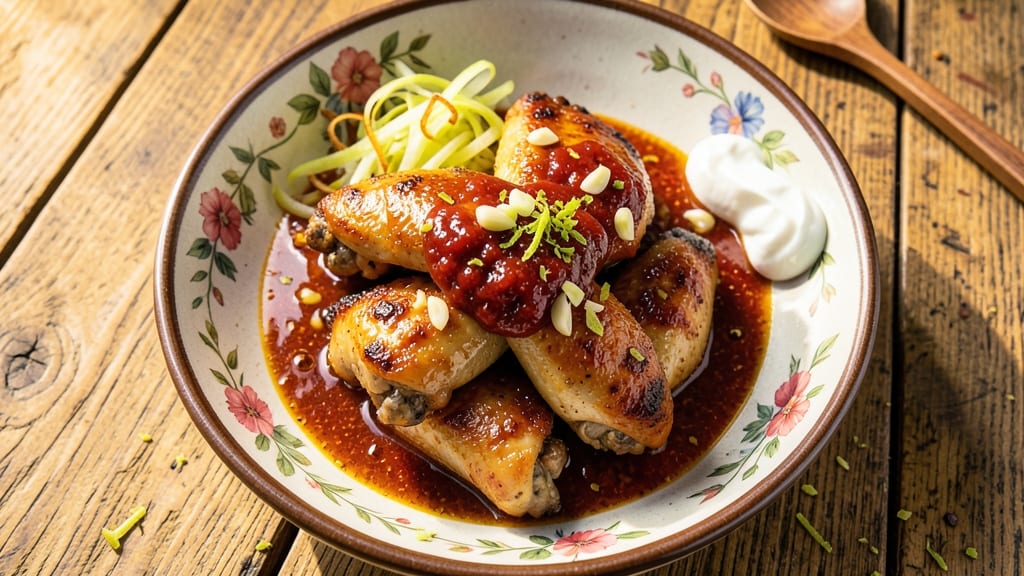
This achari chicken recipe food fusion transforms a classic South Asian dish into a bold fusion masterpiece by blending traditional achari chutney with modern techniques. The result? A restaurant-quality dish with a tangy yogurt kick that bridges two culinary worlds.
I developed this after experimenting with global spices and cooking methods to create something truly special—where crispy skin meets tender meat, all wrapped in layers of complex flavor.
The secret lies in marinating the chicken in a fusion of achari spices, yogurt, and a touch of Korean gochujang for depth. Whether you grill, bake, or pan-sear, the technique ensures juicy, flavorful bites every time.
The fusion doesn’t stop there—pair it with modern sides like garlic naan with a honey drizzle or a crisp cucumber-mint salad to balance the richness. This isn’t just a recipe; it’s a flavor adventure that redefines comfort food.
What makes this dish stand out is the balance of heat, tang, and smokiness—achieved through careful spice blending and cooking methods. The yogurt marinade tenderizes the chicken while adding a creamy contrast to the bold achari flavors.
By the time you serve it, your guests will taste the fusion of tradition and innovation in every bite, making this a showstopper for any meal.
Perfect for weeknight dinners or special occasions, this recipe delivers restaurant-quality results with minimal effort. The fusion approach means you can adapt it further—swap the gochujang for a smoky chipotle paste or serve it in tacos for a completely different experience. Let’s bring this fusion dish to life!
Ingredients for achari chicken recipe food fusion
Fourteen ingredients blend bold South Asian flavors with modern fusion techniques for crispy, tangy chicken bites.
| Ingredient | Amount | Notes |
|---|---|---|
| Boneless Chicken Thighs 🍗 | 1 ½ lb | Skin-on for crispiness, cut into even pieces |
| Plain Yogurt 🥛 | 1 cup | Full-fat Greek yogurt preferred |
| Achari Chutney 🌶️ | ½ cup | Store-bought or homemade, thick consistency |
| Korean Gochujang Paste 🌶️ | 2 tbsp | For depth and smoky heat |
| Garlic Cloves 🧄 | 6 cloves | Minced for marinade |
| Ginger Root 🌿 | 1 tbsp | Freshly grated, aromatic kick |
| Lemon Juice 🍋 | 2 tbsp | Freshly squeezed, brightens flavors |
| Olive Oil 🫒 | 2 tbsp | For crispy skin, high smoke point |
| Ground Cumin 🌿 | 1 tsp | Toasted for deeper flavor |
| Ground Coriander 🌶️ | 1 tsp | Earthy balance to heat |
| Turmeric Powder 🌿 | ½ tsp | Bright yellow hue, anti-inflammatory |
| Garam Masala 🌶️ | 1 tsp | Warm, aromatic finish |
| Salt 🧂 | 1 ½ tsp | Kosher salt for seasoning |
| Fresh Cilantro 🌿 | ¼ cup | Chopped, for garnish |
The chicken thighs are non-negotiable here—skin-on for that perfect crispy texture, and thighs stay juicier than breasts during long marinating. Grab bone-in, skin-on thighs from the butcher section (they're cheaper per pound too) or use pre-cut pieces from Whole Foods or Trader Joe's for convenience. Achari chutney is the heart of this fusion—look for store-bought brands like MTR or homemade versions with a thick, jam-like consistency. If you can't find gochujang, substitute with 1 tbsp sriracha plus 1 tsp smoked paprika for a similar punch. The yogurt should be full-fat Greek yogurt (the good stuff, not the low-fat kind)—it adds creaminess and tenderizes the meat perfectly.
No achari chutney? Mix 2 tbsp tomato paste with 1 tbsp each of tamarind paste, vinegar, and sugar for a quick substitute. Skip the gochujang? Swap for 1 tbsp chipotle paste or even 1 tbsp hot sauce if you're in a pinch. Fresh ginger and garlic are ideal, but jarred minced garlic works in a bind (just drain it well). The cumin and coriander should be toasted in a dry pan for 30 seconds before adding to the marinade—this deepens their flavor dramatically. If you're short on time, pre-ground spices are fine, but the toasted version is worth the extra minute. For the lemon juice, bottled is okay, but freshly squeezed has that extra zing that makes the dish sing.
Marinate the chicken for at least 4 hours (overnight is even better)—this lets the flavors meld beautifully. Store any leftover marinade in an airtight container in the fridge for up to 3 days, though I usually use it all up. The cooked chicken reheats well—microwave with a splash of water for 30 seconds or crisp it up in a hot pan. Garnish with fresh cilantro right before serving (it wilts fast, so add it last). Leftovers keep for 3-4 days in the fridge or 3 months in the freezer—portion into single servings for easy reheating.
Why You'll Love This Recipe
- I swear by this shortcut: just marinate the chicken in yogurt, achari chutney, and a spoonful of gochujang—no fancy prep. The tangy-sweet-spicy combo does all the work while I chop garlic in two minutes flat.
- Same recipe, different vibes: toss it over rice for a quick dinner or serve it on skewers for a crowd. My roommates call it “the dish that works for everything”—even when I forget to plan ahead.
Step-by-step instructions for achari chicken recipe food fusion
Here's how to blend South Asian tanginess with Korean heat for a showstopping fusion dish.
Marinate the Chicken for Maximum Flavor
In a large bowl, combine the 1.5 lb boneless chicken thighs with the 1 cup plain yogurt, 0.5 cup achari chutney, 2 tbsp Korean gochujang paste, 2 tbsp lemon juice, 1 tbsp freshly grated ginger root, and 6 minced garlic cloves. Mix until the chicken is fully coated and the marinade is well incorporated.
Add the 1 tsp ground cumin, 1 tsp ground coriander, 0.5 tsp turmeric powder, 1 tsp garam masala, and 1.5 tsp salt, stirring until everything is evenly distributed. The marinade should be thick but still cling to the chicken. Cover the bowl with plastic wrap and refrigerate for at least 4 hours, or preferably overnight. This long marinating time ensures the flavors penetrate deeply and the chicken stays tender.
Cook the Chicken for Perfect Texture
Remove the chicken from the refrigerator and let it sit at room temperature for 30 minutes before cooking. Heat 2 tbsp olive oil in a large skillet over medium-high heat until shimmering. Add the chicken in a single layer, making sure not to overcrowd the pan. Cook for 5-6 minutes per side until the chicken is golden brown and cooked through to an internal temperature of 165°F. The skin should be crispy, and the chicken should release easily from the pan.
If the chicken releases too easily, it might not be fully cooked. Use a meat thermometer to check the internal temperature—this is the most reliable way to ensure perfect doneness. Once cooked, transfer the chicken to a plate and tent loosely with foil to keep it warm while you prepare the sauce.
Prepare the Sauce for Tangy Depth
In the same skillet, reduce the heat to medium-low. Add 2 tbsp lemon juice and scrape up any browned bits from the bottom of the pan—these bits are packed with flavor. Let the lemon juice simmer for 1-2 minutes until slightly reduced. Then, stir in 0.5 cup achari chutney and 2 tbsp Korean gochujang paste, mixing until the sauce is smooth and well combined. The sauce should be thick and glossy, with a vibrant red hue from the chutney and gochujang.
Taste the sauce and adjust the seasoning with additional salt or garam masala if needed. The sauce should be tangy, slightly spicy, and well-balanced. If the sauce is too thick, add 1-2 tablespoons of water to loosen it to your desired consistency. Keep the sauce warm over low heat while you prepare the final garnish.
Garnish and Serve with Confidence
Return the chicken to the skillet and spoon the sauce over the top, coating the chicken evenly. Let it simmer for 1-2 minutes so the chicken absorbs the flavors. Transfer the chicken to a serving platter and garnish with 0.25 cup chopped fresh cilantro. The cilantro adds a bright, fresh contrast to the rich, spicy, and tangy flavors of the dish.
Serve the achari chicken immediately with steamed basmati rice or warm naan bread to soak up the delicious sauce. The fusion of South Asian and Korean flavors creates a dish that's bold, tangy, and packed with layers of complexity. Each bite delivers crispy chicken, creamy yogurt, tangy achari chutney, and a kick of gochujang—perfect for a flavor adventure.
Pro Tips For Making Achari Chicken Recipe Food Fusion
- Marinate Overnight (Not Just 30 Minutes): I learned this the hard way—rushing the yogurt and achari marinade means the chicken stays bland and watery. The acid in yogurt and tang of achari need 8+ hours to tenderize properly, especially with boneless thighs. Cover and refrigerate; the texture and flavor will reward you.
- Balance the Heat: Achari chutney is already spicy, but gochujang can overpower if you’re not careful. Start with 1 tablespoon of gochujang per 2 tablespoons of chutney, then taste as you cook. You can always add more, but fixing a burned tongue is harder.
- Sear in Batches: Crowding the pan turns your crispy dream into a sad, greasy mess. Work in single layers—no overlapping—and let the chicken sizzle for 3-4 minutes per side. Patience here guarantees that golden crust that makes all the difference (yes, even if you’re impatient like me).
- Minimize Yogurt Splatter: Yogurt loves to stick to your stove. Pat the marinated chicken very dry before searing—use paper towels, not just a quick wipe. The less moisture, the better the sear, and the cleaner your kitchen. Trust me, you’ll thank yourself later when you’re not scrubbing yogurt off the burner.
Wine and beer pairings for these flavors
Red Wine Pairings
For this bold fusion dish, I reach for a medium-bodied red wine like Pinot Noir from Oregon’s Willamette Valley—its bright acidity and red fruit notes cut through the richness of the achari and gochujang.
The wine’s earthy undertones complement the garam masala and cumin beautifully. If you prefer something with more body, a Syrah from Washington State adds smoky depth that mirrors the gochujang’s complexity. 🍷
Crisp White Options
A dry Riesling from Germany or the Finger Lakes balances the dish’s heat and tang perfectly. The wine’s crisp acidity and hints of citrus cleanse your palate between bites, while its mineral notes contrast the dish’s richness.
For a lighter option, Sauvignon Blanc from New Zealand offers zesty lime and grapefruit flavors that echo the lemon in the marinade. 🥂
Beer Complements
For beer lovers, a Korean-style lager like Hite or Cass provides a clean, crisp base that lets the dish’s flavors shine. The subtle malt sweetness in these beers softens the heat from the gochujang.
If you’re feeling adventurous, try a Belgian witbier—its coriander and citrus notes create a delightful contrast to the achari’s tang. 🍺
Unexpected Cocktail Pairing
For a fun twist, serve this fusion dish with a Gin & Tonic with achari-infused tonic. Mix 2 oz gin with 4 oz tonic water and ½ tsp achari chutney—the spicy-sweet notes bridge the flavors of the dish.
Garnish with a lemon twist for that bright, zesty pop. This pairing turns your meal into an interactive experience! 🍸
Non-Alcoholic Refreshers
Don’t drink alcohol? No problem! A sparkling mint lemonade made with ½ cup fresh lime juice, 2 tbsp honey, and sparkling water cools the palate beautifully.
For a savory sipper, try yogurt-based lassi with a pinch of cardamom—it echoes the dish’s creamy yogurt marinade. Both options keep the meal vibrant and refreshing. 🌿
Regional Adaptations
In Portland, where I live, I often pair this dish with a local craft IPA—the hop bitterness balances the richness perfectly. Back in Cincinnati, my go-to was always a light lager like Bud Light, but now I’d upgrade to a Belgian-style ale for that extra depth.
The key is matching the drink’s acidity or sweetness to the dish’s bold flavors. 🗺️
Nutrition facts
Frequently asked questions
Can I use chicken breasts instead of thighs for this fusion recipe?
While possible, chicken breasts are trickier because they dry out more easily. If you must use them, opt for bone-in, skin-on breasts and reduce marinating time to 2-3 hours max. Cook them at medium heat for 4-5 minutes per side to avoid overcooking. For best results, stick with thighs—they stay juicier and crispier with the skin.
What's the best way to make this dish less spicy?
Reduce the gochujang to 1 tbsp and skip the extra chili heat in the achari chutney. Add 1 tsp honey or sugar to the marinade to balance the spice. For extra mildness, serve with cooling sides like raita (yogurt dip) or cooling cucumber salad. Always taste the marinade before applying it fully!
Can I make this recipe ahead of time?
Marinate the chicken up to 2 days ahead for deeper flavor. Cook the chicken 1 day ahead and store it in an airtight container. Reheat gently in a skillet with 1 tbsp oil over medium heat for 3-4 minutes to restore crispiness. The sauce can be made fresh when reheating for best flavor.
What are some creative fusion twists I can try?
Swap the gochujang for harissa paste (North African) or miso paste (Japanese) for different depth. Try serving it in tortillas with avocado mash or over sushi rice with pickled ginger. For a dessert twist, use the leftover marinade as a glaze for roasted carrots or sweet potatoes—the sweetness balances the tang!
Why does my chicken turn out dry?
Overcooking is the usual culprit—use a meat thermometer to check for 165°F internal temp. Avoid high heat, and don't overcrowd the pan. For extra moisture, add 1 tbsp yogurt to the pan when reheating leftovers. Also, ensure your chicken pieces are even thickness so they cook uniformly.