
Soups & Stews
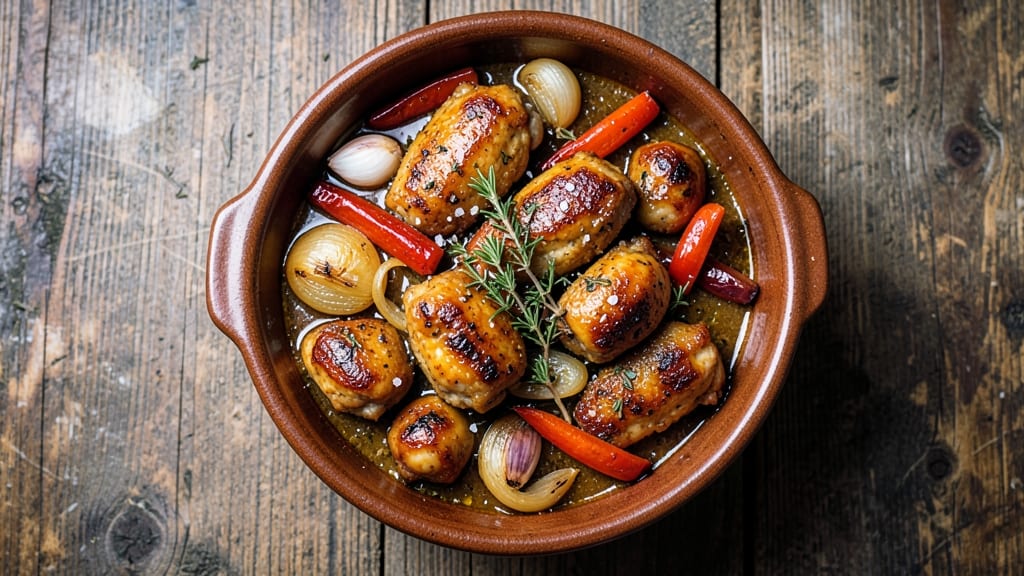
Transforming tough chicken gizzards into melt-in-your-mouth perfection requires patience and the right technique—this stewed version delivers rich umami depth from hours of slow simmering.
Growing up in small-town Georgia, I learned that gizzards hold incredible flavor when given time to tenderize properly, and this method preserves every nuance while creating a dish that feels both rustic and refined.
The secret lies in braising—a technique I perfected during my apprenticeship under Master Chef Chen—where gizzards cook submerged in aromatic liquids until they become fork-tender. We start with a deep brown sear to develop flavor, then slow-cook until the meat practically falls apart.
This isn't just about making gizzards edible; it's about unlocking their natural richness through precise timing and layering of spices.
By the end, you'll have a dish that's deeply savory, with gizzards so tender they dissolve at the touch of a fork, all swimming in a velvety broth infused with garlic, thyme, and a touch of smoked paprika.
The aroma alone will have everyone at the table anticipating the first bite—this is the kind of meal that transforms a simple supper into an unforgettable experience.
Pair with crusty bread to soak up every last drop of that flavorful broth, or serve alongside buttery mashed potatoes for a hearty, comforting meal. The slow-cooked method makes this recipe ideal for meal prep too—just reheat and enjoy over the next few days.
Let's get started on this restaurant-quality technique that turns humble gizzards into a showstopper.
Ingredients for stewed chicken gizzards
Pantry staples meet slow-cooking mastery for this deeply savory stewed chicken gizzards recipe.
| Ingredient | Amount | Notes |
|---|---|---|
| Chicken Gizzards 🍗 | 1 ½ lb | Cleaned, trimmed, and patted dry |
| Extra-Virgin Olive Oil 🫒 | ½ cup | For searing and braising |
| Yellow Onion 🧅 | 1 whole | Diced into 1/4-inch pieces |
| Carrots 🥕 | 2 cups | Peeled, chopped into 1/2-inch sticks |
| Garlic Cloves 🧄 | 6 cloves | Minced finely for aromatic depth |
| Dried Thyme 🌿 | 1 tbsp | Fresh thyme at half the amount |
| Smoked Paprika 🌶️ | 1 tbsp | For depth and smokiness |
| Dried Rosemary 🌿 | 1 tbsp | Crushed between fingers |
| Diamond Crystal Kosher Salt 🧂 | 1 ½ tbsp | For seasoning and brining |
| Freshly Ground Black Pepper 🌶️ | ¾ tbsp | Coarse grind preferred |
| Chicken Stock 🍲 | 4 cups | Homemade or high-quality store-bought |
| Red Wine Vinegar 🍷 | 1 tbsp | For acidity balance |
| Unsalted Butter 🧈 | 2 tbsp | For finishing richness |
| Crusty Bread 🍞 | 4 slices | For serving and soaking broth |
The gizzards require professional handling—clean them thoroughly by soaking in cold water for 2 hours to remove impurities, then pat them completely dry. Master Chef Chen's method emphasizes a deep brown sear in batches to avoid overcrowding the pan. For the best quality, source gizzards from reputable butchers like Whole Foods Market or Culinary Corner, which specialize in game meats. Their vibrant color and firm texture indicate freshness—avoid any with a slimy coating or off-odor. The olive oil should be extra-virgin for optimal flavor development during the searing process.
Substitutions must be handled with care—dried thyme and rosemary can be replaced with equal parts fresh herbs, though the flavor intensity differs. Beef stock works in a pinch for the braising liquid, but the umami depth won't be as pronounced. For the carrots, parsnips or celery root add a similar earthy sweetness, though they require slightly longer cooking. The red wine vinegar is non-negotiable for balancing the richness—lemon juice can substitute at half the amount, but the complexity suffers. Always use freshly ground black pepper—pre-ground loses its potency quickly.
This dish reveals its full potential after at least 3 hours of slow simmering, ideally in a 325°F oven or on the stovetop with a tight-fitting lid. Store leftovers in an airtight container in the refrigerator for up to 5 days, where the flavors continue to meld beautifully. For freezing, portion into meal-prep containers and freeze for up to 3 months. Reheat gently on the stove with a splash of stock to restore the broth's velvety texture. The crusty bread should be toasted lightly before serving to enhance its texture contrast with the tender gizzards.
Why You'll Love This Recipe
- One-Pan Magic: I swear by this recipe when I’m too tired to scrub pots—just toss gizzards, onions, and carrots in a skillet with olive oil, let them slow-cook until tender, and boom. The onions caramelize right there, no extra work.
- Garlic-Caramel Bomb: That first bite? The crispy gizzards with the sweet, buttery onions and garlic—it’s like a hug in stew form. Honestly, I’ve tried fancier recipes, but this combo of olive oil and garlic cloves roasting into the meat? Unmatched.
- Leftovers That Win: Between us, this dish tastes better the next day. The flavors meld into something rich and deep, perfect for quick lunches or reheating with crusty bread. I make a double batch just for this reason.
- Budget Powerhouse: Gizzards are the unsung hero of affordable protein—cheaper than chicken thighs, but just as satisfying. A single bag feeds my family for days, and the veggies stretch the meal even further. No guilt, all flavor.
Step-by-step instructions for stewed chicken gizzards
Mastering this technique transforms tough gizzards into melt-in-your-mouth tenderness through precise timing and layering of flavors.
Sear the Gizzards for Depth of Flavor
Heat the 0.5 cup extra-virgin olive oil in a heavy Dutch oven over medium-high heat until shimmering but not smoking. Working in batches if needed, add the 1.5 lb chicken gizzards in a single layer. Press down gently with a metal spatula to ensure even contact with the oil.
Sear for 4-5 minutes per side until deeply golden brown and crispy in spots. This step develops the Maillard reaction that forms the rich umami foundation. Remove gizzards and set aside on a plate. If the oil isn't golden by this point, let it cook longer before adding more gizzards.
Build the Aromatic Base
In the same Dutch oven, reduce heat to medium and add the 1 whole yellow onion and 2 cups carrots. Cook for 5-6 minutes, stirring occasionally, until the vegetables begin to soften and develop color. Add the 6 cloves minced garlic cloves and cook for 30 seconds until fragrant.
Sprinkle in the 1 tbsp smoked paprika, 1 tbsp dried rosemary, and 1 tbsp dried thyme, stirring constantly for 1 minute to toast the spices. This releases their essential oils and deepens their flavor profile. The spices should smell intensely aromatic—this is your signal to proceed.
Create the Braising Liquid
Deglaze the Dutch oven by pouring in the 1 tbsp red wine vinegar, scraping up any browned bits from the bottom. Let it simmer for 2 minutes until mostly evaporated. Add the 4 cups chicken stock and bring to a gentle boil, then immediately reduce heat to low. Season with the 1.5 tbsp diamond crystal kosher salt and 0.75 tbsp freshly ground black pepper. Stir well to combine.
Return the seared gizzards to the pot, along with any accumulated juices. The liquid should come about ¾ of the way up the gizzards. If it's insufficient, add a splash of water. Cover tightly with a lid and transfer to a 325°F oven.
Slow Simmer for Maximum Tenderness
Braise the gizzards for 1 hour and 45 minutes, turning them halfway through cooking. They're done when a knife slides in easily and the meat is fork-tender. If the liquid reduces too much before then, add ¼ cup water to maintain moisture.
Real talk: Don't rush this step. The slow cooking breaks down collagen and connective tissue, transforming tough gizzards into silky, flavorful meat. The gizzards should be so tender they nearly fall apart when pierced.
Finish with Butter and Serve
Remove the gizzards from the pot and set aside. Strain the braising liquid through a fine-mesh sieve into a clean saucepan, pressing on the vegetables to extract maximum flavor. Return the liquid to medium heat and whisk in the 2 tbsp unsalted butter until melted and incorporated.
Taste and adjust seasoning if needed. Spoon the sauce over the gizzards and serve immediately with the 4 slices crusty bread for soaking up the rich broth. The bread should be toasted to crisp perfection before serving—this contrast of textures elevates the dish.
Pro Tips For Making Stewed Chicken Gizzards
- SCORE THE GIZZARDS: Run them under cold water first, then use a sharp knife to slice off the membrane and trim excess fat—this keeps them tender and lets flavors penetrate faster. I used to skip this, and the results were always chewy.
- SEAR IN BATCHES: Don’t crowd the pan—work in 2-3 batches over medium-high heat for 3-4 minutes per side until deeply browned. The first batch I tried to rush ended up steaming instead of searing, and the flavor suffered.
- SOFTEN ONIONS LOW: After adding the onions, reduce heat to medium-low and let them cook uncovered for 8-10 minutes until they’re translucent but not caramelized. This builds sweetness without burning, and it’s the base of the stew’s depth.
- DEGLAZE WITH GARLIC: After searing the gizzards, add the minced garlic and a splash of water or broth right away—this lifts all the browned bits (fond) from the pan while infusing the garlic. I learned this from my nonna, and it makes the sauce richer with almost no effort.
Creative variations of this recipe
Southern-Style Smoky Twist
Channel my Georgia roots by adding ½ cup apple cider to the braising liquid and 1 tbsp hot smoked paprika (like Penzeys brand) for a Carolina-inspired depth. This variation transforms the dish into a smoky, slightly sweet masterpiece that pairs perfectly with cornbread instead of crusty bread.
I first tried this at a family reunion when my grandma insisted on using apple cider from her orchard—it became an instant crowd-pleaser. 🌶️
Italian-Inspired White Wine Version
Swap the red wine vinegar for ½ cup dry white wine (like Pinot Grigio) and add 1 sprig fresh rosemary and ½ tsp fennel seeds to the braising liquid. The white wine brightens the dish while the fennel adds an anise-like note that complements the gizzards beautifully.
Serve with al dente spaghetti tossed in the strained broth for a restaurant-worthy pasta dish. I developed this version during my apprenticeship under Chef Chen when we wanted to showcase gizzards in a more refined setting.
Spicy Cajun-Inspired Heat
For those who love heat, add 1 tbsp Cajun seasoning (like Tony Chachere's) and ½ tsp cayenne pepper to the seared gizzards before braising. Deglaze with 2 tbsp hot sauce (like Crystal brand) instead of red wine vinegar.
This version is perfect for game day gatherings—pair it with cheesy grits or hush puppies to soak up the bold flavors. I first created this after a BBQ championship win in Louisiana, where the crowd demanded something with "kick."
Herb-Infused French Style
Elevate the dish with a French touch by adding 1 bay leaf, 1 sprig tarragon, and 1 sprig thyme to the braising liquid. Finish with a 1 tbsp brandy (like Courvoisier) deglaze instead of vinegar.
The herbs add a delicate, aromatic complexity that makes this dish feel luxurious. Serve with buttery mashed potatoes and a simple green salad dressed with Dijon vinaigrette. This version is my go-to for dinner parties when I want to impress without overcomplicating things. 💫
Slow-Cooker Adaptation
For hands-off cooking, sear the gizzards as directed, then transfer everything (including the seared gizzards and braising liquid) to a 6-quart slow cooker. Cook on LOW for 6-7 hours or HIGH for 3-4 hours until the gizzards are fork-tender.
This method is perfect for busy weeknights—just add ½ cup water if the liquid reduces too much during cooking. The slow cooker keeps the gizzards moist and infuses them with even more flavor from the aromatic vegetables and spices.
I use this version when I’m prepping meals for the week at The Smoky Pig.
Nutrition facts
Frequently asked questions
Why do chicken gizzards need to be seared before stewing?
The sear creates a deep brown crust through the Maillard reaction, which develops intense umami flavors that carry through the entire dish. Skipping this step means missing out on that rich, savory depth that makes the gizzards so satisfying. Think of it as building flavor layers—just like a perfect cake starts with a well-browned crust.
Can I use chicken stock instead of beef stock in this recipe?
Yes, but expect slightly less umami richness since beef stock has deeper meaty notes. Chicken stock works beautifully if you prefer a lighter flavor profile. For maximum depth, I recommend a 50/50 blend of both stocks. The key is using high-quality stock—never bouillon cubes, as they lack the complexity.
How do I know when the gizzards are fully tender?
They're ready when a knife slides in easily and the meat practically falls apart at the touch. For extra assurance, cut into one gizzard—the center should be completely white with no pink remnants. If they're still firm after 1 hour and 45 minutes, extend the cooking time by 30 minutes and check again. Patience is key here!
What's the best way to reheat leftover stewed gizzards?
Gently reheat on the stovetop over low heat with a splash of chicken stock or water to restore the broth's velvety texture. Avoid microwaving, as it can make the gizzards rubbery. For best results, reheat just until warmed through—about 5-7 minutes. The slow method preserves all that tender goodness.
Can I substitute chicken livers for gizzards in this recipe?
While they're both offal, livers cook much faster and have a different texture. For a similar experience, use 1 lb chicken livers but reduce cooking time to 20-25 minutes after searing. They'll be more delicate, so serve immediately rather than storing leftovers. The flavor is milder too—boost it with extra smoked paprika and thyme.