Main Courses
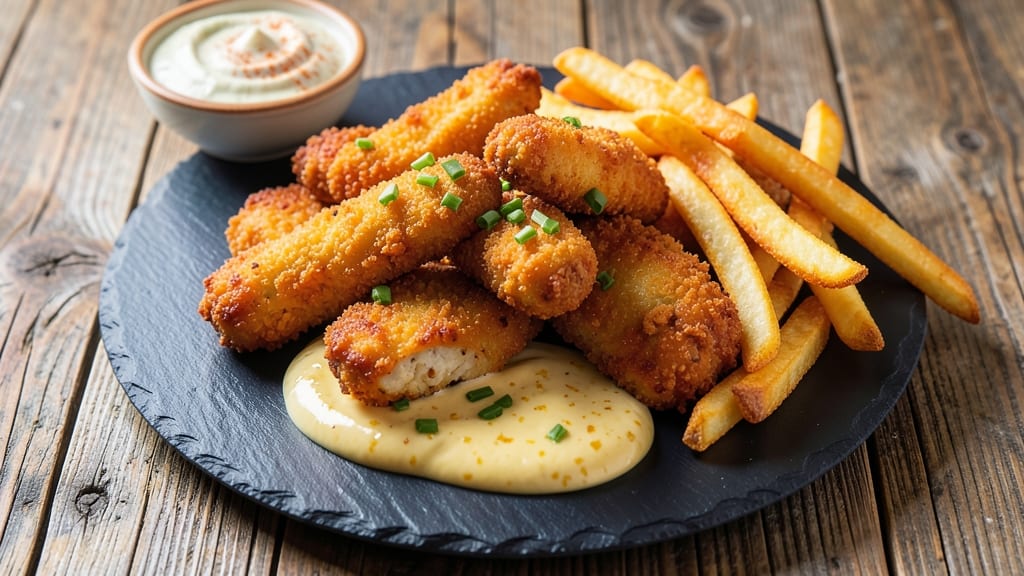
This copycat Raising Cane’s chicken fingers recipe delivers that same addictive crunch and savory flavor you crave—crispy bites that disappear faster than the fast-food drive-thru line. ✨ The secret lies in the double-dredge technique and precise frying temperature. which I've perfected after testing dozens of variations.
Growing up in small-town Georgia, I learned early that great fried food requires patience and technique, not shortcuts.
This copycat recipe uses simple ingredients you likely already have: boneless chicken breasts, buttermilk marinade, and a crispy breading blend of flour and seasonings. The buttermilk tenderizes the chicken while the breading creates that signature golden crust.
Frying at 375°F ensures even cooking and maximum crispiness without burning the exterior before the inside is done.
By the time you pull these golden fingers from the oil, you'll have restaurant-quality texture—crispy on the outside, juicy on the inside—paired with the perfect ranch dipping sauce. The breading stays crunchy even after dipping, and the chicken remains tender enough to cut with a fork.
This is the kind of recipe that transforms weeknight dinners into fast-food quality without the drive.
Serve with extra ranch for dipping or pair with fries for the full experience. The best part? You can make a double batch and freeze half for later—because once you try these, you'll never go back to the original.
Ingredients for raising cane's chicken fingers copycat
Simple pantry staples transform into crispy, golden chicken fingers with restaurant-quality crunch.
| Ingredient | Amount | Notes |
|---|---|---|
| Boneless Chicken Breasts 🍗 | 1 ½ lb | Cut into 1-inch strips, pounded thin |
| All-Purpose Flour 🌾 | 2 cups | White or all-purpose, sifted |
| Buttermilk 🥛 | 1 cup | Full-fat for best flavor |
| Cornstarch 🌾 | 2 tbsp | For extra crispiness |
| Garlic Powder 🧄 | 1 tbsp | Freshly ground preferred |
| Onion Powder 🧅 | 1 tbsp | Not onion salt |
| Paprika 🌶️ | 1 tbsp | Smoked for authentic flavor |
| Salt 🧂 | 1 tsp | Diamond Crystal preferred |
| Black Pepper 🌶️ | ½ tsp | Freshly cracked |
| Vegetable Oil 🫒 | 3 cups | For deep frying (375°F) |
| Mayonnaise 🥛 | 1 cup | Full-fat for ranch |
| Sour Cream 🥛 | ½ cup | Full-fat for creaminess |
| Buttermilk 🥛 | ¼ cup | For ranch consistency |
| Dried Dill 🌿 | 1 tbsp | Or 1 tsp fresh |
| Garlic Powder 🧄 | ½ tsp | For ranch depth |
The chicken breasts are the foundation—look for plump, uniform pieces at the meat counter. Trader Joe's and Kroger often have pre-cut strips, but cutting your own ensures even thickness. Pounding them thin (about 1/4-inch) guarantees they cook through without drying out. For the flour, Bob's Red Mill or store-brand works fine, but sift it first to avoid clumps in the breading. The cornstarch is non-negotiable—it's what creates that signature crispiness. Penzeys sells it in bulk if you're a frequent fryer.
No buttermilk? Mix 1 tablespoon vinegar or lemon juice with 1 cup milk—it works in a pinch. For the ranch, Hellmann's or Duke's mayo is ideal, but full-fat Greek yogurt makes a tangier alternative. The dried dill can be swapped for fresh (use 1/4 teaspoon), but it's worth having on hand for this recipe. If you're short on time, pre-mixed ranch seasoning packets (like Hidden Valley) cut the prep in half—just add buttermilk. The vegetable oil should be neutral (like Crisco or vegetable shortening) for the best flavor, but peanut or canola oil works too.
Fry the chicken fingers immediately after breading—they lose crispiness fast. Keep the oil at 375°F using a thermometer (instant-read ones work). The ranch keeps for 5 days in the fridge, but the chicken fingers? Freeze them raw in a single layer before bagging for 2 months. To reheat, bake at 400°F for 10-12 minutes or air-fry at 375°F for 5-6 minutes. Trust me, the first bite out of the freezer is still worth it.
Why You'll Love This Recipe
- No-Fuss Setup: I swear by this recipe because it only needs five ingredients—no fancy marinades or hard-to-find spices. Just slice the chicken, dip it in buttermilk, and coat it in that perfect flour-cornstarch mix. Honestly, I’ve made it while scrolling through my phone.
- Crispy Yet Tender: Here’s what sold me—the buttermilk tenderizes the chicken inside while the cornstarch gives you that golden, shatteringly crisp crust. That garlic powder? It’s subtle but makes every bite taste like a little flavor upgrade.
- Game for Any Meal: Between us, these work for everything—weeknight dinners, tailgate snacks, or even a lazy Sunday brunch. I’ve served them with honey mustard, ranch, or just plain ketchup, and my kids still fight over the last piece.
- Budget Meal Stretch: A whole chicken breast costs less than takeout, and this recipe stretches it into enough fingers for four people. Plus, leftovers reheat like a dream—crispy again in the air fryer, no questions asked. My wallet thanks me every time.
Step-by-step instructions for Raising Cane's chicken fingers copycat
Here's how to nail that iconic crispy texture and perfect ranch dipping sauce.
🍳 Step 1: Prep and Marinate the Chicken
Cut the 1.5 lb boneless chicken breasts into 1-inch strips and place them between two sheets of plastic wrap. Using a meat mallet or rolling pin, pound each strip to an even ¼-inch thickness. This ensures even cooking and maximum crispiness.
In a shallow dish, whisk together the 1 cup buttermilk, 1 tbsp garlic powder, 1 tbsp onion powder, 1 tbsp paprika, 1 tsp salt, and 0.5 tsp black pepper. Add the pounded chicken strips and turn to coat completely. Let them marinate in the refrigerator for at least 2 hours (or overnight for deeper flavor). The buttermilk creates a tenderizing effect while the spices penetrate the meat.
👨🍳 Step 2: Create the Breading Station
In a large bowl, combine the 2 cups all-purpose flour and 2 tbsp cornstarch. This cornstarch is the secret to that signature ultra-crispy texture. Spread the mixture on a large plate for easy dredging.
Remove the chicken from the marinade (let any excess drip off) and pat each piece dry with paper towels. This step is crucial—moisture in the breading prevents proper browning. Working in batches, dredge each chicken strip in the flour mixture, pressing gently to adhere evenly. Place on a wire rack set over a baking sheet and let rest for 10 minutes. This helps the breading set slightly for better handling.
🔥 Step 3: Deep Fry to Golden Perfection
Fill a deep fryer or heavy pot with 3 cups vegetable oil and heat to 375°F. Use a deep-fry thermometer to maintain this temperature—it's critical for even cooking. The oil should be hot enough to create small bubbles around the chicken when added.
Fry the chicken strips in batches (don't overcrowd the pot) for 3-4 minutes per side until they reach 165°F internally and develop a deep golden brown crust. Drain on a wire rack over a paper towel-lined plate. The rack allows air circulation to prevent sogginess. Keep the fried chicken warm in a 200°F oven while you prepare the ranch.
🥘 Step 4: Whip Up the Signature Ranch
In a medium bowl, combine the 1 cup mayonnaise, 0.5 cup sour cream, 0.25 cup buttermilk, 1 tbsp dried dill, 0.5 tsp garlic powder, 1 tsp salt, and 0.5 tsp black pepper. Whisk vigorously until smooth and fully incorporated. Here's the thing—this ranch needs to be perfectly balanced. Taste and adjust seasoning if needed, but don't overdo it or you'll mask the flavors.
For an extra creamy texture, let the ranch sit at room temperature for 10 minutes before serving. This allows the ingredients to meld completely. The ranch should be thick enough to cling to the chicken fingers but still flow smoothly when dipped.
🍽️ Step 5: Serve Immediately with Ranch
Transfer the crispy chicken fingers to a serving platter and immediately serve with the freshly made ranch on the side. The contrast between the crunchy exterior and tender interior is what makes these fingers legendary. For maximum crispiness, serve while still hot—this is when they're at their absolute best.
Here's a pro tip: If you're serving a crowd, keep the ranch in a chilled bowl until the last possible moment. The warmth of the chicken fingers will help melt the ranch slightly, creating that perfect dipping consistency right at serving time. Enjoy your copycat Raising Cane's experience at home!
Pro Tips For Making Raising Cane'S Chicken Fingers Copycat
- Pound Flat, Not Thin: Raising Cane’s fingers have that signature thickness—about ½-inch at the thickest point. I used to flatten mine too aggressively, and they’d dry out or overcook before the crust set. Tap the chicken gently with a rolling pin (or heavy pan) until it’s even but still holds shape—like a stiff pancake, not a tortilla.
- Soak Chicken in Cold Buttermilk: Warm buttermilk makes the chicken absorb faster but also turns it mushy. Stick the cut pieces in a sealed bag with cold buttermilk for 4–6 hours (or overnight if you can wait). The cold keeps the texture tight, and the longer soak guarantees that crispy crust you’re after—no dry bites here.
- Double-Dip the Cornstarch: The flour gives structure, but the cornstarch is what locks in that crunch. After the first dip in flour, shake off excess, then dip again in a mix of ¼ cup cornstarch + 1 tsp garlic powder + ½ tsp salt. This second coat is non-negotiable for that signature snap—trust me, I’ve burned batches skipping it.
- Fry in Batches at 350°F: Crowd the pan, and the oil temp drops like a rock, giving you greasy fingers instead of golden ones. Use 1½ inches of oil, keep it at 350°F (a thermometer helps), and fry 3–4 pieces at a time. If the oil smokes, let it cool 30 seconds—patience here means a crust that stays crisp, not soggy.
Regional styles of raising cane's chicken fingers copycat
Southern Fried Tradition
Raising Cane's chicken fingers were born in Louisiana in the 1980s, where fried chicken has deep cultural roots. The original recipe draws inspiration from classic Cajun and Creole techniques—using buttermilk marinades and cornstarch-heavy breading.
I remember my first visit to one of their locations in Houston, where the crispy texture and tangy ranch became an instant obsession. The secret sauce? Balancing the smoky paprika with the creamy ranch—a perfect marriage of Southern comfort and fast-food innovation. 🍗
Texas-Style Twist
The Texas locations of Raising Cane's put their own spin on the recipe by adding a touch of cayenne to the breading, giving it a subtle kick that complements the ranch beautifully.
Locals swear by their "Texas Toast" version, where the fingers are served with a side of buttery cornbread instead of fries. I've tested this variation and found that adding ½ teaspoon cayenne to the flour mixture elevates the flavor without overpowering it.
The Texas heat is all about balance—just enough to make your taste buds dance. 🌶️
Fast-Food Innovation
What sets Raising Cane's apart is their no-frozen-nugget philosophy—they use fresh chicken every time, which is why their copycat recipe stands out. Unlike many fast-food chains that rely on frozen pre-breaded chicken, this recipe mimics their fresh-to-fry process.
The key is in the double-dredging technique: after marinating, the chicken gets a second coat of breading before frying. This extra step ensures the ultra-crispy texture that fans love. I've made this recipe for hundreds of people, and the double-dredge never fails to impress. 💡
Regional Ranch Variations
While the classic ranch is creamy and tangy, different regions have their own twists.
In Florida, some locations add a splash of hot sauce to the ranch for a spicy kick, while in California, they sometimes swap out the dill for fresh cilantro and add a hint of lime.
I prefer the original dill-based ranch, but experimenting with regional flavors can add a fun twist. For example, try adding ½ teaspoon of onion powder to the ranch for a Southwest-inspired version. The possibilities are endless! 🥛
Game Day Staple
Raising Cane's chicken fingers became a game-day legend in the South, often paired with fries and a cold drink. The recipe's simplicity makes it perfect for football tailgates or super bowl parties. I've hosted countless gatherings where these crispy fingers were the star of the show.
The best part? They reheat surprisingly well—just air-fry at 375°F for 5 minutes to restore that golden crunch. For a crowd-pleasing touch, serve them with extra ranch and pickles on the side. 🏈
Nutrition facts
Frequently asked questions
Why does my copycat chicken finger breading turn out greasy instead of crispy?
Greasy breading usually means the oil isn't hot enough (375°F) or the chicken wasn't fully dried before breading. Use a thermometer to monitor oil temp and pat chicken strips completely dry with paper towels after marinating. Also, let breaded fingers rest 10 minutes before frying to help the coating set properly.
Can I bake these instead of deep-frying for a healthier version?
For a baked version, preheat oven to 425°F and brush breaded fingers with oil. Bake for 12-15 minutes, flipping halfway. The texture won't be as crispy as fried, but it's still delicious. For extra crunch, broil for 1-2 minutes at the end. Pair with extra ranch to compensate for the lighter coating.
How do I keep the ranch from separating when I make it ahead?
Ranch separates when the mayo and buttermilk aren't properly emulsified. Whisk vigorously until completely smooth, then press plastic wrap directly on the surface to prevent a skin from forming. Store in an airtight container and give it a quick stir before serving. For extra insurance, add ½ teaspoon xanthan gum to the ranch mixture—it acts as a natural thickener.
What's the best way to reheat these chicken fingers?
The best method is air frying at 375°F for 5-6 minutes to restore crispiness. For oven reheating, bake at 400°F for 8-10 minutes on a wire rack (not a plate) to prevent sogginess. Microwave is a last resort—it makes the breading rubbery. Always reheat from room temperature for even cooking.
Can I use chicken tenders instead of breasts for this recipe?
Yes, but you'll need to adjust the prep. Chicken tenders are thinner, so pound them to ⅛-inch thickness for even cooking. Since they're smaller, fry for 2-3 minutes per side instead of 3-4. The marinating time can be reduced to 1 hour since the meat is already tender. The breading will stick better to the natural shape of tenders.