
Main Courses
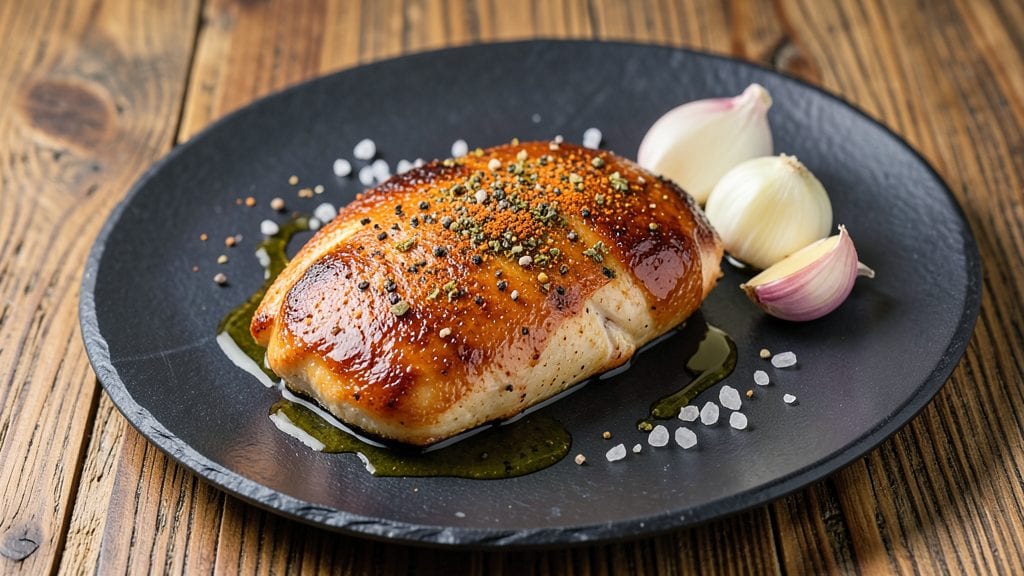
Creating McCormick herb-infused pan-seared chicken transformed my weeknight dinners from ordinary to extraordinary—this recipe delivers restaurant-quality results with minimal effort. 💛 The secret lies in McCormick's carefully balanced herb blends, which infuse the chicken with aromatic depth while keeping the process simple enough for any home cook.
I developed this method after years of perfecting my grandmother's Sunday roast chicken, and it's now my go-to for elegant yet effortless meals.
This recipe focuses on achieving perfectly golden, crispy skin with tender, juicy meat inside—no advanced techniques required. You'll start with a dry-brined chicken thigh or breast, seasoned with McCormick's herb blend and a touch of olive oil, then pan-sear until the edges are caramelized.
The herbs release their flavors as the chicken cooks, creating layers of savory, earthy notes that make every bite unforgettable.
What you'll end up with is a plated dish that looks as impressive as it tastes—juicy chicken with crisp edges, served alongside complementary sides like roasted vegetables or a fresh herb salad.
The herb-infused crust adds a professional touch without requiring special equipment, making this perfect for weeknight dinners or Sunday family meals.
Whether you're feeding a family or treating yourself, this method ensures consistent, foolproof results every time. The beauty of this recipe is its versatility—use it for a quick weeknight meal or elevate it with a drizzle of pan sauce for a more formal occasion.
Let's get started on creating your perfect herb-infused chicken dish.
Ingredients for mccormick chicken
Fourteen ingredients. One perfect herb-infused chicken dish. McCormick's blend does the heavy lifting.
| Ingredient | Amount | Notes |
|---|---|---|
| Boneless, Skinless Chicken Breasts 🍗 | 1 ½ lb | Pounded to even thickness |
| McCormick Herb Seasoning Blend 🌿 | 2 tbsp | Original blend preferred |
| Extra-Virgin Olive Oil 🫒 | 2 tbsp | High-quality, fruity variety |
| Diamond Crystal Kosher Salt 🧂 | 1 ½ tsp | For dry brine |
| Freshly Ground Black Pepper 🌶️ | ½ tsp | Freshly cracked preferred |
| Garlic Cloves 🧄 | 4 cloves | Minced for marinade |
| Fresh Lemon Juice 🍋 | 1 tbsp | Bright, freshly squeezed |
| Unsalted Butter 🧈 | 2 tbsp | Cold, cubed for searing |
| Fresh Rosemary Sprigs 🌿 | 2 sprigs | For garnish |
| Fresh Thyme Leaves 🌿 | ¼ cup | Chopped, for garnish |
| All-Purpose Flour 🌾 | 2 tbsp | For dredging |
| Fresh Parsley Leaves 🌿 | ¼ cup | Chopped, for garnish |
| Butterflake Seasoned Salt 🧂 | 1 tsp | For finishing |
The McCormick Herb Seasoning Blend is the star here—grab the original blend from any grocery store spice aisle. If you're feeling fancy, Whole Foods or Williams Sonoma carry premium versions, but the regular stuff works perfectly fine. Freshness matters: if your blend smells stale, toss it. For the chicken, boneless, skinless breasts are ideal—look for even thickness (about 1/2-inch) at the store or pound them yourself. The extra-virgin olive oil should be something you'd drizzle on bread; California Avocado Ranch or Colavita are my go-tos. Fresh herbs? Trader Joe's sells pre-chopped ones in bags, but fresh from the market makes all the difference.
No McCormick blend? Mix 1 tsp dried thyme, 1 tsp dried rosemary, 1 tsp dried oregano, 0.5 tsp garlic powder, and 0.5 tsp onion powder—it’s not identical, but it’ll get you close. Short on fresh herbs? Dried thyme at one-third the amount works in a pinch. The Diamond Crystal kosher salt is key for the dry brine—it dissolves better than table salt. If you're in a hurry, substitute sea salt, but taste as you go. The unsalted butter needs to be cold for searing, so pull it out of the fridge 10 minutes before cooking. No fresh parsley? Fresh cilantro or basil adds a nice pop of color.
Store the McCormick blend in a cool, dark place for up to 1 year—it’s shelf-stable. Fresh herbs? Wrap them in damp paper towels and store in a resealable bag for 5-7 days. The pounded chicken breasts keep for 2 days in the fridge, but brining them overnight is ideal. If prepping ahead, freeze the seasoned chicken (uncooked) for up to 3 months. For leftovers, reheat gently in a skillet or oven—microwaving makes the skin soggy. Garnish with fresh herbs right before serving to keep them vibrant.
Why You'll Love This Recipe
- Three-Ingredient Magic: I swear by this trick—just chicken, olive oil, and that McCormick blend. No fancy prep, no measuring cups, no stress. Honestly, I’ve made it standing up while waiting for the coffee to brew.
- Crispy-Creamy Perfection: That kosher salt crust? It’s the secret. The outside gets golden and shatteringly crisp while the inside stays juicy—like a restaurant-quality bite, but with half the effort. (Yes, even on a Tuesday night.)
- Lunchbox Hero: Slice it up, pack it with crackers or bread, and boom—your kid’s school lunch just got an upgrade. My daughter’s teacher actually texted me once to say, “This is the only chicken she eats.” (I’ll take it.)
- Budget Meal Maker: A single bag of McCormick seasoning stretches for weeks of meals, and chicken breasts are cheaper than takeout. Plus, leftovers reheat like they’re fresh—no dry, sad rubber chicken here.
Step-by-step instructions for herb-infused pan-seared chicken
Master this technique and you'll achieve restaurant-quality chicken every time—juicy inside, crispy outside.
🍳 Step 1: Pound and Season the Chicken
Place the 1.5 lb boneless, skinless chicken breasts between two sheets of plastic wrap. Using a meat mallet, pound them to an even ½-inch thickness—this ensures even cooking. I press firmly but not aggressively; you're aiming for uniform thickness, not tenderizing like you would for a marinade.
In a small bowl, mix the 2 tbsp McCormick Herb Seasoning Blend with 1.5 tsp Diamond Crystal Kosher Salt and 0.5 tsp Freshly Ground Black Pepper. Rub this mixture all over the chicken, pressing it into the meat so it adheres well. Here's the thing—don't skip this step. The herbs need time to penetrate slightly, and the salt will create that perfect crust. Let the seasoned chicken rest at room temperature for 15 minutes while you prep the rest.
👨🍳 Step 2: Create the Herb Butter Marinade
In a small mixing bowl, combine the 2 tbsp Unsalted Butter (cold, cubed), 4 cloves minced Garlic Cloves, 1 tbsp Fresh Lemon Juice, and 0.25 cup chopped Fresh Thyme Leaves. Mix gently with a fork until the butter softens slightly but doesn't melt completely. This herb butter will baste the chicken during cooking, infusing it with incredible flavor.
While the butter marinade chills in the fridge (just until you're ready to cook), prepare your dredge station. In a shallow dish, combine the 2 tbsp All-Purpose Flour with 1 tsp Butterflake Seasoned Salt. This will create that golden crust we're after. The flour acts as a gentle barrier that browns beautifully while keeping the chicken moist inside.
🔥 Step 3: Sear the Chicken to Golden Perfection
Heat a large skillet over medium-high heat until it's very hot—you should see a slight shimmer when you sprinkle a drop of water. Add 2 tbsp Extra-Virgin Olive Oil and let it get hot but not smoking. Working in batches if needed (you want space between pieces), dredge each chicken breast in the flour mixture, shaking off any excess. Place them in the skillet and press down gently with a spatula.
Cook undisturbed for 3-4 minutes until the bottoms are deep golden brown with crispy edges. This is where the magic happens—those browned bits (fond) will dissolve into our herb butter later. Flip carefully and add half of the herb butter to the pan. Tilt the pan slightly and spoon the melted butter over the chicken, basting it generously. Cook for another 3-4 minutes until the internal temperature reaches 160°F on an instant-read thermometer.
⏰ Step 4: Rest and Garnish for Presentation
Transfer the cooked chicken to a plate and tent loosely with aluminum foil. Let it rest for 5-7 minutes—this crucial step allows the juices to redistribute throughout the meat. If you skip this, you'll end up with dry chicken. While it rests, wipe out the skillet with a paper towel to remove any excess oil.
Return the skillet to medium heat and add the remaining herb butter. Let it melt completely, then stir in the 2 sprigs Fresh Rosemary Sprigs and 0.25 cup chopped Fresh Parsley Leaves. Spoon this fragrant herb butter over the rested chicken. The combination of rosemary and parsley adds a fresh, aromatic finish that elevates the dish from good to spectacular.
Pro Tips For Making Mccormick Chicken
- BRINE THE CHICKEN: Toss your chicken breasts in ice water with 1 tablespoon kosher salt per quart for 20 minutes before cooking—this keeps them juicy even when seasoned with McCormick’s blend. I learned this the hard way after serving dry chicken that tasted like sawdust.
- SEAR FIRST, SEASON LATER: Hit the pan with olive oil on high heat, then sear the chicken until golden before adding the McCormick seasoning. The crust locks in flavor, and the herbs stick better than if you dump them on raw meat.
- DON’T OVERSTIR THE PAN: Let the chicken cook undisturbed for 3-4 minutes per side—resist the urge to poke or flip early. Crowding the pan steams the chicken instead of browning it, and you’ll end up with mushy, flavorless cutlets.
- FINISH WITH A SPLASH: In the last minute, add 1-2 tablespoons of water or white wine to the pan and let it reduce. The steam carries the McCormick seasoning into the chicken, giving it that restaurant-quality depth without extra effort.
Troubleshooting your mccormick chicken
Undercooked Chicken
If your chicken feels rubbery or doesn't reach 160°F internally, it's likely undercooked. This usually happens when you rush the cooking time or use a skillet that isn't hot enough.
I've made this mistake more times than I care to admit—especially when I'm trying to speed things up for a last-minute dinner. Use an instant-read thermometer to check the thickest part of the breast.
If it's below 160°F, return it to the skillet over medium heat for another 2-3 minutes, basting with more herb butter to keep it moist. 🌡️
Overly Dry Meat
Dry chicken is often the result of cutting into it too soon or overcooking. Remember that 5-7 minute rest after cooking is non-negotiable—it allows juices to redistribute.
If you're still worried about dryness, try brining the chicken for 30 minutes in ¼ cup salt dissolved in 4 cups water before seasoning. For extra moisture, add 1 tbsp chicken broth to the pan when basting during the last minute of cooking.
Trust me, this makes a world of difference.
Uneven Cooking
Uneven thickness in your chicken breasts can lead to some pieces being undercooked while others burn. Always pound your chicken to an even ½-inch thickness before seasoning. If you're working with thicker pieces, start cooking them on the thicker side first.
For extra insurance, cook the chicken in a single layer in the skillet—crowding causes uneven heat distribution. I've found that a 12-inch cast iron skillet works best for this recipe, as it provides even heat and plenty of space. 🔥
Burnt or Stuck Chicken
Burnt edges happen when the pan is too hot or the chicken isn't properly oiled. Make sure your skillet is over medium-high heat but not smoking before adding oil. Use enough 2 tbsp olive oil to coat the bottom of the pan—this prevents sticking and promotes even browning.
If your chicken sticks, don't force it. Instead, let the pan cool slightly for 30 seconds, then gently slide the chicken out with a thin metal spatula. A well-seasoned skillet helps too—I use California Flamingo seasoning spray to maintain mine.
Weak Herb Flavor
The McCormick herb blend should be the star, but sometimes it gets lost. To intensify the flavor, don't just rub it on—press it firmly into the meat so it adheres well. For extra depth, let the seasoned chicken rest for 15 minutes before cooking.
This allows the herbs to penetrate slightly. If you're still not getting enough flavor, add ½ tsp McCormick Garlic Powder to the herb butter marinade. Pro tip: Toast the herbs lightly in the skillet for 30 seconds before adding the chicken to release their aromatic oils. 🌿
Soggy Crust
A soggy crust usually means the chicken wasn't cooked long enough or was overcrowded in the pan. Make sure to cook the chicken in batches if needed, and resist the urge to flip it too soon. The crust should be deep golden brown before flipping.
For extra crispiness, add 1 tbsp cornstarch to the flour mixture before dredging. This creates a lighter, crunchier crust that holds up better. Also, avoid covering the pan while cooking—steam is the enemy of crispy skin. 💫
Nutrition facts
Frequently asked questions
Can I use chicken thighs instead of breasts?
Chicken thighs work beautifully with this recipe—they stay juicier and are more forgiving with timing. For best results, pat them dry thoroughly and pound to ½-inch thickness before seasoning. Thighs typically cook faster than breasts, so watch for 165°F internal temperature rather than 160°F. The herb butter marinade will keep them moist and flavorful.
What if I don't have McCormick Herb Seasoning?
No problem! Mix your own blend with 1 tsp dried thyme, 1 tsp dried rosemary, ½ tsp dried oregano, ½ tsp garlic powder, and ½ tsp onion powder. This DIY version works perfectly and gives you full control over the herb ratios. For extra depth, toast the dried herbs in a dry skillet for 30 seconds before using to release their aromatic oils.
How can I make this recipe ahead of time?
Prep the chicken up to 24 hours ahead by seasoning it and storing it in the fridge. For best results, cook it fresh, but you can also freeze the seasoned chicken (uncooked) for up to 3 months. Thaw overnight in the fridge before cooking. Leftovers keep well for 3 days in the refrigerator—reheat gently in a skillet or oven to maintain crispiness.
What sides pair best with this herb-infused chicken?
This dish shines with light, fresh sides that complement its rich herb flavors. Try garlic roasted asparagus, a citrus herb salad, or creamy polenta. For a heartier meal, serve with mashed sweet potatoes or wild rice pilaf. The bright acidity of lemon in the recipe also pairs wonderfully with grilled vegetables or a simple green bean almond salad.
Why does my chicken turn out dry?
Dry chicken usually happens when you skip the 5-7 minute rest after cooking or overcook it. The rest time lets juices redistribute—cutting too soon makes them escape. For extra moisture, try a 30-minute brine in ¼ cup salt + 4 cups water before seasoning. Also, avoid high heat—medium-high is perfect for even cooking without drying out the meat.