Main Courses
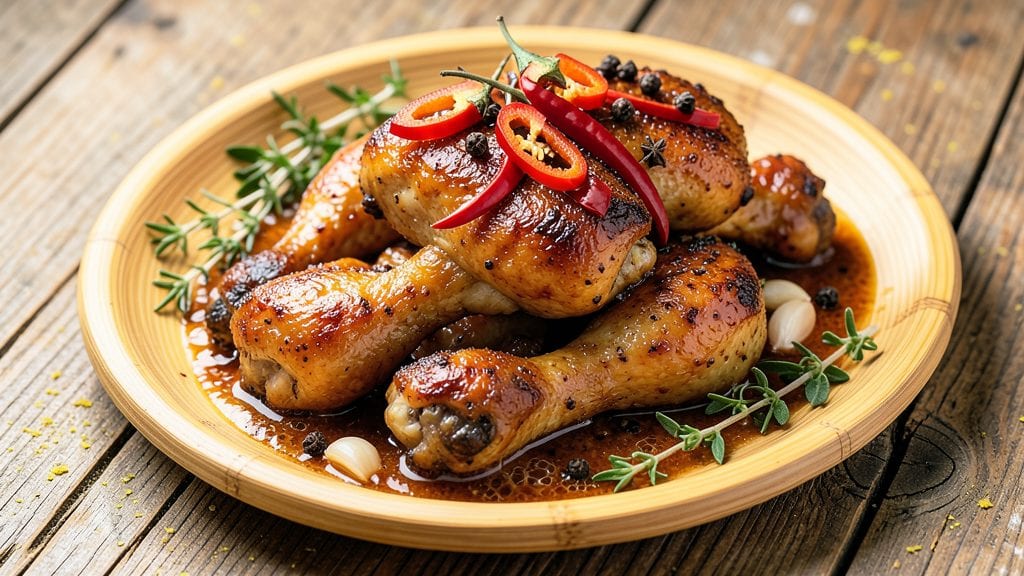
Mastering McCormick Caribbean Jerk Seasoning transforms ordinary chicken into a bold Jamaican masterpiece with charred, crispy skin and layers of smoky-spicy flavor. 🌟 Growing up in Georgia, I learned how the right seasoning blend could turn simple proteins into unforgettable centerpieces—this recipe takes that principle to the next level with authentic jerk techniques.
The secret lies in marinating the chicken overnight, allowing the jerk seasoning to penetrate deeply while developing complex flavors. We'll grill or roast until the skin achieves that perfect charred crispiness, balancing heat with tender meat inside.
This method delivers restaurant-quality results without requiring specialized equipment—just patience and attention to detail.
What you'll achieve is chicken so flavorful it becomes the star of any meal, with crispy edges that shatter at every bite and juicy centers infused with Caribbean warmth.
The aromatic blend of allspice, thyme, and Scotch bonnet peppers creates a signature taste that transports you to Jamaica with every forkful.
Pair with steamed rice, coconut coleslaw, or fried plantains for the full experience. Let's bring the bold flavors of the Caribbean to your table with this professional technique that's foolproof once you master the timing. Here's how to make it perfect every time.
Ingredients for mccormick caribbean jerk seasoning chicken
Bold Caribbean flavors meet crispy perfection with these 14 essential ingredients.
| Ingredient | Amount | Notes |
|---|---|---|
| Boneless, Skinless Chicken Thighs 🍗 | 1 ½ lb | Evenly sized for consistent cooking |
| McCormick Caribbean Jerk Seasoning 🌶️ | 3 tbsp | For marinade and coating |
| Fresh Allspice Berries 🌿 | 1 tsp | Crushed lightly for authentic flavor |
| Fresh Thyme Leaves 🍃 | ½ cup | Stems removed for brightness |
| Scotch Bonnet Peppers 🌶️ | 1 whole | Seeds removed for moderate heat |
| Garlic Cloves 🧄 | 4 cloves | Minced for deep flavor infusion |
| Extra-Virgin Olive Oil 🫒 | ½ cup | High-quality for marinade |
| Brown Sugar 🍚 | 2 tbsp | For caramelized crust |
| Lime Juice 🍋 | ¼ cup | Freshly squeezed for acidity |
| Salt 🧂 | 1 ½ tsp | Diamond Crystal kosher preferred |
| Black Peppercorns 🌶️ | ½ tsp | Freshly cracked for heat |
| Honey 🍯 | 1 tbsp | For sticky, crispy skin |
| Fresh Ginger 🌿 | 1 tbsp | Grated for zesty kick |
| Cayenne Pepper 🔥 | ½ tsp | Adjust for desired heat level |
The chicken thighs are non-negotiable—bone-in, skin-on for that signature crispy skin, but boneless works if you're short on time. Trader Joe's and Costco often have the best prices for bulk packs. Look for thighs with good marbling and vibrant color—pale or grayish meat is a red flag. The McCormick seasoning is your base, but Penzeys or bulk spice bins add depth. For the Scotch bonnet, Latin markets usually carry them fresh—if you can't find them, habanero or serrano work in a pinch (use half the amount).
No Scotch bonnet? Habanero or serrano peppers (half the quantity) bring similar heat, though less fruity depth. Fresh thyme is ideal, but dried works at one-third the amount. The allspice berries are key—ground allspice lacks complexity, so crush them lightly with a mortar and pestle if possible. For the marinade, substitute lime juice with lemon if needed, but the acidity balance shifts. The honey and brown sugar combo creates that signature caramelized crust—don't skip it for that restaurant-quality crunch.
Marinate the chicken overnight for maximum flavor penetration. Store the raw marinade in a sealed container in the fridge for up to 2 days. The cooked chicken reheats beautifully—450°F for 10 minutes restores crispiness. Portion leftovers into airtight containers with a paper towel on top to absorb moisture. Keeps for 3 days refrigerated or 3 months frozen. For serving, let it rest 5-10 minutes before cutting—juices redistribute for perfect tenderness.
Why You'll Love This Recipe
- One-Pan Magic: I swear by this recipe when I’m too tired to scrub pots—just toss the chicken thighs with the jerk seasoning, allspice, and thyme on a sheet pan, and let the oven do the work. The Scotch bonnet peppers add heat without extra mess, and cleanup is just a wipe-down.
- Flavor Bomb: Between us, that McCormick jerk seasoning is chef’s kiss—smoky, sweet, and spicy all at once. The fresh allspice and thyme make it taste like a Jamaican roadside stand, but I’ll admit, I usually double the seasoning because one packet isn’t enough.
- Leftovers That Shine: This chicken stays moist and packed with flavor for days, so I make a big batch and use it in wraps, salads, or even over rice. Honestly, the second-day taste is even better—like the spices had more time to marry.
- Budget-Friendly Fire: Chicken thighs are cheaper than breasts, and the jerk seasoning stretches far. I’ll be real: I’ve stretched one packet to season two batches, and it still delivers that bold, island-inspired kick without breaking the bank.
Step-by-step instructions for Jamaican jerk chicken with charred crispy skin
Here's how to transform simple chicken thighs into restaurant-quality jerk chicken with that signature charred crust.
🍳 Step 1: Create the Jerk Marinade with Authentic Depth
In a food processor, combine the 0.5 cup fresh thyme leaves, 1 tsp crushed fresh allspice berries, 4 cloves minced garlic, 1 tbsp grated fresh ginger, 0.5 tsp cayenne pepper, 0.5 tsp freshly cracked black peppercorns, 2 tbsp brown sugar, and 1.5 tsp salt. Pulse until finely ground but not pasty.
Transfer this spice blend to a mixing bowl and whisk in the 3 tbsp McCormick Caribbean jerk seasoning, 0.5 cup extra-virgin olive oil, 0.25 cup lime juice, and 1 tbsp honey. The mixture should be thick but pourable. Here's the thing—this marinade needs time to work its magic. Add the 1.5 lb boneless, skinless chicken thighs and coat thoroughly, pressing the marinade into the meat. Cover and refrigerate for at least 4 hours, but overnight is ideal for maximum flavor penetration.
🔥 Step 2: Build the Charred Crust with Direct Heat
Remove the chicken from the marinade (reserve the marinade for basting) and pat dry with paper towels. This drying step is crucial—it creates that perfect charred crust. Preheat your grill or grill pan to high heat (about 450°F) and let it sear for 5 minutes to create a hot cooking surface.
Place the chicken thighs on the grill, skin-side down. Press down gently with a metal spatula for the first 30 seconds to ensure full contact with the hot surface. You'll know it's ready when the skin develops deep charred spots and the edges begin to curl. Flip the chicken and grill for another 3-4 minutes per side until the internal temperature reaches 165°F. The skin should be blackened in places with crispy edges—this is what we're after.
🍳 Step 3: Finish with Smoky Basting and Resting
Transfer the charred chicken to a plate and tent loosely with foil. Pour the reserved marinade into the hot grill pan and scrape up all those delicious browned bits from the bottom. Let this reduce by half over 2-3 minutes on high heat, stirring constantly. This concentrated marinade will become your finishing sauce.
Brush the reduced marinade generously over the chicken, letting it soak in for 1 minute. Here's where it gets good—return the chicken to the grill for 1-2 minutes to let the sauce caramelize slightly. The chicken is done when it reaches 170°F internally and the skin is crispy in places with charred spots. Let it rest for 5 minutes before serving—this ensures juicy meat with that perfect crispy crust.
Pro Tips For Making Mccormick Caribbean Jerk Seasoning Chicken
- CRANK THE HEAT FIRST: Jerk seasoning needs high heat to caramelize properly—start your pan screaming hot before adding oil. I used to play it safe with medium-high, and the flavors never quite stuck like they do when the oil shimmers the second it hits the pan. For chicken thighs, this also helps render fat faster, so you’re not swimming in grease later.
- TOAST THE WHOLE SPICE: Crush those fresh allspice berries and thyme leaves after lightly toasting them in the dry pan for 30 seconds. Sounds weird, but it works—it deepens their aroma and prevents them from turning bitter. (Yes, even if you’re impatient like me.) Skip this, and your jerk sauce will taste more like medicine than Caribbean magic.
- DON’T SKIP THE MARINATE: At least 30 minutes—overnight if you’re not in a rush—lets the jerk seasoning penetrate the chicken. I learned this the hard way after serving dry, flavorless thighs because I rushed. Pat the chicken thoroughly dry first, then slather it in a mix of 2 tablespoons jerk seasoning, 1 tablespoon oil, and a splash of lime juice. (Your future self will thank you.)
- USE A PEPPER BAG: Scotch bonnet peppers pack serious heat, and handling them raw is a pain. Tear open a small sandwich bag, drop the pepper in, and crush it with your fist—no knife required. This also keeps your hands from getting irritated while you’re prepping the rest of the dish. (Does it look weird? Yes. Does it work? Every single time.)
Essential equipment for this recipe
Grill Master Tools
For authentic jerk chicken, a cast-iron grill pan (like my Lodge 12-inch) is your best friend—it retains heat perfectly and creates those signature charred spots. If grilling outdoors, a propane grill with adjustable vents (I swear by Weber Original Kettle) gives you precise temperature control.
For those without grills, a heavy-duty stainless steel grill pan (like Cuisinart Chef's Classic) works wonders on stovetop burners. 🔥
Marinating Essentials
Your marinade needs a food processor or mortar and pestle to crush allspice berries and garlic properly—I use my Cuisinart Mini-Prep Plus for convenience. A large glass bowl (like Pyrex 8-cup) keeps marinades fresh in the fridge, and quart-sized freezer bags (from Ziploc) are perfect for overnight marinating.
For measuring, a digital kitchen scale (my OXO Good Grips) ensures precision with spices and liquids.
Temperature Control
No jerk chicken is complete without a meat thermometer—I trust the ThermoWorks Smoke for accuracy. It tracks internal temps while you grill, preventing overcooking. For smoky flavor, a charcoal chimney starter (like Kamado Joe) lets you control heat zones perfectly.
If using gas, a grill thermometer (attached to the lid) helps maintain that 450°F sear temperature critical for crispy skin. 🌡️
Finishing Touches
After grilling, you'll want tongs with silicone grips (my OXO Good Grips) to handle hot chicken safely. A small whisk (like Cuisinart Stainless Steel) helps reduce the marinade into a glossy sauce.
For serving, wooden cutting boards (I love John Boos walnut) protect your countertops while keeping the presentation rustic. Don't forget lime wedges and fresh cilantro—they elevate the dish instantly.
Backup Options
No grill? No problem. A broiler pan (like All-Clad Stainless Steel) works in a hurry, while a deep skillet (my All-Clad 12-inch) handles smaller batches beautifully. For extra smokiness, add wood chips (apple or hickory) to your grill or stovetop setup—I use Traeger wood chips for consistent flavor.
A heat-resistant spatula (like Mercer Culinary Genesis) helps flip chicken without tearing the skin. 💪
Nutrition facts
Frequently asked questions
Can I use boneless, skinless chicken breasts instead of thighs?
Chicken breasts work, but thighs are ideal for this recipe. The higher fat content in thighs keeps the meat juicy while the skin crisps perfectly. If using breasts, poke holes with a fork and marinate for at least 6 hours (not overnight) to prevent dryness. Cook at 375°F instead of 450°F to avoid overcooking.
How can I make this less spicy for kids or sensitive eaters?
Reduce the cayenne pepper to ¼ tsp and omit the Scotch bonnet entirely. For extra mildness, mix half the jerk seasoning with 1 tsp paprika before applying. Serve with plain rice and mild coleslaw to balance the flavors without overwhelming them.
What's the best way to reheat leftover jerk chicken?
Reheat in a 450°F oven for 10-12 minutes on a wire rack over a baking sheet to restore crispiness. For stovetop, use a skillet on medium-high heat for 2-3 minutes per side—just enough to warm through without drying. Avoid microwaving; it turns the skin soggy.
Can I substitute McCormick's jerk seasoning with homemade?
Blend 1 tbsp each of ground allspice, thyme, and paprika with 1 tsp each of garlic powder, onion powder, and brown sugar. Add ½ tsp cayenne for heat. This homemade mix works 1:1 with the recipe, but lacks the depth of McCormick's proprietary blend.
Why did my chicken skin turn rubbery instead of crispy?
Overcooking or not drying the chicken properly causes rubbery skin. Always pat chicken very dry before grilling and use high heat (450°F). If using a grill pan, avoid overcrowding—cook in batches if needed. For oven versions, broil for just 3-4 minutes on high.