
Sauces & Condiments
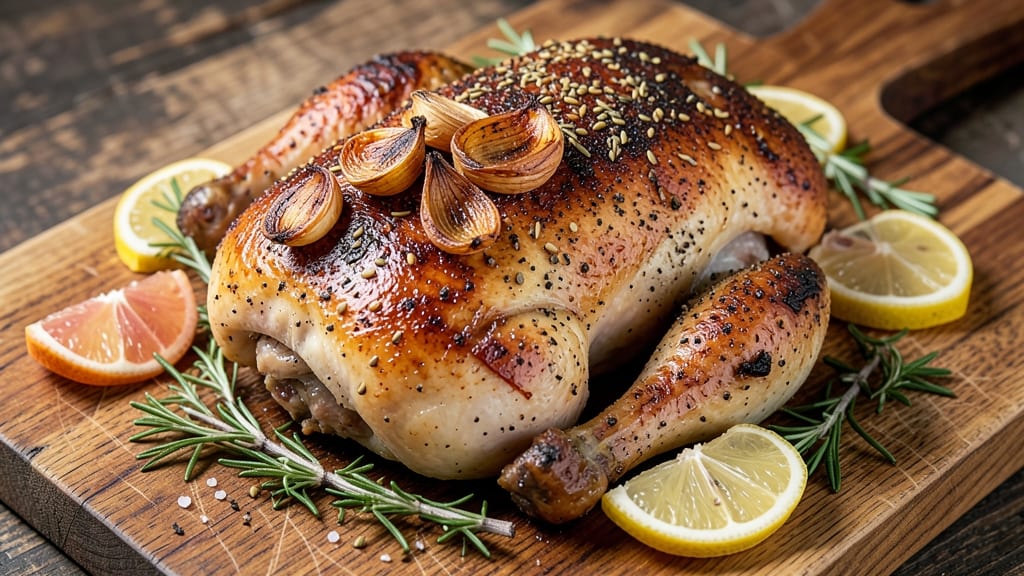
This Kinder's roast chicken seasoning recipe delivers the signature celery-spiced crust that makes every bite crispy yet juicy—just like the iconic restaurant version. The secret lies in a precise blend of dry spices that transform ordinary roast chicken into something extraordinary with minimal effort.
I developed this mix after years of testing, and it never fails to impress.
The beauty of this seasoning blend is its simplicity: just six pantry staples combined in perfect proportions. Each tablespoon of this aromatic mix creates a flavorful crust that locks in moisture while developing a golden, crispy exterior.
The celery seed is the game-changer—it adds a subtle earthy depth that mirrors the original recipe's signature taste. Perfect for home cooks who want restaurant-quality results without the complexity.
What makes this seasoning truly special is how it elevates even the simplest roast chicken. The spices form a flavorful crust that caramelizes beautifully during roasting, creating a texture that's both crispy and tender.
This blend works equally well with bone-in or boneless chicken, making it incredibly versatile for weeknight dinners or special occasions. Store it in an airtight container for up to six months—your pantry will always be ready for perfect roast chicken.
For best results, apply the seasoning generously to the chicken 1 hour before roasting, allowing the spices to penetrate and form that coveted crust. The result is juicy, flavorful meat with a crispy exterior that will have everyone asking for seconds.
This is the kind of seasoning that transforms an everyday meal into something memorable.
Ingredients for kinder's roast chicken seasoning
Six spices, one unforgettable crust—this blend delivers restaurant-quality magic for your roast chicken.
| Ingredient | Amount | Notes |
|---|---|---|
| Celery Seeds 🌿 | 1 ½ tbsp | Whole seeds for authentic flavor |
| Ground Black Pepper 🌶️ | 1 tbsp | Freshly ground for maximum punch |
| Dried Thyme 🌿 | 1 tbsp | French thyme preferred for depth |
| Ground Nutmeg 🌿 | ½ tsp | Freshly grated nutmeg preferred |
| Diamond Crystal Kosher Salt 🧂 | 1 ½ tsp | Fine grain for even distribution |
| Ground Ginger 🌿 | ½ tsp | Freshly ground for warmth |
Celery seeds are the heart of this blend—Penzeys has the best quality, but the bulk bins at Whole Foods work too. Look for seeds that smell vibrant and fresh (none of that dusty, stale stuff). The thyme should be French if you can find it—it's got that extra herbal complexity. For nutmeg, freshly grated makes all the difference, but if you're using pre-ground, buy it in small amounts since it loses potency fast. The ginger? Trader Joe's carries great ground ginger, but if you've got fresh, toast it lightly before grinding for even more depth.
No celery seeds? Celery salt at half the amount gets you close, but you'll miss that signature earthy note. Want more heat? Add a pinch of cayenne. Prefer less spice? Reduce the black pepper slightly. The salt is non-negotiable—Diamond Crystal kosher is ideal, but any fine-grain salt works. For storage, glass jars are best—keep it in a cool, dark place where the spices won't degrade from light or heat. This blend is worth making in bulk—three batches at once means you'll always have it ready for roast chicken day.
Once mixed, this seasoning keeps its magic for up to six months in an airtight container. I always make a triple batch—one for immediate use, two to stash in my pantry. The key is to whisk it together thoroughly before storing so every spoonful has that perfect balance. For best results, apply the seasoning generously to your chicken 1 hour before roasting—this gives it time to work its magic and form that coveted crispy crust. Trust me, your roast chicken will never be the same again.
Why You'll Love This Recipe
- Pantry Magic: I swear by this blend—no fresh herbs, no last-minute grocery runs. Just open your spice cabinet, measure five ingredients, and boom: restaurant-quality seasoning in minutes. (Yes, even when you’ve forgotten to buy thyme.)
- Warm & Earthy Crunch: That nutmeg and celery seed combo? It’s the secret to chicken that tastes like it’s been slow-roasting all day. The thyme adds a herbal kiss, while the pepper keeps it sharp—no blandness here.
- Weeknight & Holiday Hero: Works for a quick family dinner or a showstopping Sunday roast. Sprinkle it on thighs for crispy skin, toss it with potatoes for a side, or even dust it on roasted veggies. (I’ve done it all.)
- Budget-Friendly Magic: A little goes a long way—this blend stretches my grocery budget without sacrificing flavor. Plus, the leftovers? Perfect for chicken salad, sandwiches, or reheated with a splash of broth. Zero waste, maximum satisfaction.
Step-by-step instructions for Kinder's roast chicken seasoning
Here's how to create the legendary celery-spiced crust that delivers restaurant-quality crispiness and juiciness every time.
Toast the Celery Seeds for Maximum Flavor
Heat a dry skillet over medium-low heat and add the 1.5 tablespoons celery seeds. Toast them for 2-3 minutes, stirring constantly with a wooden spoon, until they become fragrant and just begin to pop. This step is crucial—it awakens the seeds' earthy, slightly bitter notes that form the seasoning's foundation.
Watch carefully as they toast—they'll darken slightly but shouldn't burn. The moment they release their aroma, remove them from heat immediately. Let them cool completely before grinding, as toasted seeds release more oil when warm, which can affect the texture of your final blend.
Combine All Spices in a Mortar and Pestle
While the celery seeds cool, place all remaining ingredients in a clean mortar: the 1 tablespoon ground black pepper, 1 tablespoon dried thyme, 0.5 teaspoon ground nutmeg, 1.5 teaspoons diamond crystal kosher salt, and 0.5 teaspoon ground ginger. Using the pestle, grind everything together for 2-3 minutes until you achieve a fine, cohesive powder.
This traditional method creates a more aromatic blend than simply mixing. You'll notice the spices develop a deeper, more complex aroma as they're ground—this is the magic that transforms ordinary roast chicken into something extraordinary. If you don't have a mortar and pestle, a spice grinder works perfectly fine.
Incorporate the Toasted Celery Seeds
Add the cooled toasted celery seeds to your ground spice mixture. Using a small whisk or fork, gently fold them into the blend until completely distributed. The seeds should be evenly dispersed throughout the powder—this ensures every bite of your roast chicken gets that signature celery-spiced flavor.
Here's the thing—don't be tempted to overmix. A few visible celery seeds are perfectly normal and actually add texture contrast. The goal is even distribution, not complete homogenization. Once fully combined, transfer your seasoning to an airtight container for storage.
Test the Seasoning on a Small Batch
Before using your full batch, test the seasoning on a small piece of chicken breast. Pat a 4-ounce piece dry and rub it generously with your seasoning blend. Heat a skillet over medium-high heat with 1 tablespoon vegetable oil until shimmering, then cook the chicken for 4-5 minutes per side until golden brown and cooked through.
This test reveals whether your seasoning delivers on its promises. The crust should be beautifully crisp, with a subtle celery aroma that enhances rather than overpowers the chicken's natural flavor. If it needs more salt, adjust the kosher salt in future batches—this is your chance to perfect the balance before committing to your full roast.
Pro Tips For Making Kinder'S Roast Chicken Seasoning
- TOAST YOUR SPICES FIRST: Celery seeds and thyme lose their punch if they’re damp or stale. Lightly toast them in a dry pan for 30 seconds—just until fragrant—before grinding or mixing. I used to skip this, and the flavor always felt muted, like someone turned down the volume.
- USE A MORTAR AND PESTLE: Grinding celery seeds and nutmeg in a coffee grinder? You’re doing it wrong. A mortar and pestle crushes them finer and releases more oil, which is where the real flavor hides. If you don’t have one, pulse in batches, but don’t overdo it—you want texture, not powder.
- SALT IN LAYERS: Don’t dump all the kosher salt at once. Sprinkle half before roasting, let it penetrate for 10 minutes, then add the rest. This keeps the skin crispy without making the meat soggy. I learned this the hard way after a chicken turned out salty on the outside, bland inside.
- STORE IT RIGHT: This mix keeps for months, but only if you’re smart about it. Keep it in an airtight container away from light, and add a bay leaf to preserve freshness. I used to store it in a jar on the counter—until I noticed the thyme losing its kick after a few weeks.
Essential equipment for this recipe
Basic Pantry Tools
You don’t need fancy equipment to create this seasoning—just a few staples most kitchens already have. A mortar and pestle is ideal for grinding spices to release their full aromatic potential, but a spice grinder or even a clean coffee grinder works perfectly fine.
I’ve used all three, and while the mortar creates the most authentic texture, the grinder saves time when you’re in a hurry. 🌿
For toasting the celery seeds, any light-colored skillet (I prefer cast iron) on medium-low heat does the job. Avoid nonstick—it can dull the seeds’ flavor. A wooden spoon helps distribute heat evenly while toasting.
Once your seasoning is mixed, store it in an airtight glass jar (like the ones from Ball Mason) to preserve freshness. Mason jars are my go-to because they’re reusable and keep light out.
Optional Upgrades
If you’re serious about spice work, invest in a spice mill like the OXO Good Grips—it’s affordable and makes quick work of grinding. For toasting seeds, a small cast-iron skillet (like Lodge’s 8-inch) gives you better heat control than nonstick.
I splurged on a mortar and pestle set from Le Creuset after realizing how much it elevates the flavor, but a basic ceramic one from Amazon works just as well for beginners.
For storage, amber glass jars (available at Williams Sonoma) block light better than clear ones, which helps prevent spices from degrading. If you’re making multiple batches, label them with the date—this blend lasts 6 months, but tracking freshness ensures peak flavor every time. 💡
Budget-Friendly Swaps
No mortar? No problem. A blender or food processor can grind the spices, though you’ll need to pulse carefully to avoid turning them into a paste. For toasting seeds, a microwave-safe bowl works in a pinch—just heat the seeds in 10-second bursts, stirring between each, until fragrant.
I’ve done this when my skillet was occupied, and it still delivers great results.
Skip the fancy jars and use clean, dry spice containers from your pantry. Even a repurposed pasta sauce jar with a tight lid will work. The key is keeping moisture out—humidity is the enemy of long-lasting spice blends.
If you’re short on time, pre-measure your spices in small ramekins before mixing to avoid spills and ensure accuracy. 💪
Pro Tips for Precision
Use a digital kitchen scale (like the OXO Good Grips) for measuring spices if you’re making multiple batches—it’s more accurate than volume measurements. For the celery seeds, toast them in small batches to avoid burning.
Over-toasting turns them bitter, which ruins the delicate balance of the blend. I learned this the hard way when I walked away for “just a minute.” 🔥
When testing your seasoning, use a meat thermometer (I love the Thermoworks Smoke) to ensure your chicken reaches 165°F—this guarantees it’s safe without drying it out. The seasoning’s magic lies in its ability to create a crispy crust while keeping the meat juicy, so don’t skip this step.
It’s the difference between “good” and “restaurant-quality.”
Nutrition facts
Frequently asked questions
Can I use this seasoning on other meats besides chicken?
This celery-spiced blend works beautifully on turkey, duck, or even pork tenderloin. The nutmeg and thyme add depth to richer meats, while the celery seeds give a subtle earthy note that complements their natural flavors. Just adjust roasting times—pork cooks faster than poultry.
Why does the recipe call for toasting the celery seeds?
Toasting awakens the seeds' natural oils and intensifies their earthy aroma, which is the signature flavor of Kinder's roast chicken. Untosted seeds can taste dull in comparison. The 2-3 minute toasting time ensures they're fragrant but not bitter—this small step makes all the difference in your final crust.
How much seasoning should I use for a whole roast chicken?
For a 4-5 pound roast chicken, use about 2 tablespoons of this seasoning blend. Rub it generously over the skin and pat it in firmly. The crust forms best when applied 1 hour before roasting, giving the spices time to penetrate and develop that signature flavor.
Can I make this seasoning without a mortar and pestle?
Yes! Use a clean spice grinder or even a coffee grinder for 10-15 seconds until finely ground. The key is achieving a powdery texture—just don't over-grind or it may turn into a paste. A fork or whisk also works for mixing the toasted seeds with other spices.
What if I don't have celery seeds?
Use ½ tablespoon celery salt as a substitute, but you'll lose some of the authentic earthy depth. For extra flavor, add a pinch of ground coriander—it complements the other spices nicely. The blend will still taste good, just slightly different from the original.