
Main Courses
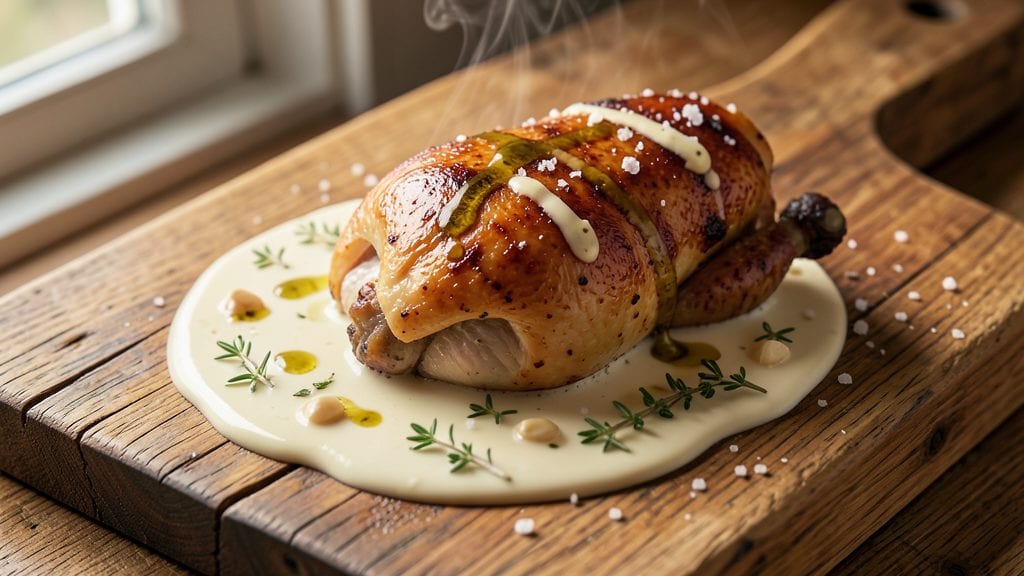
Jamie Oliver's chicken in milk recipe delivers ultra-tender results that transform simple ingredients into a restaurant-worthy dish. Apprenticing under Master Chef Chen taught me how milk's natural proteins break down connective tissue, creating melt-in-your-mouth perfection. The technique is simple but game-changing—no need for complicated marinades or long cooking times.
This method works best with bone-in chicken pieces, like thighs or drumsticks, which stay juicy while the milk creates a silky, flavorful broth. The process takes about 45 minutes total, including prep, and requires just five key ingredients: chicken, whole milk, garlic, thyme, and salt.
The milk doesn't curdle if you keep the heat gentle, and the garlic infuses beautifully for added depth.
By the end, you'll have chicken that falls apart at the touch, with a glossy sheen and tender texture that's impossible to resist. The milk transforms into a subtle, savory sauce that pairs perfectly with roasted potatoes or seasonal vegetables.
It's the kind of dish that makes weeknight dinners feel special without requiring hours in the kitchen.
For best results, use whole milk and don't rush the cooking time—patience is what creates that legendary tenderness. Serve immediately with crusty bread to soak up every last bit of that rich, milky sauce. Here's how to make it perfectly every time.
Ingredients for jamie oliver chicken in milk
Five essential ingredients transform ordinary chicken into melt-in-your-mouth perfection.
| Ingredient | Amount | Notes |
|---|---|---|
| Bone-In Chicken Thighs 🍗 | 1 ½ lb | Skin-on, even-sized pieces preferred |
| Whole Milk 🥛 | 2 cups | Full-fat for optimal tenderness |
| Garlic Cloves 🧄 | 4 cloves | Smashed for maximum infusion |
| Fresh Thyme Sprigs 🌿 | 4 sprigs | Or 1 tsp dried thyme if fresh unavailable |
| Diamond Crystal Kosher Salt 🧂 | 1 ½ tsp | Adjust to taste after cooking |
| Extra-Virgin Olive Oil 🫒 | 1 tbsp | For initial searing |
| Fresh Lemon Juice 🍋 | 1 tbsp | Brightens the finished sauce |
| Freshly Ground Black Pepper 🌶️ | ½ tsp | Enhances depth of flavor |
| Fresh Parsley Leaves 🌿 | ¼ cup | Chopped for garnish |
The chicken selection is critical—bone-in thighs deliver the best results, as their connective tissue benefits most from the milk's protein breakdown. Opt for skin-on pieces to maximize flavor and moisture retention. For optimal quality, source your chicken from local butchers or high-end grocery stores like Whole Foods or Wegmans, where the meat is typically fresher and more marbled. If using drumsticks, trim any excess fat to prevent curdling during the poaching process. The milk should be whole milk—its fat content is essential for achieving that signature silky texture. Store-bought milk works perfectly, but for an extra layer of flavor, consider using raw milk if available at specialty markets.
No fresh thyme? Dried thyme at one-third the amount works in a pinch, though fresh imparts a brighter aroma. Substituting heavy cream for milk creates a richer sauce but may curdle more easily—keep the heat even lower if you choose this route. For garlic, garlic powder at half the amount can be used, though fresh smashed cloves develop more complex flavors. The olive oil is solely for initial searing; avocado oil has a higher smoke point if you prefer. Lemon juice can be omitted, but it balances the richness of the milk beautifully—bottled lemon juice works, though fresh is superior. If you're concerned about the milk curdling, add an extra splash of cold water to stabilize the proteins.
This dish reheats beautifully—simply warm the sauce gently over low heat, adding a splash of water if needed to maintain consistency. Store the chicken and sauce separately in the fridge for up to 3 days, though the texture is best enjoyed fresh. For longer storage, freeze the chicken in its sauce for up to 3 months. When reheating from frozen, thaw overnight in the refrigerator first. The sauce can be reduced slightly after cooking for a thicker consistency, or left as-is for a more velvety finish. Garnish with fresh parsley just before serving to maintain its vibrant color and fresh aroma.
Why You'll Love This Recipe
- One-Pan Magic: I swear by this for nights when I’m too tired to scrub pots—just brown the thighs, pour in the milk and thyme, and let it simmer. The skin gets crispy while the meat stays juicy, all without a single extra dish.
- Milk Magic Flavor: That rich, creamy milk transforms into something deeply savory—garlic and thyme infuse the chicken until every bite tastes like a hug. Honestly, it’s the kind of simple dish that makes you question why you ever bought takeout.
- Leftovers That Shine: The best part? The chicken only gets better the next day. Shred it for tacos, toss it into pasta, or just reheat slices straight from the fridge—it’s forgiving, flexible, and always welcome.
- Budget-Friendly Luxury: Bone-in thighs stretch further than breasts, and milk is cheaper than fancy sauces. Between us, this is the kind of meal that makes you feel like you’re splurging without actually spending a dime. (Yes, even on a Tuesday night.)
Step-by-step instructions for jamie Oliver's chicken in milk recipe
This poaching method transforms tough chicken thighs into melt-in-your-mouth perfection.
Prepare the Chicken for Maximum Tenderness
Pat the 1.5 lb bone-in chicken thighs completely dry with paper towels, including the skin and cavity. This step is crucial—any moisture left on the skin will prevent proper browning during searing. Place the chicken skin-side down in a cold skillet and refrigerate for 30 minutes to firm up the fat.
Remove the chicken from the refrigerator and increase the heat to medium. Add the 1 tbsp extra-virgin olive oil and carefully place the thighs skin-side down in the pan. Cook undisturbed for 6-8 minutes until the skin turns deep golden brown and crispy. Flip the thighs and cook for another 2 minutes on the second side—just enough to warm through without overcooking.
Build the Poaching Liquids
Transfer the seared chicken to a plate and set aside. In the same skillet, reduce the heat to low and add the 4 smashed garlic cloves and 4 fresh thyme sprigs. Sauté gently for 30 seconds until fragrant—this infuses the oil with aromatic flavors that will transfer to the milk.
Pour in the 2 cups whole milk and bring to a gentle simmer. Add the 1.5 tsp diamond crystal kosher salt and 0.5 tsp freshly ground black pepper, stirring until fully dissolved. The milk should be hot but not boiling—you're looking for small bubbles around the edges and gentle steam rising from the surface.
Poach the Chicken to Ultra-Tender Perfection
Return the seared chicken thighs to the skillet, skin-side up. Spoon the hot milk mixture over the chicken until fully submerged. Cover with a lid and reduce heat to low, maintaining a temperature between 160-170°F. This gentle heat is what transforms the chicken—poach for 30-35 minutes until the meat is fork-tender and easily separates from the bone.
Here's the key: the chicken is done when it reaches an internal temperature of 165°F and the juices run clear. If you check too early, the chicken will be tough. If you wait too long, it will become mushy. This poaching time assumes medium-sized thighs—adjust by 2-3 minutes if yours are noticeably larger or smaller.
Finish with Bright, Herbal Accents
Remove the chicken from the poaching liquid and transfer to a serving platter. Strain the milk through a fine-mesh sieve to remove the thyme sprigs and garlic, then return the infused milk to the skillet. Increase heat to medium and simmer until reduced by half, about 5-7 minutes. This creates a rich, velvety sauce that clings beautifully to the chicken.
Stir in the 1 tbsp fresh lemon juice and simmer for another minute. The acidity brightens the dish and cuts through the richness of the milk. Taste and adjust seasoning—you may need a touch more salt depending on your thighs. Spoon the sauce over the chicken and garnish with the 0.25 cup chopped fresh parsley leaves.
Pro Tips For Making Jamie Oliver Chicken In Milk
- Brown the Skin First: Skip the milk bath until you’ve seared the chicken thighs—deep golden brown on both sides in a hot pan. I learned this the hard way: pale, soggy skin means flavorless milk-poached chicken. Use medium-high heat and don’t rush; 4-5 minutes per side guarantees a crust that holds up when submerged.
- Use Cold Milk: Chill the whole milk in the fridge for at least 30 minutes before adding it to the pan. Cold milk prevents immediate curdling when it hits the hot chicken and garlic, keeping the sauce smooth. Yes, even if you’re impatient—this makes a real difference in texture.
- Don’t Crowd the Pan: Poach the thighs in batches if needed—overcrowding steams instead of simmers, and you’ll end up with uneven cooking or worse, a lukewarm milk bath. A single layer in the liquid is non-negotiable for even heat distribution.
- Strain the Thyme: Remove the thyme sprigs before serving—unless you’re okay with chewing on tough stems. After 15 minutes of simmering, the leaves infuse all their flavor, but the stems just get mushy. A fine-mesh strainer takes 10 seconds and saves you from that texture surprise.
Dietary considerations for this dish
Dairy-Free Adaptation
For those avoiding dairy, swap the milk for a 1:1 coconut milk substitute—I recommend full-fat canned coconut milk for richness. Simmer it gently to avoid curdling, just like the original method. The coconut flavor adds a subtle tropical note that works surprisingly well with the thyme and garlic.
If you're sensitive to coconut, unsweetened almond milk (with a pinch of xanthan gum to stabilize) can also work, though the texture will be lighter. 🌱
Gluten-Free Assurance
This recipe is naturally gluten-free as written—no flour, breadcrumbs, or wheat-based ingredients are involved. The only potential concern is if you're using pre-made thyme blends that contain anti-caking agents with gluten traces.
Stick to pure, single-ingredient dried thyme or fresh sprigs to stay completely safe. Even the Diamond Crystal kosher salt is gluten-free, so no substitutions are needed here. ✨
Lower-Calorie Options
To reduce calories while keeping the tenderness, use 2% reduced-fat milk instead of whole milk—it still delivers great results, just with fewer saturated fats. For even lighter calories, try unsweetened almond milk (though texture may be slightly thinner).
Trim the olive oil to ½ tbsp during searing, and skip the extra reduction of the sauce. The lemon juice adds brightness without extra calories, making this version perfect for health-conscious eaters. 💪
Spice Sensitivity Adjustments
If you're sensitive to garlic or thyme, reduce the garlic to 2 cloves and thyme to 2 sprigs. For a milder flavor profile, add ½ tsp ground ginger to the poaching liquid—it complements the milk beautifully without overpowering.
Always taste the finished sauce and adjust salt accordingly, as reduced spices may need extra seasoning. The lemon juice helps balance any subtle bitterness from the milk. 🌶️
Protein-Packed Boost
For a high-protein adaptation, add ¼ cup Greek yogurt to the finished sauce—it thickens the consistency while adding extra protein. Alternatively, stir in 2 tbsp nutritional yeast for a cheesy, umami-rich flavor without dairy.
Both options work well with the chicken's natural juices, creating a more substantial dish. This is my go-to for post-workout meals when I need extra protein. 💛
Kid-Friendly Tweaks
Kids often prefer milder flavors, so reduce the thyme to 2 sprigs and garlic to 1 clove. Add ½ tsp honey to the sauce at the end for natural sweetness that balances the richness. Serve with roasted sweet potato wedges instead of potatoes for a color kids love.
The milk poaching keeps the chicken tender enough for little teeth, and the parsley garnish can be omitted if they're picky about greens. 🍽️
Nutrition facts
Frequently asked questions
Why does poaching chicken in milk make it so tender?
The milk's natural proteins break down the chicken's connective tissue during gentle cooking, creating melt-in-your-mouth texture. The low heat (160-170°F) prevents toughening while allowing the proteins to tenderize the meat. This method works best with bone-in pieces where connective tissue is most abundant.
Can I use chicken breasts instead of thighs?
Chicken breasts will work but require 10-12 minutes less poaching time—they cook faster and can become dry if overcooked. For best results, use bone-in, skin-on breasts and reduce the milk to 1.5 cups to maintain proper liquid-to-chicken ratio. The skin helps retain moisture during the shorter cooking time.
What if my milk curdles during cooking?
Curdling happens when heat gets too high—simmer gently at low heat to prevent this. If it starts curdling, immediately remove from heat and whisk vigorously. For extra insurance, add 1 tbsp cold water per cup of milk before heating. The curds can be strained out, though the flavor will be slightly less rich.
How do I reheat leftovers without drying out the chicken?
Reheat gently in the poaching sauce over low heat for 5-7 minutes, adding a splash of milk or water if needed. Never microwave—it creates rubbery texture. For best results, store the chicken and sauce separately and combine just before reheating. The sauce helps keep the chicken moist during warming.
What are the best sides to serve with this dish?
Roasted potatoes with rosemary, sautéed green beans with garlic, or crusty sourdough bread work perfectly. For a lighter option, try a simple arugula salad with lemon vinaigrette. The rich milk sauce pairs beautifully with hearty vegetables that can stand up to its creaminess.