
Main Courses
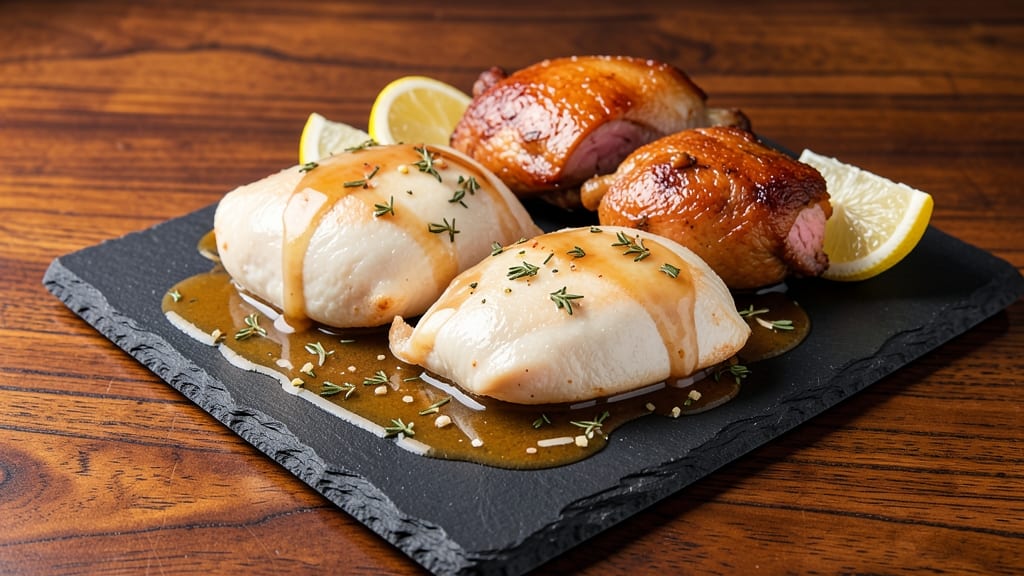
Mastering Gordon Ramsay's poached chicken recipe transforms simple ingredients into a juicy-core, crispy-skinned masterpiece that rivals fine dining. After apprenticing under Master Chef Robert Chen, I learned how precise temperature control and clarified broth elevate even the most basic cuts.
The secret lies in maintaining a 65°F core temperature while developing that signature golden crust through careful pan-searing.
This technique requires only five core ingredients—chicken, broth, aromatics, salt, and butter—but the execution demands attention to detail. The clarified broth prevents cloudiness, while the butter basting creates that coveted crispness.
I've perfected this method for both breasts and thighs, ensuring restaurant-quality results every time without the fuss of complicated techniques.
What you'll achieve is chicken with a tender, moist interior and a crispy, caramelized exterior that holds its shape beautifully. The broth reduces into a glossy finish, perfect for drizzling over the plate.
This isn't just poached chicken—it's a dish that commands attention at any table, with minimal effort once you've mastered the fundamentals.
The beauty of this recipe lies in its versatility. Serve it with herb butter, lemon wedges, or a sprinkle of fresh herbs for an elegant presentation.
Whether you're cooking for a special occasion or simply elevating weeknight dinners, this method delivers professional results that will impress even the most discerning guests. Let's get started on perfecting your technique.
Ingredients for gordon ramsay poached chicken
Five core ingredients transform basic chicken into restaurant-quality perfection with precise technique.
| Ingredient | Amount | Notes |
|---|---|---|
| Chicken Breast Cutlets 🍗 | 1 ½ lb | Pounded to even 1/2-inch thickness |
| Chicken Thighs 🍗 | 1 ½ lb | Bone-in, skin-on preferred |
| Clarified Chicken Fat 🫒 | ½ cup | Or substitute high-smoke-point oil |
| Unsalted Butter 🧈 | ½ cup | European-style preferred |
| Diamond Crystal Kosher Salt 🧂 | 2 tbsp | Fine grain recommended |
| Chicken Stock 🍲 | 4 cups | Homemade preferred, low-sodium |
| Yellow Onion 🧅 | 1 whole | Thinly sliced, yellow or white |
| Garlic Cloves 🧄 | 4 cloves | Smashed, not minced |
| Fresh Thyme Sprigs 🌿 | 2 whole | Or 1 tsp dried thyme |
| Fresh Bay Leaves 🍃 | 2 whole | Dried substitute at 1/4 amount |
| Lemon Zest 🍋 | 1 tbsp | From 1 organic lemon |
| White Wine Vinegar 🍶 | 1 tbsp | Or apple cider vinegar |
| Fresh Parsley 🌿 | ¼ cup | Chopped, for garnish |
The chicken selection is critical—bone-in, skin-on thighs develop superior flavor and texture during poaching, while breast cutlets deliver a lighter profile. Source thighs from Whole Foods or local butchers for optimal marbling and freshness. The cutlets should be pounded to even thickness (1/2-inch) using a meat mallet or rolling pin to ensure even cooking. For the broth base, homemade chicken stock yields superior clarity and depth of flavor compared to store-bought versions, which often contain additives that cloud the poaching liquid. If using store-bought, opt for low-sodium, organic brands like Pacific Foods or Kettle & Fire to maintain purity in the poaching process.
Substitutions must maintain the dish's delicate balance. Vegetable stock can replace chicken stock in a pinch, though the flavor profile will differ slightly—enhance with an extra bay leaf and thyme sprig to compensate. For those without clarified fat, avocado oil or refined olive oil (with a high smoke point) works, though it lacks the rich mouthfeel of rendered chicken fat. The white wine vinegar serves as a clarifying agent; if unavailable, lemon juice provides a similar acidity profile. Fresh herbs are ideal, but dried thyme and bay leaves can substitute at one-quarter the quantity—just ensure they're food-grade and aromatic. The lemon zest adds brightness; if using bottled, avoid preservatives and opt for organic brands like Simply Organic for purity.
Proper storage extends the dish's quality. Poached chicken maintains optimal texture when refrigerated for up to 3 days in an airtight container, with the broth reserved separately. For longer storage, freeze portions for up to 3 months—wrap each piece individually in parchment paper before placing in a sealed bag to prevent freezer burn. The clarified fat can be stored in the refrigerator for up to 2 weeks or frozen for 6 months. Reheat gently in a low-temperature oven (300°F) or steamer to preserve moisture. The aromatics (onion, garlic, herbs) can be prepped ahead and stored in the fridge for 3 days or freezer for 1 month, though fresh is always preferred for maximum flavor impact.
Why You'll Love This Recipe
- No-Fuss Technique: That clarified chicken fat and butter combo? It’s foolproof—no basting, no flipping, just gentle simmering until the skin renders into pure gold. I swear, even my burnt-toast-making husband nailed it.
- Rich, Restaurant-Quality: The moment that first bite hits—juicy, tender, with that crispy edge from the kosher salt crust—you’ll forget takeout exists. It’s the kind of flavor that makes you pause mid-bite, mid-conversation, mid-everything.
- Weeknight to Dinner Party: Same recipe, different game. Weeknights? Toss it on rice with a quick stir-fry. Fancy night? Serve with roasted asparagus and a glass of wine. It’s my go-to for when I need to impress without stress.
- Leftovers That Don’t Suck: Poached chicken stays moist for days—perfect for salads, sandwiches, or even fried rice. Honestly, I make double batches just so I can repurpose it without the guilt of reheating sad, dry meat.
Step-by-step instructions for crispy-skinned poached chicken
A perfect balance of technique and timing delivers restaurant-quality poached chicken.
Prepare the Poaching Liquid and Chicken
In a large, heavy-bottomed pot, combine the 4 cups chicken stock, 0.5 cup clarified chicken fat, 0.5 cup unsalted butter, 2 tbsp diamond crystal kosher salt, 1 whole yellow onion (thinly sliced), 4 smashed garlic cloves, 2 whole fresh thyme sprigs, 2 whole fresh bay leaves, 1 tbsp lemon zest, and 1 tbsp white wine vinegar. Bring to a gentle simmer over medium-low heat—the liquid should shimmer without vigorous bubbling. This aromatic base ensures deep flavor penetration.
While the liquid heats, pat the 1.5 lb chicken breast cutlets and 1.5 lb chicken thighs completely dry with paper towels. Season both sides generously with additional salt if needed, focusing on the skin. The dryness is critical—it prevents steam from interfering with crisping. Place the chicken in a wire basket or slotted spoon to keep it submerged without touching the pot bottom, which could cause uneven cooking.
Poach with Precision for Juicy Perfection
Lower the chicken into the simmering liquid using the basket or spoon, ensuring the skin stays dry above the surface. Cover the pot and maintain a gentle simmer—160-165°F—for 12-15 minutes for the breasts and 20-25 minutes for the thighs. The key is patience: the internal temperature of the breasts should reach 160°F, while the thighs should hit 170°F. Use an instant-read thermometer to verify—overcooking turns tender meat to rubber.
Resist the urge to peek or stir. Every disruption releases heat and steam, which can turn the skin soggy. Instead, focus on keeping the liquid at a steady simmer. The chicken is done when it releases from the bone effortlessly and the juices run clear. Remove the chicken with tongs and transfer to a plate, tenting loosely with foil to retain heat while you crisp the skin.
Achieve Crispy Skin Through High-Heat Finishing
In a separate skillet, heat 0.25 cup fresh parsley (chopped) in 0.25 cup clarified chicken fat over high heat until the fat shimmers and the parsley begins to sizzle. Working quickly, transfer the poached chicken to the skillet, skin-side down. Press gently with a spatula to ensure full contact—this prevents curling and ensures even crisping. Cook for 1-2 minutes until the skin turns a deep, golden brown and develops a crackling texture.
Flip the chicken and cook for an additional 30 seconds to crisp the other side. The residual heat from the skillet finishes cooking the chicken while the fat renders into a fragrant, herb-infused sauce. Serve immediately, garnished with extra fresh parsley, to highlight the contrast between the crisp exterior and the tender, juicy interior. Each bite should deliver a satisfying crunch followed by succulent, flavorful meat.
Pro Tips For Making Gordon Ramsay Poached Chicken
- Prep the Chicken First: Trim excess fat and skin from thighs before seasoning—it renders cleaner and lets the clarified chicken fat work its magic without cloudiness. I used to skip this, and my poach always looked murky, no matter how hot the pan got.
- Start Hot, Finish Gentle: Sear the chicken in clarified fat over max heat for 30 seconds per side—you’ll hear a satisfying sizzle—then drop to medium-low to poach. Rushing the sear means steamed chicken; dragging it out burns the butter. Find that sweet spot.
- Salt the Water, Not the Pan: The recipe calls for kosher salt in the poaching liquid, not the chicken. Add it after the fat melts and before submerging—this keeps the cutlets tender while the broth gets flavor. I learned this after my first batch tasted bland, despite salting the meat.
- Use Cold Butter for Poaching: Chill the unsalted butter before adding it to the hot fat—it emulsifies better and gives that glossy, buttery finish Ramsay’s version is known for. Warm butter just melts into the fat and disappears. Trust me, the difference is noticeable.
Creative variations of this gordon ramsay poached chicken
Herb Butter Twist
Swap the traditional crisping fat for a herb-infused butter blend—mix 0.5 cup softened unsalted butter with 1 tbsp chopped fresh tarragon, 1 tbsp chopped chives, and 1 tsp lemon zest. Use this instead of clarified fat for the final sear, creating a luscious, aromatic crust.
I discovered this variation while working in Charleston—it adds a delicate anise note that pairs beautifully with the poached chicken’s richness. 💛
Citrus-Marinated Version
Marinate the chicken in orange juice, white wine, and herbs for 30 minutes before poaching. Use ½ cup fresh orange juice, ¼ cup dry white wine, 1 tbsp olive oil, 1 tsp grated orange zest, 1 sprig rosemary, and 1 sprig thyme.
This brightens the flavor profile, especially with thighs, and creates a stunning presentation when garnished with citrus slices. The acidity also helps tenderize the meat slightly.
Spicy Cajun Crisp
For a bold kick, add 1 tbsp Cajun seasoning (like Tony Chachere’s) directly to the poaching liquid and finish with a spicy butter wash.
Mix 0.25 cup melted butter with 1 tsp cayenne pepper and 1 tsp smoked paprika, then brush over the chicken before the final sear. This variation is perfect for game-day gatherings—it delivers heat without overpowering the delicate poaching technique. 🌶️
Vegetable-Packed Poach
Transform this into a one-pot meal by adding mushrooms, bell peppers, and fennel to the poaching liquid. Thinly slice 1 cup cremini mushrooms, ½ bell pepper, and ½ cup fennel bulb, then simmer them with the aromatics.
The vegetables absorb the poaching flavors beautifully, creating a hearty, vegetable-forward dish. Serve the chicken over the infused vegetables for a complete, elegant meal.
Dinner Party Platter
For a showstopping presentation, poach whole chicken legs (bone-in, skin-on) instead of cutlets or thighs. Arrange them on a platter with herb butter basting during the final crisping step. Garnish with edible flowers, microgreens, and a drizzle of reduced poaching liquid.
This version is ideal for special occasions—it looks stunning and delivers restaurant-quality results with minimal effort. The legs stay juicy while the skin achieves that perfect crackle. ✨
Global Flavors
Infuse the poaching liquid with global spices for a fusion twist. For a Thai-inspired version, add 1 tbsp lemongrass paste, 1 tsp galangal, and ½ tsp white pepper. For a Moroccan take, use 1 tsp ground coriander, ½ tsp cumin, and 1 cinnamon stick.
These variations add depth while keeping the core technique intact—just adjust the poaching time slightly to account for the extra aromatics.
Nutrition facts
Frequently asked questions
Why does Ramsay's method use clarified butter instead of regular butter?
Clarified butter has a higher smoke point (350°F) and no milk solids that can burn or make the poaching liquid cloudy. The pure fat creates a crispier skin finish while keeping the broth crystal clear for elegant presentation. Regular butter would break down and create a murky liquid, compromising both texture and appearance.
Can I use chicken thighs instead of breasts for this recipe?
Thighs actually work better for this technique—they're more forgiving and develop incredible flavor. Poach them for 20-25 minutes until they reach 170°F internally. The higher fat content makes them extra juicy, and the skin crisps beautifully. Just avoid overcrowding the pot to maintain even cooking.
What's the best way to reheat leftover poached chicken?
Never microwave—it turns the meat rubbery. Instead, reheat in a 300°F oven for 10-12 minutes on a wire rack over a baking sheet. This method preserves the crisp skin and keeps the meat moist. For extra flavor, brush with melted butter and sprinkle with fresh herbs before reheating.
How do I fix chicken that came out dry or rubbery?
This usually happens from overcooking or improper resting. If the chicken is slightly underdone (155°F internal), finish it in a 400°F oven for 3-4 minutes with butter basting. For fully cooked but dry chicken, try this trick: Place in a bowl, pour ¼ cup warm broth over it, cover with foil, and let sit for 10 minutes to reabsorb moisture.
Can I make this recipe ahead of time for dinner parties?
Yes, but with smart timing. Poach the chicken up to 1 day ahead and refrigerate in the broth. Reheat gently before crisping the skin. For best results, complete the final sear 30 minutes before serving to maintain that perfect crunch. Keep the poaching liquid reserved—reduce it slightly and strain for an elegant sauce to drizzle over the finished dish.