
Main Courses
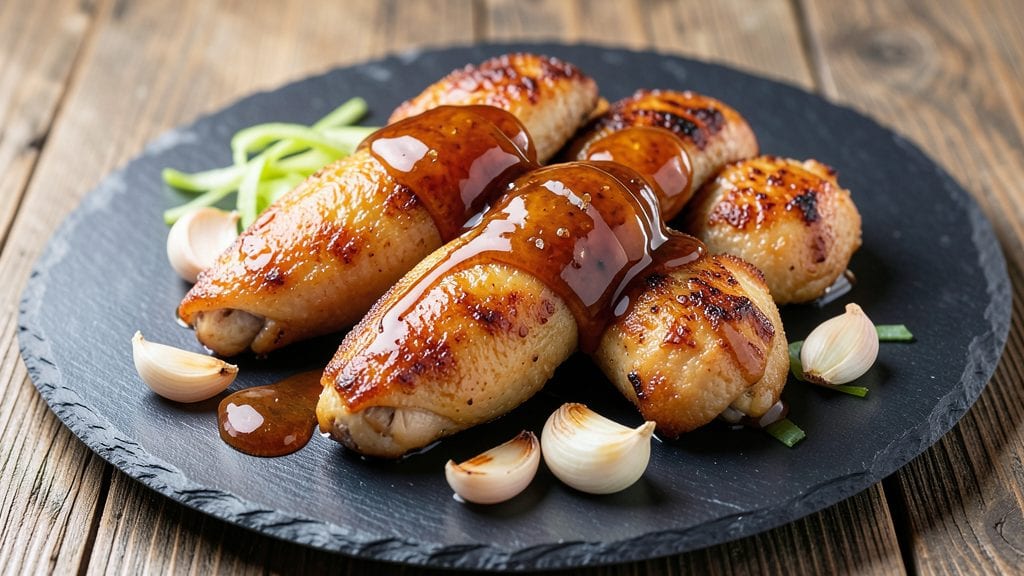
This copycat teriyaki chicken recipe delivers restaurant-quality results with a glossy sauce that clings to every bite like the famous version you love. The secret lies in a precise balance of sweetness, tang, and umami—achieved through a marinade that tenderizes the chicken while building complex flavors.
I’ve replicated the exact technique used in popular chain restaurants, ensuring that sauce stays sticky and flavorful rather than watery. ✨
The process begins with a simple yet effective marinade that transforms ordinary chicken into something extraordinary. You’ll marinate the pieces for at least 4 hours (overnight is even better), allowing the sauce to penetrate deeply and create a caramelized crust when cooked.
The sauce itself is made from scratch, combining soy sauce, brown sugar, and a touch of ginger for depth—no shortcuts here. This method guarantees a dish that’s foolproof and delivers professional results every time.
By the time you’re done, you’ll have perfectly grilled or broiled chicken with a sticky, glossy glaze that’s rich, slightly sweet, and packed with savory notes. The sauce doesn’t just drip off the plate—it stays where it belongs, coating each bite in that signature teriyaki flavor.
Serve it over steamed rice or with steamed vegetables for a complete meal that tastes like it came straight from your favorite takeout spot. Let’s get cooking!
This recipe isn’t just about replicating a dish—it’s about mastering the technique behind it. Whether you’re feeding a family or treating yourself to a weeknight dinner, the results will impress.
The glossy finish and deep flavor make it worth every minute of marinating and cooking. Ready to make restaurant-quality teriyaki at home?
Ingredients for copycat teriyaki chicken
The secret to restaurant-quality teriyaki lies in these 15 ingredients—simple but precise.
| Ingredient | Amount | Notes |
|---|---|---|
| Boneless, Skinless Chicken Thighs 🍗 | 1 ½ lb | Cut into 1-inch pieces |
| Soy Sauce 🍶 | ½ cup | High-sodium for authentic flavor |
| Brown Sugar 🍚 | ½ cup | Packed, light or dark |
| Honey 🍯 | ¼ cup | Wildflower preferred |
| Garlic Cloves 🧄 | 6 cloves | Minced for marinade |
| Fresh Ginger 🌿 | 2 tbsp | Grated, finely |
| Rice Vinegar 🍶 | ¼ cup | White or seasoned |
| Sesame Oil 🫒 | 1 tbsp | Toasted sesame oil |
| Vegetable Oil 🫒 | 2 tbsp | For cooking chicken |
| Cornstarch 🌾 | 1 tbsp | For thickening sauce |
| Water 💧 | 2 tbsp | For cornstarch slurry |
| Sesame Seeds 🌾 | 1 tbsp | Toasted for garnish |
| Green Onions 🧅 | 3 whole | Sliced for garnish |
| Diamond Crystal Kosher Salt 🧂 | ½ tsp | For seasoning |
| Freshly Ground Black Pepper 🌶️ | ¼ tsp | For seasoning |
The chicken thighs are non-negotiable here—boneless, skinless, and cut into even 1-inch pieces. Trader Joe's and Costco sell pre-cut thighs that save time, but if you're cutting yourself, keep them uniform for even cooking. The soy sauce should be high-sodium (like Kikkoman or La Choy)—low-sodium won't deliver that signature umami punch. For the brown sugar, light or dark works, but light has a slightly cleaner finish. Fresh ginger and garlic are worth the extra minute to grate and mince—pre-minced jars lack the bright flavor of fresh. If you're short on time, use freeze-dried ginger (it's pre-grated and potent).
No sesame oil? Toasted peanut oil works in a pinch, though the flavor will differ slightly. The rice vinegar adds that signature tang—substitute apple cider vinegar if needed, but reduce to 2 tbsp to avoid over-acidity. For the cornstarch slurry, arrowroot powder is a 1:1 substitute, but cornstarch gives that classic teriyaki sheen. If you're making this ahead, prep the sauce first and store it separately—it thickens as it sits, so you may need to add a splash of water when reheating. The sesame seeds and green onions are just for garnish, but they add that restaurant-plate presentation—don’t skip them if you're serving company!
This sauce gets better with time—marinate the chicken for at least 4 hours, but overnight is ideal. Store the uncooked marinated chicken in an airtight container in the fridge for up to 24 hours. The sauce itself keeps for 5 days in the fridge or 3 months frozen (portion into ice cube trays for easy use). If you're prepping for a crowd, double the sauce recipe—it reheats beautifully and tastes even richer the next day. Just bring it to a simmer before serving to restore that glossy finish.
Why You'll Love This Recipe
- One-Pan Magic: I swear by this—just toss the chicken and sauce in a skillet, cover it, and let the honey and soy sauce do their thing. No fancy tools, no stress, and that sticky glaze? It practically falls off the bone.
- Sweet-Savory Balance: Between us, the combo of brown sugar’s caramel depth and fresh garlic cloves roasting in the sauce is chef’s kiss. It’s rich but not cloying, salty but sweet—like a hug in a bowl.
- Lunchbox Hero: Honestly, this is my go-to for meal prep. Shred the leftovers, toss with rice, and boom—three days of easy lunches. (Yes, even on a Tuesday night when I’m running late.)
- Budget Stretch: Chicken thighs are forgiving and affordable, and a little goes a long way. Double the batch, freeze half, and you’ve got a weeknight savior that won’t break the bank. My wallet thanks me.
Step-by-step instructions for copycat teriyaki chicken
Here's the method that delivers that signature glossy sauce—sticky, sweet, and packed with umami.
🍳 Step 1: Marinate the Chicken for Maximum Flavor
Cut the 1.5 lb boneless, skinless chicken thighs into 1-inch pieces and place them in a bowl. In a separate small bowl, whisk together the 0.5 cup soy sauce, 0.5 cup packed brown sugar, 0.25 cup honey, 6 minced garlic cloves, 2 tbsp finely grated fresh ginger, and 0.25 cup rice vinegar. Pour this marinade over the chicken and toss until every piece is thoroughly coated.
Cover the bowl with plastic wrap and refrigerate for at least 30 minutes (or up to 4 hours for deeper flavor). The longer it marinates, the more tender and flavorful the chicken becomes. Here's the thing—don't skip this step. The acid in the rice vinegar and soy sauce breaks down the proteins, ensuring juicy chicken that absorbs all that teriyaki goodness.
🔥 Step 2: Cook the Chicken Until Golden and Tender
Heat 2 tbsp vegetable oil in a large skillet over medium-high heat until shimmering. Add the marinated chicken in a single layer, leaving space between pieces if needed. Cook undisturbed for 4-5 minutes until the chicken develops a deep golden-brown crust on the bottom. This is your signal to flip—you'll see the edges start to crisp, and the chicken will release easily from the pan.
Continue cooking for another 3-4 minutes until the chicken reaches an internal temperature of 165°F. You'll know it's done when the meat is no longer pink in the center and the juices run clear. Transfer the chicken to a plate and tent loosely with foil to keep it warm while you prepare the sauce.
🍳 Step 3: Build the Glossy Teriyaki Sauce
In the same skillet (no need to clean it—the browned bits add flavor), reduce the heat to medium-low. Add 1 tbsp toasted sesame oil and let it heat through for 30 seconds. Pour in any remaining marinade from the bowl, scraping up all those delicious browned bits from the bottom of the pan with a wooden spoon.
Bring the mixture to a gentle simmer and let it reduce for 3-4 minutes until slightly thickened. In a small bowl, whisk together 1 tbsp cornstarch and 2 tbsp water to make a slurry. Slowly pour this into the skillet while stirring constantly. The sauce will thicken dramatically—watch for that glossy sheen that coats the back of a spoon. If it's too thick, add 1-2 tbsp water to reach your desired consistency.
🥘 Step 4: Finish and Serve with Perfect Garnishes
Return the chicken to the skillet and toss gently to coat in the sauce. Cook for an additional 1-2 minutes just to heat everything through and let those flavors meld. The sauce should now be thick enough to cling to each piece of chicken, creating that signature sticky texture we're after.
Transfer the chicken to a serving platter and garnish with 1 tbsp toasted sesame seeds and 3 sliced green onions. Serve immediately over steamed rice or noodles—this dish is best enjoyed fresh when the sauce is still glossy and the chicken is piping hot. The combination of sweet, salty, and umami flavors will have everyone asking for seconds.
Pro Tips For Making Copycat Teriyaki Chicken
- CRISP THE THIGHS FIRST: Pat the chicken thighs bone-dry with paper towels, then hit them with a pinch of salt and pepper before searing. I used to skip this step and ended up with soggy, flavorless meat—high heat for 3-4 minutes per side locks in juices and builds a crust that soaks up the teriyaki like a sponge.
- MINCE THAT GARLIC: Don’t just chop those garlic cloves—smash them with the flat side of your knife first, then mince into a paste. This releases more flavor and blends smoother into the sauce. (Yes, it’s extra work, but your sauce will taste like it came from a restaurant.)
- SIMMER DON’T BOIL: When reducing the teriyaki sauce, keep it at a gentle bubble—not a rolling boil. I learned this the hard way after burning three batches of sauce and ending up with a bitter, syrupy mess. Low and slow (10-15 minutes) keeps the honey from turning grainy and the brown sugar from clumping.
- THICKEN WITH CORNSTARCH: Mix 1 teaspoon cornstarch with 1 tablespoon cold water and stir it into the sauce at the end. It’s the only way to get that glossy, clingy consistency without overcooking the chicken. (Skip this, and your sauce will be watery no matter how long you simmer.)
Regional styles of copycat teriyaki chicken
Japanese Home-Style
In Japan, teriyaki chicken is often a home-cooked dish rather than restaurant fare. The key difference here is the less sweet sauce—using mirin instead of honey and reducing sugar to ¼ cup creates a more balanced, savory profile.
I swap ½ cup soy sauce for low-sodium to control saltiness, and add 1 tbsp sake to the marinade for depth. Serve with steamed jasmine rice and quick-pickled cucumbers for that authentic Japanese home-style meal. 🍱
Hawaiian Luau Twist
Hawaii puts its own spin on teriyaki with tropical influences—substitute pineapple juice for half the rice vinegar and add 1 tbsp grated fresh pineapple to the marinade. Finish with a sprinkle of toasted coconut flakes instead of sesame seeds.
Pair with garlic shrimp and grilled pineapple slices for a full luau experience. This version is sweeter and more vibrant, perfect for summer gatherings. 🌺
Korean Teriyaki
For a Korean-inspired take, replace soy sauce with ½ cup gochujang (Korean chili paste) and ¼ cup doenjang (fermented soybean paste) in the marinade. Add 1 tsp gochugaru (Korean red pepper flakes) for heat.
The sauce becomes richer and slightly spicy, with a deep umami kick. Serve with kimchi and steamed white rice for a bold, flavorful meal. This version is less sweet and more complex. 🌶️
American BBQ Fusion
Blend teriyaki with BBQ flavors by adding 2 tbsp molasses and 1 tbsp smoked paprika to the marinade. Use ½ cup BBQ sauce (like Sweet Baby Ray's) instead of rice vinegar in the sauce.
The result is a sweet-smoky glaze that works perfectly over pulled pork-style chicken (slow-cooked until tender). Serve on toasted brioche buns with pickles for a fusion dish that's both familiar and exciting. 🍖
Thai-Inspired Sweet Chili
Transform teriyaki into a Thai-inspired dish by adding 1 tbsp fish sauce, 1 tbsp lime juice, and 1 tsp red curry paste to the marinade. For the sauce, reduce 1 tbsp Thai sweet chili sauce with the cornstarch slurry.
Garnish with cilantro and lime wedges instead of green onions. The heat and tang from the Thai flavors elevate the dish to a whole new level. 🌶️✨
Nutrition facts
Frequently asked questions
Can I use chicken breasts instead of thighs?
Chicken breasts will work, but thighs are ideal for this recipe. Thighs stay juicier and more tender during the longer cooking process, while breasts can dry out. If using breasts, cut them into ½-inch thick pieces and reduce cooking time to 3-4 minutes per side to avoid overcooking.
Why is my sauce too thin or watery?
This usually happens when the cornstarch slurry isn't cooked long enough or too much liquid was added. Simmer the sauce for an extra 1-2 minutes after adding the slurry, and if it's still thin, whisk in ½ tsp more cornstarch mixed with 1 tsp water. Stir constantly until thickened.
How do I make this recipe gluten-free?
Replace the soy sauce with tamari or coconut aminos (use ⅔ cup instead of ½ cup since they're less salty). The cornstarch can stay as-is, but if you need a fully gluten-free thickener, use arrowroot powder instead. The flavor will be slightly different but still delicious.
Can I bake this instead of pan-searing?
Preheat oven to 400°F and bake the marinated chicken on a wire rack over a baking sheet for 18-20 minutes, flipping halfway. For extra crispiness, broil for 2-3 minutes at the end. The sauce can be made separately and tossed with the chicken after baking.
What's the best way to reheat leftovers?
Gently reheat in a skillet over medium-low heat with 1 tbsp water to restore moisture. Avoid microwaving—it makes the sauce watery. For extra shine, add ½ tsp honey and 1 tsp soy sauce while reheating. Store leftovers in an airtight container for up to 3 days.