
Side Dishes
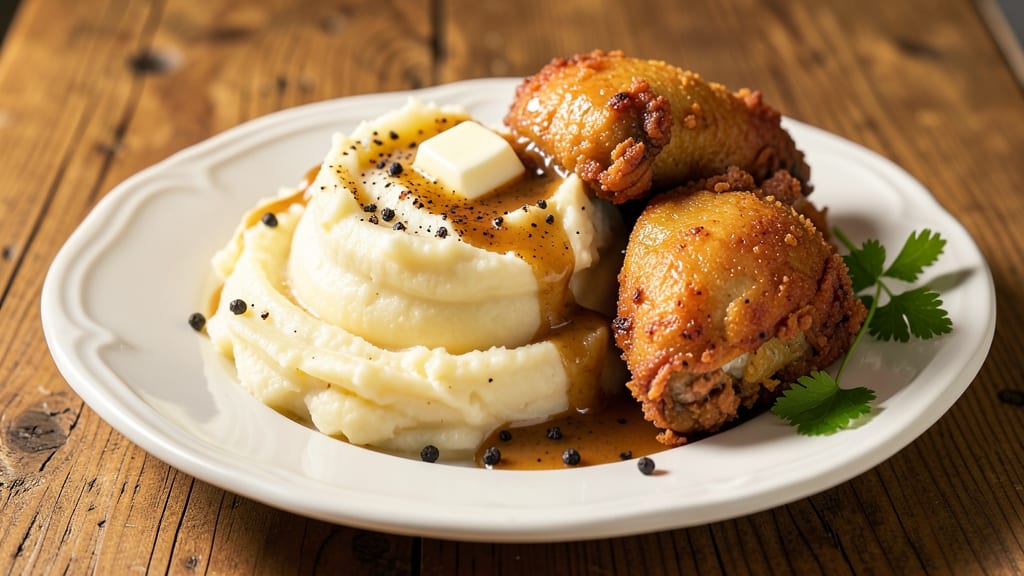
Church's Chicken Mashed Potatoes combine two Southern classics into one unforgettable meal—crispy buttermilk-brined chicken and velvety mashed potatoes topped with celery-crusted gravy. This recipe captures the essence of Church's famous fried chicken while transforming ordinary mashed potatoes into a restaurant-worthy side. The secret lies in the buttermilk brine, which keeps the chicken juicy and tender, paired with a creamy potato base that’s light yet rich.
Mastering this dish means perfecting the fried chicken’s texture—crispy on the outside, tender on the inside—while ensuring the mashed potatoes are smooth and buttery without a trace of gluey heaviness. The celery-crusted gravy adds a Southern touch, elevating the dish from comfort food to showstopper.
With precise timing and a few key techniques, you’ll achieve results that taste like they came straight from Atlanta’s most beloved fried chicken spot.
What makes this recipe stand out is the harmony between the components: the chicken’s savory crunch contrasts beautifully with the potatoes’ creamy smoothness, while the gravy ties everything together.
The buttermilk brine not only tenderizes the chicken but also adds a subtle tang that balances the richness of the fried coating. For those who love Southern comfort food, this is the ultimate one-bowl meal that delivers restaurant-quality flavor at home.
Serve this dish family-style, letting everyone dig in for crispy chicken, fluffy potatoes, and that irresistible gravy. The combination is hearty enough for a main course but elegant enough for a dinner party. Here’s how to bring this Southern classic to your table with professional precision and home-cooked warmth.
Ingredients for church's chicken mashed potatoes
Buttermilk-brined chicken, velvety potatoes, and celery-crusted gravy—just 15 ingredients for Southern perfection.
| Ingredient | Amount | Notes |
|---|---|---|
| Russet Potatoes 🥔 | 2 lbs | Yukon gold or red potatoes work too |
| Unsalted Butter 🧈 | ½ cup | Cold, cubed for best texture |
| Whole Milk 🥛 | ½ cup | Full-fat for creaminess |
| Heavy Cream 🥛 | ¼ cup | Full-fat for optimal richness |
| Large Chicken Breasts 🍗 | 1 ½ lbs | Boneless, skinless, pounded even |
| Buttermilk 🥛 | 1 cup | Whole milk works in pinch |
| All-Purpose Flour 🌾 | 1 cup | For dredging chicken |
| Yellow Onion 🧅 | 1 whole | Medium-sized, diced fine |
| Celery Stalks 🥬 | 2 whole | Diced small for gravy |
| Chicken Broth 💧 | 1 cup | Low-sodium preferred |
| Garlic Cloves 🧄 | 3 cloves | Minced for flavor depth |
| Salt 🧂 | 1 ½ tsp | Diamond Crystal preferred |
| Black Pepper 🌶️ | ½ tsp | Freshly ground preferred |
| Paprika 🌶️ | 1 tsp | Smoked for authentic flavor |
| Vegetable Oil 🫒 | 2 cups | For deep frying |
The potatoes are your foundation, so don't skimp on quality. Russets are ideal for their starch content, but Yukon golds add natural sweetness—my go-to for special occasions. Buy them a day ahead and keep them in a cool, dark place. That unsalted butter? Grab the European-style from Whole Foods or Trader Joe's—it melts like a dream. For the chicken, similar-sized breasts cook evenly. Pound them to 1/4-inch thickness with a meat mallet before brining. The buttermilk? Store-bought is fine, but for extra tang, mix 1 cup whole milk + 1 tbsp vinegar and let sit 5 minutes.
No buttermilk? Whole milk plus 1 tbsp vinegar works perfectly. Short on celery? Leeks or green onions add a similar bite, though celery's crunch is unmatched. For the gravy, low-sodium broth prevents salt overload—Kirkland Signature is my pantry staple. The paprika? Smoked gives that Church's signature flavor, but regular works in a pinch. Want extra crisp? Double the flour in the dredge, but don't skip the buttermilk soak—it's what keeps the chicken juicy. The oil temperature matters here: 350°F is perfect for that golden crust.
Potatoes keep 3 days in the fridge, but make them fresh for best texture. The fried chicken stays crispy for 2 hours if kept warm in a 200°F oven. Gravy reheats beautifully—just add a splash of milk or broth to loosen. For meal prep, cook the potatoes and chicken separately, then assemble before serving. The gravy can be made ahead and reheated with a bit of butter. Store everything in airtight containers, and you'll have a restaurant-quality meal ready in minutes.
Why You'll Love This Recipe
- Crowd-Pleaser Combo: I’ll be real—this recipe is my secret weapon for gatherings. The crispy, buttermilk-brined chicken and velvety mashed potatoes? That’s the dynamic duo people actually finish their plates over.
- Minimal Chopping Required: Honestly, the prep is laughably simple. Peel and cube the Russets, boil ‘em, mash with butter and milk—no fancy techniques. Meanwhile, the chicken just needs a quick brine and pan-sear. Twenty minutes later, you’ve got a restaurant-worthy spread.
- Leftovers That Don’t Suck: Between us, most mashed potatoes turn to glue by day two. Not these. The heavy cream keeps them luscious, and the chicken stays juicy. I’ve reheated these for lunch three times—no complaints, just seconds.
- Weeknight-Friendly Luxury: This isn’t the kind of meal that demands hours in the kitchen. You’re talking one pot, one skillet, and zero last-minute stress. Yet somehow, it still feels like you went all out. (Yes, even on a Tuesday night.)
Step-by-step instructions for celery-crusted chicken and potato masterpiece
Here's how to transform simple ingredients into a showstopping one-bowl meal.
Prepare the Crispy Chicken Cutlets
Pound the 1.5 lbs large chicken breasts between two sheets of plastic wrap to an even ½-inch thickness. This ensures even cooking and maximum tenderness. Season both sides generously with 1.5 tsp salt, 0.5 tsp black pepper, and 1 tsp paprika, pressing the spices into the meat so they adhere well.
Dredge each cutlet in 1 cup all-purpose flour, shaking off any excess. Heat 2 cups vegetable oil in a deep skillet to 350°F—test with a wooden chopstick, which should sizzle immediately when submerged. Fry the chicken for 4-5 minutes per side until golden brown and cooked through to 165°F internally. Drain on a wire rack and keep warm while you prepare the potatoes.
Create the Celery-Onion Gravy Base
In the same skillet (no need to clean it—the crispy bits add flavor), reduce heat to medium and add 1 whole yellow onion and 2 whole celery stalks, both finely diced. Cook for 5-6 minutes until softened and translucent, stirring occasionally. Add 3 cloves garlic cloves, minced, and cook for 30 seconds until fragrant—this is where the magic happens.
Pour in 1 cup chicken broth and scrape up all the browned bits from the bottom of the pan. Bring to a gentle simmer and let it reduce by half, about 3-4 minutes. This concentrated base will form the rich foundation for your gravy.
Boil and Mash the Potatoes
Peel the 2 lbs russet potatoes (or leave skins on for texture) and cut into 1-inch chunks. Boil in salted water for 15-20 minutes until fork-tender. Drain thoroughly and return to the pot. Add 0.5 cup unsalted butter, 0.5 cup whole milk, and 0.25 cup heavy cream, then mash until completely smooth.
Here's the secret: fold in 1 cup buttermilk gradually while mashing. The acidity from the buttermilk prevents the potatoes from becoming gluey, creating that signature light, fluffy texture. Season with an additional ½ tsp salt if needed—taste as you go.
Combine and Finish the Dish
Pour the reduced celery-onion gravy over the mashed potatoes and stir gently to combine. The gravy should coat the potatoes evenly, creating that signature celery-crusted texture. Return the crispy chicken cutlets to the skillet, spooning some of the gravy over them to baste.
Cover and let the dish sit off heat for 5 minutes—this allows the flavors to meld together perfectly. Serve immediately with extra gravy spooned on top. The contrast of crispy chicken, creamy potatoes, and savory celery gravy makes this a true comfort food masterpiece.
Pro Tips For Making Church'S Chicken Mashed Potatoes
- USE COLD POTATOES FOR CREAMY RESULTS: I learned this the hard way—dumping hot potatoes straight into dairy turns your mashed potatoes into glue. Let them cool for 10 minutes after boiling, then mash with the warm milk and butter. The temperature balance keeps the texture light and fluffy, not gummy.
- SALT THE CHICKEN WELL BEFORE FRYING: Church’s chicken needs that crispy crust, and dry, well-seasoned meat is non-negotiable. Pat the breasts thoroughly with paper towels, then season with salt (and whatever spices you’re using) at least 30 minutes ahead. Let it sit uncovered in the fridge—this guarantees a better seal and deeper flavor penetration.
- DON’T OVERMIX THE MASH: I used to beat these potatoes like I was punishing them, but that’s how you get a dense, pasty mess. Once the butter and cream are incorporated, give it one or two gentle folds—just enough to combine. Lumpy mashed potatoes are actually more forgiving and taste better.
- SAVE TIME WITH A DOUBLE-BOILER: If you’re making this for a crowd, boil the potatoes in the morning and reheat them in the oven (400°F, 20 minutes) or a double-boiler with a splash of water. The starches rehydrate perfectly, and you won’t waste time waiting for them to cook fresh. Just add the dairy when they’re hot, not boiling.
Essential equipment for this recipe
Skillet Essentials
You’ll need a 12-inch cast iron skillet—my trusty Lodge works perfectly—for both frying the chicken and making the gravy. Cast iron retains heat beautifully and develops a natural nonstick seasoning over time.
If you don’t own one, a heavy stainless steel skillet like All-Clad will work too. Just avoid nonstick—those crispy bits are flavor gold! 🔥
Precision Thermometer
A meat thermometer is non-negotiable for perfect chicken. I swear by the ThermoWorks Smoke—it’s accurate, durable, and has a handy backlit display. Insert the probe into the thickest part of the breast to check for 165°F internal temperature.
For the oil, a candy/deep-fry thermometer ensures you hit that 350°F sweet spot every time.
Potato Tools
Invest in a good potato masher—I prefer a wooden or stainless steel ricer for ultra-smooth results. A mandoline speeds up peeling and slicing those 2 lbs russets into even 1-inch chunks. For storage, glass Pyrex bowls keep mashed potatoes warm and prevent sogginess better than metal.
Frying Setup
Grab a deep-fry thermometer and a wire cooling rack—the rack keeps chicken crispy by allowing air circulation. A slotted spoon helps lift the fried cutlets without breaking them. For safety, use a heat-resistant spatula and a kitchen towel to handle the hot skillet.
Pro tip: Keep a bowl of ice water nearby to cool the skillet between batches if frying multiple pieces.
Gravy Thickener
For that celery-crusted texture, you’ll need a small whisk to blend the roux smoothly. A fine-mesh strainer removes any unwanted bits if you prefer ultra-smooth gravy. I also keep a ladle handy to spoon gravy over the chicken and potatoes at the table—it’s always a crowd-pleaser. 💫
Nutrition facts
Frequently asked questions
Can I make these mashed potatoes ahead of time?
Prepare the mashed potatoes up to 2 days ahead and store them in an airtight container in the fridge. Reheat gently in a saucepan with a splash of milk or broth until warmed through. For the chicken, cook it fresh day-of to maintain crispiness, but you can assemble everything together before serving. The gravy can also be made ahead and reheated with extra butter or broth to loosen.
Why does the recipe use buttermilk in both the chicken and potatoes?
The buttermilk serves two key purposes! In the chicken, it creates a tender, juicy texture while adding a subtle tang that balances the fried coating. In the potatoes, the acidity prevents gummy texture by breaking down starches, resulting in that signature light, fluffy consistency. It's a Southern secret for restaurant-quality results at home.
What's the best way to keep the fried chicken crispy?
First, fry to 165°F internal temperature, then drain on a wire rack (not paper towels) to allow air circulation. Keep warm in a 200°F oven for up to 2 hours before serving. For extra crispiness, double the flour dredge slightly, but never skip the buttermilk soak—it's what keeps the meat juicy underneath that golden crust.
Can I substitute Yukon Gold potatoes for russets?
Yes! Yukon Golds work beautifully—they're creamier and slightly sweeter, though they'll be less fluffy than russets. For best texture, boil them 2-3 minutes longer than russets (about 18-22 minutes) until fork-tender. The buttermilk technique still works perfectly, but you may need to add a splash more milk if they seem dry after mashing.
How do I fix gravy that's too thin or too thick?
For thin gravy, whisk in 1 tablespoon cornstarch mixed with 1 tablespoon cold water per half cup of gravy until thickened. If too thick, thin with warm milk or broth, one tablespoon at a time, stirring constantly. The celery-onion base should reduce by half—if it doesn't, simmer uncovered for 2-3 extra minutes to concentrate the flavor.