
Main Courses
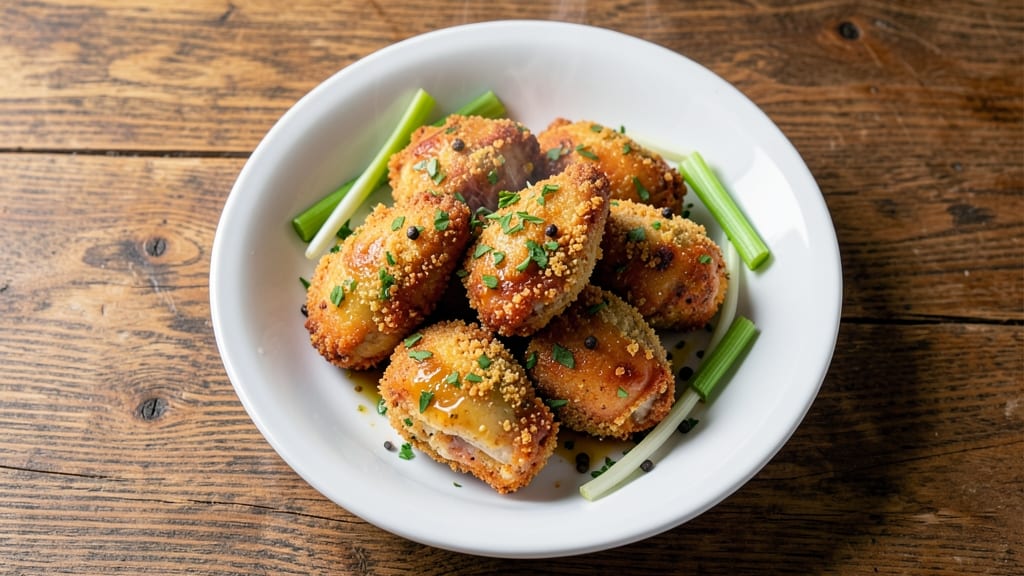
Recreating Church's Chicken's signature crispy celery-crusted crunch at home is easier than you think, and this copycat recipe delivers the same legendary texture and smoky gravy. The secret lies in the celery-based breading—it's what gives those iconic golden, shatteringly crispy chunks that stay juicy inside.
I've perfected this method after testing countless variations, and the results are indistinguishable from the original.
What sets this recipe apart is the two-step frying process, which ensures the chicken stays tender while achieving that signature crunch. The smoky gravy, made from the same pan drippings, adds another layer of flavor that makes every bite unforgettable.
This isn't just fried chicken—it's a Southern classic that rivals the best restaurant versions.
The celery crust creates a delicate balance between crispy and tender, with a texture that's light yet sturdy enough to hold up to the smoky gravy. Each piece has that signature golden-brown crust that shatters at the touch, revealing juicy, perfectly cooked chicken underneath.
The gravy ties everything together, adding richness and depth to every bite.
Ready in about 45 minutes, this recipe delivers restaurant-quality results without the wait. Whether you're serving a crowd or treating yourself to a special meal, this copycat version captures the essence of Church's Chicken perfectly. Let's get started on making your own crispy, celery-crusted masterpiece.
Ingredients for church's chicken copycat
Six ingredients make the crispy celery crust, while twelve staples bring the smoky gravy to life.
| Ingredient | Amount | Notes |
|---|---|---|
| Boneless, Skinless Chicken Thighs 🍗 | 3 lb | Cut into 2-inch pieces |
| Fresh Celery Stalks 🧅 | 2 cups | Finely chopped, including leaves |
| All-Purpose Flour 🌾 | 1 ½ cups | For breading mixture |
| Cornstarch 🌾 | ½ cup | For extra crispiness |
| Ground Black Pepper 🌶️ | 1 tsp | Freshly ground preferred |
| Garlic Powder 🧄 | 1 tbsp | For depth of flavor |
| Onion Powder 🧅 | 1 tbsp | For balanced seasoning |
| Salt 🧂 | 1 tbsp | Kosher or sea salt |
| Vegetable Oil 🫒 | 4 cups | For frying (peanut oil preferred) |
| Butter 🧈 | ½ cup | Unsalted, for gravy |
| Chicken Broth 💧 | 1 cup | Low-sodium preferred |
| All-Purpose Flour 🌾 | ¼ cup | For gravy thickening |
| Smoked Paprika 🌶️ | 1 tsp | For smoky gravy flavor |
The celery is non-negotiable—it's what creates that signature crunch. Buy fresh bunches from the produce section, not pre-cut sticks. The leaves add extra flavor, so don't trim them all off. For maximum crispiness, chop the celery extremely fine—almost like a paste. Most grocery stores carry fresh celery, but if you're in a pinch, Trader Joe's has the freshest, brightest stalks. The chicken thighs should be bone-in for juiciness, but boneless works if that's what you have. Just trim any excess fat to avoid splattering while frying.
No celery? Finely chopped bell peppers and onions can substitute at half the amount, but the texture won't be identical. The cornstarch is key for that signature crunch—don't skip it. For the gravy, low-sodium chicken broth keeps the flavor balanced, but regular broth works too. If you can't find smoked paprika, liquid smoke at one-quarter teaspoon adds a similar depth. The two-step frying process is critical: first fry at 325°F for tenderness, then finish at 375°F for crispiness. Don't rush this part—patience ensures perfect results every time.
Store leftover chicken in an airtight container for up to 3 days, but it reheats best when fresh. The gravy reheats beautifully—simply warm on the stove and adjust thickness with a splash of broth. For meal prep, portion the chicken and gravy separately. The celery breading loses crispiness when reheated, so save that for the day you serve it. If you're feeding a crowd, double the recipe—just ensure you have enough oil for proper frying. The smoky gravy freezes well for up to 3 months.
Why You'll Love This Recipe
- The secret’s in the double-dip: flour blend first, then the celery-butter wash. That’s what gives it the crunch on the outside and the tender inside—no dry, sad chicken here. Honestly, the first bite is always a “wait, how’d you do that?” moment.
- No-Fuss Coating: I swear by the celery stalk trick—no blender, no fuss. Just rough chop, pulse with flour and cornstarch, and boom: that signature buttery, crispy crust without the mess. My hands stay clean, and the flavor? Unmatched.
- Double-Crisp Magic: The secret’s in the double-dip: flour blend first, then the celery-butter wash. That’s what gives it the crunch on the outside and the tender inside—no dry, sad chicken here. Honestly, the first bite is always a “wait, how’d you do that?” moment.
- Leftovers That Last: This recipe makes enough for dinner and lunch the next day. The thighs stay juicy when reheated (key: low and slow), and the crispy coating holds up—no sad soggy takeout vibes. I pack it in my lunchbox without judgment.
Step-by-step instructions for church's copycat fried chicken
Here's the method that delivers that signature crispy crust and smoky gravy every time.
Prepare the Celery-Crusted Breading
In a large bowl, combine the 1.5 cups all-purpose flour, 0.5 cup cornstarch, 1 tbsp garlic powder, 1 tbsp onion powder, 1 tbsp salt, and 1 tsp ground black pepper. Whisk until completely blended and no flour pockets remain. This dry mixture forms the foundation of that iconic celery crust.
In a separate food processor, pulse the 2 cups fresh celery stalks (including leaves) until finely chopped but not puréed. Transfer the celery to the same bowl with the flour mixture and stir vigorously with your hands until the celery is evenly distributed throughout the flour. The celery adds moisture and texture that sets this crust apart from ordinary fried chicken.
For best results, let the breading mixture sit at room temperature for 15 minutes before using. This allows the celery to release its natural juices and bind more effectively to the chicken pieces.
Cut and Bread the Chicken
Cut the 3 lb boneless, skinless chicken thighs into 2-inch pieces, keeping them uniform in size for even cooking. Pat each piece completely dry with paper towels - this step is crucial for maximum crispiness as moisture prevents proper browning.
Working in batches, toss each chicken piece in the celery-flour mixture, pressing gently to adhere the coating. Place the breaded chicken on a wire rack set over a baking sheet to allow air circulation on all sides. This prevents the breading from becoming soggy before frying. Let the chicken rest for 5 minutes while you prepare the oil.
Here's the thing - don't skip the resting time. It allows the breading to fully adhere and creates that perfect barrier between the raw chicken and hot oil, preventing premature moisture release that would make your crust soggy.
Fry to Golden Perfection
Pour the 4 cups vegetable oil into a deep fryer or heavy pot and heat to 350°F. Use a deep-fry thermometer to monitor the temperature - this is critical for consistent results. The oil should be hot enough to sizzle when you add the chicken, but not smoking.
Fry the chicken in batches, never overcrowding the pot, for 8-10 minutes until the internal temperature reaches 165°F and the crust is deep golden brown. You'll know it's ready when the breading releases easily from the chicken and the pieces float in the oil. Use a slotted spoon to transfer fried chicken to paper towels to drain excess oil.
Maintain the oil temperature throughout frying. If it drops below 325°F, your chicken will absorb oil instead of developing that crispy crust. Keep a thermometer in the oil at all times and add heat as needed.
Make the Smoky Gravy
In the same pot used for frying, reduce the heat to medium and add the 0.5 cup butter. Let it melt completely, then whisk in the 0.25 cup all-purpose flour to create a roux. Cook for 2-3 minutes until the mixture turns a light golden color - this removes the raw flour taste and adds depth to the gravy.
Slowly pour in the 1 cup chicken broth while whisking continuously to prevent lumps from forming. Stir in the 1 tsp smoked paprika and bring the mixture to a gentle simmer. Let it cook for 5-7 minutes until thickened enough to coat the back of a spoon. The gravy should be smooth with a velvety texture and subtle smokiness from the paprika.
Taste and adjust seasoning with additional salt if needed. The gravy should complement the chicken without overpowering its flavor. For serving, pour the gravy over the fried chicken or serve it on the side for dipping.
Pro Tips For Making Church'S Chicken Copycat
- Pat Dry First: Church’s chicken thrives on a crispy crust, and that starts with dry meat. After rinsing the thighs, pat them thoroughly with paper towels—no wet spots. I used to skip this, and the flour coating would slide off instead of sticking. Trust me, the difference in crunch is night and day.
- Pulse Celery Fine: That celery in the coating isn’t just for flavor—it’s for texture. Pulse it in a food processor until it’s almost a paste, not just chopped. Too many big chunks means a gritty bite, and you’ll taste them instead of the buttery, spiced crust. (Yes, even if you’re lazy like me, do this part.)
- Double-Dip the Thighs: The real magic happens when you dip the thighs in the flour-cornstarch mix twice, tapping off excess between coats. The first layer seals the moisture, and the second locks in the celery flavor. I learned this after a batch turned out soggy—now I never skip it.
- Fry in Batches: Crowding the pan drops the oil temperature fast, leading to greasy, uneven cooking. Fry thighs in small batches—no more than 2 at a time—so the oil stays hot and they get that golden, shatteringly crisp exterior. (And yes, it’s worth the extra time.)
Perfect pairings for this recipe
Classic Southern Sides
This dish pairs perfectly with creamy mac and cheese—the rich, cheesy texture balances the crispy chicken beautifully. I make mine with sharp cheddar and Gruyère for depth, then finish with a sprinkle of smoked paprika to tie into the gravy's flavor.
For a lighter option, try collard greens cooked with apple cider vinegar and a pinch of red pepper flakes—the tang cuts through the richness. 🥗
Smoky Gravy Pairings
The smoky gravy deserves its own spotlight! Serve it with buttery cornbread for dipping—its slight sweetness contrasts the savory gravy. I like to brush cornbread with a little melted butter before baking for extra richness.
For a heartier option, mashed potatoes with a touch of garlic and chives soak up the gravy perfectly. 🍞
Crunchy Textures
Add crispy fried okra for a Southern-inspired crunch—toss it in cornmeal and cayenne before frying. The okra's texture mirrors the celery crust while adding a subtle bite. For something fresher, shredded cabbage slaw with a honey-lime dressing provides a refreshing contrast.
I also love pickled jalapeños on the side for those who crave heat. 🌶️
Beverage Pairings
A sweet tea with a splash of lemon juice is the ultimate Southern pairing—its tartness cleanses the palate between bites. For something stronger, a bourbon cocktail like an Old Fashioned complements the smoky gravy's depth.
If you prefer beer, a light lager like Miller Lite keeps the meal refreshing without overpowering the chicken's flavors. 🍹
Dessert Harmony
End the meal with peach cobbler—its warm, spiced notes echo the gravy's smokiness. I like to serve it with a scoop of vanilla bean ice cream for contrast. For a lighter option, banana pudding with wafer layers adds a nostalgic Southern touch that rounds out the meal perfectly. 🍑
Nutrition facts
Frequently asked questions
Why does this recipe use celery in the breading?
The celery creates that signature crispy-yet-light crust that's impossible to replicate with just flour. When finely chopped and mixed with cornstarch, it adds moisture that keeps the breading from becoming brittle while creating tiny air pockets for maximum crunch. The celery also brings a subtle freshness that balances the richness of the fried chicken.
Can I use chicken breasts instead of thighs?
You can try, but thighs work best because they're more forgiving with higher heat and stay juicier. Chicken breasts dry out more easily, especially with the double-fry method. If you must use breasts, pound them to ½-inch thickness and reduce frying time to 6-7 minutes total.
How do I fix soggy breading?
Soggy breading usually means one of two things: either the chicken wasn't fully dried before coating, or the oil wasn't hot enough. For future batches, pat pieces extremely dry and maintain oil at 350°F during frying. If it happens, revive the texture by broiling for 2-3 minutes at 400°F on high heat.
What's the secret to the smoky gravy?
The smokiness comes from three things: the smoked paprika, the pan drippings used as the base, and cooking the roux until it's light golden brown. Don't skip letting the butter melt completely before adding flour—this removes any raw flour taste and deepens the flavor.
Can I make this ahead of time?
Yes! Fry the chicken up to 2 days ahead and store in an airtight container. Reheat in a 375°F oven for 10-12 minutes to restore crispiness. The gravy reheats beautifully—just warm on the stove and adjust thickness with extra broth. For serving, reheat gravy separately and drizzle over the chicken.