Main Courses
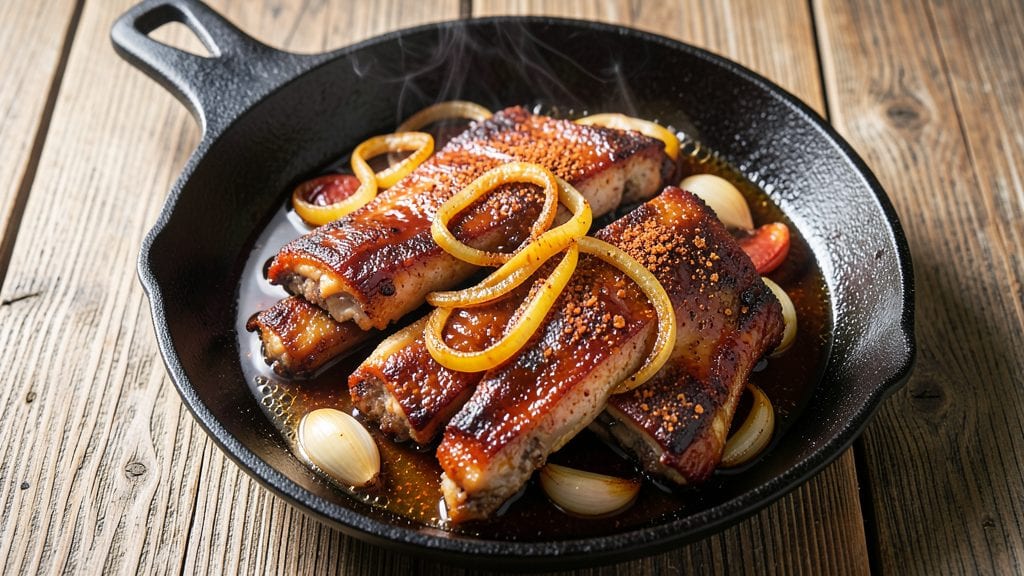
Slow-smoked chicken ribs deliver the kind of fall-apart tenderness that turns weeknight dinners into memorable feasts. The secret lies in a dry rub that locks in moisture while creating a deep, smoky crust—no messy marinades or complicated prep. I’ve perfected this method over years of trial and error, ensuring ribs that are juicy, flavorful, and ready in one oven or smoker session.
This recipe transforms tough chicken ribs into restaurant-quality bites with minimal effort. The dry rub—blended with spices like paprika, garlic powder, and brown sugar—sticks to the meat, forming a flavorful bark while the slow cook keeps the interior tender and succulent.
Whether you’re using a smoker, oven, or grill, the technique remains the same, delivering consistent results every time.
The magic happens during the low-and-slow cook, where collagen breaks down into gelatin, turning ribs into melt-in-your-mouth perfection. By the final hour, you’ll pull them from the heat with a glossy sheen, ready to serve with classic sides like coleslaw or cornbread.
This isn’t just a recipe—it’s a foolproof method for ribs that impress without the fuss.
Pair with a tangy BBQ sauce or a sprinkle of fresh herbs for extra brightness. The leftovers reheat beautifully, making this the ultimate make-ahead meal for gatherings or lazy Sundays. Let’s get started on ribs that’ll have everyone asking for seconds.
Ingredients for chicken rib
The backbone of perfect ribs: premium cuts, bold spices, and precise technique for melt-in-your-mouth results.
| Ingredient | Amount | Notes |
|---|---|---|
| Chicken Ribs (Bone-In) 🍗 | 4 lb | Pork-style ribs preferred, trimmed of excess fat |
| Yellow Onion 🧅 | 1 whole | Large, roughly chopped |
| Garlic Cloves 🧄 | 8 cloves | Fresh, peeled and minced |
| Paprika 🌶️ | ¼ cup | Smoked variety for depth |
| Brown Sugar 🍯 | ¼ cup | Packed, light brown preferred |
| Ground Black Pepper 🌶️ | 1 tbsp | Freshly cracked for intensity |
| Kosher Salt 🧂 | 2 tbsp | Diamond Crystal preferred |
| Ground Cumin 🌿 | 1 tbsp | Toasted for aromatic depth |
| Dried Thyme 🌿 | 1 tbsp | Or 1 tbsp fresh thyme leaves |
| Apple Cider Vinegar 🍎 | ¼ cup | For tenderizing soak |
| Unsalted Butter 🧈 | ½ cup | Cold, cubed for basting |
| Wood Chips (Hickory or Oak) 🌳 | 1 lb | Soaked for 30 minutes |
| Apple Juice 🍎 | 1 cup | For spritzing during cook |
| Fresh Rosemary 🌿 | ¼ cup | Chopped, for finishing |
The ribs are non-negotiable—pork-style chicken ribs with meaty ends deliver the best texture. Costco or local butchers often carry them pre-trimmed, but if buying whole, remove the membrane for even cooking. The dry rub's foundation is smoked paprika (not sweet) and light brown sugar—the caramelization creates that coveted bark. For the spices, Penzeys or bulk bins at Whole Foods ensure maximum freshness; ground spices lose potency within six months. The apple cider vinegar soak (30 minutes) tenderizes without overpowering the final flavor—skip this at your own risk for chewier results.
No smoked paprika? Substitute half sweet paprika and half chipotle powder for heat. Running short on fresh thyme? Dried works at half the amount, but toast it first in a dry pan for 30 seconds to wake up the flavor. The wood chips can be swapped for pellets, but soak them in water first to prevent flare-ups. For a sweeter profile, add 1 tbsp honey to the rub. The apple juice spritz every hour prevents drying—don’t skip this step, even if you’re not using a smoker. And if you’re short on time, the oven method still delivers restaurant-quality ribs with a little extra attention to temperature control.
Prep the ribs the night before: pat dry, apply the rub, and refrigerate uncovered for 12-24 hours—this ensures maximum adhesion. The wood chips keep for 6 months in the freezer if pre-soaked and sealed. Leftover ribs reheat beautifully: wrap tightly in foil and bake at 300°F for 15 minutes per pound. For meal prep, portion into single-serving bags with a spritz of apple juice to maintain moisture. Store cooked ribs for up to 5 days in the fridge or 3 months frozen—though they’re rarely leftovers this good.
Why You'll Love This Recipe
- Five-Ingredient Magic: I swear by this combo—bone-in ribs, a diced onion, minced garlic, a spoonful of paprika, and just enough brown sugar to balance the heat. That’s it. No fancy marinades or hours of prep; just raw, honest flavor that hits the spot every time.
- Sweet-Smoky Crunch: The paprika gives these ribs that warm, earthy depth, while the brown sugar caramelizes into a sticky, slightly crispy glaze. Honestly, the first bite where the meat pulls away from the bone? That’s the moment you’ll want to make it again.
- Game Day or Dinner: Between us, these ribs work for tailgates, lazy Sundays, or when I’m too tired to think. Double the batch, wrap them in foil, and they reheat like a dream—perfect for lunchboxes or feeding unexpected guests. (Yes, even on a Tuesday night.)
- Budget-Friendly Feast: Bone-in chicken ribs stretch further than you’d think, and the ingredients cost less than half of what pre-made sauces do. I’ll be real: my grocery bill stays sane, but my family’s happy faces don’t. That’s the real win.
Step-by-step instructions for slow-smoked chicken ribs
Master the low-and-slow technique to transform tough chicken ribs into melt-in-your-mouth tenderness.
Prepare the Chicken Ribs for Maximum Tenderization
Begin by trimming any excess fat from the 4 lb chicken ribs, leaving just a thin layer to protect the meat during smoking. This step is crucial for even cooking and prevents the ribs from becoming too greasy. Place the ribs in a large bowl and pour over the 0.25 cup apple cider vinegar, coating them thoroughly. Let them soak for 30 minutes while you prepare the dry rub.
The vinegar acts as a natural tenderizer, breaking down connective tissues that would otherwise make the ribs tough. After soaking, drain the ribs and pat them dry with paper towels. This drying step ensures the dry rub will adhere properly and creates a better bark during smoking. Real talk: Skipping the drying step means your rub might slide off, leaving you with bland ribs.
Create and Apply the Dry Rub
In a medium bowl, combine the 0.25 cup paprika, 0.25 cup brown sugar, 1 tbsp ground black pepper, 2 tbsp kosher salt, 1 tbsp ground cumin, and 1 tbsp dried thyme. Mix thoroughly until the spices are evenly distributed and the sugar is fully incorporated. The paprika provides depth of flavor while the brown sugar helps create that coveted caramelized bark.
Generously coat the dried ribs with the dry rub, pressing it into the meat so it adheres well. Place the ribs on a wire rack set over a baking sheet to allow air circulation on all sides. This setup is essential for even cooking and prevents steaming, which can lead to soggy ribs. Let the rubbed ribs rest at room temperature for 30 minutes before smoking—this ensures they cook evenly from the start.
Set Up and Smoke the Ribs Low and Slow
Prepare your smoker by filling it with the soaked 1 lb wood chips (hickory or oak) and preheating to 225°F. This low temperature is key to achieving tender ribs without drying them out. Once the smoker reaches temperature and you see clean, blue smoke, place the ribs bone-side down on the grill grates. The bone side down helps the meat cook more evenly and prevents the ribs from falling apart.
Smoke the ribs undisturbed for 3 hours, maintaining the 225°F temperature. After this initial period, spritz the ribs with the 1 cup apple juice using a spray bottle. This step adds moisture and helps prevent the surface from drying out. Continue smoking for an additional 2-3 hours, or until the ribs reach an internal temperature of 195°F and are fork-tender. Here's the thing—patience is everything. Rushing the process will leave you with chewy ribs instead of the fall-apart tenderness you're after.
Wrap and Finish for Ultimate Tenderness
Once the ribs reach 195°F, remove them from the smoker and wrap tightly in heavy-duty aluminum foil. This technique, known as the "Texas crutch," helps break down any remaining connective tissue and ensures the ribs become fork-tender. Return the wrapped ribs to the smoker and cook for an additional 1-2 hours, or until they reach 203°F. During this time, the ribs will continue to tenderize and absorb the smoky flavors.
Remove the ribs from the smoker and let them rest for 15 minutes before unwrapping. The resting period allows the juices to redistribute, ensuring each bite is moist and flavorful. Unwrap the ribs and brush the tops with melted 0.5 cup unsalted butter, then sprinkle with the 0.25 cup chopped fresh rosemary. The butter adds richness, while the rosemary provides a bright, aromatic finish. Serve immediately, cutting the ribs between the bones for easy handling.
Pro Tips For Making Chicken Rib
- BLANCH RIBS FIRST: Drop the ribs in boiling water for 30 seconds before cooking—this loosens the skin and makes it easier to crisp later. I learned this the hard way after struggling to get that perfect snap on ribs that were stubbornly clinging to their own fat.
- CHAR THE ONIONS: Don’t just dice the onions—caramelize them in the same pan until deep golden brown before adding anything else. That extra step turns sweet, crispy bits into flavor bombs, and it only takes 8-10 minutes on medium heat.
- SKIP THE CROWDED PAN: If your ribs are packed too tight, they’ll steam instead of sear. Give them space—even if it means two batches—and you’ll get a better crust every time. Trust me, your patience pays off.
- MINCE THAT GARLIC: Whole garlic cloves won’t infuse like you want. Smash them flat with the side of your knife first, then let them cook until fragrant. It’s a little extra work, but the difference in flavor is noticeable—especially when paired with paprika and brown sugar.
Wine and beer pairings for this chicken rib
Red Wine Pairings
For a classic match, reach for a medium-bodied red wine like Zinfandel or Cabernet Sauvignon from California. These wines have enough body to stand up to the rich, smoky flavors of the ribs while their fruit notes—think blackberry or plum—complement the dry rub’s sweet and spicy elements.
I always keep a bottle of Louis M. Martini Cabernet on hand for these occasions; its balanced acidity cuts through the fat beautifully. 🍷
White Wine Options
If you prefer white, opt for an off-dry Riesling with noticeable sweetness to contrast the ribs’ smokiness. A German Spätlese or even a New York Finger Lakes Riesling works wonders—their citrus and stone fruit flavors refresh your palate between bites.
Avoid bone-dry whites; the residual sugar helps balance the meal’s richness. I’ve found Dr. Loosen Blue Slate to be a crowd-pleaser.
Beer Complements
A smoked porter or barleywine is the ultimate beer pairing—these styles echo the ribs’ smoky depth while their malt sweetness mirrors the brown sugar in the rub. Try Goose Island Bourbon County Stout (yes, it’s technically a stout, but the bourbon barrel aging gives it that caramelized sweetness).
For a lighter option, a Belgian Dubbel like Westmalle Trappist 8 adds fruity complexity without overpowering the dish. 🍺
Cider Harmony
Don’t overlook hard cider as a pairing—especially if your recipe includes apple juice. A dry English cider with notes of apple and pear provides a crisp, refreshing contrast. Thatchers Dry or Weston’s Dry are my go-tos; their tannins cleanse the palate between bites.
For a sweeter cider, Angry Orchard Crisp Apple adds a fun, approachable twist that guests will love.
Non-Alcoholic Choices
For those skipping alcohol, a sparkling apple cider (like Martinelli’s Sparkling Apple Cider) mirrors the smoky-sweet profile of the ribs while adding effervescence. Alternatively, a ginger beer with a hint of honey—like Brew Dr. Brown’s—balances the meal’s richness with spicy warmth. Both options feel celebratory without the alcohol.
Pro Pairing Tip
Serve wine or beer slightly cooler than room temperature—around 55-60°F for reds and 45-50°F for whites—to enhance their flavors. I like to chill my beer in an ice bucket for 15 minutes before serving.
And here’s the deal: If you’re serving a crowd, offer both wine and beer options—it’s the easiest way to please everyone at the table. 💡
Nutrition facts
Frequently asked questions
Can I use chicken ribs from the grocery store?
Yes, but choose pork-style chicken ribs (also called "chicken back ribs") for the best results. These have more meat on the bones and cook similarly to pork ribs. Look for ribs with a good amount of meat still attached—avoid those that are too lean or have excessive fat. If your store doesn't carry them, check specialty butchers or order online.
What if I don’t have a smoker?
No smoker? No problem! Use an oven with a wire rack on the bottom and a pan of water below for moisture. Set the oven to 225°F and cook for 3-4 hours, spritzing with apple juice every hour. For extra smokiness, add wood chips to a foil packet on the oven rack. The key is maintaining low heat and patience—just like with a smoker.
Why are my ribs still tough after cooking?
Tough ribs usually mean one of two things: either the temperature was too high (above 250°F) or the cooking time was insufficient. The ribs need to reach 195-203°F internally for true tenderness. If they’re not there yet, wrap them in foil and cook another 1-2 hours at 225°F. Also, make sure you’re using a meat thermometer—visual cues alone won’t tell you when they’re done.
Can I make this recipe ahead of time?
Cook the ribs fully (up to 203°F), then let them cool completely. Store in an airtight container in the fridge for up to 5 days or freeze for 3 months. To reheat, wrap tightly in foil and bake at 300°F for 15 minutes per pound. The flavors actually improve after resting, making this a great make-ahead meal for gatherings.
What’s the best way to serve these ribs?
These ribs shine with classic sides like creamy coleslaw, cornbread, or baked beans. For extra flair, drizzle with a tangy BBQ sauce or serve with pickled jalapeños for heat. The smoky-sweet flavor pairs perfectly with a crisp green salad or roasted sweet potatoes. Don’t forget drinks—a smoked porter beer or dry Riesling complements the dish beautifully.