
Main Courses
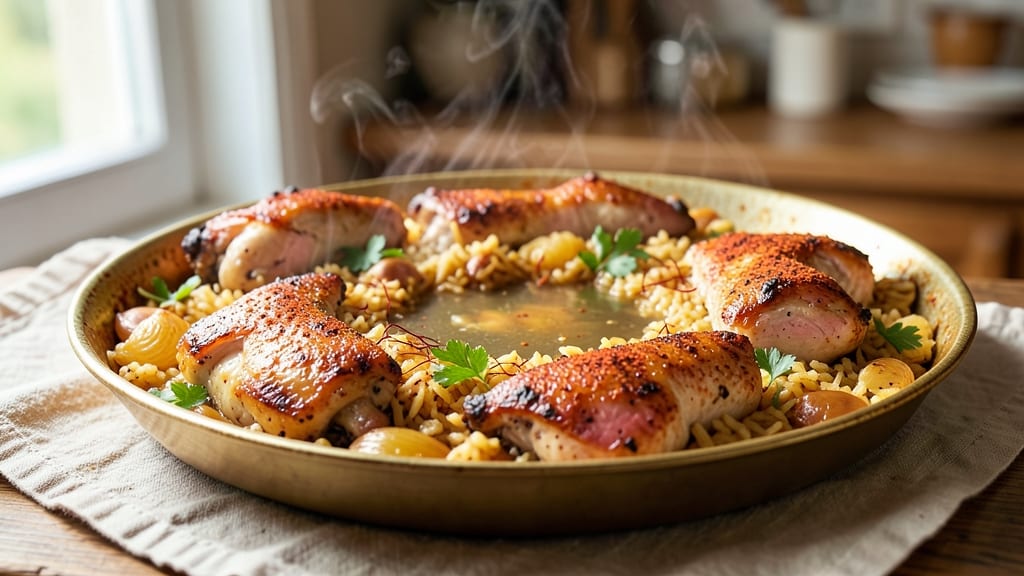
This chicken paella recipe transforms weeknight dinners into a celebration of Spanish tradition—where saffron-infused rice meets juicy chicken and crispy socarrat. I spent years perfecting the balance of flavors after my grandmother insisted paella wasn't just for special occasions.
The secret lies in the technique: slow-cooked rice, perfectly seared chicken, and that coveted caramelized crust at the bottom.
What sets this recipe apart is the authentic method—using a wide paella pan for even heat distribution and the right ratio of broth to rice. The chicken stays juicy while the rice develops that signature texture, and the socarrat adds a smoky depth that makes every bite worth it.
This isn't just a dish; it's a skill you'll master with practice, and I'll walk you through every step to get it right.
By the time you serve this, your kitchen will smell like a Valencian countryside restaurant, and your guests will never guess it wasn't made in Spain. The combination of tender chicken, crisp vegetables, and aromatic rice creates a dish that's both comforting and impressive.
Trust me—once you try this, you'll never buy takeout again.
Pair it with a crisp white wine or sangria for the full experience, and don't forget the lemon wedges for that final burst of brightness. Let's get cooking—this is the paella you'll want to make again and again.
Ingredients for chicken paella
Sixteen ingredients, one unforgettable dish—where saffron-kissed rice meets tender chicken and crispy socarrat.
| Ingredient | Amount | Notes |
|---|---|---|
| Arborio Rice 🍚 | 2 cups | Unrinsed for optimal starch release |
| Chicken Thighs 🍗 | 2 lb | Bone-in, skin-on for juiciness |
| Saffron Threads 🌼 | ¼ tsp | High-quality, culinary-grade |
| Chicken Broth 💧 | 4 cups | Homemade or low-sodium store-bought |
| Yellow Onion 🧅 | 1 whole | Diced, sweet variety preferred |
| Garlic Cloves 🧄 | 6 cloves | Minced, fresh for maximum aroma |
| Red Bell Pepper 🍅 | 1 whole | Diced, any color works |
| Green Beans 🌱 | 1 lb | Trimmed, French-cut preferred |
| Tomatoes 🍅 | 1 cup | Diced, ripe Roma or vine-ripened |
| Extra-Virgin Olive Oil 🫒 | ½ cup | High-quality, fruity variety |
| Dry White Wine 🍷 | 1 cup | Sauvignon Blanc or Albariño |
| Lemon Zest 🍋 | 1 tbsp | Freshly grated, bright flavor |
| Smoked Paprika 🌶️ | 1 tsp | Sweet or hot variety |
| Ground Turmeric 🌿 | ½ tsp | For vibrant color and earthiness |
| Sea Salt 🧂 | 1 ½ tsp | Diamond Crystal preferred |
| Fresh Parsley 🌿 | ¼ cup | Chopped, for garnish |
| Lemon Wedges 🍋 | 2 whole | For serving, bright contrast |
The saffron is non-negotiable here—Spanish saffron from La Mancha is the gold standard, but high-quality culinary saffron from Penzeys or Trader Joe's works too. Look for vibrant red threads, not orange powder. The chicken thighs? Bone-in, skin-on is key—they stay juicier than breasts. I grab mine from Whole Foods or my local butcher, but any grocery store sells them. For the Arborio rice, don't rinse it—those starches are what create the creamy texture. The wide paella pan is worth the investment, but a heavy-bottomed skillet works in a pinch.
No saffron? Turmeric plus a pinch of paprika mimics the color (though not the flavor). Short on wine? Extra chicken broth works, but the acidity helps balance the richness. The bell pepper can be swapped for zucchini or asparagus—just adjust cooking time. Green beans are traditional, but snap peas or broccoli add a nice texture contrast. For the tomatoes, canned San Marzano is ideal, but fresh Roma works too. The olive oil matters—Spanish or Italian varieties have that fruity punch that makes all the difference.
This paella tastes even better the next day—reheat gently with a splash of broth. The socarrat (that crispy bottom) is best eaten immediately, so plan to serve straight from the pan. Store leftovers in an airtight container for up to 3 days. The saffron-infused rice freezes beautifully for up to 3 months, though the socarrat won't survive. I always make extra—it disappears faster than you'd think.
Why You'll Love This Recipe
- One-Pan Magic: I swear by this—just brown the chicken thighs, toss in the onions, add Arborio rice and broth, and let it bubble. No extra pots, no mess. The saffron steeps right into the broth while you stir, so you don’t even need to fuss with infusing it separately.
- Golden Crispy Rice: That crispy bottom layer? It’s the real star. The Arborio rice soaks up the broth until it’s creamy in the center but toasted at the edges—like a hug from your nonna, but with saffron. Honestly, I’ll take this over takeout any day.
- Weeknight to Weekend: Make it for Tuesday dinner or Sunday brunch—it’s that adaptable. Swap in shrimp for a fancier meal, or keep it simple with just the chicken and veggies for a budget-friendly family feed. My kids beg for leftovers, and I don’t even have to pretend it’s gourmet.
- Leftovers That Don’t Suck: Between us, most paella recipes turn into sad rice by day two. Not this one. The broth keeps it moist, and the saffron flavor only deepens. I reheat portions in a skillet with a splash of water, and it’s like eating it fresh—no dry, overcooked rice in sight.
Step-by-step instructions for chicken paella
Here’s how to build a paella with layers of flavor and texture—juicy chicken, fragrant saffron rice, and that prized crispy socarrat.
Sear the Chicken Thighs for Depth of Flavor
Pat the 2 lb chicken thighs dry with paper towels—this ensures a perfect sear. Heat 0.25 cup extra-virgin olive oil in a 14-inch paella pan over medium-high heat until shimmering. Working in batches to avoid crowding, add the chicken thighs skin-side down. Let them sear undisturbed for 4-5 minutes until the skin turns deep golden brown and crispy.
Flip the thighs and cook for another 3-4 minutes until the internal temperature reaches 165°F. Remove the chicken and set aside on a plate, leaving the rendered fat in the pan. This fat will later infuse the rice with rich flavor. If the pan isn’t coated with a light crust of browned bits, don’t worry—we’ll build more flavor as we go.
Sauté the Vegetables and Build the Base
In the same paella pan, add 1 whole yellow onion, 1 whole red bell pepper (both diced), and 1 cup tomatoes (diced). Cook over medium heat for 5-6 minutes, stirring occasionally, until the vegetables soften and release their juices. The onions should turn translucent, and the peppers should begin to caramelize slightly.
Add 6 cloves garlic cloves (minced) and 1 tsp smoked paprika to the pan. Stir for 30 seconds until the garlic becomes fragrant—this is where the magic happens. Here’s the thing: don’t let the garlic burn, or it’ll turn bitter. If it starts to darken too quickly, reduce the heat slightly. The goal is to infuse the pan with layers of aroma without overpowering the dish.
Toast the Saffron and Arborio Rice
Pour in 1 cup dry white wine and scrape up any browned bits from the bottom of the pan. Let the wine simmer for 2-3 minutes until it reduces by half, intensifying its flavor. In a small bowl, toast the 0.25 tsp saffron threads in 2 tablespoons hot water for 1 minute—this activates the saffron’s vibrant color and aroma. Stir the toasted saffron into the pan.
Add the 2 cups unrinsed Arborio rice, 0.5 tsp ground turmeric, and 1.5 tsp sea salt. Stir everything together for 1 minute to coat the rice evenly in the saffron-infused liquid. The rice should look glossy and well-distributed. This step is critical—it ensures each grain absorbs the saffron’s color and flavor uniformly.
Layer the Broth and Simmer the Paella
Pour in 4 cups chicken broth slowly, stirring gently to distribute it evenly. The liquid should just cover the rice—this is the perfect ratio for al dente grains. Bring the mixture to a gentle simmer over medium-low heat. Here’s the moment that matters: let the paella cook undisturbed for 10 minutes. You’ll see the rice begin to absorb the liquid, and tiny bubbles form around the edges.
After 10 minutes, gently stir the rice to redistribute any settled grains. Add 1 lb green beans (trimmed) and 1 tbsp lemon zest, then continue cooking for another 10 minutes. The rice should be tender but still slightly firm—this is the al dente texture we’re after. If the liquid evaporates too quickly, add a splash of hot broth to maintain the moisture balance.
Finish with Socarrat and Rest
Once the rice is nearly cooked—about 18-20 minutes total—increase the heat to high and let the paella dry out completely. This final step creates the socarrat, the prized crispy bottom layer. You’ll know it’s ready when the edges of the rice turn deep golden brown and release a nutty aroma. This can take 2-3 minutes, so keep an eye on it—don’t walk away!
Remove the paella from heat, cover it with a clean kitchen towel, and let it rest for 5 minutes. This resting period allows the flavors to meld and the rice to finish cooking evenly. Garnish with 0.25 cup chopped fresh parsley and serve with the 2 whole lemon wedges on the side. The contrast of bright citrus with the rich, smoky paella is unbeatable.
Pro Tips For Making Chicken Paella
- Sear Chicken Skin First: High heat for 6-8 minutes until the skin’s deep golden and crisp—this locks in flavor and prevents dry thighs later. I used to skip this, and the meat always ended up tough; now it’s juicy and rich, even after simmering.
- Bloom Saffron Properly: Crush the threads and steep them in warm broth (not boiling) for 10 minutes before adding to the rice—this releases the color and aroma fully. Cold water? Nope. Hot water? Too harsh. Warm broth is the sweet spot.
- Toast the Onion Slow: Cook the onion over medium-low heat until it’s soft and caramelized, not browned—this builds depth without burning. I learned this the hard way after one batch tasted bitter; patience here pays off.
- Stir Rice Only Once: After the initial toast, add rice and broth, then let it sit undisturbed for 18 minutes—just one stir at the 10-minute mark to check the level. Over-stirring breaks the grains; trust the process, even if it looks messy.
Best sauces and condiments for this chicken paella
Alioli for Dipping
This classic Spanish garlic mayo adds a creamy, garlicky contrast to your paella. Blend ½ cup mayonnaise, 2 roasted garlic cloves, 1 tbsp lemon juice, ½ tsp smoked paprika, and a pinch of salt until smooth.
Serve in a small bowl at room temperature—it pairs perfectly with the crispy socarrat. I like to add a splash of freshly squeezed orange juice for brightness. 🍋
Romero Aioli Sauce
Elevate your paella with this herby twist on alioli. Mix ½ cup mayonnaise with 2 tbsp finely chopped fresh rosemary, 1 minced garlic clove, 1 tsp lemon zest, and salt to taste. Let it sit for 10 minutes before serving to allow the flavors to meld.
This sauce cuts through the richness of the chicken and adds an aromatic finish. I discovered this version while chatting with vendors at a Valencia market—it’s now a staple at my dinner parties. 🌿
Spicy Tomato Sauce
For a tangy kick, blend 1 cup roasted tomatoes (charred in a skillet), 1 roasted red pepper, 1 tbsp sherry vinegar, 1 tsp cayenne pepper, and salt to taste. Simmer for 5 minutes until thickened.
This sauce adds a vibrant red color and a subtle heat that complements the paella beautifully. I often drizzle it lightly over the finished dish for extra depth. 🌶️
Lemon-Herb Butter
Melt ¼ cup unsalted butter with 1 tbsp fresh lemon juice, 1 tbsp chopped parsley, 1 tsp chopped chives, and a pinch of salt. Drizzle this fragrant butter over the paella just before serving.
The citrusy, herby notes brighten the dish and add a luxurious touch. It’s my go-to finishing move for restaurant-quality results. ✨
All-I-Spice Sauce
For a smoky, aromatic accompaniment, blend ½ cup Greek yogurt with 1 tsp ground cumin, ½ tsp ground coriander, ½ tsp smoked paprika, 1 tbsp lemon juice, and salt to taste.
This sauce adds a cooling contrast to the rich paella and works wonderfully with the chicken. I first tried it at a tapas bar in Barcelona—now it’s a must-have for my paella nights. 💛
Nutrition facts
Frequently asked questions
Can I substitute Arborio rice with another type?
While Arborio rice is ideal for its high starch content, you can use Bomba rice (traditional Spanish paella rice) or Carnaroli rice as alternatives. Avoid long-grain rice like basmati—it won't absorb enough liquid for that signature creamy texture. If you're in a pinch, jasmine rice works but may yield slightly firmer grains. The key is unrinsed rice to maximize starch for the socarrat.
How do I avoid burning the paella while making socarrat?
Watch the edges closely—they should turn golden brown, not black. If you see smoke or dark patches, reduce the heat immediately. The socarrat forms in the last 2-3 minutes of cooking, so keep the pan on medium-high heat and stir occasionally to distribute the heat. A wide paella pan helps prevent hot spots. If it burns, scrape off the charred bits before serving.
Can I make paella ahead of time?
Yes, but with a few adjustments. Cook the paella as directed, then let it cool completely. Store in an airtight container in the fridge for up to 3 days or freeze for 3 months. To reheat, cover with foil and warm in a 350°F oven with a splash of broth until heated through. The socarrat won't survive reheating, but the rice and chicken will still taste amazing.
What’s the best way to make saffron more affordable?
Buy saffron in bulk from reputable sources like Penzeys or Trader Joe's—they offer high-quality threads at lower prices. A little goes a long way: 0.25 tsp is plenty for this recipe. For extra savings, split a 1-gram jar with a friend. If cost is still an issue, use ½ tsp turmeric + ¼ tsp paprika for color (though the flavor won’t be identical).
Can I use chicken breasts instead of thighs?
Chicken breasts will work, but they’re leaner and drier. For best results, brine them for 30 minutes in ¼ cup salt + 4 cups water before cooking. Sear them skin-side down (if skin-on) for 5-6 minutes per side, then finish in a 375°F oven for 10 minutes to ensure juiciness. Remove them from the pan before adding the rice to prevent overcooking.