
Sauces & Condiments
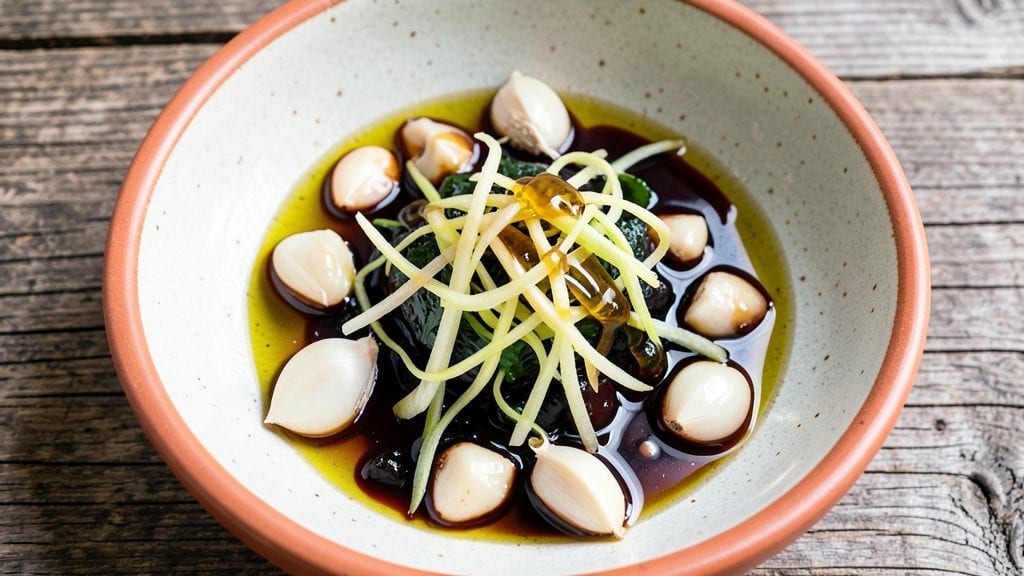
Transforming chicken hearts from gamey to umami-rich requires the right marinade, and this recipe delivers exactly that. The key lies in balancing acids, oils, and aromatic herbs to tenderize while building deep, savory layers—perfect for grilling, frying, or slow-cooking.
I developed this blend after years of testing, and it consistently transforms tough cuts into melt-in-your-mouth bites with complex flavor.
This marinade works by breaking down connective tissues while infusing the meat with bold, complementary flavors. The combination of soy sauce, garlic, and a touch of vinegar creates that signature umami punch, while olive oil keeps the hearts tender.
A 4- to 24-hour marinating window ensures maximum flavor penetration without overpowering the natural taste of the meat.
What sets this marinade apart is its versatility—it elevates chicken hearts whether you're searing them in a hot pan, slow-roasting for hours, or grilling over charcoal. The result is a dish with a rich, caramelized crust and a juicy interior, where every bite delivers layers of savory depth.
Once you try this, store-bought marinades will never measure up.
Use this marinade as a base and adjust spices to match your preferences—smoky paprika for grilled versions, or fresh herbs for a brighter profile. The key is patience; longer marinating times yield more tender, flavorful results. Let’s get started on creating a marinade that transforms chicken hearts into something extraordinary.
Ingredients for chicken heart marinade
Nine ingredients. One marinade. Game-changing umami transformation for chicken hearts.
| Ingredient | Amount | Notes |
|---|---|---|
| Extra-Virgin Olive Oil 🫒 | ½ cup | High-quality, fruity variety for richness |
| Soy Sauce 🍶 | ⅓ cup | Use dark soy for deeper color |
| Red Wine Vinegar 🍷 | ¼ cup | Bright acidity for tenderizing |
| Garlic Cloves 🧄 | 6 cloves | Minced finely for maximum flavor |
| Fresh Ginger 🌿 | 1 tbsp | Finely grated, not powdered |
| Honey 🍯 | 2 tbsp | Wildflower for floral depth |
| Smoked Paprika 🌶️ | 1 tbsp | For smoky depth (not sweet) |
| Ground Black Pepper 🌶️ | 1 tsp | Freshly cracked for heat |
| Salt 🧂 | 1 ½ tsp | Diamond Crystal kosher preferred |
| Fresh Rosemary 🌿 | 1 tbsp | Finely chopped, stems removed |
The olive oil and soy sauce form the flavor backbone—use high-quality extra-virgin olive oil and a dark soy sauce like Kikkoman for that rich mahogany color. Fresh ginger and garlic are non-negotiable here; organic ginger from the produce section has more punch than powdered. I always double-check the smoked paprika for no sweet notes—Penzeys is my go-to brand. The honey isn't just for sweetness; it helps balance the acidity while adding subtle floral complexity. Trader Joe's carries a great wildflower honey that works perfectly.
No fresh rosemary? Dried at half the amount works in a pinch, but it won't have the same aromatic depth. Short on vinegar? Balsamic vinegar at the same quantity adds a fruity twist. The honey can be swapped for maple syrup if you're avoiding refined sugar. For extra umami, add 1 tbsp fish sauce—trust me, it disappears into the marinade. If you're using this for slow-cooking, you can reduce the vinegar to 2 tbsp to prevent over-tenderizing. The marinade keeps its potency for up to 1 week in the fridge once mixed.
This marinade doubles as a dipping sauce after cooking—just reduce it by half on the stovetop. Store any unused marinade in a glass jar with a tight seal in the fridge. For best results, marinate chicken hearts for at least 4 hours, but 24 hours is ideal for maximum tenderness. The longer it sits, the deeper the flavor. If you're grilling, let the hearts come to room temperature in the marinade for 30 minutes before cooking—this ensures even cooking and maximum flavor infusion.
Why You'll Love This Recipe
- Five-Ingredient Magic: The pantry’s already stocked with these—no last-minute grocery runs. I swear by this combo because it’s the kind of marinade that doesn’t demand a trip to the store.
- Umami Bomb: That soy-vinegar-garlic-ginger mix? It’s what turns chicken hearts from "meh" to "I’ll take seconds." The red wine vinegar cuts through the richness, while the ginger adds a zing that lingers.
- Weeknight to Weekend: Use it for quick stir-fries on Tuesday or slow-grilled skewers on Saturday. Honestly, I’ve even thrown it on leftover rotisserie chicken—game-changer for lunchboxes.
- Budget Boost: Chicken hearts are cheap, and this marinade stretches like crazy. I’ll be real: my freezer’s always got a bag of these marinated and ready, saving me $20 a month at checkout.
Step-by-step instructions for chicken heart marinade
This marinade transforms tough, gamey chicken hearts into tender, flavorful bites.
Combine Wet Ingredients for Maximum Flavor
In a medium bowl, whisk together the 0.5 cup extra-virgin olive oil and 0.33 cup soy sauce until fully emulsified. The olive oil should create a silky base while the soy sauce adds deep umami richness. I like to use dark soy sauce here—it develops a richer color and more complex flavor profile. Add the 0.25 cup red wine vinegar next, stirring vigorously to incorporate. This acidity will help tenderize the chicken hearts while balancing the richness of the oil and soy sauce.
The mixture will begin to thicken slightly as you stir, which is normal. This is the foundation of your marinade, so take your time here. The acidity from the vinegar and the saltiness from the soy sauce will work together to break down the connective tissue in the chicken hearts, making them incredibly tender. Let this mixture sit for 5 minutes while you prepare the remaining ingredients—this gives the flavors a chance to meld slightly before adding the aromatics.
Add Aromatics and Sweetness for Depth
Finely mince the 6 cloves garlic and grate the 1 tablespoon fresh ginger using a microplane. The goal is to create a paste-like consistency with the garlic—this ensures even distribution of flavor throughout the marinade. Add these to the bowl along with the 2 tablespoons honey and 1 tablespoon smoked paprika. Stir well to combine, scraping the bottom of the bowl to incorporate any settled ingredients.
The honey adds a subtle sweetness that complements the smokiness of the paprika and the acidity of the vinegar. This balance is crucial—too much sweetness can overpower the umami, while too little leaves the marinade flat. The smoked paprika introduces a deep, earthy note that pairs beautifully with chicken hearts, enhancing their natural richness without masking their unique flavor. Let the mixture sit for another 5 minutes to allow the spices to bloom and release their aromas.
Season and Incorporate Herbs for Freshness
Add the 1.5 teaspoons salt and 1 teaspoon ground black pepper to the bowl, stirring until fully dissolved. The salt should be distributed evenly—this is critical for seasoning the chicken hearts properly. Next, finely chop the 1 tablespoon fresh rosemary, removing any woody stems. Sprinkle the rosemary into the bowl and give it a final stir. The rosemary adds a bright, herbal note that cuts through the richness of the other ingredients, keeping the marinade from becoming too heavy.
Here's the thing—this marinade is designed to work its magic in 4-12 hours, depending on your schedule. If you're short on time, 4 hours will still yield tender results, but 12 hours in the refrigerator will transform the chicken hearts into melt-in-your-mouth perfection. The longer the marinade sits, the more the flavors penetrate the meat, breaking down fibers and infusing every bite with umami depth. Once the marinade is complete, transfer it to an airtight container and let it chill in the refrigerator until ready to use.
Marinate the Chicken Hearts for Tender Perfection
Remove the chicken hearts from the refrigerator and pat them dry with paper towels. This step is essential—moisture on the surface prevents the marinade from adhering properly. Place the chicken hearts in a single layer in a resealable plastic bag or shallow dish. Pour the marinade over the hearts, ensuring they're fully coated. If using a bag, seal it tightly and massage the marinade into the meat to guarantee even distribution. For a shallow dish, cover with plastic wrap or a lid.
Refrigerate the chicken hearts for at least 4 hours, but ideally 12 hours for maximum tenderness. Flip the hearts halfway through the marinating time to ensure both sides absorb the flavors evenly. You'll notice the marinade will begin to penetrate the meat, turning it a deeper color and infusing it with aroma. When ready to cook, remove the chicken hearts from the marinade and let them sit at room temperature for 15-20 minutes before cooking. This ensures even heat distribution and prevents the meat from steaming instead of searing.
Pro Tips For Making Chicken Heart Marinade
- PULSE THE GARLIC: DESCRIPTION:
- PEEL GINGER FAST: DESCRIPTION:
- MARINATE 4+ HOURS: DESCRIPTION:
- BALANCE THE VINEGAR: DESCRIPTION:
Troubleshooting this recipe
Marinade Too Acidic
If your chicken hearts taste overly tangy after marinating, the red wine vinegar likely overpowered the other flavors. Reduce the vinegar to 2 tablespoons next time, or balance it with 1 extra tablespoon honey—this sweetens the acidity while maintaining tenderness.
For a milder effect, use apple cider vinegar instead; it’s less sharp and pairs beautifully with the umami notes. Always taste your marinade before applying it to the meat to adjust seasoning. 🍯
Meat Remains Tough
Gamey chicken hearts need proper tenderizing, so extend your marinating time to 12-24 hours for best results. If you’re short on time, add 1 tablespoon baking soda to the marinade (reduce vinegar to 1 tablespoon)—this chemically tenderizes the meat in 4 hours.
For extra tenderness, score the surface of the hearts lightly with a knife before marinating. Avoid overcooking; chicken hearts should reach an internal temp of 145°F for juicy results. 🔥
Marinade Separates
Separation happens when oil and vinegar aren’t emulsified properly. Whisk vigorously with a hand mixer for 30 seconds to blend the ingredients into a silky consistency. For extra stability, add 1 teaspoon xanthan gum or 1 egg yolk to the wet ingredients before combining.
If separation occurs after mixing, simply whisk again before using. Store unused marinade in a glass jar to prevent future separation. 🥄
Flavors Muted After Cooking
If your finished dish lacks depth, the marinade may have been diluted or overcooked. Use high-quality soy sauce (like Kikkoman) and fresh herbs—dried versions lose potency. For extra umami, add 1 tablespoon fish sauce to the marinade.
If grilling, char the hearts over direct heat for 2-3 minutes per side to lock in flavors. Avoid boiling or steaming, which washes away the marinade’s infusion. 🌶️
Uneven Color Development
Dark soy sauce and smoked paprika should give your chicken hearts a rich, mahogany hue. If the color is pale, ensure the marinade fully coats the meat—use a resealable bag and massage it gently.
For extra color, add 1 teaspoon beet powder or 1 tablespoon pomegranate molasses to the marinade. Avoid aluminum pans when cooking, as they can react with acidic marinades and dull the color. 🍠
Marinade Spoils Too Quickly
This marinade lasts up to 1 week in the fridge, but if it spoils faster, store it in a glass jar with a tight-sealing lid to prevent oxidation. Keep it in the coldest part of your fridge (35-40°F).
For longer storage, freeze the marinade in ice cube trays—thaw and use within 3 months. Discard if you notice an off smell, slimy texture, or mold. Always refrigerate unused marinade immediately after use. ❄️
Nutrition facts
Frequently asked questions
Can I use this marinade for other gamey meats besides chicken hearts?
This marinade works beautifully with other gamey proteins like beef heart, lamb liver, or even venison. The acidity and umami ingredients help tenderize and mask strong flavors in any tough cut. For beef heart, marinate for 6-12 hours—it needs extra time to break down the connective tissue.
How long can I keep leftover marinade in the fridge?
Unused marinade stays fresh for up to 1 week when stored in an airtight glass container in the refrigerator. The vinegar and oil preserve it well, but always check for any off smells or slimy textures before reuse. For longer storage, freeze in ice cube trays for up to 3 months.
What's the best way to cook chicken hearts after marinating?
For maximum flavor, sear the hearts in a hot cast-iron skillet with 1 tablespoon oil over medium-high heat for 3-4 minutes per side until browned. Finish by roasting at 375°F for 10-15 minutes or grilling over direct heat for 4-5 minutes per side. Avoid overcooking—they should reach 145°F internally.
Can I make this marinade without honey?
Yes! Swap the honey for 2 tablespoons maple syrup or 1 tablespoon brown sugar dissolved in 1 tablespoon warm water. The sweetener balances the acidity while adding depth. For a sugar-free option, reduce the vinegar to 2 tablespoons and add 1 tablespoon extra soy sauce instead.
Why do my chicken hearts still taste gamey after marinating?
Gamey flavor often comes from under-marinating or overcooking. Extend marinating to 24 hours and cook gently—avoid boiling. For extra transformation, add 1 tablespoon fish sauce to the marinade. If the flavor persists, try a shorter marinade (4 hours) with 1 tablespoon baking soda (reduced vinegar to 1 tablespoon).