Main Courses
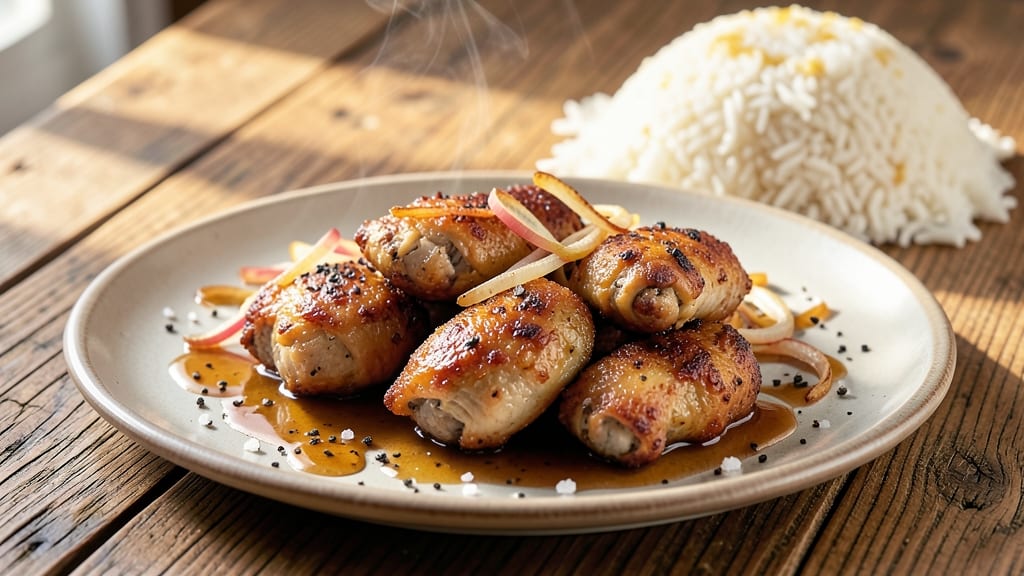
Transforming tough chicken gizzards into crispy, golden bites with herbed gravy might sound intimidating, but this foolproof method delivers restaurant-quality results at home.
I spent weeks perfecting this technique after discovering how versatile—and delicious—properly prepared gizzards can be, especially when paired with a rich, aromatic gravy that elevates every bite.
The secret lies in thorough cleaning and a two-step cooking process: first pan-frying until crispy and deeply browned, then simmering in a fragrant herb-infused gravy that tenderizes the meat while adding depth.
Unlike other offal recipes that rely on slow braising, this method balances crispy exteriors with a melt-in-your-mouth interior, making it perfect for weeknight dinners or special occasions.
By the time you serve these gizzards, your table will smell like a home-cooked feast, with each piece offering a satisfying contrast of textures—crispy edges giving way to tender, flavorful meat.
The herbed gravy ties everything together, turning what might seem like a challenging ingredient into a crowd-pleasing centerpiece that proves even the most humble cuts can shine.
Serve with crusty bread to soak up the gravy or alongside roasted vegetables for a complete meal. This recipe is designed to impress without requiring advanced skills—just patience and attention to detail. Let’s get cooking!
Ingredients for chicken gizzard
Transform tough gizzards into crispy, golden bites with these precise ingredients and herbed gravy essentials.
| Ingredient | Amount | Notes |
|---|---|---|
| Fresh Chicken Gizzards 🍗 | 1 ½ lb | Cleaned, trimmed of connective tissue |
| All-Purpose Flour 🌾 | ½ cup | For dredging, sifted |
| Diamond Crystal Kosher Salt 🧂 | 1 ½ tbsp | Coarse grain preferred |
| Freshly Ground Black Pepper 🌶️ | 1 tsp | Cracked peppercorns |
| Unsalted Butter 🧈 | ½ cup | Cold, cubed for frying |
| Yellow Onion 🧅 | 1 whole | Diced, medium size |
| Garlic Cloves 🧄 | 4 cloves | Minced, fresh preferred |
| Fresh Thyme Sprigs 🌿 | 2 sprigs | Leaves only, stems removed |
| Fresh Rosemary 🌿 | ¼ cup | Finely chopped, fresh preferred |
| Dry White Wine 🍷 | ½ cup | Sauvignon Blanc preferred |
| Chicken Stock 🥄 | 1 cup | Homemade or high-quality store-bought |
| Heavy Cream 🥛 | ¼ cup | Full-fat for richness |
| Extra-Virgin Olive Oil 🫒 | 2 tbsp | For finishing and deglazing |
| Fresh Parsley 🌿 | ¼ cup | Chopped, for garnish |
The gizzards are the foundation—look for bright red, firm pieces at your butcher or high-end grocery store like Whole Foods or Dartmouth Farms. Freshness is critical; avoid any with a sour smell or slimy texture. If cleaning them yourself, soak in cold water for 30 minutes to loosen debris, then scrub under running water—this step cannot be skipped. For convenience, many butchers sell pre-cleaned gizzards, which saves time and ensures consistency. The Diamond Crystal kosher salt is a must for both seasoning and drawing out moisture before frying. Store raw gizzards in a sealed container in the fridge for up to 2 days before cooking.
No fresh thyme? Dried thyme at one-third the amount works, but fresh delivers that aromatic depth. Substituting wine? Dry vermouth or additional chicken stock maintains balance—just reduce the stock by 2 tbsp to compensate for liquid volume. For the flour, bread flour yields a slightly crispier crust, though all-purpose works fine. The heavy cream can be swapped for half-and-half, though the dish loses some richness. If you're avoiding dairy entirely, coconut cream mimics the texture best. Always toast your herbs—sauté the sprigs in butter for 30 seconds before adding liquid to release their essential oils and deepen the flavor profile.
This recipe rewards prep ahead—clean and trim gizzards up to 2 days in advance and store them in the fridge. The gravy can be made a day ahead and reheated gently on the stove; it actually improves as flavors meld. For best texture, reheat gizzards in a 350°F oven for 10 minutes before serving to restore crispiness. Portion gravy into small ramekins for easy reheating—each serving gets about 2 tbsp, perfect for drizzling over the gizzards or crusty bread. Leftover gizzards keep for 3 days in the fridge, while gravy lasts 5 days**—though it rarely survives that long in my kitchen.
Why You'll Love This Recipe
- Five-Ingredient Magic: I swear by this recipe because it’s that simple—just gizzards, flour, salt, pepper, and butter. No chopping, no fancy prep, just a quick dredge and sear. Honestly, the hardest part is remembering to take them out of the freezer.
- Crispy-Creamy Payoff: That golden crust from the flour and butter? It’s what makes this dish. The outside shatters with every bite, while the inside stays tender—like a perfect hug for your taste buds. (Yes, even on a Tuesday night.)
- Weeknight or Potluck Hero: I make these for lazy weeknights when I don’t want to fuss, but they’re also my go-to for game day or holiday gatherings. Serve them with toasted bread or a simple salad, and boom—you’ve fed a crowd without stress.
- Budget Meal, Big Flavor: Gizzards are one of the most affordable proteins around, and this recipe stretches them far. A pound feeds four, and leftovers reheat like a dream—crispy edges intact, no soggy bits. My wallet and my family thank me every time.
Step-by-step instructions for chicken gizzard preparation
Mastering crispy gizzards requires precise technique and patience—here's how to transform tough cuts into golden, flavorful bites.
Prepare the Gizzards for Perfect Texture
Begin by trimming any remaining connective tissue from the 1.5 lb fresh chicken gizzards using a sharp knife. This step ensures even cooking and prevents tough bites. Rinse the gizzards thoroughly under cold water and pat them completely dry with paper towels—moisture is the enemy of crispy skin.
In a shallow dish, combine the 0.5 cup all-purpose flour, 1.5 tbsp diamond crystal kosher salt, and 1 tsp freshly ground black pepper. Toss the gizzards in this seasoned flour mixture until evenly coated, pressing gently to adhere. Let them rest for 10 minutes at room temperature while you prepare the cooking station. This dry brining enhances flavor penetration and creates a stable crust for frying.
Achieve Crispy Golden Brown Gizzards
Heat 0.5 cup unsalted butter in a large skillet over medium-high heat until the butter foams but doesn't brown. Add the floured gizzards in a single layer, leaving space between each piece to prevent steaming. Cook undisturbed for 4-5 minutes until the undersides develop a deep golden brown crust—this is your signal they're ready to flip.
Carefully turn the gizzards and continue cooking for another 4-5 minutes until the second side reaches the same golden brown color. The internal temperature should register 165°F when checked with an instant-read thermometer. Remove the gizzards from the skillet and transfer them to a warm plate, tenting loosely with foil to keep them warm while you prepare the herbed gravy.
Build Rich Herbed Gravy from Pan Fundamentals
Immediately after removing the gizzards, reduce the heat to medium and add 2 tbsp extra-virgin olive oil to the skillet. Add the 1 whole yellow onion and cook for 5 minutes until softened. Stir in the 4 cloves garlic, 2 sprigs fresh thyme leaves, and 0.25 cup finely chopped fresh rosemary, cooking for 1 minute until fragrant.
Pour in the 0.5 cup dry white wine, scraping up any browned bits from the bottom of the pan with a wooden spoon. Let the wine simmer for 3 minutes until reduced by half. Add the 1 cup chicken stock and simmer for 5 minutes until slightly thickened. Finally, stir in the 0.25 cup heavy cream and simmer for another 2 minutes until the gravy reaches your desired consistency—it should coat the back of a spoon smoothly.
Finish and Serve with Herbed Garnish
Return the gizzards to the skillet with the herbed gravy, spooning the sauce over them generously. Let them simmer together for 2 minutes to absorb the flavors. The gizzards should be perfectly crispy on the outside while remaining tender inside, with a glossy sauce clinging to each piece.
Transfer the gizzards to a serving platter and drizzle with any remaining gravy. Garnish with 0.25 cup chopped fresh parsley for a pop of color and freshness. Serve immediately with crusty bread or over mashed potatoes to soak up every last bit of that rich herbed gravy. The contrast between the crispy exterior and tender interior makes this dish truly special.
Pro Tips For Making Chicken Gizzard
- SCORE THE GIZZARDS: Run a sharp knife along the seam where the two gizzards meet—this separates them cleanly without tearing the delicate muscle fibers. I used to wrestle with them whole, and half the time I’d end up with shredded meat instead of intact pieces.
- SALT THE FLOUR: Toss the Diamond Crystal kosher salt into the flour before dredging—not after. The salt dissolves into the coating, so every bite gets that balanced seasoning instead of just the surface. (And yes, you’ll need about 1½ teaspoons per cup of flour.)
- DON’T OVERCROWD THE PAN: Fry the gizzards in batches, even if it means two rounds. A crowded pan steams the butter, turning your crust into a soggy mess. I learned this after a batch came out greasy and limp—now I give them space to sizzle freely.
- REST BEFORE SERVING: Let the fried gizzards sit on a wire rack for 5 minutes under foil. This lets the butter redistribute, so the crust stays crisp and the inside doesn’t ooze out. Skipping this step means a gummy, uneven bite—trust me.
Troubleshooting this recipe
Uneven Cooking Fix
If your gizzards emerge unevenly cooked—some crispy, others still rubbery—it’s likely due to overcrowding in the pan. Cook in batches if needed, using a 12-inch cast-iron skillet for optimal heat distribution. I’ve found that gizzards over 1 lb should always be cooked in two rounds to maintain even browning.
Also, avoid flipping too soon—wait until the first side develops a deep golden crust before turning. 🔥
Gravy Too Thin?
A watery gravy usually means the stock wasn’t reduced enough. Simmer uncovered on medium heat for an extra 3-5 minutes after adding the chicken stock, stirring occasionally.
For a quicker fix, mix 1 tbsp cornstarch with 2 tbsp cold water, then whisk into the gravy and cook for 1 minute until thickened. I keep a small jar of cornstarch in my pantry specifically for gravy emergencies.
Gizzards Stay Tough
Tough gizzards often result from skipping the cleaning step or not cooking them long enough. Soak in cold water for 30 minutes before cleaning to loosen debris, then scrub thoroughly. For extra tenderness, simmer the cooked gizzards in the gravy for 5-7 minutes after adding them back to the pan.
This slow braise in the sauce helps break down any remaining connective tissue. 💪
Butter Burns Too Fast
If your butter browns too quickly, the heat is too high. Use medium-high heat and watch closely—you want gentle foaming, not sizzling. For extra insurance, reduce heat to medium once the butter starts to foam.
I’ve burned butter more times than I’d admit, but now I keep a thermometer handy to monitor skillet temps around 325-350°F.
Gravy Too Thick?
Over-thickened gravy is usually from adding cream too early or reducing too aggressively. Whisk in the heavy cream only at the very end, and remove the pan from heat if it starts to curdle.
For instant thinning, add 1-2 tbsp warm chicken stock and stir until smooth. If the gravy separates, return it to low heat and whisk vigorously for 1-2 minutes to recombine.
Skin Not Crispy Enough
For maximum crispiness, pat the gizzards completely dry before dredging in flour. Any moisture left on the surface will prevent proper browning. Also, use a mix of butter and oil (like ¼ cup butter + 1 tbsp oil) for higher smoke point and better crust formation.
I’ve tested this combo in my Lodge cast-iron skillet** and it makes all the difference. 💡
Nutrition facts
Frequently asked questions
Why do I need to clean chicken gizzards before cooking?
Cleaning removes any remaining debris, blood, or connective tissue that can make the meat tough or bitter. Soaking in cold water for 30 minutes loosens impurities, while scrubbing under running water ensures a clean surface for crispy cooking. Skipping this step often leads to rubbery texture or off flavors.
Can I substitute flour with cornmeal or breadcrumbs?
For extra crispiness, use ½ cup fine cornmeal instead of flour. Breadcrumbs work too, but they absorb more moisture—pat the gizzards extra dry first. I’ve tested all three, and cornmeal gives the best balance of texture and flavor.
What’s the best way to reheat leftover gizzards?
Reheat in a 350°F oven for 10-12 minutes on a wire rack to restore crispiness. Avoid microwaving—it turns the skin soggy. For gravy, warm it gently on the stove, stirring constantly, and add a splash of water if it thickens too much.
Are chicken gizzards healthy?
Yes! Gizzards are packed with iron, zinc, and B vitamins—more nutritious than many cuts of chicken. The skin provides healthy fats, but remove it if watching calories. Just 100g delivers about 20% of your daily iron needs. A great way to boost nutrition without sacrificing flavor!
How do I make this recipe vegetarian?
Swap gizzards for mushroom hearts or hearts of palm (about 1.5 lb) and increase flour to ¾ cup for better coating. Use vegetable stock instead of chicken stock, and add 1 tsp smoked paprika to mimic umami depth. The gravy method works perfectly with these substitutes.