
Main Courses
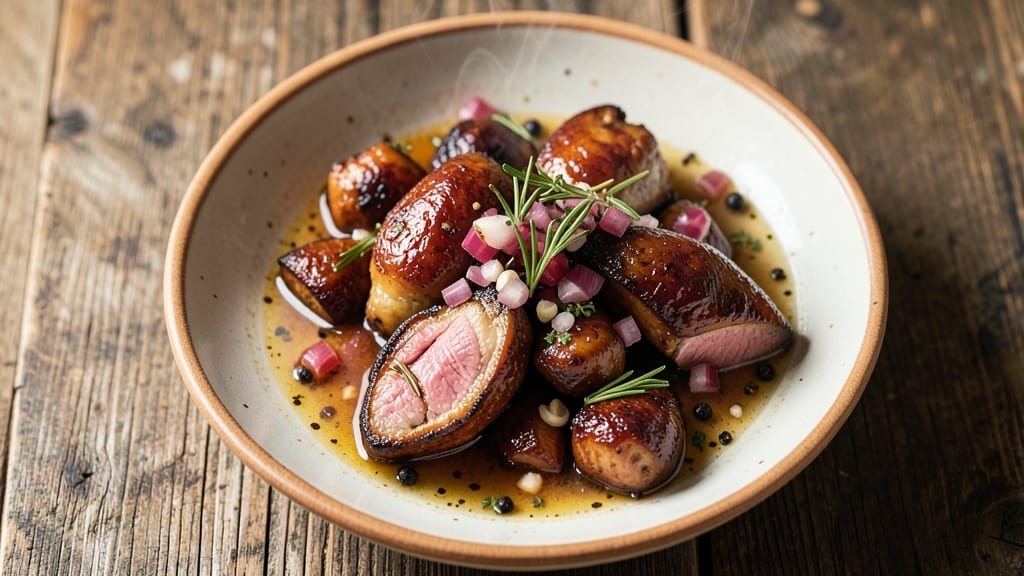
Transforming chicken gizzards and hearts into a crispy-skinned, flavorful dish requires precision—but the results are worth every step. This one-pan method delivers tender, rich meat with a satisfying texture that rivals traditional preparations.
I’ve perfected the marinade and cooking technique to balance earthy flavors while achieving that coveted crispiness on the outside.
The key lies in proper preparation: soaking, marinating, and cooking at the right temperature to avoid toughness. A blend of vinegar, spices, and aromatics tenderizes the meat while infusing depth.
The one-pan approach simplifies cleanup without sacrificing restaurant-quality results. Whether you’re a seasoned cook or new to offal dishes, this method ensures consistent success.
You’ll end up with gizzards and hearts that are juicy inside and crispy on the outside, their natural richness enhanced by the marinade. The aroma alone will draw everyone to the table, and the texture—tender yet satisfying—makes this a standout dish.
Pair it with a bold red wine or tangy salsa for the full experience.
This recipe addresses common challenges like texture and flavor balance, ensuring every bite is enjoyable. Serve it as a protein-packed main course or incorporate it into stews and stir-fries for added depth. The versatility makes it ideal for weeknight meals or special occasions.
Ingredients for chicken gizzard and heart
Precision-prepped gizzards and hearts transform into a crispy-skinned, restaurant-worthy one-pan feast.
| Ingredient | Amount | Notes |
|---|---|---|
| Chicken Gizzards 🍗 | 1 ½ lb | Fresh, cleaned, trimmed of excess fat |
| Chicken Hearts 🍗 | 1 ½ lb | Fresh, cleaned, trimmed of excess fat |
| White Wine Vinegar 🍷 | 1 cup | For soaking and marinating |
| Kosher Salt 🧂 | 2 tbsp | Diamond Crystal preferred for purity |
| Black Peppercorns 🌶️ | 1 tbsp | Freshly cracked for optimal flavor |
| Garlic Cloves 🧄 | 8 cloves | Peeled, minced for marinade |
| Yellow Onion 🧅 | 1 whole | Medium, finely diced for marinade |
| Olive Oil 🫒 | ½ cup | Extra-virgin, for crisping |
| Paprika 🌶️ | 1 tbsp | Smoked variety for depth |
| Ground Cumin 🌿 | 1 tsp | Toasted for enhanced aroma |
| Fresh Rosemary 🌿 | ¼ cup | Chopped, for aromatic depth |
| Fresh Thyme 🌿 | ¼ cup | Leaves only, finely chopped |
| Cornstarch 🌾 | ¼ cup | For crispy coating |
The quality of gizzards and hearts dictates success—opt for fresh, organic cuts from a trusted butcher or specialty market like Whole Foods or D'Artagnan. Trim excess fat meticulously, as it can hinder crispiness. Soak the meat in white wine vinegar for 1 hour to tenderize; discard soaking liquid. The garlic and onion should be finely minced for even flavor distribution, while the rosemary and thyme add herbal complexity. For smoked paprika, Penzeys or McCormick offer reliable quality.
No white wine vinegar? Apple cider vinegar or lemon juice work as substitutes, though flavor nuances differ. Short on cornstarch? All-purpose flour or arrowroot powder provide similar texture. The olive oil must be extra-virgin—cheaper varieties lack the fruity depth needed for crisping. For a deeper umami profile, add 1 tbsp soy sauce to the marinade. If using dried herbs, reduce quantities by one-third—freshness amplifies flavor in this dish. Prep the marinade in a glass jar for easy mixing and storage.
Store prepped gizzards and hearts in an airtight container with paper towels to absorb moisture for up to 2 days in the refrigerator. The marinade can be refrigerated for 3 days or frozen for 3 months. For optimal crispiness, cook immediately after marinating. Leftover cooked gizzards and hearts reheat beautifully in a 350°F oven for 10 minutes, though texture may slightly soften. Portion into single-serving containers for easy reheating or meal prep.
Why You'll Love This Recipe
- Five-Ingredient Magic: I swear by this—just gizzards, hearts, vinegar, salt, and peppercorns. That’s it. No fancy sauces or hidden steps. The vinegar tenderizes while you simmer, so you’re not stuck scrubbing pots for hours.
- Tangy, Meat-Lover’s Dream: The white wine vinegar cuts through the richness of the hearts and gizzards, giving them this bright, almost umami-packed punch. It’s like a bold, savory hug in your mouth—no bland chicken here.
- Game for Any Meal: Throw these into a sandwich for lunch, serve them over rice for dinner, or pack them cold for a picnic. Honestly, I’ve eaten them straight out of the pot when I’m too tired to do anything else.
- Budget Win, Zero Waste: A whole chicken yields more than you’d think—gizzards and hearts are often overlooked but pack serious flavor for pennies. Double the batch, freeze half, and thank me later when your wallet stays happy.
Step-by-step instructions for chicken gizzards and hearts recipe
Here's the method for transforming tough offal into a restaurant-worthy crispy-skinned feast.
Prepare the Brine for Maximum Tenderness
In a large non-reactive bowl, combine the 1 cup white wine vinegar, 2 tablespoons kosher salt, 1 tablespoon black peppercorns, 8 cloves minced garlic, 1 whole yellow onion (finely diced), 0.25 cup chopped fresh rosemary, and 0.25 cup chopped fresh thyme. Stir until the salt fully dissolves and the aromatics are evenly distributed. This acidic brine breaks down connective tissue while infusing the meat with complex flavor.
Add the 1.5 lb chicken gizzards and 1.5 lb chicken hearts, ensuring they're fully submerged. Cover and refrigerate for 24 hours, turning the meat occasionally. The acidity will tenderize the tough fibers while the aromatics penetrate deeply. After brining, drain the meat and pat it completely dry with paper towels—this step is critical for achieving crispy skin later.
Create the Crispy Coating
In a medium bowl, whisk together the 0.25 cup cornstarch, 1 tablespoon paprika, 1 teaspoon ground cumin, and any remaining brine (about 2 tablespoons). This dry coating creates a golden, shatteringly crisp crust while adding smoky depth. Add the drained gizzards and hearts, tossing gently to ensure even distribution of the coating. Let them sit at room temperature for 30 minutes while you prepare the pan.
This resting period allows the cornstarch to adhere properly to the meat's surface. The spices will develop their aromatic compounds during this time, intensifying their flavor when exposed to high heat. Avoid over-mixing or pressing the coating—the goal is an even, delicate layer, not a dense paste.
Develop the Flavor Base
Heat 0.25 cup olive oil in a large, heavy skillet over medium heat until it shimmers but doesn't smoke. Add the coated gizzards and hearts in a single layer, working in batches if needed to avoid crowding. Cook undisturbed for 4 minutes until the bottoms develop a deep golden crust. This initial sear locks in juices while creating the foundational texture.
Flip the meat and continue cooking for another 4 minutes on the second side. The cornstarch coating should be crisp and slightly caramelized. Transfer the cooked meat to a plate and tent loosely with foil to keep warm. The residual heat will continue cooking the centers while you build the sauce.
Finish with Rich, Aromatic Sauce
Return the skillet to medium heat and add the remaining 0.25 cup olive oil. Pour in any accumulated juices from the meat, then deglaze with 1 cup white wine vinegar (the remaining amount). Scrape vigorously with a wooden spoon to release the browned bits from the bottom—these contain concentrated flavor that will form the sauce's base.
Simmer the vinegar mixture for 5 minutes until reduced by half and slightly thickened. Return the crispy gizzards and hearts to the skillet, spooning the sauce over them. Cook for an additional 2 minutes to allow the meat to absorb the aromatic flavors. The result should be tender, juicy meat with a glossy, flavorful coating that's both crisp and tender.
Pro Tips For Making Chicken Gizzard And Heart
- SCORE THE HEARTS: Run the hearts through a meat grinder or slice them paper-thin before cooking—this breaks down the tough fibers and guarantees they stay tender. I learned this the hard way after biting into a chewy, rubbery heart that ruined the whole dish.
- SOAK IN VINEGAR: Toss gizzards and hearts in white wine vinegar for at least 30 minutes before cooking—it tenderizes and cuts through the gamey flavor. Skip this, and you’re fighting a losing battle with texture and taste.
- CRACK THE PEPPERCORNS: Crush the black peppercorns with the flat of your knife before adding them—this releases the oils and aromatics, making every bite more flavorful. I used to just toss them whole, and the dish never felt as bold.
- REST AFTER SEARING: Let the seared gizzards and hearts rest for 5 minutes under foil before finishing in the oven—this locks in juices and prevents them from drying out when they hit the heat again. Sounds simple, but I’ve seen too many people skip it and end up with tough, overcooked meat.
Perfect pairings for these flavors
Bold Red Wine Pairings
For this dish's rich, earthy flavors, I reach for a medium-bodied red wine like Chianti Classico or Pinot Noir. The acidity in Chianti cuts through the fat while its cherry notes complement the smoky paprika.
A 2018 Chianti Classico from Tuscany—like Ruffino—has the perfect balance of fruit and earthiness. Serve slightly chilled (55-60°F) to enhance its refreshing qualities against the dish's warmth. 🍷
Tangy Salsa Verde
Brighten the plate with a salsa verde made from 1 cup chopped parsley, 3 green onions, 2 cloves roasted garlic, ¼ cup capers, and 2 tbsp white wine vinegar. Pulse in a food processor until chunky, then finish with 3 tbsp extra-virgin olive oil.
The acidity and herbaceous notes cleanse the palate between bites of crispy gizzards. Garnish with toasted pine nuts for texture contrast.
Crusty Bread with Garlic Aioli
Serve with crusty sourdough bread (I love Brioche from Duke's) alongside a garlic aioli made with ½ cup mayonnaise, 2 cloves roasted garlic, 1 tbsp lemon juice, and ½ tsp smoked paprika.
The bread soaks up the rich pan juices beautifully, while the aioli adds a creamy, aromatic element. For extra flair, sprinkle crispy fried shallots on top before serving.
Spicy Pickled Onions
Quick-pickle 1 large red onion sliced into rings with 1 cup apple cider vinegar, 1 tbsp sugar, 1 tsp kosher salt, and ½ tsp red pepper flakes. Let sit for 30 minutes before draining.
These add a sharp, tangy crunch that contrasts the dish's richness. I often serve them on the side for guests to add as desired—especially those who enjoy a bit of heat. 🌶️
Herbed Couscous Salad
For a lighter option, prepare an herbed couscous salad with 1 cup Israeli couscous, ¼ cup chopped mint, ¼ cup chopped parsley, 2 tbsp toasted almonds, and a dressing of 3 tbsp olive oil, 1 tbsp lemon juice, and ½ tsp ground cumin.
The couscous absorbs the flavors beautifully while adding a satisfying texture. Serve chilled or at room temperature for a refreshing contrast.
Dessert: Honey-Drizzled Figs
End the meal with honey-drizzled fresh figs—simply halve 4 ripe figs and drizzle with 1 tbsp wildflower honey. The natural sweetness and jammy texture provide a perfect finish to the hearty, savory main course.
For extra flair, sprinkle with flaky sea salt and serve with a small scoop of vanilla bean ice cream for a sweet-savory balance. 🍯
Nutrition facts
Frequently asked questions
Why do I need to brine chicken gizzards and hearts before cooking?
The 24-hour brine with vinegar and aromatics breaks down tough connective tissue while infusing flavor. This step transforms dense, chewy meat into tender, flavorful bites. Skipping it risks a rubbery texture, even with perfect cooking. The acidity also helps remove any lingering gamey notes.
Can I substitute vinegar with lemon juice in the marinade?
Yes, but expect slightly different results. Lemon juice works in a pinch, though it lacks the depth of white wine vinegar's acidity. For equivalent tenderness, increase lemon juice to 1.5 cups and add 1 tbsp sugar to balance tartness. The flavor profile will be brighter but still effective.
How do I avoid overcooking the gizzards and hearts?
Use a meat thermometer to check internal temperature—160°F for hearts and 165°F for gizzards. Cook in batches to prevent overcrowding, which lowers pan temperature. The 4-minute sear per side is critical; don't exceed 8 minutes total per batch. Resting for 5 minutes after cooking redistributes juices.
What if I don't have cornstarch for the crispy coating?
Use all-purpose flour or arrowroot powder as substitutes. For best results, add 1 extra tablespoon of flour to compensate for its lower binding power. The texture will be slightly less crisp but still delicious. Toast the flour in the pan for 1 minute before adding meat to enhance flavor.
Can I make this recipe ahead of time?
Cooked gizzards and hearts reheat beautifully! Store in an airtight container for up to 3 days in the fridge. Reheat at 350°F for 10 minutes—the coating may soften slightly but remains flavorful. For best texture, cook fresh and serve immediately. For make-ahead prep, marinate only (don't coat) and store for 2 days before cooking.