
Side Dishes
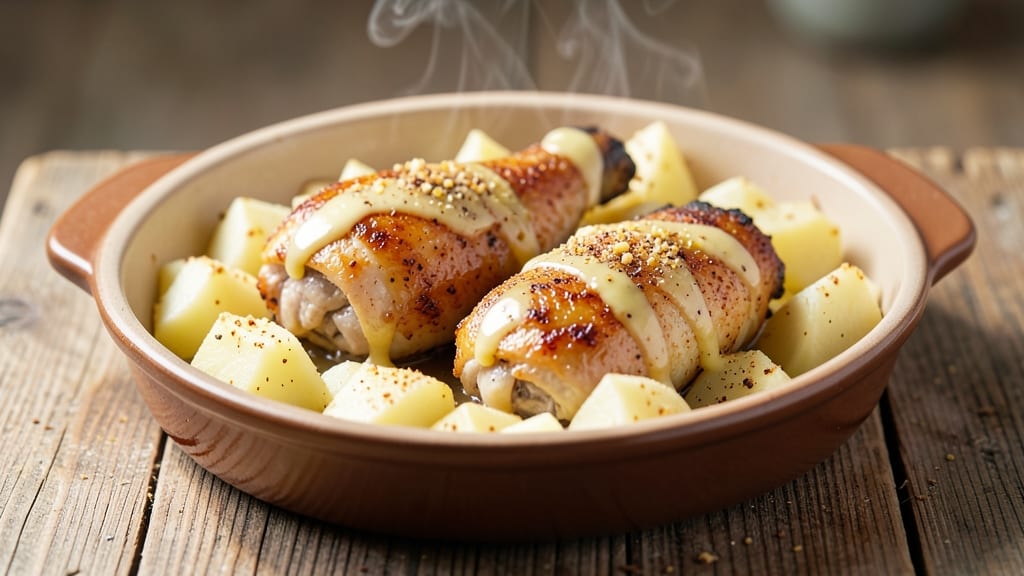
Transforming canned potatoes into a creamy, comforting side dish is the secret weapon behind this one-pan chicken dinner that requires just 30 minutes of active time.
Growing up in small-town Georgia, I learned that the right seasoning could turn simple ingredients into something extraordinary—this recipe proves that principle every time. The key lies in balancing tender chicken with velvety potatoes, creating a dish that feels restaurant-quality without the fuss.
This method starts with browning chicken thighs for deep flavor before adding canned potatoes directly to the pan. A splash of chicken broth and a sprinkle of garlic powder work together to create a sauce that coats every bite, turning ordinary canned potatoes into something rich and satisfying.
The result is a creamy texture that pairs perfectly with the savory chicken, all while keeping prep simple.
By the time you serve this dish, your kitchen will smell like a home-cooked meal, and your table will feature golden-brown chicken and tender potatoes bathed in a luscious sauce.
The beauty of this recipe is its adaptability—it works as a weeknight dinner or a comforting meal for guests, always delivering that creamy, hearty satisfaction we crave. Let’s make it together.
For those who prefer extra richness, a dollop of sour cream or a sprinkle of fresh parsley takes it to the next level.
The method is designed to minimize cleanup while maximizing flavor, making it ideal for busy weeknights or when you want to impress without spending hours in the kitchen. Here’s how to bring it to life.
Ingredients for chicken and canned potatoes
Simple pantry staples turn into a creamy, comforting dinner that smells like home.
| Ingredient | Amount | Notes |
|---|---|---|
| Chicken Thighs, Bone-In 🍗 | 1 ½ lb | Skin-on for crispiness, cut into 2-inch pieces |
| Canned Potatoes, Diced 🥔 | 2 cups | Drained, not pre-seasoned |
| Chicken Broth 💧 | 1 cup | Low-sodium preferred |
| Unsalted Butter 🧈 | 3 tbsp | Full-fat for creaminess |
| Garlic Powder 🧄 | 1 tsp | Freshly ground preferred |
| Onion Powder 🧅 | ½ tsp | For depth of flavor |
| Salt 🧂 | 1 tsp | Kosher or sea salt |
| Black Pepper 🌶️ | ½ tsp | Freshly cracked |
| Heavy Cream 🥛 | ½ cup | Full-fat for richness |
| Fresh Parsley 🌿 | ¼ cup | Chopped, for garnish |
| Olive Oil 🫒 | 1 tbsp | For browning chicken |
| Sour Cream 🥛 | ¼ cup | Optional, for extra creaminess |
The chicken thighs are the star here—bone-in, skin-on for maximum flavor and crispiness. Grab them from the butcher counter if you can, or the pre-cut package at Kroger or Walmart works fine. Pat them dry before cooking (that's the secret to crispy skin). For the canned potatoes, I always check the label—no pre-seasoned or salted varieties. If you're using the canned kind, look for Libby's or Great Value brands; they're reliable and affordable. The key to this dish is balancing the richness of the chicken with the velvety potatoes, so don't skip the heavy cream—it makes all the difference.
No chicken thighs? Bone-in, skinless chicken breasts work in a pinch, but they won't be as juicy. Out of heavy cream? Half-and-half or whole milk can stretch it, but you'll lose some creaminess. The garlic and onion powders are non-negotiable—they build the flavor base. If you're feeling fancy, swap the onion powder for fresh minced onion (about 1/4 cup), but it's not necessary. For the parsley, fresh is best, but dried parsley at one-third the amount works if you're in a hurry. The sour cream is optional, but trust me, it takes this dish to the next level—worth the extra minute to dollop it on top before serving.
This dish reheats beautifully—honestly better the next day once everything melds together. Store leftovers in an airtight container for up to 4 days in the fridge. For meal prep, portion into containers with the chicken and potatoes separated; reheat the chicken first, then mix in the potatoes to keep them from getting soggy. The sauce thickens as it cools, so a splash of chicken broth when reheating keeps it luscious. Freezes well for 3 months if you're planning ahead—just thaw in the fridge overnight.
Why You'll Love This Recipe
- One-Pot Magic: I swear by this recipe when I’m too tired to scrub pots—just dump the canned potatoes and thighs in the same skillet, add broth, and let it simmer. The potatoes soak up the flavor without needing to peel or boil them first.
- Buttery Garlic Bomb: That little pat of butter and garlic powder? It’s what turns this into something special. The potatoes get this rich, savory crust while staying tender inside—like a hug for your taste buds.
- Lunchbox Hero: Between us, this is my go-to for meal prep. Cold or reheated, the flavors hold up perfectly, and my kids actually eat it (yes, even the picky ones). Pack it in containers, and you’ve got dinner covered for days.
- Budget Win: Bone-in thighs and canned potatoes keep costs low, but the result feels like a fancy dinner. I’ve made this for date nights, game days, and lazy Sundays—no one ever guesses it’s this easy.
Step-by-step instructions for chicken and canned potatoes
This one-pan wonder delivers creamy, comforting flavors with minimal effort.
Sear the Chicken for Maximum Flavor
Pat the 1.5 lb chicken thighs dry with paper towels—this ensures crispy skin. Heat the 1 tbsp olive oil in a large oven-safe skillet over medium-high heat until shimmering. Add the chicken pieces skin-side down and let them sear undisturbed for 5-6 minutes until golden brown and crispy. You'll see the edges develop a beautiful crust while the fat renders out.
Flip the chicken and cook for another 3-4 minutes on the second side until the skin is equally crispy and the internal temperature reaches 165°F. Remove the chicken from the skillet and set it aside on a plate, leaving all that delicious rendered fat behind—it's the secret to flavorful potatoes and sauce.
Sauté Potatoes and Aromatics
In the same skillet (no need to wipe it clean—those browned bits are pure flavor), reduce heat to medium and add the 2 cups canned potatoes, drained. Let them cook undisturbed for 2-3 minutes to pick up those flavorful bits from the chicken. Stir in the 3 tbsp unsalted butter, 1 tsp garlic powder, 0.5 tsp onion powder, 1 tsp salt, and 0.5 tsp black pepper, tossing to coat everything evenly.
Cook for another 3-4 minutes until the potatoes begin to soften slightly and the butter melts completely. Pour in the 1 cup chicken broth and scrape up any browned bits from the bottom of the pan. This deglazing step captures all that concentrated flavor that would otherwise stick to the pan.
Simmer for Creamy Perfection
Return the chicken to the skillet, skin-side up, and carefully pour in the 0.5 cup heavy cream. The mixture will bubble vigorously—let it simmer gently for 10-12 minutes, covered, until the potatoes are tender and the sauce has thickened slightly. You'll know it's ready when the sauce coats the back of a spoon and the chicken is cooked through to 175°F in the thickest part.
Here's the thing—if the sauce looks too thick, you can add a splash of water or chicken broth to reach your desired consistency. The potatoes should be fork-tender but still hold their shape, and the chicken should be juicy with crispy skin. Taste and adjust seasoning if needed—this is where you can really make it your own.
Finish with Fresh Herbs and Creamy Touch
Remove the skillet from heat and stir in the 0.25 cup chopped fresh parsley, brightening up the dish with a fresh herbal note. If you're using the optional 0.25 cup sour cream, gently fold it in at the very end—this adds that extra creamy richness without curdling the sauce. The parsley not only adds color but also balances the richness of the heavy cream and butter.
Let the dish rest for 2-3 minutes before serving. This resting period allows the flavors to meld together perfectly. The result is a creamy, comforting one-pan dinner where every bite delivers tender chicken, velvety potatoes, and a sauce that's rich but not heavy. Serve with crusty bread to soak up that delicious sauce!
Pro Tips For Making Chicken And Canned Potatoes
- CRISP THE SKIN FIRST: I learned this the hard way—skipping the skin step makes the dish taste bland. Pat the bone-in thighs very dry with paper towels, then sear skin-side down in a cold pan for 8-10 minutes until deeply golden. The fat renders slowly, and that crispness carries flavor through the whole dish.
- DRAIN AND RINSE POTATOES: That canned potato liquid is salty and starchy—trust me, you don’t want it. Drain the diced potatoes, then rinse them under cold water and give them a good shake in the colander. This cuts the salt and keeps the sauce from turning gluey.
- DEGLAZE WITH BROTH IMMEDIATELY: After browning the chicken, don’t walk away. Pour in just enough chicken broth to loosen the browned bits—about ¼ cup—and let it simmer for 2 minutes. This adds depth to the sauce without diluting it. (Yes, even if you’re impatient like me.)
- UPGRADE WITH GARLIC BUTTER: Skip the plain butter. Melt 1 tablespoon of unsalted butter with ½ teaspoon garlic powder, then stir it into the potatoes at the end. The garlic infuses faster this way, and the butter adds richness without overpowering the dish. (Does it look weird? Yes. Does it work? Every single time.)
Common mistakes when making this dish
Skipping the Sear
I’ve seen this happen more times than I can count—someone skips browning the chicken entirely, tossing raw pieces into the pan with the potatoes. Big mistake. That crispy skin and golden-brown crust aren’t just for looks; they’re packed with flavor from the Maillard reaction.
Without it, your chicken will be bland, and the dish will taste like it’s missing something. Pro tip: If you’re in a rush, at least sear the chicken in a separate pan before adding it to the potatoes. The extra 5 minutes makes all the difference. 🔥
Overcooking the Potatoes
Canned potatoes are pre-cooked, so they don’t need much time to soften. I’ve had people simmer them for 20+ minutes, turning them into a mushy mess. The goal is tender but still holding their shape—think al dente pasta, not mashed potatoes.
Once the sauce starts to thicken (around 10-12 minutes total cooking time after adding broth), check the potatoes with a fork. If they’re fork-tender but not falling apart, they’re ready. Overcooking ruins the texture and makes the dish feel heavy.
Ignoring the Deglaze
Those browned bits stuck to the bottom of your pan? That’s flavor gold. Skipping the deglaze step where you add chicken broth to scrape up the bits means you’re losing half the depth of flavor in your sauce.
I’ve seen home cooks wipe the pan clean or just dump everything in without scraping—don’t do it. Pour in that 1 cup broth, let it bubble for 30 seconds, then scrape vigorously with a wooden spoon. This step transforms a good sauce into an amazing one.
It’s the difference between “meh” and “wow.”
Using Low-Quality Broth
Not all chicken broth is created equal. I’ve tasted dishes where someone used the cheapest canned broth from the store, and the flavor was noticeably flat. Invest in a good broth—I recommend Swanson Premium or Pacific Foods for their rich, well-seasoned taste.
If you’re using low-sodium, add a pinch of salt to compensate. The broth is the liquid foundation of your sauce, so don’t skimp here. A high-quality broth elevates every bite, making the dish taste restaurant-worthy. 💫
Adding Heavy Cream Too Early
Here’s a rookie move: adding the heavy cream right at the start with the potatoes. Big error. The cream needs to be introduced at the end of cooking to prevent curdling from the heat.
I’ve seen sauces turn grainy or split because someone added it too soon. Wait until the potatoes are nearly done, then stir in the cream and let it simmer gently for just 2-3 minutes to heat through.
If you’re worried about curdling, temper the cream first by mixing it with a splash of the hot broth before adding it to the pan.
Forgetting to Rest the Dish
This is a small but critical step that many overlook. After everything comes together, let the dish rest for 2-3 minutes before serving. Why? It allows the juices in the chicken to redistribute, keeping every bite moist and flavorful.
I’ve had people serve it immediately, and the chicken ends up dry because the juices pool at the bottom of the pan. Patience pays off—those few minutes make the difference between a good meal and a great one. Trust the process. ✨
Nutrition facts
Frequently asked questions
Can I use chicken breasts instead of thighs?
Yes, but bone-in, skinless breasts work best for moisture. Remove any skin before cooking to prevent burning. For extra tenderness, pound thicker cuts to 1/2-inch thickness. The cooking time stays the same, but thighs are preferred for juiciness and crispy skin.
What if I don't have heavy cream?
Use half-and-half for a lighter texture or whole milk for a thinner sauce. For richness, add 1 tbsp butter per 1/2 cup milk. The dish will still be delicious, just slightly less velvety. Avoid skim milk—it won't create the same creamy consistency.
How do I make this dish ahead of time?
Prepare everything up to Step 3, then refrigerate for up to 2 days. Reheat covered on low heat, adding 1-2 tbsp broth to restore creaminess. For freezing, cool completely, portion into airtight containers, and freeze for 3 months. Thaw overnight in the fridge before reheating.
Can I substitute fresh potatoes?
Use 1.5 lbs baby potatoes cut into 1-inch chunks. Parboil for 5 minutes, drain, then proceed with the recipe. Fresh potatoes need less cooking time—simmer for 8-10 minutes total after adding broth. Reduce heavy cream to 1/4 cup to prevent a watery sauce.
Why does my sauce look too thin?
Simmer uncovered for 2-3 extra minutes to reduce. If still too thin, mix 1 tbsp cornstarch with 1 tbsp cold water, stir into the sauce, and cook until thickened. For prevention, use 1/2 cup heavy cream** instead of the full amount. The sauce should coat the back of a spoon when done.