
Main Courses
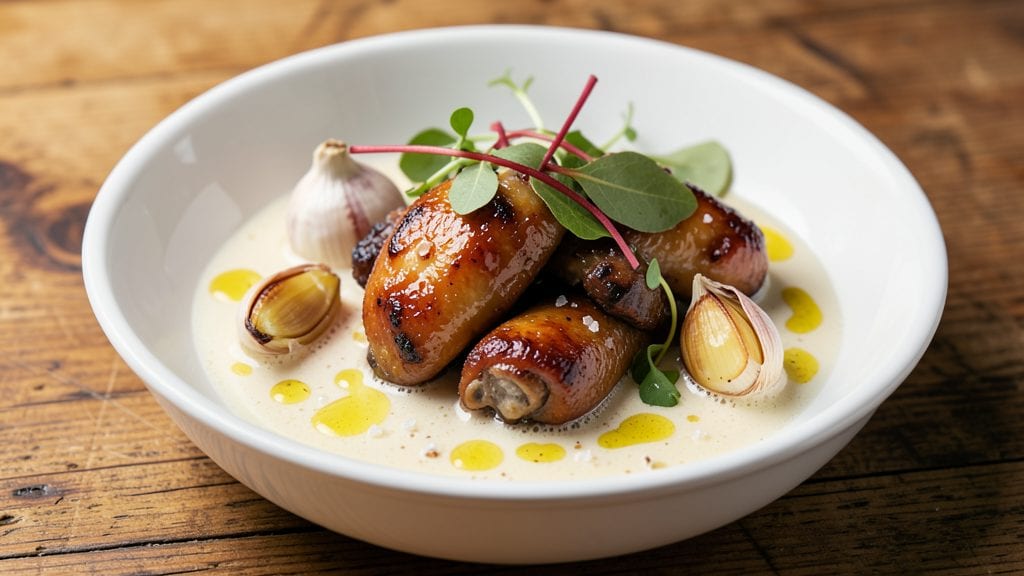
Boiled chicken gizzards deliver juicy, melt-in-your-mouth texture that transforms this often-overlooked cut into a standout dish. After years of perfecting the technique—from proper cleaning to precise simmering—I’ve created a method that guarantees tender, flavorful results every time.
The key lies in patience and preparation, ensuring the gizzards stay moist and absorb seasonings beautifully.
This recipe starts with simple ingredients but delivers restaurant-quality depth through careful technique. You’ll need just chicken gizzards, water, salt, and optional aromatics like bay leaves or garlic.
The process is straightforward: clean, blanch, then simmer gently until fork-tender, typically 30-45 minutes depending on size. No fancy equipment required—just a pot and attention to detail.
The result is tender, flavor-packed gizzards with a rich, savory taste that pairs perfectly with crusty bread or as part of a hearty stew. The texture is unmatched—firm yet yielding, with none of the chewiness that often plagues improperly cooked gizzards.
Whether served as a standalone dish or incorporated into larger meals, this method elevates a budget-friendly cut into something truly special.
For those short on time, a pressure cooker reduces the cooking time to just 10 minutes, though stovetop simmering yields the most traditional results. Serve with a squeeze of lemon or a sprinkle of fresh herbs to brighten the natural richness. Let’s get cooking—your taste buds will thank you.
Ingredients for boil chicken gizzards
Simple ingredients transform budget-friendly gizzards into restaurant-worthy tenderness through precise technique.
| Ingredient | Amount | Notes |
|---|---|---|
| Chicken Gizzards 🍗 | 1 ½ lb | Fresh, cleaned, trimmed of excess fat |
| Water 💧 | 4 cups | Cold, filtered preferred |
| Diamond Crystal Kosher Salt 🧂 | 1 ½ tbsp | Fine grain for even seasoning |
| Fresh Garlic Cloves 🧄 | 4 cloves | Peeled, lightly crushed |
| Bay Leaves 🌿 | 2 whole | Dried, for subtle aroma |
| Fresh Lemon Juice 🍋 | 1 tbsp | Brightens final flavor |
| Fresh Parsley 🌿 | ¼ cup | Chopped, for garnish |
| Black Peppercorns 🌶️ | ½ tsp | Freshly cracked for heat |
| White Wine Vinegar 🍷 | 1 tbsp | For blanching acidity |
| Extra-Virgin Olive Oil 🫒 | 1 tbsp | Drizzled post-cooking |
The quality of chicken gizzards makes all the difference—opt for fresh, plump gizzards from a trusted butcher or specialty poultry supplier. Costco or local farmers markets often carry them at reasonable prices, though they’re sometimes hidden behind the counter. Look for gizzards with minimal fat deposits and a vibrant, pinkish hue; avoid any with an off-putting odor or grayish tint. If sourcing from a grocery store, check the refrigerated meat section or ask the seafood clerk—they’re often overlooked but worth seeking out for their rich, meaty texture. For optimal results, purchase gizzards the same day you plan to cook them, as they can dry out quickly even when refrigerated.
No fresh bay leaves? Dried will suffice, though use half the quantity. Substituting garlic with garlic powder at one-third the amount works in a pinch, but fresh is ideal for depth. The blanching step with white wine vinegar is critical—it helps tenderize the gizzards and removes impurities. If you lack vinegar, lemon juice works equally well. For a richer finish, consider adding 1 tbsp of unsalted butter to the simmering water, though it’s optional. The parsley garnish can be omitted if you’re short on time, but it adds a fresh contrast to the savory gizzards. For those with dietary restrictions, ensure the gizzards are kosher-certified if avoiding pork-derived products.
Gizzards can be prepped ahead: clean and trim them, then store in an airtight container with a paper towel to absorb moisture for up to 2 days in the refrigerator. Once cooked, they reheat beautifully—simmer in broth or water for 5-7 minutes until warmed through. For longer storage, portion into containers with a drizzle of olive oil and refrigerate for up to 4 days or freeze for 3 months. When reheating from frozen, thaw overnight in the fridge before simmering. The texture remains tender, but avoid microwaving, as it can make them rubbery. Serve with crusty bread or as part of a larger stew for maximum enjoyment.
Why You'll Love This Recipe
- Five-Ingredient Magic: I swear by this—just gizzards, water, salt, garlic, and bay leaves. That’s it. No fancy prep, no chopping, no stress. Honestly, I’ve made it while waiting for a pot to boil for something else.
- Garlic Bomb Flavor: Between us, the garlic and salt do all the heavy lifting here. You get that crispy, savory crust with tender meat inside—like a little flavor explosion in every bite. (Yes, even on a Tuesday night.)
- Game for Any Meal: Toss these into tacos, mashed potatoes, or a sandwich—suddenly, everything feels fancier. I’ll be real: my kids grab them straight from the pot, but I still keep them for my own meals.
- Budget Hero: A pound of gizzards runs cheaper than chicken thighs, and this method turns them into something special. Plus, they reheat like a dream—perfect for lunches or when you’re too tired to cook.
Step-by-step instructions for boiled chicken gizzards
Transform tough gizzards into tender, flavorful bites with this precise simmering technique.
Prepare the Gizzards for Cooking
Begin by thoroughly rinsing the 1.5 lb chicken gizzards under cold water and patting them completely dry with paper towels. This step is critical—any moisture left on the surface will prevent proper seasoning and create steam during cooking, which can dilute flavors. Using a sharp knife, trim away any remaining connective tissue or excess fat, as these can make the gizzards tough if not removed.
Place the cleaned gizzards in a bowl and season generously with 1.5 tbsp Diamond Crystal kosher salt and 0.5 tsp freshly cracked black peppercorns. The kosher salt's coarse texture helps it cling to the gizzards' surface, while the freshly cracked pepper adds a bright, aromatic heat. Let them sit at room temperature for 15 minutes while you prepare the simmering liquid. This resting period ensures even cooking and prevents temperature shock when they hit the hot liquid.
Create the Flavorful Simmering Liquid
In a large, heavy-bottomed pot, combine 4 cups cold water, 1 tbsp white wine vinegar, 4 peeled and lightly crushed fresh garlic cloves, and 2 whole dried bay leaves. The vinegar serves a dual purpose: it tenderizes the gizzards by breaking down proteins and adds a subtle acidity that brightens the final flavor. Bring the liquid to a gentle simmer over medium heat, then reduce to a barely perceptible bubble—you should see just a few tiny ripples breaking the surface. This low-and-slow approach prevents the gizzards from toughening.
Once the liquid reaches this simmer, add the seasoned gizzards. They should be fully submerged—if not, add enough cold water to cover them completely. The gizzards will release sediment as they cook, so avoid stirring to prevent clouding the liquid. Instead, let them cook undisturbed for 1 hour, skimming off any foam or impurities that rise to the surface with a fine-mesh skimmer. This ensures clarity in the final broth and prevents bitterness.
Simmer to Perfect Tenderness
After the initial 1 hour, check for doneness by inserting a thin-bladed knife into the thickest part of a gizzard. If it slides in easily and the meat pulls away cleanly, they’re ready. If not, continue simmering for another 15-20 minutes, covered with a lid, until they reach this tenderness. The gizzards should be fork-tender but still hold their shape—overcooking will turn them mushy.
Here’s the thing—this is where patience pays off. The low simmer allows collagen in the gizzards to break down gradually, transforming them from tough to succulent. If the liquid reduces significantly during cooking, add hot water sparingly to maintain coverage, but avoid cold water, which can shock the gizzards and halt the cooking process.
Finish with Bright Flavors and Garnish
Once the gizzards are tender, remove them from the pot using a slotted spoon and transfer them to a serving platter. Drizzle generously with 1 tbsp extra-virgin olive oil, which adds a luxurious finish and helps carry the flavors. The oil should coat the gizzards evenly, enhancing their natural richness. Sprinkle with 0.25 cup chopped fresh parsley and a final pinch of freshly cracked black peppercorns for color and aroma.
For the final touch, stir 1 tbsp fresh lemon juice into the simmering liquid and let it steep for 2 minutes. This step brightens the broth, cutting through any richness and adding a refreshing contrast. Ladle the infused liquid over the gizzards or serve it alongside as a light sauce. The result? Juicy, flavor-packed gizzards with a harmonious balance of savory, aromatic, and slightly tangy notes.
Pro Tips For Making Boil Chicken Gizzards
- Scald First, Simmer Slow: Start your gizzards in a rolling boil for 2 minutes—yes, even if the water’s not yet full. This loosens the connective tissue so they don’t turn into rubber later. Then drop to a gentle simmer (tiny bubbles, not a party) and cover partially. I used to rush this, and my gizzards stayed tough—now they melt like butter.
- Trim the Fat, Not the Flavor: Scrape off the yellow fat cap from each gizzard (it’s bitter when overcooked), but leave the membrane intact—it’s where the richness hides. Rinse them under cold water after trimming, or the salt will draw out moisture and leave you with dry gizzards. (I learned this after a sad, briny batch.)
- Crush Garlic, Don’t Mince: Smash those garlic cloves with the flat side of your knife before adding them to the pot. This releases more oils and aroma into the water, which infuses the gizzards as they cook. I was skeptical until I tried it—now my gizzards taste like they’ve been marinated, not just boiled.
- Salt the Water Like the Sea: Use 1 tablespoon Diamond Crystal kosher salt per quart of water—that’s more than it sounds. The gizzards need a strong brine to tenderize, and if you skimp, they’ll taste bland even after cooking. (Pro move: Add the salt after the initial scald, so it dissolves faster.)
Flavor customization for this dish
Spicy Cajun Twist
Transform your boiled gizzards into a Louisiana-style dish by adding 1 tbsp Cajun seasoning (like Tony Chachere’s) directly to the simmering liquid. For extra heat, toss the cooked gizzards with ½ tsp cayenne pepper and 1 tsp smoked paprika before serving.
Garnish with sliced green onions and serve with a side of Cajun cornbread for a full Southern experience. 🌶️
Herb-Infused Mediterranean
Elevate the flavor profile with a Mediterranean touch by adding 1 tsp dried oregano, 1 tsp dried thyme, and 3 sprigs fresh rosemary to the simmering liquid. Finish the gizzards with a drizzle of 1 tbsp olive oil and a sprinkle of crumbled feta cheese.
Serve with a Greek salad or warm pita bread for dipping. The herbs add an earthy depth that pairs beautifully with the natural richness of the gizzards.
Smoky BBQ Glaze
For a sweet-and-smoky finish, brush the cooked gizzards with a mixture of ¼ cup BBQ sauce (like Starkist Smoky & Spicy) and 1 tbsp apple cider vinegar. Broil for 2-3 minutes to caramelize the glaze slightly, then garnish with chopped cilantro.
This variation works especially well when serving with cornbread muffins or pickled red onions. The glaze adds a sticky, smoky contrast that balances the tender texture.
Citrusy Bright Finish
Cut through the richness with a zesty finish by adding 2 tbsp fresh orange juice and 1 tsp grated orange zest to the simmering liquid in the final 5 minutes of cooking. After draining, toss the gizzards with 1 tbsp honey and a pinch of salt.
The citrus brightens the flavor while adding a subtle sweetness that complements the savory gizzards. Serve with a mango salsa or avocado slices for a refreshing contrast. ✨
Garlicky Umami Boost
For an umami-packed variation, infuse the simmering liquid with 2 tbsp soy sauce and 3 minced garlic cloves (double the original amount). After cooking, toss the gizzards with 1 tbsp toasted sesame oil and sprinkle with sesame seeds.
This Asian-inspired twist pairs wonderfully with steamed jasmine rice or quick-pickled cucumbers. The soy sauce adds a deep, savory note that enhances the natural meatiness of the gizzards.
Cheesy Baked Crust
For a heartier dish, transfer the cooked gizzards to a baking dish, top with ½ cup shredded cheddar cheese and ¼ cup crushed Ritz crackers, then broil for 2-3 minutes until the cheese melts and forms a golden crust.
This variation is perfect for serving as a main course or appetizer with a side of tomato soup. The cheesy topping adds a comforting, indulgent element that’s hard to resist. 🧀
Nutrition facts
Frequently asked questions
Can I use frozen chicken gizzards for this recipe?
Yes, but thaw them completely first! Place frozen gizzards in a sealed bag and submerge in cold water for 1-2 hours or refrigerate overnight. Never microwave—it creates uneven cooking. Pat dry thoroughly before seasoning to ensure proper flavor absorption during simmering.
Why do my boiled gizzards turn out rubbery?
Rubbery texture usually means overcooking or improper prep. Check for these common mistakes: simmering too vigorously (keep it at a bare bubble), cooking beyond 45 minutes, or not trimming excess fat. Also ensure you're using fresh gizzards—not previously frozen or dried out—and maintain consistent water coverage.
How do I know when gizzards are fully cooked?
Use the fork test: insert a thin-bladed knife into the thickest part—the meat should pull away cleanly with no resistance. The internal temperature should reach 165°F. Gizzards are done when they're fork-tender but still hold their shape (not falling apart). If they feel firm, continue simmering for 5-10 more minutes.
Can I make this recipe in a pressure cooker?
Pressure cooking reduces time dramatically. Add gizzards to the pot with 1 cup water, 1 tbsp vinegar, and aromatics, then cook on high pressure for 10 minutes after the pressure builds. Quick-release when done, then finish with lemon juice and olive oil. The texture will be slightly different but still tender and flavorful.
What's the best way to store leftover boiled gizzards?
Store cooked gizzards in an airtight container with a drizzle of olive oil to preserve moisture. They'll keep in the fridge for 4 days or freeze for 3 months. To reheat, simmer in broth or water for 5-7 minutes until warmed through—never microwave, as it makes them tough. For best texture, reheat gently over low heat.