
Main Courses
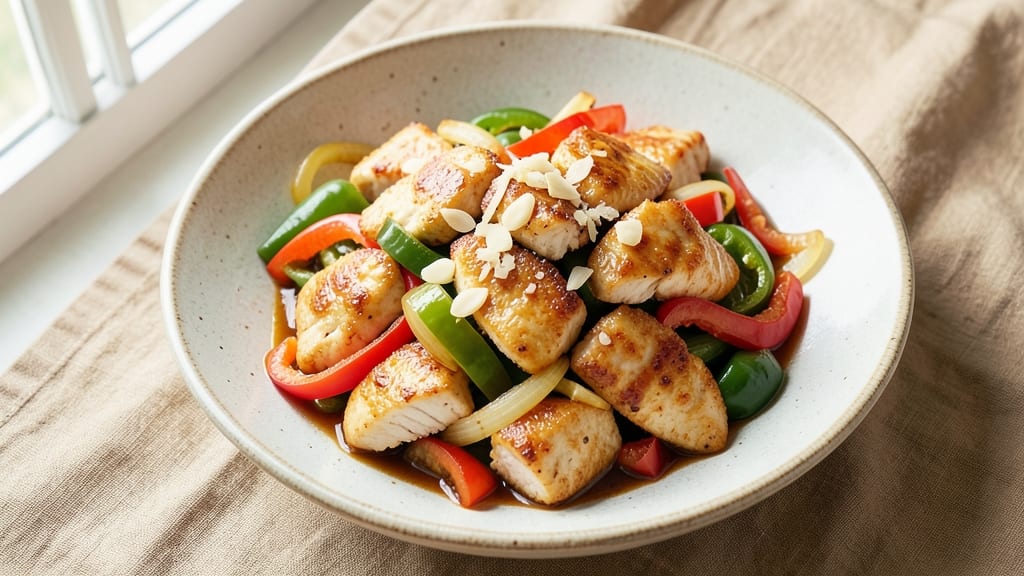
Betty Crocker's chicken stir fry recipe delivers crisp-tender bites that taste like they came straight from a wok. The secret lies in the high-heat sear that locks in juices while creating those coveted crispy edges—something I perfected during my time in Charleston, where quick, flavorful cooking was essential.
This recipe transforms simple ingredients into a restaurant-quality meal in under 30 minutes, making it ideal for weeknights when you crave something exciting without the fuss.
What sets this stir fry apart is the balance of tender chicken and vibrant vegetables, all tossed in a savory sauce that clings perfectly.
The chicken pieces stay juicy on the inside while developing that satisfying crunch on the outside—a technique I learned from Master Chef Chen that makes all the difference. With just 8 ingredients and one pan, you'll have a meal that's impressive enough for guests but simple enough for everyday cooking.
The result is a dish with bold flavors and perfect texture: crisp-tender chicken, bright vegetables, and a sauce that's rich yet balanced. Each bite delivers a harmony of savory, slightly sweet, and umami notes that keep you reaching for more.
Serve it over steamed rice or noodles to soak up every last bit of that flavorful sauce—this is the kind of meal that transforms an ordinary dinner into something special.
Whether you're feeding a family or cooking for two, this recipe scales beautifully while maintaining its restaurant-quality appeal. The method is straightforward but delivers professional results, proving that impressive meals don't require complicated techniques. Let's get started on creating your perfect wok-tossed stir fry.
Ingredients for betty crocker chicken stir fry
Eight simple ingredients transform into restaurant-quality wok-tossed chicken stir fry in under 30 minutes.
| Ingredient | Amount | Notes |
|---|---|---|
| Boneless, Skinless Chicken Breast 🍗 | 1 ½ lb | Cut into 1-inch bite-sized pieces |
| Medium Bell Peppers 🌶️ | 2 whole | Red, green, or yellow, sliced into strips |
| Yellow Onion 🧅 | 1 whole | Sliced into thin half-moons |
| Fresh Garlic Cloves 🧄 | 4 cloves | Minced for aromatic base |
| Fresh Ginger Root 🌿 | 1 ½ tbsp | Finely grated, not powdered |
| Soy Sauce 🍶 | ½ cup | Low-sodium preferred for balance |
| Honey 🍯 | 1 tbsp | Wildflower for floral notes |
| Sesame Oil 🫒 | 1 tbsp | Toasted, not flavored |
| Cornstarch 🌾 | 2 tbsp | For crisp-tender coating |
| Vegetable Oil 🫒 | ½ cup | High smoke point for searing |
| Diamond Crystal Kosher Salt 🧂 | ½ tsp | For seasoning, not iodized |
| Ground Black Pepper 🌶️ | ¼ tsp | Freshly cracked for heat |
| White Rice 🍚 | 1 ½ cups | Uncooked, for serving |
The chicken is the star here—boneless, skinless breasts cut into even 1-inch pieces ensure consistent cooking. Most grocery stores carry pre-cut chicken, but if you're slicing yourself, pound the pieces to even thickness for perfect doneness. Look for fresh, plump bell peppers at the store—Trader Joe's or Whole Foods usually have the brightest colors. The ginger and garlic? Fresh is non-negotiable—powdered won't give that same aromatic punch. I keep a jar of minced garlic in the freezer for days when I'm short on time, but fresh always wins for flavor.
No soy sauce? Coconut aminos work in a pinch, though the flavor profile shifts slightly. Running out of honey? Maple syrup or agave at the same amount keeps things sweet. The sesame oil is where the magic happens—toasted, not flavored—so don't substitute with regular cooking oil. For the cornstarch, arrowroot powder is a 1:1 swap if you're out. And if you're using pre-cut frozen veggies, pat them completely dry before tossing in the pan to avoid steaming instead of searing.
This dish reheats beautifully—just toss with a splash of water and cover to steam. Keeps 3-4 days in the fridge, though I always make extra because it's that good. For freezing, portion into single-serving containers with a thin layer of sauce on top to protect the chicken. The rice? Cook a big batch and store it separately—it reheats best on its own. Leftovers taste even better the next day as the flavors meld.
Why You'll Love This Recipe
- Here’s what sold me: a whole stir fry for under $10, using ingredients I already had. Bell peppers last forever, onions are cheap, and chicken breast stretches further than you’d think when sliced thin. Plus, it’s the kind of meal that makes you look like a cooking pro without breaking the bank.
- One-Pan Magic: I swear by this recipe because it’s the kind of meal where you chop once, stir often, and walk away. No fancy pans, no last-minute scrubbing—just that satisfying sizzle of chicken and peppers hitting the skillet together.
- Ginger-Garlic Punch: The moment the fresh ginger and garlic hit the hot oil? My kitchen smells like a tiny Asian bistro, and that’s before the sauce even comes in. That crispy chicken with the bright, zesty kick? It’s the kind of flavor that makes you want to eat straight from the pan.
- Lunchbox Hero: Between us, this is my go-to for meal prep because it reheats like a dream. Toss the leftovers in a container, and it’s still packed with flavor the next day—no sad, rubbery chicken here, just tender bites that taste homemade.
Step-by-step instructions for betty Crocker's chicken stir fry
Here's how to create perfectly crisp-tender chicken with vibrant veggies and a glossy sauce.
Prep the Chicken for Maximum Tenderness
Cut the 1.5 lb boneless, skinless chicken breast into 1-inch bite-sized pieces. Place them in a large bowl and add the 2 tbsp cornstarch, 0.5 tsp diamond crystal kosher salt, and 0.25 tsp ground black pepper. Toss gently but thoroughly until every piece is lightly but evenly coated. This creates a crisp-tender exterior while keeping the interior juicy.
Let the coated chicken sit for 10 minutes at room temperature while you prep the vegetables. This resting period ensures even cooking. If you skip this step, the chicken may cook unevenly with some pieces staying cold in the center.
Cook the Rice to Perfection
Rinse the 1.5 cups white rice under cold water until the water runs clear. This removes excess starch that can make the rice gummy. Combine the rice with 3 cups water in a pot and bring to a boil over high heat. Once boiling, reduce heat to low, cover tightly, and simmer for 15 minutes. Remove from heat and let it steam, covered, for another 10 minutes. This hands-off method guarantees fluffy, individual grains.
While the rice finishes, slice the 2 whole medium bell peppers into ¼-inch strips and the 1 whole yellow onion into thin half-moons. Mince the 4 cloves fresh garlic cloves and finely grate the 1.5 tbsp fresh ginger root. Keep these prepped ingredients separate until you're ready to stir-fry.
Build the Stir-Fry Sauce
In a small bowl, whisk together the 0.5 cup soy sauce, 1 tbsp honey, 1 tbsp sesame oil, and 1 tbsp water. This sauce should be smooth and slightly glossy. Taste it now—it should be salty-sweet with a hint of sesame. If you prefer more depth, add ½ tsp grated ginger or an extra ½ teaspoon soy sauce. Set aside while you cook the chicken.
Heat 0.25 cup vegetable oil in a 14-inch wok or large skillet over medium-high heat until shimmering. Add the chicken in a single layer and let it sear undisturbed for 2-3 minutes until the edges are golden brown. Stir-fry for another 2-3 minutes until the chicken is no longer pink in the center and the cornstarch coating turns crispy.
Stir-Fry the Vegetables and Combine
Remove the chicken from the wok and set it aside. Add the remaining 0.25 cup vegetable oil to the wok and increase heat to high. Add the bell peppers and onions, spreading them out in an even layer. Stir-fry for 3-4 minutes until the vegetables begin to soften but still retain their bright color and slight crispness. Add the garlic and ginger, stirring for 30 seconds until fragrant.
Return the chicken to the wok and pour in the sauce. Toss everything together vigorously for 1-2 minutes until the sauce coats all the ingredients evenly. The chicken should be glossy and tender, with the vegetables bright and slightly crisp. If the sauce seems too thick, add 1-2 tablespoons water to loosen it.
Serve Immediately Over Steamed Rice
Divide the 1.5 cups cooked white rice among four plates. Spoon the stir-fry over the rice, making sure each serving gets an even distribution of chicken, vegetables, and sauce. Garnish with an extra drizzle of sesame oil and a sprinkle of sesame seeds if you have them on hand.
Serve immediately while the chicken is still crisp-tender and the vegetables retain their vibrant color. The rice should be fluffy and separate, soaking up the flavorful sauce without becoming mushy. This dish tastes best fresh out of the wok, so don't let it sit too long before serving.
Pro Tips For Making Betty Crocker Chicken Stir Fry
- Cut Chicken Thin: Slice those breasts against the grain into ¼-inch strips—no thicker or they’ll stay tough. I used to eyeball it and ended up with chewy chunks. Grab a sharp knife, hold the meat steady, and work in one fluid motion.
- Prep Veggies First: Dice the peppers, onion, and ginger before you even think about the chicken. Cold veggies won’t sweat in the pan, and you’ll avoid that sad, soggy stir-fry texture. Trust me, your future self will curse you if you skip this.
- Don’t Overcrowd the Pan: Cook the chicken in batches if needed—packing the pan steams the meat instead of searing it. You want golden, crisp edges, not a sad, limp pile. Two minutes per side max, then set aside.
- Save the Sauce: Toss the cooked chicken and veggies with half the sauce first, then finish with the rest. This keeps the stir-fry from turning into a soup. (Yes, I’ve done it—don’t ask how I learned.)
Common mistakes when making great betty crocker chicken stir fry
Overcrowding the Pan
This is the number one mistake I see in home kitchens—adding too much chicken or veggies to the wok at once. When you overcrowd, steam builds up instead of searing, leaving your chicken soggy and vegetables limp.
The golden rule? No more than ½ inch of chicken should cover the bottom of your pan when you start cooking. I use a 14-inch wok and cook in two batches if needed. Trust me, the extra minute of waiting is worth crispy perfection. 🔥
Skipping the Cornstarch Coat
Many home cooks skip the cornstarch step, thinking it's optional, but that's where the magic happens. The cornstarch creates that crisp-tender texture that makes restaurant-quality stir fry shine. Don't just toss it on—make sure every piece is lightly but evenly coated.
I like to use my fingers to gently press the cornstarch into the chicken pieces for maximum adhesion. If you're short on time, arrowroot powder works just as well in a 1:1 ratio.
Undercooking the Chicken
I can't tell you how many times I've seen people pull chicken out of the pan too soon, leaving it pale and rubbery inside. Use an instant-read thermometer to check for doneness—165°F internal temperature is your target.
The cornstarch coating should be golden brown and crispy on the outside. If you're unsure, cut into the thickest piece—it should be juicy and opaque throughout. Remember, chicken continues cooking slightly after you remove it from heat.
Low and Slow Cooking
Stir fry is all about high heat and quick cooking. If you're cooking on medium heat or lower, you'll end up with steamed chicken and mushy vegetables. Your wok or skillet should be smoking slightly when you add the chicken, and you should hear that satisfying sizzle.
I use a heavy-bottomed wok like the Made In stainless steel model to maintain even heat distribution. If your pan isn't hot enough, your stir fry will taste flat and lack that wok-hei flavor.
Adding Sauce Too Early
Pouring sauce into the pan before the chicken and vegetables are cooked through is another common mistake that results in soggy food. The sauce should be added in the final 2 minutes of cooking to create that glossy finish.
If you add it too soon, the high heat will break down the sauce's structure, making it watery and less flavorful. I like to taste the sauce before adding it—it should be salty-sweet with a hint of sesame.
Adjust with a pinch of salt or extra soy sauce if needed.
Neglecting the Resting Time
After cooking, let the chicken rest for 2-3 minutes before serving. This allows the juices to redistribute throughout the meat, keeping it moist. I know it's tempting to serve immediately, especially when everything looks perfect, but that final rest makes all the difference.
During this time, you can finish cooking any remaining vegetables or prepare your rice. Patience here ensures your stir fry stays juicy and flavorful with every bite. 💫
Nutrition facts
Frequently asked questions
Can I use chicken thighs instead of breasts for this recipe?
Chicken thighs work beautifully and add extra richness. Use 1.5 lb bone-in, skin-on thighs for maximum flavor. Pat them dry first, then coat with cornstarch. They'll cook faster than breasts, so watch closely after 5 minutes—they're done when the internal temp hits 165°F and the skin is crispy. The skin adds incredible texture and depth to the dish.
What if I don't have a wok? Can I use a regular skillet?
Yes, any large, heavy-bottomed skillet with high sides works perfectly. A 12-inch cast iron skillet or non-stick pan is ideal. The key is using high heat and cooking in batches if needed to avoid overcrowding. I've made this recipe in a 10-inch stainless steel pan with great results—just make sure your pan is hot enough to create that satisfying sizzle.
How can I make this recipe gluten-free?
Replace the soy sauce with tamari or coconut aminos (use the same amount). For the cornstarch coating, substitute arrowroot powder in a 1:1 ratio. Both alternatives work beautifully while keeping the crisp-tender texture and flavor profile intact. Just be sure to check that your sesame oil is also gluten-free if you have sensitivities.
Can I prepare this stir fry ahead of time?
While fresh is best, you can prep components ahead. Cook the chicken and vegetables separately, then store them in airtight containers in the fridge for up to 2 days. When ready to serve, reheat the chicken and veggies in a hot pan with a splash of water for 2-3 minutes, then add the sauce. The rice should be cooked fresh for best texture. For freezing, portion the cooked stir fry (without rice) and freeze for up to 3 months.
What vegetables can I substitute if I don't have bell peppers?
Broccoli florets, snap peas, or sliced mushrooms work wonderfully. For a similar texture, use 1 cup broccoli or 1 cup snap peas instead of the bell peppers. If using mushrooms, slice them thinly and cook them first as they take longer. Carrots or zucchini also work, but cut them into ¼-inch strips for even cooking. The key is keeping the vegetable pieces similar in size to the chicken.