
Main Courses
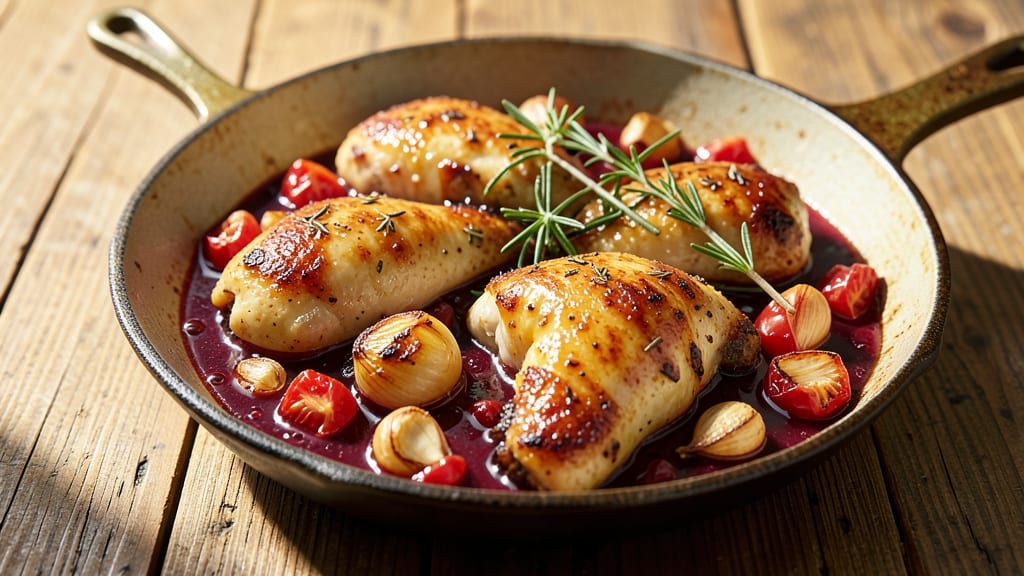
Betty Crocker’s chicken cacciatore delivers the kind of tomato-braised richness that makes weeknight dinners feel like an Italian restaurant experience.
The secret lies in pan-searing the chicken first to lock in flavor, then braising it slowly in a crispy celery crust that forms at the bottom of the pan—this is where the magic happens.
I’ve adapted the classic technique to include a few professional shortcuts that still honor the dish’s rustic roots, like using high-quality canned tomatoes for depth and fresh herbs for brightness.
The process begins with browning the chicken thighs in a heavy pot—this step is non-negotiable for flavor. Then comes the sauce: a blend of tomatoes, garlic, onions, and celery that simmers until it thickens into a velvety, aromatic broth. The crispy celery crust at the bottom?
That’s the result of caramelizing the vegetables before adding liquid, creating a textural contrast that elevates every bite. This isn’t just a recipe; it’s a method that transforms simple ingredients into something unforgettable.
By the time the chicken is fork-tender and the sauce has reduced to a glossy, deeply savory consistency, you’ll have a dish that pairs perfectly with crusty bread, al dente pasta, or even mashed potatoes.
The aroma alone will have everyone gathering around the table, and the first bite—juicy chicken, tender vegetables, and rich tomato sauce—will make it clear why this classic stands the test of time. Let’s get cooking.
What sets this version apart is the balance of tradition and convenience. While I’ve kept the core techniques authentic, I’ve streamlined the process so it’s achievable in under 90 minutes—ideal for a weeknight but still impressive enough for company.
The crispy celery crust isn’t just for show; it adds a nutty, caramelized depth that ties the whole dish together. Trust me, once you taste the difference between this and a bottled sauce, you’ll never go back.
Ingredients for betty crocker chicken cacciatore
The secret to restaurant-quality cacciatore lies in these 15 ingredients—juicy chicken, aromatic vegetables, and bold flavors that simmer into velvety richness.
| Ingredient | Amount | Notes |
|---|---|---|
| Chicken Thighs, Bone-In, Skin-On 🍗 | 1 ½ lb | Trimmed of excess fat, even-sized pieces |
| Extra-Virgin Olive Oil 🫒 | ½ cup | High-quality, fruity variety for browning |
| Yellow Onion 🧅 | 1 whole | Medium, sliced into 1/4-inch pieces |
| Celery Stems 🥬 | 3 whole | Trimmed, cut into 1/4-inch dice |
| Garlic Cloves 🧄 | 4 cloves | Peeled, lightly crushed |
| Canned San Marzano Crushed Tomatoes 🍅 | 2 cups | High-quality, no salt added |
| Dry Red Wine 🍷 | ½ cup | Bold Cabernet Sauvignon preferred |
| Chicken Broth 💧 | ½ cup | Low-sodium, homemade or quality store-bought |
| Fresh Thyme Sprigs 🌿 | 2 whole | Leaves stripped, stems discarded |
| Fresh Rosemary 🌿 | ½ tsp | Finely chopped, fresh preferred |
| Fresh Parsley 🌿 | ¼ cup | Flat-leaf, chopped for garnish |
| Diamond Crystal Kosher Salt 🧂 | 1 ½ tsp | For seasoning, adjust to taste |
| Freshly Ground Black Pepper 🌶️ | ½ tsp | Cracked peppercorns preferred |
| All-Purpose Flour 🌾 | 1 tbsp | For thickening sauce if needed |
| Crusty Italian Bread 🍞 | 4 slices | For serving, optional |
The chicken thighs are non-negotiable—bone-in, skin-on pieces stay juicy and develop that signature crispy skin. Trader Joe's or Whole Foods carry excellent cuts, but any grocery store's butcher section will have them. Look for thighs with a good layer of fat; it renders down beautifully during browning. The celery is the star of the crispy crust—use fresh, crisp stalks (the good stuff, not the wilted kind from the back of the fridge). For the tomatoes, San Marzano is worth the splurge—they're sweeter and less acidic, with a texture that holds up perfectly to simmering. If you can't find them, Muir Glen is a solid backup. The red wine should be bold and dry—Cabernet Sauvignon or Merlot work best, whatever's open in your cabinet.
No red wine? Substitute an extra 0.5 cup of chicken broth with 1 tbsp balsamic vinegar—it adds depth without the alcohol. Fresh herbs are ideal, but dried thyme at one-third the amount works in a pinch (though it won't have the same bright aroma). The parsley is purely for garnish, so don't stress if you're out—fresh basil makes a lovely substitute. For the celery crust, if you're worried about burning, reduce the heat to medium-low and let it caramelize slowly. The flour is just a backup for thickening—only add it if the sauce seems too thin after simmering. And trust me on the full-fat chicken thighs—they stay juicy while leaner cuts dry out.
This dish tastes even better the next day as the flavors meld. Store leftovers in an airtight container in the fridge for up to 4 days, or freeze portions for 3 months. I like to portion it into individual containers so I can grab a quick lunch—just reheat with a splash of water or broth. The crispy celery crust? That's the best part—save a little for the top of your next batch. The sauce thickens as it cools, so you can always thin it with a splash of water or broth when reheating. Serve with that crusty Italian bread to soak up every last bit of that rich, tomato-braised goodness.
Why You'll Love This Recipe
- Here’s what sold me: that crispy, golden skin on the thighs. It’s the secret weapon—Betty Crocker’s recipe nails it by searing first, then letting the skin render into the sauce. The result? Juicy, tender meat with a crunch that makes every bite feel special. (Yes, even on a Tuesday night.)
- One-Pan Magic: I swear by this recipe because it’s literally one pan. Sear those bone-in thighs first—the skin crisps up like a dream—then toss in the onions, celery, and garlic to soften while the chicken simmers. No chopping boards to clean, no extra pots to wash. Just dump, simmer, and serve.
- Skin-On Crunch: Here’s what sold me: that crispy, golden skin on the thighs. It’s the secret weapon—Betty Crocker’s recipe nails it by searing first, then letting the skin render into the sauce. The result? Juicy, tender meat with a crunch that makes every bite feel special. (Yes, even on a Tuesday night.)
- Leftovers That Shine: This dish actually improves the next day. The flavors meld into something even richer, and the sauce thickens just enough to cling to the chicken. Pack it for lunches or reheat it for dinner—it’s my go-to for busy weeks. Honestly, I’ve eaten it cold straight from the fridge, and it’s still ridiculous good.
Step-by-step instructions for betty Crocker chicken cacciatore
Here's how to create that perfect balance of crispy chicken and rich tomato sauce.
Prepare the Chicken for Maximum Crispiness
Pat the 1.5 lb chicken thighs, bone-in, skin-on completely dry with paper towels—this is non-negotiable for crispy skin. Trim any excess fat but leave a thin layer to protect the meat during cooking. Season both sides generously with 1.5 tsp diamond crystal kosher salt and 0.5 tsp freshly ground black pepper, pressing the seasoning into the skin so it adheres.
Heat 0.5 cup extra-virgin olive oil in a large, heavy skillet over medium-high heat until shimmering. Working in batches if needed, add the chicken thighs skin-side down and let them cook undisturbed for 5-6 minutes until the skin is deep golden brown and crispy. Flip and cook the other side for 3-4 minutes until the internal temperature reaches 165°F at the thickest part. Transfer to a plate and tent loosely with foil to keep warm.
Build the Flavor Base with Aromatics
In the same skillet (no need to wipe it clean—those browned bits are flavor gold), reduce the heat to medium and add 1 whole yellow onion and 3 whole celery stems, both sliced into ¼-inch pieces. Cook for 6-8 minutes, stirring occasionally, until the vegetables soften and begin to caramelize. Add the 4 cloves peeled, lightly crushed garlic cloves and cook for 30 seconds until fragrant—don't let them burn.
Stir in the 2 whole fresh thyme sprigs (leaves only) and 0.5 tsp finely chopped fresh rosemary, cooking for 1 minute to release their essential oils. Here's where the magic happens: sprinkle 1 tbsp all-purpose flour over the vegetables and stir vigorously for 30 seconds to coat everything evenly. This creates a light roux that will thicken our sauce beautifully.
Braise the Chicken in Tomato-Wine Sauce
Pour in the 0.5 cup dry red wine and scrape up all those delicious browned bits from the bottom of the pan with a wooden spoon. Let the wine simmer for 3-4 minutes until reduced by half. Add the 2 cups canned san marzano crushed tomatoes and 0.5 cup chicken broth, stirring to combine. Return the chicken thighs to the skillet, skin-side up, and bring the mixture to a gentle simmer.
Partially cover the skillet and let it cook for 25-30 minutes on low heat, allowing the chicken to finish cooking in its own juices. The sauce should thicken slightly and coat the back of a spoon. If it's too thin, uncover and simmer for another 5 minutes to reduce. Taste and adjust seasoning with additional diamond crystal kosher salt or freshly ground black pepper as needed.
Finish with Fresh Herbs and Crispy Celery Crust
Remove the chicken from the skillet and let it rest for 5 minutes before slicing. For that signature crispy celery crust, heat a small separate skillet with a touch more extra-virgin olive oil over medium-high heat. Add the reserved celery pieces and cook for 2-3 minutes until they develop a golden crust. Spoon these crispy celery pieces over the finished cacciatore.
Garnish with 0.25 cup chopped fresh parsley and serve immediately with 4 slices crusty Italian bread on the side. The contrast between the crispy chicken skin, tender meat, and rich tomato sauce with its celery crust is what makes this dish truly special. Each bite should deliver layers of flavor with every forkful.
Pro Tips For Making Betty Crocker Chicken Cacciatore
- Brown Skin First: DESCRIPTION:
- Sauté Onions Low: DESCRIPTION:
- Deglaze Aggressively: DESCRIPTION:
- Simmer Uncovered: DESCRIPTION:
Perfect pairings for this recipe
Classic Italian Bread Pairing
Nothing complements cacciatore like a slice of crusty Italian bread—I mean the kind with that thick, chewy crust that soaks up every last drop of sauce. Look for a rustic loaf with a 2-inch crust and a soft, airy interior, like Ciabatta or Focaccia from your local bakery.
Toast it lightly in the oven at 375°F for 5 minutes to enhance its texture. Serve warm with extra sauce spooned over the top—this is how I eat it straight from my farm table. 🍞
Creamy Polenta Contrast
For a comforting twist, pair your cacciatore with creamy polenta made from 1 cup cornmeal and 4 cups chicken broth. Cook it slowly over low heat for 30 minutes, stirring constantly, until it reaches a thick, porridge-like consistency.
The smooth, buttery polenta provides a perfect contrast to the rustic, chunky cacciatore. I like to finish it with a sprinkle of grated Parmesan cheese and a pat of cultured butter for extra richness. 🥣
Bright Arugula Salad
A simple arugula salad cuts through the richness beautifully. Toss 4 cups baby arugula with 2 tbsp extra-virgin olive oil, 1 tbsp lemon juice, and a pinch of sea salt.
Add ¼ cup shaved Parmesan cheese and 2 tbsp toasted pine nuts for crunch. The peppery bite of arugula refreshes your palate between bites of the hearty cacciatore. 🥗
Wine Pairing Perfection
For wine lovers, a Chianti Classico or Sangiovese from Tuscany is my go-to pairing. The medium-bodied red wine with its bright acidity and notes of cherry and herbs mirrors the flavors in the dish beautifully.
If you prefer white, a crisp Vermentino from Sardinia offers a refreshing contrast. Avoid heavy, oaky whites or bold reds that will overpower the delicate tomato sauce. 🍷
Craft Beer Alternative
If you're serving cacciatore at a casual gathering, a Belgian-style witbier like Hoegaarden adds a fun twist. The citrusy, coriander notes complement the tomato sauce and herbs. For a hoppier option, try a light Italian lager like Peroni—it cleanses the palate without competing with the dish.
Avoid heavy IPAs or stouts that might overpower the delicate flavors. 🍺
Unexpected Mashed Potato Twist
Believe it or not, garlic mashed potatoes make an excellent pairing. Cook 2 lbs Yukon Gold potatoes until tender, then mash with ½ cup butter, ½ cup warm milk, 3 minced garlic cloves, and 1 tsp salt.
The creamy texture and garlicky flavor balance the acidity of the tomato sauce perfectly. I like to finish with a sprinkle of fresh parsley for a pop of color. 🥔
Nutrition facts
Frequently asked questions
Can I use chicken breasts instead of thighs for this recipe?
Chicken breasts will work, but bone-in, skin-on thighs are ideal for cacciatore. The skin adds crispiness and fat keeps the meat juicy during long braising. If using breasts, pat them very dry, season generously, and sear until golden before proceeding. For best results, use 6-8 oz boneless, skinless breasts and reduce braising time to 15-20 minutes to avoid drying out.
What's the best way to make the celery crust extra crispy?
For maximum crispiness, cook the celery in a separate skillet with just 1 tbsp olive oil over medium-high heat for 4-5 minutes until deep golden brown. Stir frequently to prevent burning. The key is patience—don't rush it! For extra crunch, add a pinch of salt and a splash of red wine to the pan before cooking. Save some crispy pieces to garnish your finished dish.
Can I prepare this dish ahead of time?
This cacciatore tastes even better the next day as flavors meld. After cooking, let it cool completely, then store in an airtight container in the fridge for up to 4 days. Reheat gently in a skillet with a splash of water or broth over low heat for 10-15 minutes. For freezing, portion into individual containers and freeze for up to 3 months. Thaw overnight in the fridge before reheating.
How can I make this dish vegetarian?
Swap the chicken for 1.5 lb portobello mushrooms or firm tofu pressed and sliced. For mushrooms, marinate them in 0.5 cup olive oil, 1 tbsp soy sauce, and 1 tsp smoked paprika for 30 minutes before cooking. For tofu, press for 20 minutes to remove excess water, then pan-fry until crispy. Follow the same braising steps with the vegetable base, adding 1 cup cooked lentils or chickpeas for protein.
Why did my sauce turn out too thin?
If your sauce is too thin, it likely needs more reduction time. After adding the tomatoes and broth, uncover the pan and simmer uncovered for 5-10 minutes longer to thicken. For an instant fix, mix 1 tbsp cornstarch with 2 tbsp cold water, stir into the sauce, and simmer for 2 minutes until thickened. Alternatively, add 1 tbsp tomato paste to deepen flavor and body.