
Main Courses
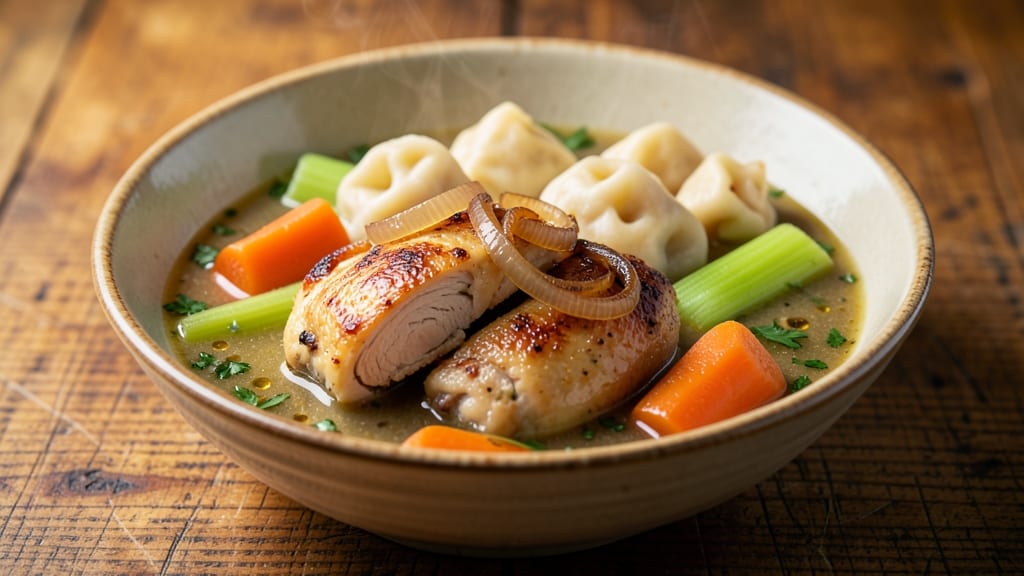
Betty Crocker's chicken and dumplings recipe delivers that nostalgic, comforting flavor we all crave—rich, savory broth with tender chicken and fluffy dumplings, all in one pot.
I first made this version after discovering my grandmother's handwritten notes scribbled on the back of a Betty Crocker box, and it became our family's go-to for cold winter nights. The secret lies in the slow-simmered broth that infuses every ingredient with deep, homestyle flavor.
What makes this recipe special is its simplicity—just a few pantry staples transform into a hearty meal without requiring advanced techniques. The dumplings are made directly in the pot, so no extra bowls or fuss.
With everything cooking together, the flavors meld beautifully, creating a dish that tastes like it's been simmering all day. It's the kind of meal that feels like a warm hug on a chilly evening.
By the time you're done, you'll have perfectly tender chicken swimming in a velvety broth, topped with pillowy dumplings that soak up every last drop. The aroma alone will have everyone gathering around the table, and the first bite delivers that unmistakable comfort we associate with classic homestyle cooking.
This is the recipe that brings back memories of simpler times—when dinner was about connection, not complexity.
The best part? It's ready in under an hour, with minimal cleanup. Whether you're feeding a crowd or just craving a taste of home, this one-pot wonder delivers restaurant-quality results with zero stress. Let's get started on creating this timeless comfort dish.
Ingredients for betty crocker chicken and dumplings
Pantry staples and a few fresh touches—this is comfort food at its finest.
| Ingredient | Amount | Notes |
|---|---|---|
| Boneless Chicken Thighs 🍗 | 2 ½ lb | Skin-on, cut into bite-sized pieces |
| Yellow Onion 🧅 | 1 whole | Medium, chopped into half-moons |
| Carrots 🥕 | 4 medium | Peeled, cut into 1-inch chunks |
| Celery Stalks 🥬 | 3 whole | Trimmed, cut into 1-inch pieces |
| Garlic Cloves 🧄 | 4 cloves | Peeled, minced |
| Chicken Broth 💧 | 4 cups | Low-sodium preferred |
| All-Purpose Flour 🌾 | 1 ½ cups | For dumplings, sifted |
| Baking Powder 🍞 | 1 tbsp | For fluffy dumplings |
| Salt 🧂 | 1 ½ tsp | Kosher or sea salt |
| Black Pepper 🌶️ | ½ tsp | Freshly ground |
| Unsalted Butter 🧈 | 2 tbsp | Cold, cubed |
| Fresh Parsley 🌿 | ¼ cup | Chopped, for garnish |
| Whole Milk 🥛 | ½ cup | Full-fat for creaminess |
The chicken thighs are the star here—skin-on gives you the best flavor and crispiness. I always grab bone-in, skin-on thighs from the butcher section at Whole Foods or Kroger—they're cheaper per pound and taste better. The carrots and celery? Baby carrots and pre-cut celery sticks are a lifesaver if you're short on time. Just make sure to chop them evenly so they cook at the same rate. For the broth, low-sodium is key—you'll be adding salt later, and you don't want to overdo it. The garlic? Fresh is non-negotiable—jarred garlic just doesn't cut it in this dish.
No chicken broth? Beef broth works in a pinch, but add an extra splash of water to keep it light. Short on carrots? Swap in potatoes or turnips—they hold up well too. The flour needs to be all-purpose, not self-rising. If you're out of baking powder, cream of tartar works at a 1:2 ratio (so 2 tbsp cream of tartar for 1 tbsp baking powder). For the dumplings, cold butter is crucial—it keeps them tender. The milk? Whole fat makes them extra fluffy, but 2% works if that's what you've got. Fresh parsley is optional, but it adds that bright pop of color and freshness that makes the dish feel special.
This dish tastes even better the next day—make extra dumplings if you can. Store leftovers in the fridge for 4-5 days or freeze for 3 months. I like to portion it into containers so I can grab a bowl for lunch. The dumplings will dry out if reheated with broth, so add a splash of water or milk when warming. For serving, a sprinkle of fresh parsley and a wedge of lemon make it feel restaurant-worthy. Trust me, the aroma alone will have everyone rushing to the table.
Why You'll Love This Recipe
- One-Pot Magic: I swear by this recipe when I’m too tired to wash dishes. Toss the chicken thighs, diced onion, carrots, and celery into a pot with the broth, let it simmer, then drop in those fluffy Betty Crocker dumplings right on top. No extra bowls, no fuss—just clean-up simplicity.
- Garlic-Kissed Comfort: That first bite of tender chicken thigh, swimming in broth with dumplings soaking up all the flavor? The garlic cloves—minced right into the roux—give it this warm, savory punch that feels like a hug. Honestly, it’s the kind of dish that makes you pause mid-bite just to savor it.
- Leftovers That Shine: This recipe actually improves the second day. The dumplings soften just enough to melt into the broth, and the carrots and celery stay perfectly tender. I’ll be real: I make a double batch on Sundays so I can grab a jar for a lazy weeknight—no reheating drama, just pure satisfaction.
- Budget-Friendly Crowd-Pleaser: Chicken thighs and basic veggies keep costs low, but the result feels like a restaurant meal. Between us, this is the dish I serve when friends drop by unexpectedly, or when my kids’ friends are over for dinner. Everyone eats it all, and no one questions why I didn’t order takeout.
Step-by-step instructions for Betty Crocker's chicken and dumplings
This one-pot wonder delivers comfort in every bite—fluffy dumplings floating in rich, savory broth.
Sear the Chicken and Sauté the Vegetables
Heat a large Dutch oven over medium-high heat. Add the 2.5 lb boneless chicken thighs in a single layer, skin-side down. Let them sear undisturbed for 5-6 minutes until golden brown on both sides. This creates flavorful crusts that dissolve into the broth later.
Remove the chicken and set aside. In the same pot, add 2 tablespoons unsalted butter and let it melt. Toss in the 1 whole yellow onion, 4 medium carrots, and 3 whole celery stalks. Sauté for 5-6 minutes until the vegetables soften slightly but still retain their shape. Add the 4 cloves minced garlic and cook for 30 seconds until fragrant. Here's the thing—this aromatic base is the foundation of your dish, so don't skip it.
Simmer the Chicken and Broth
Return the seared chicken to the Dutch oven. Pour in the 4 cups chicken broth, scraping up any browned bits from the bottom. Bring the mixture to a boil, then reduce heat to low. Cover and simmer for 25 minutes, stirring occasionally. You'll notice the chicken becomes fork-tender and the broth develops deep, rich flavors. This is where the magic happens—patience ensures tender meat and flavorful broth.
Once the chicken is tender, remove it from the broth and set it aside on a plate. Strain the broth through a fine-mesh sieve into a clean bowl, pressing on the vegetables to extract all their flavor. This step removes any fibrous bits that could make your dumplings tough later. Discard the vegetables and return the strained broth to the Dutch oven.
Prepare the Dumpling Dough
In a medium bowl, whisk together the 1.5 cups all-purpose flour, 1 tablespoon baking powder, 1.5 teaspoons salt, and 0.5 teaspoon black pepper. Gradually stir in the 0.5 cup whole milk until a soft dough forms. I like to use a fork for this—it keeps the dough slightly lumpy, which helps create fluffy dumplings. Don't overmix or you'll end up with dense, chewy results.
Turn the dough onto a lightly floured surface and gently knead it 4-5 times until just combined. Cut the dough into 12 equal pieces—about 1 tablespoon each. Roll each piece into a ball and set them aside on a floured plate. The dough should be cool to the touch when you handle it, which helps prevent the dumplings from spreading too much in the hot broth.
Drop in the Dumplings and Finish Cooking
Return the chicken to the Dutch oven along with any accumulated juices. Bring the broth to a gentle simmer over medium-low heat. Drop the 12 dumpling balls into the broth, spacing them evenly. Cover the pot and let them cook for 12-15 minutes—you'll see them rise to the surface and turn fluffy and white. Don't peek! Every time you lift the lid, you lose heat and steam, which can make the dumplings tough.
Once the dumplings are cooked through, remove the pot from heat and let it sit covered for 5 minutes. This resting period allows the dumplings to finish steaming and absorbing the broth. Stir in the 2 tablespoons cold unsalted butter, which adds richness and helps create a silky finish. The butter should melt into the broth, creating a velvety texture.
Serve with Fresh Parsley
Ladle the chicken and dumplings into bowls, making sure each serving gets a generous portion of broth. Garnish each serving with 0.25 cup chopped fresh parsley for a pop of color and freshness. The dumplings should be light and fluffy, the chicken fork-tender, and the broth rich and flavorful. Serve immediately while everything is hot—this dish tastes best straight from the pot!
Real talk: leftovers reheat beautifully. Just add a splash of broth or water and warm through gently on the stove. The dumplings might firm up slightly, but a quick stir returns them to their perfect texture.
Pro Tips For Making Betty Crocker Chicken And Dumplings
- Sear the Chicken First: After trimming the thighs, pat them completely dry and hit them with a hot pan—no oil needed. The Maillard reaction here makes the difference between bland and deeply flavorful broth. I used to skip this, and the dumplings just couldn’t compete with the chicken’s taste.
- Mince the Onion Fine: The Betty Crocker recipe likely calls for diced onion, but mincing it (or even food processing) lets it dissolve into the broth instead of sitting as chunks. This makes the whole dish taste richer—like someone simmered it for hours instead of 30 minutes.
- Don’t Overfill the Pot: Crowding the pot with too many carrots and celery turns your broth into soup water. Use about half the recommended veggies, then add the rest later—this keeps the broth concentrated and the dumplings from turning to mush.
- Use Cold Water for Dumplings: Mix the dumpling dough with cold water (not warm) to prevent early cooking in the pot. Drop them in one at a time, spacing them out—this guarantees fluffy, separate dumplings instead of a sad, glued-together lump. (Yes, even if you’re impatient like me.)
Best sauces and condiments for this recipe
Classic Gravy Perfection
The secret to elevating this dish lies in the gravy—thick, velvety, and packed with flavor. After removing the chicken, I strain the broth through a fine-mesh sieve to remove any fibrous bits, then whisk in 2 tablespoons cornstarch mixed with 2 tablespoons cold water until it thickens slightly.
For extra richness, stir in 1 tablespoon unsalted butter at the end. This creates a silky finish that coats every spoonful. 💛
Herb-Infused Broth
For deeper flavor, infuse the broth with fresh herbs while the chicken simmers. Tuck 2 sprigs fresh thyme and 1 bay leaf into the broth during the 25-minute simmer. Remove them before straining, but their essence will linger in the liquid.
If you don’t have fresh herbs, 1 teaspoon dried thyme works in a pinch. The aroma alone makes the dish feel special.
Buttery Dumpling Finish
The 2 tablespoons cold butter stirred into the broth at the end isn’t just for flavor—it creates a silky sheen that makes the dumplings taste extra tender. I like to melt the butter into the broth off the heat, letting it emulsify naturally.
This step is what transforms a good pot of chicken and dumplings into something truly luxurious. Trust me, your taste buds will notice the difference.
Lemon Zest Brightness
A final touch of zest from 1 lemon (about 1 teaspoon) adds a bright, citrusy note that cuts through the richness. I like to sprinkle it over the finished dish just before serving.
The acidity balances the savory flavors and makes every bite feel fresh. If you’re serving this for company, this little detail elevates it to restaurant-quality.
Homemade Dumpling Dough
While the recipe calls for a simple flour-milk dumpling dough, I sometimes swap in ½ cup mashed potatoes for the milk to make them extra light. The starch in the potatoes helps create a lighter, almost soufflé-like texture.
If you’re feeling adventurous, try adding ¼ teaspoon nutmeg to the dough for a subtle warmth that pairs beautifully with the savory broth.
Garnish Game-Changers
Beyond parsley, consider these finishing touches: a sprinkle of toasted breadcrumbs for crunch, a drizzle of hot honey for sweetness, or a few crispy fried shallots for depth. Each adds texture and visual appeal.
For a smoky twist, I sometimes top the dish with a pinch of smoked paprika—it’s a subtle but noticeable upgrade that feels gourmet without being complicated. 🌟
Nutrition facts
Frequently asked questions
Can I use chicken breasts instead of thighs?
While it's possible, thighs are ideal for this recipe because they stay tender and flavorful during the long simmer. Chicken breasts can dry out—if you must use them, cut them into 1-inch cubes and cook them for only 15 minutes before removing. Add them back just before serving to keep them juicy.
How do I make the dumplings extra fluffy?
Cold butter is key! Use 2 tablespoons cold cubed butter in the dough, and don't overmix—just stir until combined. Also, use whole milk instead of skim, and let the dough rest for 10 minutes before shaping. The cold butter creates steam pockets when cooking, making them light and airy.
What if I don't have a Dutch oven?
A heavy pot with a tight-fitting lid works perfectly. If your pot is light (like aluminum), reduce the heat to medium-low to prevent burning. The key is maintaining a gentle simmer—no boiling! A large stainless steel pot or even a deep skillet will work, but expect slightly longer cooking times.
Can I make this recipe without baking powder?
Yes, but your dumplings will be denser. Substitute 1 tablespoon baking powder with 2 teaspoons cream of tartar or 1 teaspoon baking soda. For extra lift, whisk 1 egg white into the dough before shaping. The dumplings will still be delicious, just with a slightly different texture.
Why did my dumplings turn out hard?
This usually happens from overmixing the dough or peeking at them while cooking. Keep the dough slightly lumpy and handle it minimally. Also, maintain a gentle simmer—boiling will steam them too quickly. For extra tenderness, add 1 tablespoon cold butter to the broth after cooking.