
Soups & Stews
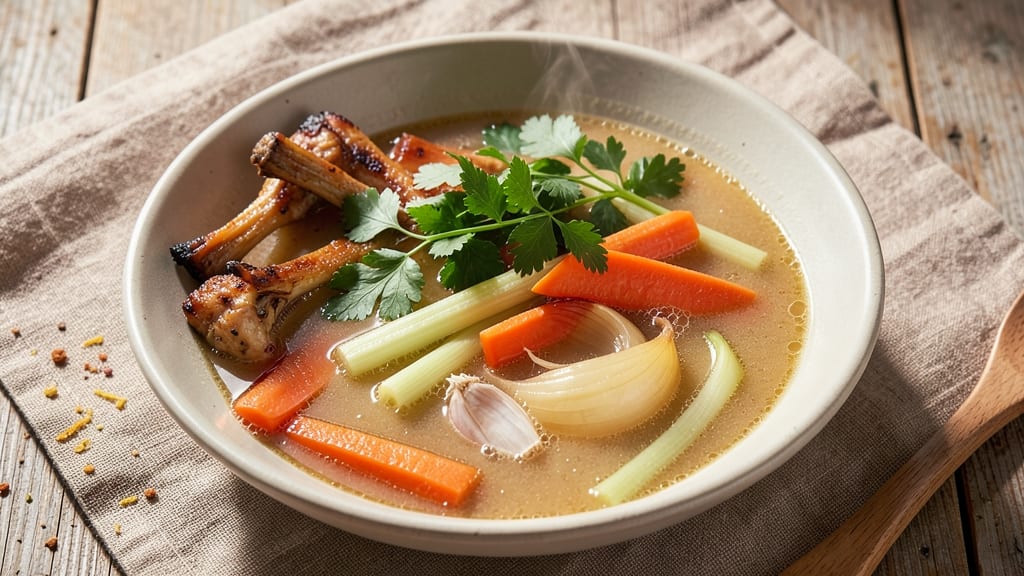
This basic chicken stock soup recipe transforms simple pantry ingredients into a deeply flavorful meal that warms the soul. The foundation lies in building rich, aromatic broth from chicken bones and vegetables—a technique that elevates humble ingredients into something extraordinary.
No specialty tools required, just time and patience for layers of savory depth.
The process begins with a flavorful stock, where chicken bones and aromatics simmer for hours to extract maximum richness. Adding vegetables and herbs later ensures they retain their texture and brightness. This method delivers a soup that’s comforting yet sophisticated, perfect for weeknight dinners or meal prep.
What you’ll achieve is a velvety, aromatic soup with tender vegetables and a broth so deeply flavorful it tastes homemade. The simplicity of the ingredients belies the complexity of the flavors—each spoonful carries the essence of slow-cooked comfort.
Ready in under an hour, it’s the kind of dish that feels like a hug in a bowl.
Serve with crusty bread or over rice to soak up every last drop of that savory broth. The beauty of this recipe lies in its adaptability—swap vegetables based on what you have, and adjust seasoning to taste. Here’s how to make it perfectly every time.
Ingredients for basic chicken stock soup
Pantry staples and aromatic vegetables create a deeply flavorful broth foundation.
| Ingredient | Amount | Notes |
|---|---|---|
| Chicken Bones 🍗 | 2 lb | Raw or cooked, with some meat |
| Yellow Onion 🧅 | 1 whole | Peeled, halved lengthwise |
| Carrots 🥕 | 3 medium | Peeled, cut into chunks |
| Celery Stalks 🌿 | 3 whole | Trimmed, cut into pieces |
| Garlic Cloves 🧄 | 4 cloves | Peeled, smashed |
| Fresh Parsley 🌿 | ¼ cup | Stems removed, chopped |
| Fresh Thyme 🌿 | 1 tbsp | Leaves only, chopped |
| Bay Leaves 🍃 | 2 whole | Dried, standard size |
| Black Peppercorns 🌶️ | 1 tsp | Whole, crushed |
| Salt 🧂 | 1 tsp | Kosher or sea salt |
| Potatoes 🥔 | 2 medium | Peeled, cubed |
| Chicken Breast 🍗 | 1 lb | Boneless, skinless, cubed |
| Olive Oil 🫒 | 2 tbsp | Extra-virgin for richness |
| Water 💧 | 8 cups | Filtered preferred |
The chicken bones are the heart of this soup—look for raw bones with some meat still attached at your butcher or grocery store's meat counter. Costco or Trader Joe's often carry pre-packaged chicken bones if you prefer convenience. Fresh herbs like thyme and parsley elevate the broth's complexity, but dried will work in a pinch. For the vegetables, organic carrots and celery ensure cleaner taste without peeling, though conventional works fine. Avoid wilted or bruised produce, as it affects flavor. The potatoes should be starchy varieties like Russet for best texture.
No fresh thyme? Dried thyme at one-third the amount works perfectly. Substitute bay leaves with oregano or marjoram if needed, though the flavor will differ slightly. For the chicken breast, substitute with shrimp or white fish for a seafood variation, but adjust cooking time accordingly. If you lack olive oil, avocado or vegetable oil are suitable alternatives. The water should be filtered if possible—tap water with strong chlorine taste can leave an off-flavor in the broth. For a vegetarian version, replace chicken bones with mushroom stems or extra vegetable scraps.
Store the broth base in the fridge for up to 5 days or freeze for 3 months in airtight containers. The potatoes and chicken can be cooked separately and added back later for reheating. For meal prep, portion the soup into glass containers—they reheat beautifully and maintain flavor. If you make a large batch, freeze individual servings in ziplock bags with extra space for expansion. The soup actually tastes better the next day as flavors meld.
Why You'll Love This Recipe
- No-Waste Magic: I swear by this recipe for using every scrap of chicken bone—no fancy prep, just toss them raw into boiling water. That first golden broth? Pure liquid flavor, and you’re not throwing away a thing.
- Savory Umami Bomb: The onion, celery, and carrots caramelize just enough to deepen the broth’s richness, while the garlic—roasted or raw, your call—adds that irresistible punch. It’s the kind of soup where every spoonful tastes like a hug.
- Weeknight to Potluck: Make a big batch on Sunday and reheat for days. Too much? Freeze it—this soup tastes even better the next day. Bring it to a gathering, and you’ll be the hero who didn’t stress.
- Budget-Friendly Gold: Chicken bones are cheap, and this recipe stretches them into meals for the whole family. Honestly, I’ve fed six people for under $10 with this—plus, the leftovers turn into next-day lunches with zero effort.
Step-by-step instructions for crafting rich chicken stock soup
Aromatic layers build depth—follow this method for velvety stock with natural sweetness.
Sear the Chicken Bones and Aromatics
Heat a large Dutch oven over medium-high heat until hot. Add the 2 lb chicken bones and sear for 5-7 minutes until deeply golden brown. This step caramelizes the proteins, unlocking rich flavor that infuses the stock.
Remove the bones and set aside. In the same pot, add 2 tbsp olive oil and swirl to coat. Add the halved yellow onion, 3 medium carrots, and 3 whole celery stalks. Cook for 5-6 minutes until softened and beginning to brown. The vegetables should release their natural juices and develop a toasted aroma—this forms the flavor foundation.
Build the Herb and Spice Base
Add the 4 cloves garlic cloves, 1 tbsp fresh thyme, 2 whole bay leaves, 1 tsp black peppercorns, and 1 tsp salt to the pot. Stir for 30 seconds until fragrant. The garlic should sizzle slightly, releasing its pungent oils into the vegetables. This aromatic blend ensures balanced depth in every sip.
Return the seared chicken bones to the pot. Pour in the 8 cups water until the bones are completely submerged. Bring to a gentle boil, then reduce heat to maintain a barely simmering state—small bubbles should break the surface occasionally. Skimming any foam that rises is crucial for clarity.
Simmer the Stock for Maximum Flavor Extraction
Cover the pot and simmer for 2-2.5 hours, maintaining the gentle simmer. The stock should develop a rich amber color and deep, savory aroma. If the liquid level drops below halfway, add hot water to maintain coverage. This slow cooking dissolves collagen from the bones, creating a naturally gelatinous texture.
After simmering, strain the stock through a fine-mesh sieve into a clean pot. Discard the solids. The resulting liquid should be clear with a golden hue and intense chicken flavor. If you prefer a smoother texture, press the solids gently with a spoon to extract every last bit of flavor.
Incorporate Potatoes and Chicken Breast
Return the strained stock to the pot and bring to a gentle simmer over medium heat. Add the 2 medium potatoes and 1 lb cubed chicken breast. Simmer for 15-20 minutes until the potatoes are fork-tender and the chicken reaches 165°F internally. The potatoes should soften completely while the chicken remains juicy.
Remove the chicken and potatoes with a slotted spoon, reserving the cooking liquid. Shred the chicken with two forks and return it to the pot. Stir in the 0.25 cup chopped fresh parsley for brightness. The soup should have a velvety consistency with distinct chunks of potato and chicken. If it's too thick, thin with a bit of the reserved cooking liquid.
Finish with Seasoning and Garnish
Taste the soup and adjust seasoning with additional salt or black pepper as needed. The natural sweetness from the vegetables and umami from the bones should balance perfectly. Ladle into bowls, garnishing each serving with a sprinkle of chopped parsley and a drizzle of olive oil for visual appeal.
Serve immediately while hot. The soup should have a rich, aromatic broth with tender chicken and potatoes. The parsley adds a fresh contrast, while the olive oil enhances the natural flavors. This method transforms simple ingredients into a deeply satisfying, restaurant-quality dish.
Pro Tips For Making Basic Chicken Stock Soup
- Char the Bones First: Toss your chicken bones in a dry pot over medium-high heat for 5-7 minutes until they turn golden brown. I learned this the hard way—skipping it leaves the stock tasting raw and dull, no matter how long you simmer. (Yes, even if you’re impatient like me, resist the urge to rush this.)
- Cut Vegetables Small: Dice onions, carrots, and celery into ¼-inch pieces—no bigger than a pea. Larger chunks mean uneven cooking and a soup that’s either mushy or still crunchy after hours. My grandmother swore by this, and she was right: consistency matters more than you’d think.
- Add Garlic Late: Toss the garlic cloves in whole (peeled) during the last 10 minutes of simmering. Raw garlic burns easily, and adding it too early turns the stock bitter. (Your future self will thank you for this tiny detail.)
- Strain Twice: First, skim off fat and debris with a fine-mesh strainer while the stock is hot. Then, strain again through a cheesecloth-lined sieve for crystal-clear results. This isn’t the prettiest method, but it’s the tastiest—no gritty surprises in your soup.
Wine and beer pairings for this basic chicken stock soup
Light White Wine
A crisp Sauvignon Blanc from New Zealand or Loire Valley is my go-to choice for this soup. The bright acidity and citrus notes cut through the richness of the chicken stock beautifully.
Look for a 2023 Cloudy Bay Sauvignon Blanc—its zesty grapefruit and herbal undertones complement the parsley and thyme in the soup. Serve slightly chilled to enhance the refreshing contrast. 🍷
Crisp Lager
For beer lovers, a German Pilsner like Warsteiner or Stella Artois works wonderfully. The clean, effervescent quality balances the soup's heartiness without overpowering it. The subtle malt sweetness pairs perfectly with the potatoes and carrots. Avoid heavy stouts or dark ales, as they can clash with the delicate broth. 🍺
Dry Rosé
If you prefer something between red and white, a dry Provence rosé like Whispering Angel adds a sophisticated touch. The pale pink hue and dry finish echo the soup's light yet flavorful profile.
The subtle berry notes from the rosé harmonize with the thyme and bay leaves, creating a refined pairing. 🌸
Herbal Infusions
For a non-alcoholic option, try an herbal tea infusion like hibiscus and mint. The tartness of hibiscus mirrors the soup's acidity, while mint adds a refreshing twist.
Brew a strong cup, chill, and serve over ice. This pairing is perfect for a light lunch or when you want to avoid alcohol entirely. 🍃
Seasonal Adjustments
In summer, opt for a sparkling white wine like Prosecco to refresh your palate with each sip. During winter, a dry Riesling with its honeyed notes can stand up to the soup's richness. Always let the beverage enhance—not overpower—the soup's natural flavors. 🍇
Nutrition facts
Frequently asked questions
Can I use chicken carcasses from a rotisserie chicken?
Rotisserie chicken carcasses work perfectly—they're already cooked and full of flavor. Simply rinse off any seasoning, then follow the same searing and simmering steps. Skip the initial browning since they're pre-cooked, but still simmer for 1.5-2 hours to extract all the rich juices. The result will be just as flavorful!
How do I prevent the stock from being cloudy?
Cloudiness usually comes from tiny food particles or protein foam. Skim off any foam that rises during the initial simmer, and strain the stock through a fine-mesh sieve or cheesecloth for a crystal-clear result. For extra clarity, chill the stock overnight—the fat will solidify on top and can be easily removed before reheating.
What vegetables can I substitute if I don't have carrots or celery?
No problem! Swap carrots for sweet potatoes or turnips (they add natural sweetness), and replace celery with leeks or fennel for a slightly different but equally aromatic profile. For a milder option, use zucchini or mushrooms. Just adjust cooking times if needed—harder veggies like turnips may need extra simmering.
Can I make this soup in an Instant Pot or pressure cooker?
Yes, but with adjustments! Sauté the aromatics first, then add bones, water, and herbs. Cook on high pressure for 45 minutes instead of simmering. After pressure cooking, strain and proceed as directed. The high-pressure method extracts flavor faster, but the texture may be slightly different—expect a more concentrated broth. For potatoes, add them during the last 5 minutes of cooking.
Why does my soup taste bland even after seasoning?
Blandness often comes from insufficient simmer time or weak aromatics.