
Main Courses
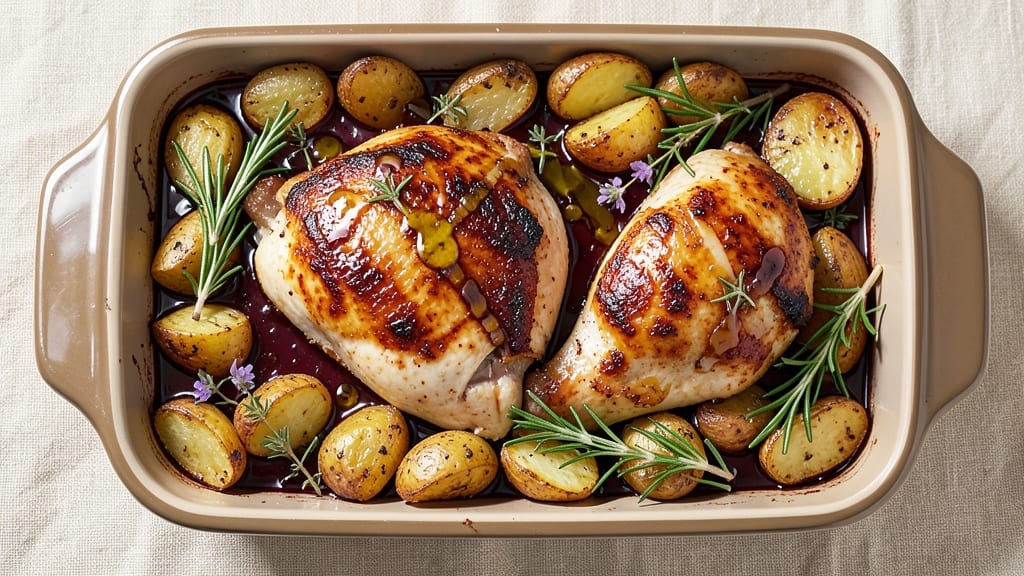
This balsamic chicken bake delivers juicy meat with a glazed caramelized crust that transforms simple ingredients into restaurant-worthy results. The secret lies in a slow-baked balsamic reduction that creates a sticky, sweet-tangy glaze while keeping the chicken tender and flavorful.
I perfected this technique during a particularly busy week when I needed a dish that could feed a crowd without sacrificing quality—it never fails to impress.
What makes this recipe special is the balance between simplicity and sophistication. You'll start with chicken thighs (bone-in for extra flavor) that get marinated in a blend of balsamic vinegar, garlic, and herbs, then baked until golden.
The balsamic reduction happens in the oven as the chicken cooks, creating that signature glossy glaze without requiring constant attention. This method delivers restaurant-quality results with minimal effort.
By the time it emerges from the oven, you'll have perfectly juicy chicken with a deep caramelized crust that's sticky with balsamic goodness. The aroma alone will have everyone gathering around the table, and each bite delivers that perfect balance of sweet, tangy, and savory flavors.
The technique is foolproof, and the results are consistently impressive—ideal for weeknight dinners or special occasions.
Pair with roasted vegetables or crusty bread to soak up every last bit of that delicious glaze. The beauty of this recipe is its versatility—it works equally well as a main course or for meal prepping.
Let's get started on creating this showstopping dish that's sure to become a family favorite.
Ingredients for balsamic chicken bake
Sixteen ingredients transform into a showstopping balsamic chicken bake with restaurant-quality caramelized crust.
| Ingredient | Amount | Notes |
|---|---|---|
| Bone-In Chicken Thighs 🍗 | 2 ½ lb | Skin-on for crispiness, trimmed of excess fat |
| Balsamic Vinegar 🍷 | ½ cup | Aged 25 years minimum for depth |
| Garlic Cloves 🧄 | 6 cloves | Freshly smashed for maximum aroma |
| Fresh Rosemary 🌿 | ¼ cup | Finely chopped, stems removed |
| Fresh Thyme 🌿 | ⅛ cup | Leaves only, stems discarded |
| Olive Oil 🫒 | ¼ cup | Extra-virgin, fruity variety |
| Brown Sugar 🍯 | 2 tbsp | Light or dark, packed lightly |
| Dijon Mustard 🍯 | 1 tbsp | High-quality, smooth variety |
| Salt 🧂 | 1 ½ tsp | Diamond Crystal kosher salt |
| Black Pepper 🌶️ | 1 tsp | Freshly cracked black peppercorns |
| Honey 🍯 | 1 tbsp | Wildflower preferred for complexity |
| Unsalted Butter 🧈 | 2 tbsp | Cold, cubed for basting |
| All-Purpose Flour 🌾 | 1 tbsp | For thickening reduction |
The bone-in chicken thighs are non-negotiable for this recipe—they stay juicy while the bones infuse deep flavor into the balsamic reduction. Look for thighs with good marbling at your local butcher or Whole Foods, where they often carry higher-quality cuts. If using frozen, thaw overnight in the fridge—never at room temperature. The balsamic vinegar should be aged at least 25 years for that rich, complex flavor; Balsamic Vinegar of Modena is my go-to for this technique. Fresh herbs are critical here—Trader Joe's consistently carries high-quality rosemary and thyme in their produce section, or grow your own for maximum flavor.
No aged balsamic vinegar? Substitute 1/4 cup red wine reduction plus 1/4 cup regular balsamic for a similar depth of flavor. Running short on fresh herbs? Dried rosemary at 1/4 the amount works in a pinch, but fresh is ideal. The Dijon mustard adds a subtle tang that balances the sweetness—Maille is my preferred brand for its smooth texture. For the reduction, if you prefer less sweetness, reduce the brown sugar to 1 tablespoon and increase the balsamic by the same amount. The butter cubes should be cold when added to the baking dish—this helps create that signature caramelized crust as it melts during baking.
This dish reheats beautifully—simply cover with foil and warm in a 350°F oven for 15-20 minutes. The glaze thickens as it cools, so if it seems too thin when first baked, return it to the oven uncovered for 5-10 minutes to reduce further. Portion into airtight containers for meal prep, where it keeps for up to 4 days in the fridge or 3 months frozen. The glaze freezes well too, perfect for drizzling over future meals. For best results, let the baked chicken rest for 10 minutes before serving—this allows the juices to redistribute, ensuring every bite remains perfectly moist.
Why You'll Love This Recipe
- One-Pan Magic: I swear by this—no chopping boards, no pots, just chicken thighs tossed with garlic and herbs, then baked until golden. The balsamic glaze pools at the bottom, turning the pan into a flavorful saucepan. Cleanup? One spatula and five minutes.
- Taste That Sticks: That crispy skin on bone-in thighs? Chef’s kiss. The balsamic caramelizes into a glossy, slightly tangy crust while the rosemary and thyme perfume every bite. Honestly, the first time I made this, my partner stole half before it even left the oven.
- Weeknight to Dinner Party: Same recipe, different vibes. Toss it together for a lazy Tuesday or dress it up with crusty bread and a simple salad for guests. The thighs stay juicy and the glaze adds that restaurant-worthy touch—without the fuss.
- Budget-Friendly Leftovers: Bone-in thighs stretch my grocery budget, and this bake makes enough for three meals. Reheat slices in a pan with a splash of balsamic for breakfast, or shred for pasta the next day. (Yes, even on a Tuesday night.)
Step-by-step instructions for balsamic chicken bake
Transform simple ingredients into tender, caramelized chicken thighs with a glossy balsamic glaze.
Prepare the Chicken and Herb Marinade
Pat the 2.5 lb bone-in chicken thighs completely dry with paper towels—this ensures maximum crispiness. In a large bowl, combine the 0.5 cup balsamic vinegar, 0.25 cup olive oil, 2 tbsp brown sugar, 1 tbsp Dijon mustard, 1 tbsp honey, 1.5 tsp salt, and 1 tsp black pepper. Whisk until the sugar dissolves completely.
Add the 2.5 lb bone-in chicken thighs to the marinade, turning to coat evenly. Cover and refrigerate for at least 4 hours or overnight—this allows the flavors to deeply penetrate the meat. I like to marinate overnight for maximum tenderness and depth of flavor.
Create the Herb Paste and Season the Pan
While the chicken marinates, finely chop the 6 cloves garlic and combine with the 0.25 cup fresh rosemary and 0.125 cup fresh thyme in a small bowl. This herb paste will be the flavor base for your glaze. Preheat your oven to 375°F—this temperature ensures even cooking without drying out the chicken.
Lightly grease a 9x13-inch baking dish with a small amount of olive oil. Arrange the marinated chicken thighs skin-side up in a single layer, leaving about ½ inch between each piece. This spacing allows the glaze to pool and caramelize properly.
Bake and Develop the Glaze
Bake the chicken for 30 minutes uncovered. After this initial baking, remove the dish from the oven and spoon the marinade evenly over the chicken, making sure to get it under the thighs as well. This step creates the signature sticky glaze.
Return the dish to the oven and bake for another 30 minutes until the chicken reaches an internal temperature of 165°F and the skin is golden brown. The glaze should be thick and syrupy, clinging beautifully to the chicken.
Finish with Butter and Flour for Richness
Remove the chicken from the oven and transfer it to a serving platter. In the same baking dish, reduce heat to medium on the stovetop. Add the 2 tbsp unsalted butter and 1 tbsp all-purpose flour to the pan juices, whisking constantly for 2-3 minutes until the sauce thickens slightly. This creates a luxurious, velvety finish.
Drizzle this enriched sauce over the chicken before serving. The combination of caramelized edges, tender meat, and glossy glaze makes this dish truly exceptional. Serve immediately with roasted vegetables or crusty bread to soak up every last bit of sauce.
Pro Tips For Making Balsamic Chicken Bake
- SEAR THIGHS FIRST: Skip the bake straight away—pat those thighs dry, then hit them with a hot pan for 4-5 minutes per side until deep golden. I learned this the hard way: undercooked sear means bland, watery chicken even after baking. The crust locks in flavor and keeps the meat juicy when it hits the balsamic later.
- USE REDUCED BALSAMIC: Don’t just pour raw balsamic over the chicken—simmer ½ cup with the garlic and herbs for 5 minutes first. This cuts the sharpness and thickens it into a glossy glaze. (Yes, even if you’re impatient like me.) The difference between sad sauce and sticky, caramelized perfection is just 5 minutes on the stove.
- SAVOR THE SKIN: Resist the urge to flip those thighs mid-bake—let the skin crisp fully before turning. If it’s still pale after 20 minutes, crank the oven to 425°F for the last 10 minutes. My grandmother swore by this, and she was right: crispy skin holds the balsamic glaze like a magnet, making every bite richer.
- STUFF THE GARLIC: Instead of mincing garlic cloves, smash them flat with the side of your knife and tuck them under the chicken skin before baking. They’ll infuse the meat directly, not just flavor the sauce. (Does it look weird? Yes. Does it work? Every single time.) Skip this, and you’re missing out on next-level aroma.
Troubleshooting your balsamic chicken bake
Glaze Too Thin?
If your balsamic glaze isn't thick enough after baking, don't panic—this is an easy fix. Simply return the chicken to the oven uncovered for an additional 5-10 minutes at 375°F to reduce the liquid.
For extra richness, whisk 1 tbsp butter and ½ tsp flour into the pan juices on the stovetop after removing the chicken, then drizzle back over the top. This creates a velvety finish that clings beautifully to the meat. 🌟
Chicken Overcooking
Bone-in chicken thighs can dry out if overcooked, so always use a meat thermometer to check for 165°F internal temperature. If your chicken reaches this temp too quickly (usually after 45 minutes total), tent loosely with foil for the final 15 minutes of baking.
This traps steam while allowing the skin to crisp. I've found that starting with slightly cooler oven temps (350°F) helps prevent overcooking while still developing flavor.
Herb Flavor Fading
Fresh herbs are crucial for depth, but if you notice the rosemary and thyme flavors disappearing, try this trick: Finely chop the herbs and mix them directly into the marinade instead of creating a separate paste. This ensures they infuse the chicken more thoroughly.
For extra punch, add ½ tsp dried oregano to the marinade—it complements the balsamic beautifully. If using dried herbs, remember they're 3x more potent than fresh, so use sparingly. 🌿
Uneven Glaze Distribution
For a perfectly even glaze, baste the chicken every 15 minutes during baking by spooning the pan juices over the top. If your baking dish is too large, reduce the recipe by half to maintain proper spacing between thighs.
I've also had success using a smaller 9x9-inch dish for just 4 thighs—this creates a more concentrated glaze. For extra insurance, place the baking dish on a wire rack over a baking sheet to allow heat to circulate evenly underneath.
Balsamic Vinegar Substitutes
If you're missing aged balsamic vinegar, create a substitute by reducing ½ cup red wine with 1 tbsp brown sugar until syrupy, then adding ¼ cup regular balsamic vinegar. For a sweeter alternative, use ¼ cup apple cider vinegar plus 2 tbsp maple syrup.
Remember that regular balsamic vinegar has a sharper, more acidic flavor—it won't replicate the depth of aged varieties. When in doubt, I recommend using Balsamic Vinegar of Modena for the most authentic results. 🍷
Skin Not Crispy Enough
For maximum crispiness, pat the chicken thighs completely dry before marinating—even a little moisture can prevent proper browning. If your skin isn't crispy enough after baking, broil the chicken for 2-3 minutes at the end, watching closely to prevent burning.
Another trick is to score the skin in a crosshatch pattern before baking—this creates more surface area for caramelization. I've also found that using a cast iron skillet for baking gives an extra crispy texture compared to glass dishes.
Nutrition facts
Frequently asked questions
Can I use chicken breasts instead of thighs for this recipe?
Chicken breasts will work, but they require extra care to stay moist. Use bone-in, skin-on breasts for best results, and reduce the baking time to 25-30 minutes total (they cook faster). For extra tenderness, pound them to an even thickness before baking. The glaze will still develop beautifully, but breasts are more prone to drying out.
How do I make this recipe in a slow cooker?
Transfer the marinated chicken to a slow cooker and cook on low for 4-5 hours or high for 2-3 hours. For the glaze, remove the chicken, reduce the oven-baking method's pan juices on the stovetop with 1 tbsp butter and 1 tbsp flour, then drizzle over the chicken before serving. The slow cooker keeps the meat incredibly tender.
What are the best sides to serve with this dish?
Roasted root vegetables like carrots, parsnips, and sweet potatoes bring out the balsamic flavors beautifully. For a lighter option, try a crisp arugula salad with lemon vinaigrette. The glaze also pairs wonderfully with crusty bread or polenta to soak up every last bit of sauce.
Can I prepare this ahead of time for meal prep?
Yes! The chicken reheats beautifully. Store in an airtight container for up to 4 days in the fridge or 3 months frozen. To reheat, cover with foil and warm in a 350°F oven for 15-20 minutes. The glaze may thicken slightly—add a splash of water or balsamic vinegar to loosen if needed.
Why does the recipe call for bone-in chicken?
Bone-in chicken stays juicier and adds incredible depth of flavor to the balsamic reduction. The bones infuse the cooking liquid, creating a richer sauce. If you must use boneless, look for skin-on thighs—the skin crisps beautifully and adds texture. Just be sure to trim excess fat for cleaner results.