
Main Courses
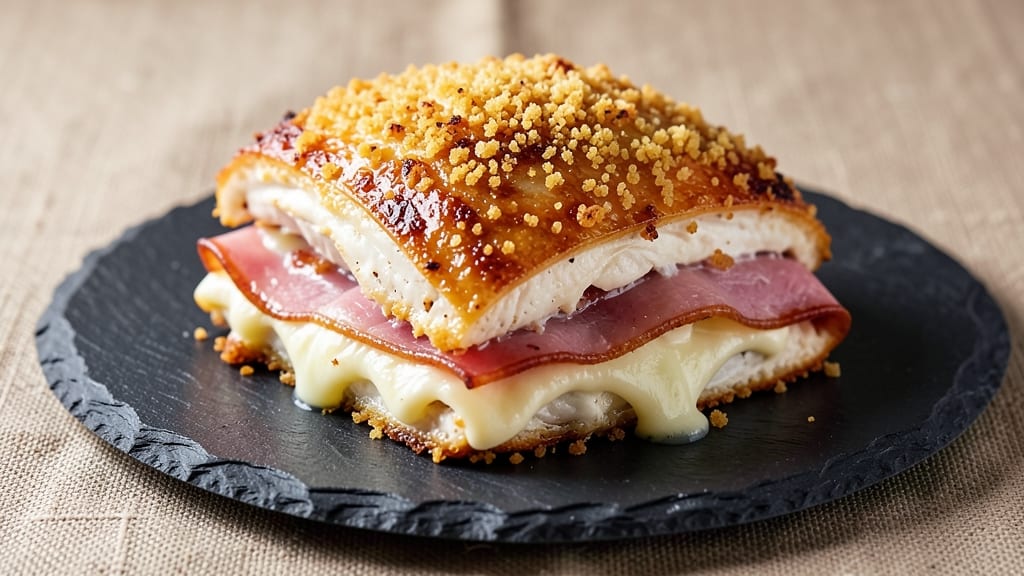
This baked stuffed chicken cordon bleu delivers restaurant-quality results with crispy golden breading and tender layers of ham and Swiss cheese. I've perfected the technique over years of trial and error—starting with a buttery breading that seals in juices while creating that signature crispy exterior.
The key is getting the stuffing just right before sealing the chicken, so every bite delivers melty cheese and savory ham.
What makes this recipe special is the balance between tradition and simplicity. You'll start with boneless chicken breasts pounded to even thickness, then stuff them with thin slices of ham and Swiss cheese before breading and baking.
The breading mixture uses panko for extra crunch, and baking at 375°F ensures even cooking without drying out the chicken. My grandmother used to make this dish on Sunday afternoons, and it always became the centerpiece of our family dinners.
By the time it emerges from the oven, you'll have perfectly golden chicken with crispy edges that shatter at the touch. Cutting into it reveals layers of creamy Swiss and savory ham, all perfectly cooked and ready to be served.
The breading stays crisp even after resting, which means you can serve it immediately without worrying about soggy results. This is the kind of dish that makes weeknight cooking feel special.
Serve with roasted potatoes and steamed green beans for a complete meal, or add a simple salad for a lighter option. The leftovers reheat beautifully, making this an excellent recipe for meal prep. Here's everything you need to create this classic dish at home.
Ingredients for baked stuffed chicken cordon bleu
Buttery breading, melty Swiss, and savory ham—this is your shortcut to restaurant-style chicken cordon bleu.
| Ingredient | Amount | Notes |
|---|---|---|
| Boneless, Skinless Chicken Breasts 🍗 | 1 ½ lb | Pounded to even 1/2-inch thickness |
| Thinly Sliced Black Forest Ham 🥓 | 8 oz | Low-sodium preferred for balance |
| Swiss Cheese Slices 🧀 | 4 pieces | Semi-soft, not extra-sharp |
| All-Purpose Flour 🌾 | 1 cup | For dredging |
| Panko Breadcrumbs 🍞 | 1 cup | Extra-crispy preferred |
| Unsalted Butter 🧈 | ¼ cup | Melted for breading |
| Large Eggs 🥚 | 2 whole | Room temperature for best adhesion |
| Dijon Mustard 🍯 | 1 tbsp | For extra flavor adhesion |
| Garlic Powder 🧄 | ½ tsp | Freshly ground preferred |
| Ground Black Pepper 🌶️ | ½ tsp | Freshly cracked |
| Kosher Salt 🧂 | 1 tsp | For seasoning |
| Fresh Parsley 🌿 | ¼ cup | Chopped, for garnish |
| All-Purpose Flour 🌾 | ¼ cup | For plate dredging |
The chicken is the star, so pick boneless, skinless breasts with even thickness—thin ends make stuffing easier. Trader Joe's and Costco carry pre-pounded ones, but if you're doing it yourself, pound to 1/2-inch with a meat mallet. For ham, Black Forest is classic, but any thinly sliced deli ham works (just watch the sodium). The Swiss cheese should be semi-soft, not extra-sharp—Sargento or Boar's Head are my go-tos. Panko is non-negotiable here—it's what gives that signature crispy texture. Japanese panko from the Asian aisle is the gold standard, but any extra-crispy brand works in a pinch.
No Dijon mustard? Yellow mustard at double the amount works, though it won't have the same depth. Short on parsley? Fresh chives or basil add a nice contrast. The breading mixture is simple but critical—melt the butter first (microwave 40 seconds) so it emulsifies with the egg. If your breadcrumbs seem dry, add a splash of milk to the egg wash. For extra flavor, mix 1 tsp dried thyme into the panko before dredging. And pro tip: pat the chicken dry before stuffing—wet surfaces make breading stick less well.
Stuffed chicken keeps best in the fridge for 2 days before baking, but I usually prep and bake it fresh for maximum crispiness. Once baked, let it rest 5 minutes before cutting—this keeps the filling from oozing out. Leftovers reheat beautifully in a 350°F oven for 10-12 minutes (cover with foil to prevent drying). For meal prep, slice and store components separately—reassemble and bake when ready to serve. The breading stays crisp for 3 days if stored in an airtight container, though it's best served fresh.
Why You'll Love This Recipe
- No Butterfingers Needed: I swear by this method—just pound the chicken flat, stuff it with ham and cheese, then roll it up like a burrito. No delicate folding or fancy knife work here. The panko crust stays put even if my hands aren’t steady.
- That Crispy-Creamy Magic: The flour dip gives it a light crunch, while the panko locks in the gooey Swiss and salty ham. It’s the kind of bite that makes you close your eyes—juicy chicken, melty cheese, all in one perfect package.
- Weeknight to Dinner Party: Same recipe, different vibes. Toss it together for a Tuesday night dinner or dress it up with a side salad and wine for guests. The ham and cheese combo feels fancy without the fuss.
- Leftovers That Don’t Suck: Unlike fried versions, this bakes up clean and reheats beautifully. Pack the extras for lunches or freeze them—no soggy crust or dry chicken here. My kids actually ask for seconds.
Step-by-step instructions for baked stuffed chicken cordon bleu
Here's how to create golden, crispy perfection with this classic French-inspired dish.
Prepare the Chicken with Seasoning and Mustard
Start by placing each of the 1.5 lb boneless, skinless chicken breasts between two sheets of plastic wrap. Using a meat mallet, pound them to an even ½-inch thickness—this ensures they cook through evenly. I like to press firmly but evenly to avoid tearing the meat.
Once pounded, pat the chicken dry with paper towels. This step is crucial for that crispy crust later. In a small bowl, whisk together 1 tbsp Dijon mustard, ½ tsp garlic powder, ½ tsp ground black pepper, and 1 tsp kosher salt. Spread this mixture evenly over both sides of each chicken breast. The mustard helps the filling stick and adds depth of flavor.
Assemble the Stuffed Chicken
Lay out 4 pieces Swiss cheese slices on a clean work surface. Place 2 oz of the thinly sliced Black Forest ham (about ¼ of the total) on each cheese slice, dividing it evenly. The ham should be spread thinly to create even layers.
Place one seasoned chicken breast on top of each ham-and-cheese assembly. Fold the ham and cheese over the chicken, creating neat, rectangular packages. Secure each package with kitchen twine, tying it tightly every 1 inch along the length. This keeps the filling in place during baking and ensures even cooking.
Create the Crispy Breading
In a shallow dish, whisk together 1 cup all-purpose flour, 1 cup panko breadcrumbs, and a pinch of salt. In another dish, beat the 2 whole large eggs until just combined. Melt the ¼ cup unsalted butter and set it aside.
Dredge each stuffed chicken breast first in the flour mixture, pressing gently to adhere. Dip into the beaten eggs, letting any excess drip off, then coat thoroughly in the remaining flour mixture. For extra crispiness, brush the buttered chicken lightly with the melted butter before placing it on a wire rack set over a baking sheet. This step guarantees that golden, crackly crust we're after.
Bake to Golden Perfection
Preheat your oven to 375°F. Bake the chicken on the prepared rack for 30-35 minutes, or until the internal temperature reaches 165°F and the breading is deep golden brown. The rack allows air to circulate underneath, preventing soggy breading.
I check for doneness by pressing gently on the chicken—it should spring back slightly. If the breading starts to brown too quickly, tent loosely with foil to prevent burning while still allowing it to crisp. The cheese should be fully melted, and the ham should be heated through.
Rest and Serve with Fresh Garnish
Remove the chicken from the oven and let it rest for 5 minutes before cutting. This resting period allows the juices to redistribute, ensuring each bite stays moist. Use kitchen shears to snip the twine and carefully slice each breast into ½-inch thick pieces.
Transfer the chicken to a serving platter and sprinkle generously with the ¼ cup chopped fresh parsley. The parsley adds a bright contrast to the rich flavors of the ham and cheese. Serve immediately with lemon wedges or your favorite sauce—each bite should deliver crispy, golden layers with tender chicken, melted Swiss, and savory ham.
Pro Tips For Making Baked Stuffed Chicken Cordon Bleu
- USE COLD CHICKEN: Stuffing warm chicken makes the ham and cheese ooze out like a sad, greasy mess. Keep those breasts chilled until you’re ready to roll—it holds the filling tight and prevents the breading from turning into glue.
- PAT THE DRY: Wet chicken breasts = soggy breading. After rolling, press the stuffed cutlets between two paper towels to soak up any moisture before dredging in flour. I learned this the hard way—my first batch looked like it had been dragged through a swamp.
- BAKE LOW AND SLOW: Crank the oven to 400°F for the first 10 minutes to get that crust going, then drop it to 350°F. Too high, and the outside burns before the inside cooks through. Too low, and you’re left with a sad, undercooked center—neither is ideal.
- SKIP THE DOUBLE DREDGE: Flour, egg wash, panko—that’s all you need. Adding a second flour dredge just makes the crust gummy. Trust me, the first layer of panko sticks better and crisps up nicely without the extra effort. (Yes, even if you’re impatient like me.)
Common mistakes when making your baked stuffed chicken cordon bleu
Overstuffing Disaster
This is my biggest lesson learned: never overstuff the chicken. Too much ham or cheese will burst through the breading during baking, creating a messy pile.
I once stuffed a breast with 3 oz of ham instead of 2 oz, and by the time it came out of the oven, the filling was leaking everywhere. Stick to the 2 oz ham per breast measurement—it’s the perfect balance for even cooking and clean presentation. 🌶️
Skipping the Mustard
The Dijon mustard isn’t just for flavor—it’s the glue that keeps the filling from sliding out while baking. My first attempt without it resulted in cheese oozing out during cooking, making a sticky mess. Always spread that 1 tbsp Dijon evenly on both sides of the chicken before stuffing.
If you’re short on Dijon, yellow mustard works in a pinch, but it won’t have the same depth of flavor.
Uneven Thickness
Pounding the chicken to ½-inch thickness is non-negotiable. I once used a thicker breast without pounding it, and by the time it hit 165°F, the center was still raw while the edges were overcooked.
Use a meat mallet or rolling pin to ensure even thickness—this guarantees the chicken cooks through perfectly without drying out. Pro tip: Weigh your breasts before pounding to ensure consistency.
Wet Breading
If your breading looks soggy or clumpy, it’s usually because the egg wash was too wet or the chicken wasn’t dry enough. I’ve ruined more than one batch by skipping the paper towel pat-dry step.
For extra crispiness, melt the butter first and mix it into the egg wash—this creates a smoother, more adhesive coating. If your panko seems dry, add a splash of milk to the egg wash to help it bind.
No Resting Time
Cutting into the chicken immediately after baking is a big mistake—the juices will spill out, leaving you with dry, flavorless bites. Always let it rest for 5 minutes before slicing.
This also lets the breading set properly, so it stays crisp instead of turning soggy. Trust me, those 5 minutes make all the difference in the final texture. ⏰
Overlooking the Rack
Baking the chicken directly on the baking sheet can lead to soggy breading because steam gets trapped underneath. I used to skip the wire rack, and the result was always less crispy.
Set up a wire rack over a baking sheet to allow air to circulate—this keeps the breading golden and crunchy. If you don’t have a rack, use a cooling rack or even a folded aluminum foil sheet with holes punched in it.
Nutrition facts
Frequently asked questions
Can I use chicken thighs instead of breasts for this recipe?
Chicken thighs work but require adjustments. Use bone-in, skin-on thighs (about 1.5 lb total) and reduce baking time to 25-30 minutes at 375°F—the skin protects against drying. Skip pounding and adjust stuffing to 1.5 oz ham per thigh since they're larger. The skin adds flavor but may need extra crisping with a broiler for 2-3 minutes at the end.
What if I don't have kitchen twine to secure the stuffing?
No problem! Use toothpicks (4 per breast) or aluminum foil strips twisted tightly around the chicken. For extra security, press the edges of the ham/cheese package firmly before breading. The key is keeping the filling snug—just avoid poking through the breading layer during baking.
Can I make this recipe ahead of time?
Assemble the stuffed chicken up to 24 hours ahead and refrigerate uncooked. Bake straight from the fridge (add 5-7 minutes to cooking time). For leftovers, store baked chicken in an airtight container for 3 days. Reheat covered at 350°F for 10 minutes—the breading stays crispy if reheated quickly.
What's the best way to reheat stuffed chicken?
Use the oven for best results. Place slices on a baking sheet with ½ cup water in the pan to prevent drying. Cover loosely with foil and reheat at 350°F for 8-10 minutes. For microwave reheating, cover with a damp paper towel and heat in 30-second bursts—this keeps the breading from getting soggy.
Can I substitute the ham and cheese filling?
Try these alternatives! For ham, use prosciutto or turkey breast (reduce to 1 oz per breast to avoid excess moisture). For cheese, swap Swiss for Gruyère or provolone. Vegetarian option: use spinach + feta (reduce to 1 oz feta per breast)—just pat dry before stuffing to prevent sogginess.