
Sauces & Condiments
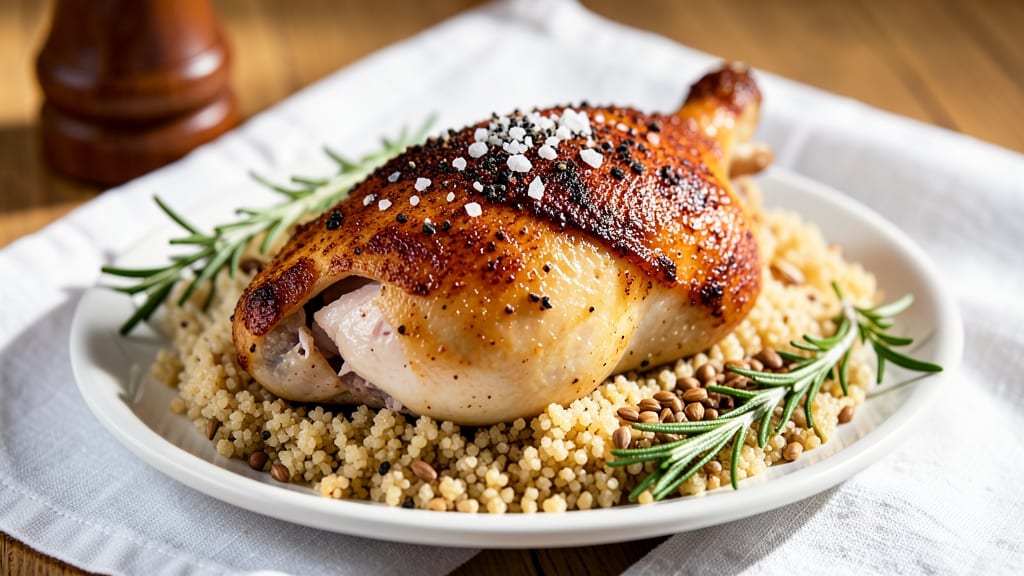
This baked chicken thigh seasoning recipe transforms ordinary chicken thighs into restaurant-quality bites—crispy on the outside and juicy within. I developed it after years of experimenting with my grandmother's vague seasoning instructions, finally nailing the perfect balance of savory, herby, and slightly smoky flavors.
The blend is designed to cling to the skin, creating that coveted caramelized crust while keeping the meat tender.
What makes this seasoning special is its simplicity and versatility. With just six ingredients—including smoked paprika for depth and fresh rosemary for aroma—it delivers professional results without requiring fancy techniques.
The dry rub formula means you can make a big batch, store it in an airtight container, and have perfectly seasoned chicken ready whenever you need it. No more last-minute spice shopping or guessing measurements.
The magic happens when you apply this blend generously before baking, letting the spices work their flavor while the chicken cooks. The result? A golden, flavorful crust that shatters with every bite, revealing meat so tender it practically melts in your mouth.
This isn't just another dry rub—it's a game-changer for weeknight dinners and special occasions alike.
Perfect for meal prep or spontaneous dinners, this seasoning mix elevates even the simplest chicken thighs into something extraordinary. The blend keeps well for months, making it a kitchen essential that pays for itself with every use. Let's get started on creating your own batch—your taste buds will thank you.
Ingredients for baked chicken thigh seasoning
Six simple spices and herbs—just what you need for restaurant-worthy baked chicken thighs.
| Ingredient | Amount | Notes |
|---|---|---|
| Smoked Paprika 🌶️ | 3 tbsp | High-quality smoked variety |
| Fresh Rosemary 🌿 | 2 tbsp | Finely chopped, fresh preferred |
| Garlic Powder 🧄 | 2 tbsp | Freshly ground preferred |
| Ground Black Pepper 🌶️ | 1 ½ tbsp | Freshly cracked for best flavor |
| Kosher Salt 🧂 | 1 ½ tbsp | Diamond Crystal preferred |
| Ground Cumin 🌿 | 1 tbsp | Toasted for deeper aroma |
The smoked paprika is non-negotiable here—it's what gives that coveted caramelized crust its smoky depth. Penzeys or Trader Joe's carry excellent varieties, but any reputable grocery store will have a good one. Fresh rosemary is ideal, but if you're using dried, cut the amount to one-third. The garlic powder should be freshly ground—pre-ground loses potency fast. For the salt, Diamond Crystal is my go-to because it dissolves beautifully, but any kosher salt works. The cumin might seem like an afterthought, but it rounds out the blend beautifully—don't skip it.
No smoked paprika? Regular paprika plus a pinch of liquid smoke (about 1/4 tsp) gets you close. Fresh rosemary wilt fast, so store it in the fridge wrapped in damp paper towels. Short on time? Dried rosemary works at one-third the amount. The black pepper should be freshly cracked—pre-ground loses its punch. If you're making this for a crowd, double the batch—it keeps for months in an airtight container. For extra heat, add a pinch of cayenne, but trust me on the full-fat version of the spices.
This blend stays potent for up to 6 months in a sealed container, tucked away from light. I portion mine into small jars so I always have it ready for quick weeknight dinners. The spices meld beautifully over time, so the longer it sits, the better it tastes. If you're meal prepping, make a big batch—it's worth the extra minute of mixing. Store the extra in the freezer for up to 1 year if you want to be extra cautious.
Why You'll Love This Recipe
- Five-Ingredient Magic: I swear by this combo—smoked paprika and rosemary alone make the skin crackle like a campfire, while the garlic powder sneaks in that savory punch without extra work. Honestly, I’ve tried fancy marinades, but this? It’s the kind of seasoning that turns a basic protein into something that feels like a restaurant dish.
- Weeknight Hero: Between us, I’ve used this on Tuesdays when I’m too tired to think, and it still comes out with that perfect crispy edge and juicy center. Toss the thighs on a sheet pan, sprinkle the mix, and let the oven do the rest—no babysitting required.
- Leftovers That Don’t Suck: I make a double batch every time because the flavor actually improves the next day. Cold slices in sandwiches? Yes. Tossed in pasta? Absolutely. Even reheated, it’s still that smoky, herby goodness—no sad, dry chicken here.
- Budget-Friendly Flex: This recipe costs me pennies per serving, but it feels like a splurge. The rosemary and paprika might seem fancy, but a little goes a long way, and the rest of the ingredients are pantry staples. Plus, chicken thighs are cheaper than breasts, so I’m feeding my family better without breaking the bank.
Step-by-step instructions for creating the perfect herb-packed dry rub
Here's how to blend these spices into a powerful seasoning that delivers on crispy skin and juicy meat every time.
Toast the Spices for Maximum Flavor
In a dry skillet over medium heat, add the 1 tablespoon ground cumin and toast for 1 minute until fragrant and slightly darker. This step enhances the cumin's natural aroma and removes any raw taste. Watch carefully—the spices will darken quickly, so keep an eye on them to avoid burning.
Remove the cumin from the pan and set it aside. Now add the 3 tablespoons smoked paprika to the same skillet and toast for 30 seconds, stirring constantly. You'll notice the paprika deepening in color and releasing its smoky essence. This brief toasting intensifies the flavor without overpowering the delicate herbs we'll add next.
Combine Dry Ingredients
In a medium bowl, whisk together the toasted smoked paprika and ground cumin with the remaining dry ingredients: 2 tablespoons garlic powder, 1.5 tablespoons ground black pepper, and 1.5 tablespoons kosher salt. This combination creates the backbone of our seasoning blend, balancing heat, earthiness, and saltiness.
Use a fork or whisk to break up any clumps and ensure even distribution of the spices. The garlic powder should be finely ground—if you notice any larger particles, pulse them in a spice grinder for a smoother texture. This step ensures every chicken thigh gets an equal dose of flavor.
Incorporate Fresh Rosemary
Add the 2 tablespoons finely chopped fresh rosemary to the dry mixture. The fresh herb brings a bright, piney aroma that complements the earthy spices perfectly. Gently fold it in with your hands or a fork, being careful not to crush the rosemary leaves too much—this preserves their texture and prevents the blend from becoming pasty.
Here's the thing—fresh rosemary makes all the difference. If you're using dried rosemary instead, reduce it to 1 teaspoon and crush it lightly between your fingers to release its oils. The fresh version adds a vibrant freshness that dried simply can't match, so if possible, stick with the fresh herb.
Mix Thoroughly for Even Distribution
Transfer the mixture to a mortar and pestle or small bowl and grind everything together for 1-2 minutes until you achieve a fine, powdery consistency. This step ensures the rosemary releases its essential oils and blends seamlessly with the other spices. You should end up with a deep red-brown rub that smells incredible.
Test the seasoning by rubbing a small amount between your fingers. It should feel fine and gritty, with no visible herb pieces. If you notice any larger particles, continue grinding until everything is uniformly combined. This thorough mixing guarantees that every bite of your chicken thigh will be packed with flavor.
Store Properly for Future Use
Transfer the finished rub to an airtight container, like a small jar with a tight-sealing lid. Store it in a cool, dark place—like your pantry—for up to 3 months. The spices will maintain their potency and aroma during this time, ready to elevate any dish you prepare.
When you're ready to use it, shake the jar well before each application. This seasoning works beautifully on chicken thighs, but don't hesitate to use it on other proteins like pork chops, roasted vegetables, or even as a finishing rub for grilled meats. The possibilities are endless, and the flavor is always exceptional.
Pro Tips For Making Baked Chicken Thigh Seasoning
- CRANK THE HEAT FIRST: Start your oven at 450°F for the first 15 minutes—this sears the skin and locks in juices before the rosemary and smoked paprika get their chance to shine. I learned this the hard way after baking at 375°F and ending up with bland, rubbery skin.
- CHOP ROSEMARY COARSELY: Tear the rosemary sprigs into rough pieces, not tiny confetti—you want flavor, not a mouthful of needles. My grandmother swore by this, and she was right: big pieces release aroma better and don’t turn to mush.
- SALT THE CHICKEN 40 MINUTES EARLY: Season the thighs with kosher salt (about 1 tsp per pound) and let them sit uncovered on a wire rack for 40 minutes before baking. This dries the surface just enough for that crispy crust, and the garlic powder will stick better too.
- SKIP THE CROWDED PAN: Don’t stack thighs—give them space, even if it means two baking sheets. Overlapping means uneven cooking, and the bottom pieces steam instead of crisp. Trust me, your future self will thank you when the skin is golden on all sides.
Storing and reheating your baked chicken thigh seasoning
Refrigerator Storage
Store your freshly made seasoning in an airtight container—I love using small glass jars with tight-sealing lids. Keep it in the fridge for up to 3 months if you want to preserve maximum freshness, especially if you're using fresh rosemary. The cooler temperature slows down flavor degradation, so your seasoning stays vibrant for longer. Just
Pantry Storage
For everyday use, store your seasoning in a cool, dark pantry for up to 6 months. The key here is keeping it away from light and heat, which can dull the spices' potency. I keep mine in a small amber jar tucked away from direct sunlight. The spices will gradually meld together, deepening in flavor over time—this is actually a good thing! Just shake the jar well before each use to redistribute any settled spices.
Freezer Storage
If you want to extend the shelf life even further, store your seasoning in the freezer for up to 1 year. Use a freezer-safe container or a heavy-duty ziplock bag, squeezing out all the air before sealing.
The freezer preserves the rosemary’s freshness and keeps the other spices at peak potency. When you’re ready to use it, let the jar sit at room temperature for 10 minutes before opening to prevent condensation from forming inside. 🧊
Reheating Seasoned Chicken
If you’ve already seasoned your chicken thighs and stored them in the fridge, reheating them properly is key. Place the thighs in a skillet over medium heat and cook for 5-7 minutes per side until they reach an internal temperature of 165°F.
Alternatively, reheat in the oven at 375°F for 15-20 minutes on a wire rack to keep them crispy. Avoid microwaving—it’ll make the skin soggy, and we’re going for that perfect crispy texture!
Reviving Stale Seasoning
If your seasoning starts to lose its punch, you can revive it by toasting the spices again. Simply heat a dry skillet over low heat and gently toast the seasoning for 1-2 minutes, stirring constantly. This will reactivate the spices and bring back that fresh, aromatic flavor.
It’s a quick fix that works wonders, especially if you’ve had the jar sitting in your pantry for a while. Trust me, it’s better than starting from scratch! ✨
Nutrition facts
Frequently asked questions
Can I use dried rosemary instead of fresh?
Yes, but reduce it to 1 teaspoon dried for every 2 tablespoons fresh. Dried rosemary is more concentrated, so using the same amount will make your seasoning too strong. Crush it lightly between your fingers to release the oils before mixing—this helps distribute the flavor evenly.
How much seasoning should I use per chicken thigh?
Use about 1 tablespoon of this rub per 2 large chicken thighs (about 6-8 oz each). Rub it generously on all sides, including the edges, so the spices cling to the skin. For extra crispiness, don't be shy—more seasoning means more flavor and better caramelization.
Can I make this seasoning without smoked paprika?
Yes, but the flavor will be different. Replace it with 3 tablespoons regular paprika plus ¼ teaspoon liquid smoke for depth. The smoked paprika is key for that authentic, slightly smoky taste—it's what gives the crust its signature character. If you're avoiding it for dietary reasons, try adding a pinch of chipotle powder instead.
Will this seasoning work for other meats besides chicken?
This blend works beautifully on pork chops, lamb, or even roasted vegetables. For pork, reduce the cumin to ½ tablespoon—it can be overpowering. For vegetables, use ½ teaspoon per pound and toss them in olive oil before roasting. The rosemary and garlic add a wonderful herbal note to everything.
How do I fix if my seasoning turns clumpy?
If your rub gets clumpy, simply pulse it in a spice grinder or crush it with a mortar and pestle for 30 seconds. The rosemary leaves are the main culprit—if they're too finely chopped, they can absorb moisture and create lumps. Store your seasoning in a completely dry container to prevent this from happening in the future.