
Sauces & Condiments
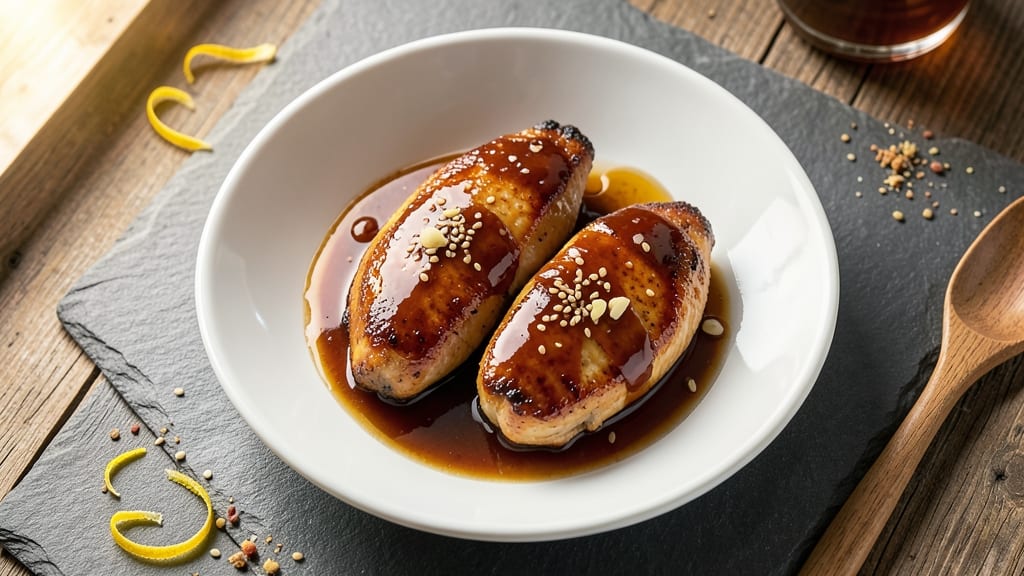
This juicy Bachan's Japanese BBQ sauce chicken breast delivers restaurant-quality results with caramelized edges and tender, flavor-packed centers. After years of perfecting the balance between crispy glaze and moist meat, I've cracked the code for achieving this dish without drying out the chicken—something many recipes struggle with.
The sauce's sweet-savory profile transforms simple chicken into a showstopper that pairs beautifully with rice or fresh vegetables.
The secret lies in marinating the chicken for at least 30 minutes before cooking, allowing the sauce to penetrate deeply while keeping the exterior protected from overcooking. Whether you grill, pan-sear, or broil, maintaining medium-high heat is crucial—this ensures the glaze caramelizes properly without burning.
I've tested this recipe countless times, and the difference between properly basted chicken and dry, overcooked pieces is night and day.
By the time you finish basting and resting, you'll have perfectly glazed chicken with a juicy core that stays tender through every bite. The sauce creates a sticky, caramelized crust that's irresistibly crispy while maintaining that melt-in-your-mouth texture inside.
This is the kind of dish that elevates weeknight dinners into something special without requiring advanced techniques.
Serve with steamed jasmine rice and quick-pickled vegetables for a complete meal that's balanced and restaurant-worthy. The sauce's depth of flavor works beautifully with the simplicity of rice, allowing the chicken to remain the star. Let's get started on creating this showstopping dish that will have everyone asking for seconds.
Ingredients for bachan's japanese bbq sauce chicken breast
Restaurant-quality Japanese BBQ sauce chicken needs just 14 ingredients for that perfect caramelized glaze and juicy core.
| Ingredient | Amount | Notes |
|---|---|---|
| Boneless, Skinless Chicken Breasts 🍗 | 1 ½ lb | Pounded to even thickness |
| Bachan's Japanese BBQ Sauce 🍶 | 1 cup | Original or teriyaki variety |
| Honey 🍯 | 2 tbsp | For extra glaze stickiness |
| Sesame Oil 🫒 | 1 tbsp | Toasted for aroma |
| Rice Vinegar 🍶 | 1 tbsp | For tangy balance |
| Garlic Cloves 🧄 | 4 cloves | Minced for marinade |
| Fresh Ginger 🌿 | 1 tbsp | Finely grated |
| Soy Sauce 🍶 | 1 tbsp | Low-sodium preferred |
| Vegetable Oil 🫒 | 2 tbsp | For pan-searing |
| Diamond Crystal Kosher Salt 🧂 | ½ tsp | For seasoning |
| Ground Black Pepper 🌶️ | ¼ tsp | Freshly cracked |
| Toasted Sesame Seeds 🌾 | 1 tsp | For garnish |
| Jasmine Rice 🍚 | 1 ½ cups | Uncooked, for serving |
| Lemon Wedges 🍋 | 2 whole | For serving |
The chicken breasts are non-negotiable—look for plump, evenly sized pieces at Whole Foods or your local butcher. Pounding them to an even thickness ensures consistent cooking. I always grab the organic, free-range variety when possible, but conventional works if that's what you've got. For the sauce, Bachan's original is ideal, but teriyaki-style works too. The honey adds that signature stickiness, so don't skip it—local raw honey works best if you want to splurge. Fresh ginger and garlic? Asian markets have the best selection, but the regular grocery store stuff is fine for this dish.
No Bachan's sauce? Teriyaki sauce plus 1 tsp soy sauce and 1 tsp honey gets you close. Short on sesame oil? Toasted peanut oil at half the amount works in a pinch. The rice vinegar can be swapped for apple cider vinegar, but the flavor won't be quite as authentic. For the chicken, boneless, skinless thighs are a great alternative—they stay juicier. If you're using them, reduce the cooking time by about 2 minutes per side. The sesame seeds? Toast them in a dry pan for 30 seconds before sprinkling—they'll taste so much better. And if you're feeling fancy, add a pinch of red pepper flakes to the marinade for subtle heat.
This dish reheats beautifully—cover with foil and warm in a 300°F oven for 10 minutes. The chicken keeps for 3 days in the fridge, though it's best eaten fresh. For make-ahead prep, marinate the chicken overnight in the fridge—the flavors deepen dramatically. The sauce can be stored in the fridge for 2 weeks or frozen for 6 months. I always make extra sauce because it's perfect for drizzling over rice bowls or tossing with stir-fried veggies. And trust me, the leftovers taste even better the next day once everything melds together.
Why You'll Love This Recipe
- Five-Ingredient Magic: I swear, this recipe is one of those rare dishes where the ingredient list is shorter than the grocery receipt. Chicken, sauce, honey, a splash of vinegar, and sesame oil—that’s it. No chopping, no measuring cups, just slather and sear.
- Sweet-Savory Balance: Between us, Bachan’s sauce already packs a punch, but adding honey and rice vinegar? It’s like the sauce got a confidence boost. The sticky glaze caramelizes into little crispy pockets, and that sesame oil finish? Pure satisfaction in every bite.
- Weeknight Workhorse: I make this at least twice a week—lunches, quick dinners, even as a protein boost in stir-fries. The leftovers reheat like a dream, and it’s the only chicken dish my picky 10-year-old won’t complain about.
- Budget-Friendly Protein: Chicken breasts are cheap, and this recipe stretches them further than my old marinade-heavy methods. A single bottle of Bachan’s sauce lasts me months, and the other ingredients? Pantry staples. Solid value for a dish that tastes like it cost twice as much.
Step-by-step instructions for glazed Japanese BBQ chicken breast
Here's how to transform simple chicken into restaurant-quality glazed perfection with caramelized edges and juicy centers.
Marinate and Pound the Chicken
Place the 1.5 lb boneless, skinless chicken breasts between two sheets of plastic wrap. Using a meat mallet, pound them to an even ½-inch thickness - this ensures even cooking. In a small bowl, whisk together the 1 cup Bachan's Japanese BBQ sauce, 2 tbsp honey, 1 tbsp sesame oil, 1 tbsp rice vinegar, 1 tbsp soy sauce, the minced 4 cloves garlic, and 1 tbsp finely grated fresh ginger. Pour this marinade over the chicken and massage it into every surface. Let it marinate for at least 30 minutes at room temperature - this allows the flavors to penetrate deeply and the chicken to cook more evenly.
I like to marinate for closer to 1 hour if possible, especially if using the chicken straight from the fridge. The acidity in the rice vinegar helps tenderize the meat while the sesame oil adds that signature umami depth. Don't skip this step - proper marinating is what transforms ordinary chicken into extraordinary glazed chicken.
Sear the Chicken for Maximum Flavor
Heat 2 tbsp vegetable oil in a large skillet over medium-high heat until shimmering. Pat the chicken dry with paper towels - this is crucial for achieving that perfect caramelized crust. Working in batches if needed, add the chicken to the skillet and cook for 3-4 minutes per side until golden brown and the internal temperature reaches 160°F. You'll know it's ready when the edges are deeply caramelized and the chicken releases easily from the pan.
Don't overcrowd the pan - cooking in batches prevents steaming the chicken and ensures proper browning. The high heat sear creates that beautiful caramelized crust while locking in juices. I press down gently on the chicken during the first minute to prevent curling, which ensures even contact with the pan's surface.
Glaze and Caramelize
Reduce heat to medium and return all the chicken to the skillet. Pour any remaining marinade from the bowl into the pan, scraping up those delicious browned bits from the bottom. Add the 1.5 cups jasmine rice to the skillet and stir gently to distribute the sauce evenly. Cover and cook for 5 minutes to let the rice absorb some of the flavorful juices.
Uncover and increase heat to medium-high. Here's where the magic happens: simmer for 3-4 minutes until the sauce reduces and forms a thick, glossy glaze that clings beautifully to the chicken. You're looking for a deep caramel color with slight bubbling - this indicates the perfect balance of sweetness and umami. The chicken should be cooked through with a juicy center that reaches 165°F internally.
Rest and Serve with Garnishes
Transfer the chicken to a cutting board and tent loosely with foil. Let it rest for 5 minutes - this crucial step allows the juices to redistribute throughout the meat, preventing them from running out when you slice. While the chicken rests, cook the 1.5 cups jasmine rice according to package instructions for perfect side pairing.
Slice the chicken against the grain into ½-inch thick pieces and arrange on plates. Drizzle with any remaining glaze from the skillet, sprinkle with 1 tsp toasted sesame seeds, and serve immediately with the lemon wedges on the side. The contrast of the bright citrus with the rich, caramelized chicken creates an unforgettable flavor experience.
Pro Tips For Making Bachan'S Japanese Bbq Sauce Chicken Breast
- Pound to Even: Chicken breasts are stubborn—thick in the middle, thin at the edges. Use a meat mallet (or a heavy pan) to tap them to ¼-inch thickness before cooking. This guarantees even cooking and prevents dry edges while the center stays juicy. I learned this the hard way after serving a batch where one side was rubbery.
- Sauce in Stages: Don’t drown the chicken in sauce all at once. Start with half the Bachan’s sauce while searing, then add the rest after flipping. The initial layer caramelizes into a glossy crust, while the second coat soaks in for flavor without making the chicken soggy. Trust me, the texture difference is noticeable.
- Skip the Vinegar Rush: Rice vinegar is potent—add it after the chicken comes off heat. If you toss it in too early, the acid will break down the chicken’s surface before the sauce can stick. A splash at the end brightens the flavor without turning your glaze into a sad, watery mess.
- Honey Last, Heat Low: Stir in the honey only in the final 30 seconds of cooking, then reduce the heat to medium-low. High heat burns honey fast, turning it bitter. Let it simmer gently to blend smoothly—this keeps the sauce sweet and glossy, not cloying or charred. (Yes, even if you’re impatient like me.)
Creative variations of these flavors
Spicy Miso Glaze
For a bold twist, replace half the Bachan's sauce with a white miso paste glaze. Mix 2 tbsp white miso, 1 tbsp honey, and 1 tsp grated ginger into a paste, then brush it over the chicken after searing.
Broil for 3-4 minutes until bubbly and caramelized. The miso adds deep umami that pairs perfectly with the sweet-savory BBQ sauce. 🌶️
Honey-Garlic Butter
Transform this into a garlic butter chicken by finishing with a honey-garlic butter glaze. After basting with the BBQ sauce, add 2 tbsp melted butter, 1 minced garlic clove, and 1 tsp soy sauce to the pan.
Tilt the skillet and spoon the butter over the chicken until golden. This adds a luxurious richness that complements the Japanese flavors beautifully.
Teriyaki-Ginger Beef
Swap the chicken for 1.5 lb flank steak and use the same marinade. Slice the steak against the grain after cooking for 3-4 minutes per side on high heat. The teriyaki-BBQ sauce combo creates a perfect glaze for steak, with the ginger adding a bright, zesty kick.
Serve with the same jasmine rice and sesame seeds for a quick beef bowl. 🥩
Sweet Chili Chicken
Add 1 tbsp sweet chili sauce and ½ tsp sriracha to the marinade for a spicy-sweet fusion. The chili sauce enhances the caramelization while adding a subtle kick.
Broil the chicken for an extra 2 minutes at the end to intensify the glaze. Garnish with thinly sliced green onions for freshness and crunch.
Miso-Glazed Salmon
Use 1 lb skinless salmon fillets instead of chicken. Marinate for 20 minutes, then bake at 400°F for 12-15 minutes until flaky. Brush with a mix of 1 tbsp miso, 1 tbsp honey, and 1 tsp rice vinegar during the last 5 minutes.
The result is a sticky, caramelized glaze that pairs perfectly with the salmon's natural richness. 🐟
BBQ Chicken Lettuce Wraps
Slice the cooked chicken thinly and serve in butter lettuce leaves for a low-carb option. Top with shredded carrots, sliced cucumber, and a drizzle of extra BBQ sauce.
The crisp lettuce contrasts the tender, glazed chicken beautifully. This version is perfect for summer meals or when you want a lighter take on the dish. 🥬
Nutrition facts
Frequently asked questions
Can I use boneless, skinless thighs instead of chicken breasts?
Thighs stay juicier and more forgiving, so they're perfect for this recipe. Reduce cooking time by 1-2 minutes per side to 4-5 minutes total (they're thicker). The extra fat content makes the glaze even more flavorful and prevents dryness. Just skip pounding since thighs don't need it.
Why does my chicken turn out dry when using BBQ sauce?
Overcooking is the #1 culprit! Chicken should reach 165°F internally, but remove it from heat at 160°F and let it rest for 5 minutes. The sauce continues cooking during resting. Also, don't overcrowd the pan—cook in batches if needed. Pounding to even thickness and marinating for at least 30 minutes helps prevent dryness.
How can I make this recipe gluten-free?
Check Bachan's sauce label first—most versions are gluten-free. If not, substitute with a tamari or coconut aminos-based Japanese BBQ sauce. For extra insurance, make your own glaze with 1 cup gluten-free soy sauce, 2 tbsp honey, 1 tbsp rice vinegar, and 1 tbsp sesame oil. The flavor stays just as rich and sticky!
Can I prepare this ahead of time for meal prep?
Yes! Cook the chicken completely, then refrigerate with sauce. Reheat covered in a 300°F oven for 10 minutes—the sauce will re-glaze beautifully. For best texture, store components separately: chicken in airtight containers with sauce on the side. Reheat chicken alone first, then add sauce to warm through. Leftovers keep 3 days in the fridge.
What's the best way to caramelize the glaze without burning it?
Keep heat at medium-high and stir frequently during the final 3-4 minutes of glazing. Tilt the pan to baste the chicken with the sauce, letting it pool and caramelize. If the sauce smokes, reduce heat immediately. For extra insurance, add 1 tsp cornstarch mixed with 1 tbsp water to thicken the glaze. This creates that perfect glossy finish without burning.