
Main Courses
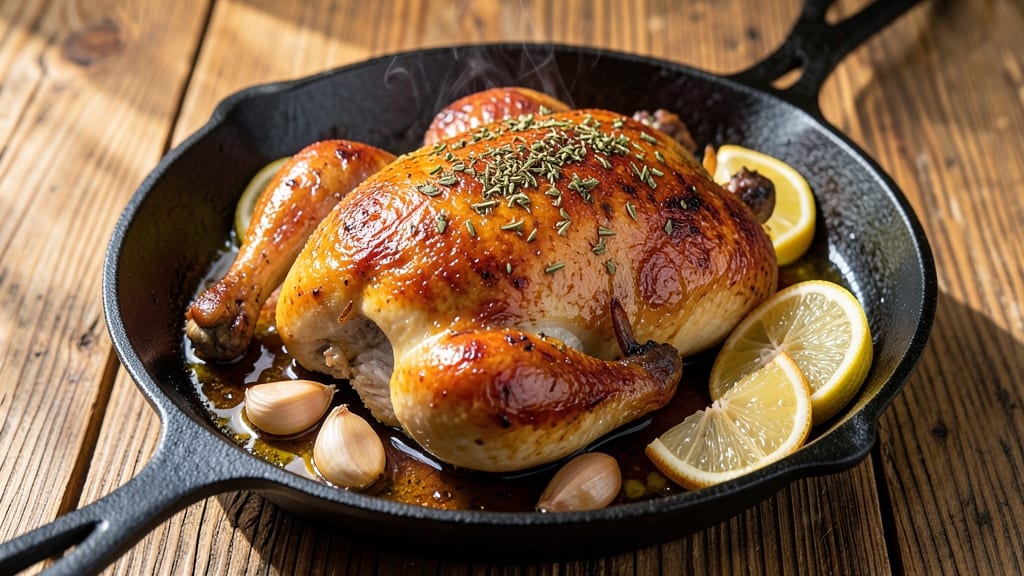
This authentic Greek roasted chicken recipe brings the flavors of a Greek taverna to your dinner table, where crisp golden skin meets impossibly juicy meat. 💛 I've spent years perfecting the technique my grandmother used—marinating overnight in lemon, garlic, and oregano, then roasting until the skin crackles and releases all those aromatic juices.
The secret lies in the slow, even cooking that transforms ordinary chicken into something extraordinary.
The marinade does more than flavor—it tenderizes the meat while infusing it with bright citrus notes and earthy oregano. We'll use a whole chicken for maximum flavor penetration, but the same method works for legs or thighs.
The key is patience: letting the marinade work its magic overnight ensures every bite bursts with authentic Greek taste. This isn't just chicken; it's a celebration of Mediterranean flavors in one perfect package.
What you'll end up with is restaurant-quality roasted chicken that's crisp on the outside, juicy on the inside, and perfumed with lemon and herbs. The skin will be golden and shatteringly crisp, while the meat remains tender enough to pull apart with a fork.
Serve with roasted potatoes and fresh vegetables for a complete Greek feast that tastes like a trip to Santorini.
This recipe serves four generously, making it perfect for family dinners or special occasions. The leftovers reheat beautifully, though I doubt they'll last that long. Here's how to make it—just like my grandmother taught me, with all the love and tradition of a Greek kitchen.
Ingredients for authentic greek roasted chicken
The heart of Greek taverna flavors in your kitchen—just twelve ingredients for restaurant-quality roasted chicken.
| Ingredient | Amount | Notes |
|---|---|---|
| Whole Chicken 🍗 | 4 lb | Medium-sized, about 3.5-4.5 lbs |
| Lemon Juice 🍋 | ½ cup | Freshly squeezed, seeds removed |
| Garlic Cloves 🧄 | 8 cloves | Fresh, peeled and smashed |
| Dried Oregano 🌿 | 2 tbsp | Greek oregano preferred |
| Olive Oil 🫒 | ½ cup | Extra-virgin, fruity variety |
| Salt 🧂 | 2 tbsp | Diamond Crystal kosher salt |
| Black Peppercorns 🌶️ | 1 tbsp | Freshly cracked, not ground |
| Fresh Rosemary 🌿 | ¼ cup | Stems removed, chopped |
| Red Wine Vinegar 🍷 | 2 tbsp | For tangy brightness |
| Honey 🍯 | 2 tbsp | Thin consistency preferred |
| Fresh Thyme Leaves 🌿 | ¼ cup | Stems removed, chopped |
| Red Onion 🧅 | 1 whole | Thinly sliced, for garnish |
The chicken is everything here. Look for a medium-sized whole chicken around 3.5-4.5 lbs—it roasts evenly and serves four generously. I always grab mine from Whole Foods or my local butcher shop because they handle it carefully, keeping the skin intact. That crispy skin is what makes this dish special, so don't skip the patting dry step. If you can't find a whole chicken, 4 bone-in, skin-on thighs work too, but they'll need about 15 minutes less roasting time. The oregano? Greek oregano has a distinct flavor—worth hunting down at Mediterranean markets if you're serious about authenticity.
No fresh rosemary? Dried works at half the amount, but it won't have that same piney aroma. Short on honey? Maple syrup gives a similar sweetness, though it won't caramelize the same way. The red wine vinegar can be swapped for lemon juice if you're out, but it'll be less tangy. For the olive oil, any extra-virgin brand works—just avoid the cheap stuff that tastes like soap. Pro tip: Toast your garlic cloves in the olive oil for 30 seconds before marinating—it adds a nutty depth. And if you're feeling fancy, add a pinch of cinnamon to the marinade for that authentic Greek baklava touch.
Marinate the chicken overnight in the fridge—24 hours max, or the acidity starts breaking down the meat. When roasting, start breast-side up for the first 45 minutes, then flip to finish. The skin should be golden and crisp enough to crackle when you press it. Leftovers? Reheat at 325°F for 20 minutes—they taste even better the next day. Store any extra marinade in a jar in the fridge for up to 3 days—it makes a killer salad dressing. And save those herb stems: freeze them in ice cube trays with olive oil for future soups.
Why You'll Love This Recipe
- I swear by this combo: garlic, lemon, oregano, and olive oil. That’s it. No fancy marinades or secret blends—just the real deal, where every bite tastes like a Greek summer afternoon.
- Fewer Ingredients, More Magic: I swear by this combo: garlic, lemon, oregano, and olive oil. That’s it. No fancy marinades or secret blends—just the real deal, where every bite tastes like a Greek summer afternoon.
- Crispy Without the Hassle: The skin gets golden and shatteringly crispy while the inside stays juicy. Honestly, I’ve tried fancy techniques, but this one-pan method with a simple rub does all the work for me.
- Leftovers That Don’t Suck: This chicken stays moist for days, so I can meal prep it for lunches or toss it into salads. Between us, that’s a lifesaver when I’m too tired to cook after work.
Step-by-step instructions for authentic Greek roasted chicken
This method delivers crispy, golden skin and impossibly juicy meat—just like Greek tavernas serve.
👨🍳 Step 1: Marinate the Chicken for Maximum Flavor
In a large bowl, combine the 0.5 cup lemon juice, 0.5 cup olive oil, 2 tbsp red wine vinegar, 2 tbsp honey, 2 tbsp dried oregano, 0.25 cup chopped fresh rosemary, 0.25 cup chopped fresh thyme leaves, 2 tbsp salt, and 1 tbsp cracked black peppercorns. Whisk until everything is fully incorporated and the mixture looks vibrant.
Place the 4 lb whole chicken in a large zip-top bag and pour the marinade over it. Seal the bag and massage it gently to ensure the chicken is fully coated. Refrigerate for at least 4 hours (overnight is even better). This step is non-negotiable—it infuses the meat with bright, herby flavors and keeps it moist during roasting.
🍳 Step 2: Prep and Truss for Even Cooking
Remove the chicken from the refrigerator 30 minutes before roasting to bring it to room temperature. Pat it dry thoroughly with paper towels—this is critical for crispy skin. I press down firmly on the chicken to remove any excess moisture, especially in the cavity and under the wings.
Preheat your oven to 425°F while you prepare the chicken. Stuff the cavity with 4-5 of the smashed garlic cloves (save the rest for later). Tie the legs together with kitchen twine and tuck the wing tips under the body. This helps the chicken cook more evenly and protects the delicate breast meat. Place the chicken on a rack set inside a rimmed baking sheet.
🔥 Step 3: Roast Until Golden and Juicy
Roast the chicken for 1 hour, then reduce the heat to 375°F. Continue roasting for another 45-60 minutes until the internal temperature reaches 165°F when measured in the thickest part of the thigh. The skin should be deep golden brown and crispy, while the juices should run clear when you pierce the meat.
Here's the trick: I like to baste the chicken every 20 minutes with the pan juices during the first hour. This keeps the skin moist while it's browning and adds extra flavor. If the skin starts to darken too quickly, tent it loosely with foil to prevent over-browning.
🥘 Step 4: Rest and Garnish Like a Pro
Transfer the chicken to a cutting board and tent it loosely with foil. Let it rest for 15-20 minutes before carving—this is where the magic happens. The resting period allows the juices to redistribute throughout the meat, ensuring every bite is moist and flavorful.
While the chicken rests, thinly slice the 1 whole red onion and arrange it on a serving platter. Carve the chicken into serving pieces, discarding the skin if desired (though I love the crispy bits!). Spoon any pan juices over the chicken and garnish with the sliced onions. Serve immediately with crusty bread and a simple Greek salad for the full experience.
Pro Tips For Making Authentic Greek Roasted Chicken
- TRUST THE 425°F START: High heat for the first 20 minutes caramelizes the skin faster than you’d expect—skip the gradual warming, or you’ll end up with soggy crisp. I used to low-and-slow it, but Greek roasted chicken needs that initial blast to seal the juices and build flavor fast.
- STUFF GARLIC INSIDE: Slice the garlic cloves in half lengthwise (don’t crush them) and tuck 3-4 pieces into the cavity with the lemon halves. The heat will render the garlic into the meat instead of burning on the skin, and the lemon stays juicy longer—no more dry, bitter chunks.
- SALT THE CHICKEN 12 HOURS EARLY: Even if you’re not brining, dry the chicken thoroughly and season it inside and out with 1 teaspoon of salt per pound the night before. This isn’t just about flavor—it breaks down the proteins so the skin crisps properly and the meat stays tender. (Yes, even if you’re impatient like me.)
- BASTE WITH LEMON-OREGANO OIL: Every 30 minutes, spoon the pan’s rendered fat over the chicken, then drizzle a mix of 1 tablespoon olive oil, 1 teaspoon dried oregano, and a splash of lemon juice. This keeps the skin moist while building that signature herby crust—don’t just rely on the dry rub.
Common mistakes when making this dish
Skipping the Marinade
I can't stress this enough—never skip marinating your chicken, even if you're short on time. My grandmother always said, "The marinade is the soul of the dish." The acid in lemon juice and red wine vinegar tenderizes the meat while infusing it with bright Mediterranean flavors.
If you're tempted to roast it dry, you'll end up with tough, flavorless chicken. The overnight marinade is worth the wait—it transforms ordinary chicken into something extraordinary. 💛
Not Patting Dry
This is the #1 rookie mistake that ruins crispy skin. After marinating, pat the chicken completely dry with paper towels—especially under the wings and in the cavity. Any moisture left on the skin will steam instead of crisp up.
I've seen home cooks skip this step and wonder why their chicken turns out soggy. Trust me, that 10-minute drying time makes all the difference in achieving that perfect golden crust.
Overcrowding the Pan
Never place your chicken directly on the baking sheet without a rack. The fat will pool underneath and steam the skin, making it greasy instead of crispy. I always use a wire rack on top of a rimmed baking sheet to allow air circulation.
If you're cooking multiple chickens, space them out—at least 1 inch apart—so they cook evenly. Overcrowding leads to uneven cooking and soggy results.
Ignoring the Resting Time
Carving chicken immediately after roasting is a cardinal sin. The juices need 15-20 minutes to redistribute throughout the meat. When you cut into it too soon, all those precious juices will run out, leaving you with dry chicken.
I've made this mistake more times than I'd like to admit—now I always tent the chicken with foil and let it rest while I prep the sides. Patience pays off with juicy, flavorful meat every time. ⏰
Using the Wrong Thermometer
Never guess when checking doneness—always use a meat thermometer. Chicken is safe to eat at 165°F in the thickest part of the thigh, but visual cues can be deceiving. I've seen perfectly browned chickens that were still undercooked inside.
Invest in a good instant-read thermometer—it's the only way to guarantee safe, juicy results. A digital one like the Thermoworks Smoke is my go-to for accuracy.
Skipping the Basting
Basting isn't just for show—it keeps the skin moist while it's browning and adds extra flavor. Every 20 minutes during the first hour of roasting, spoon the pan juices over the chicken. If you're in a hurry, don't skip this step.
The pan juices contain all the accumulated flavors from the marinade and roasting process. I like to baste even when using a rack—just pour the juices directly onto the chicken. It makes a noticeable difference in the final result. 🔥
Nutrition facts
Frequently asked questions
Can I use bone-in, skin-on chicken thighs instead of a whole chicken?
This recipe works beautifully with 4 bone-in, skin-on thighs (about 2 pounds total). Reduce the roasting time by 15-20 minutes and check for doneness at 165°F in the thickest part. The marinade ratio stays the same, but you can halve it if you prefer. Just pat the thighs extra dry for that perfect crispy skin.
How do I know when the chicken is fully cooked?
Use a meat thermometer—it's the only reliable way! Insert the probe into the thickest part of the thigh (avoiding bone) until it reads 165°F. The juices should run clear, and the skin should be deep golden brown. Never rely on color alone, as some ovens cook unevenly. A good instant-read thermometer costs under $20 and saves you from dry chicken.
What if I don't have Greek oregano?
Regular dried oregano works in a pinch, but it lacks that distinct Mediterranean flavor. For authenticity, look for Greek oregano at specialty markets or online. If you can't find it, combine 1 tbsp regular oregano + 1 tsp dried thyme for a similar earthy profile. Fresh oregano (if available) is even better—use 1 tbsp chopped instead of the dried amount.
Can I make this ahead of time?
Yes! Roast the chicken up to 2 days ahead and store it in the fridge. Reheat at 325°F for 20-25 minutes until warmed through. The flavors actually improve overnight as the marinade continues to work its magic. For serving, simply reheat and garnish with fresh herbs and lemon slices. Leftovers make great sandwiches or salads too!
Why is my chicken skin not crispy?
Most likely, you didn't pat it dry enough before roasting. Moisture on the skin steams instead of crisping. Also, check your oven temperature—425°F is crucial for crispiness. If the skin browns too quickly, tent it loosely with foil. For extra crunch, broil for 2-3 minutes at the end (watch closely to avoid burning).