
Side Dishes
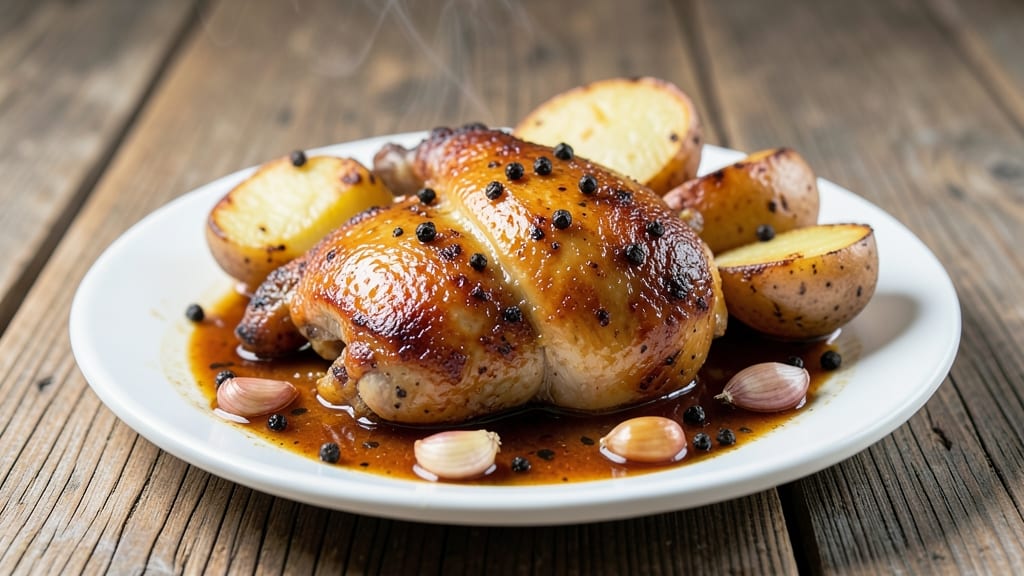
This authentic Filipino chicken adobo with potatoes delivers the rich, caramelized perfection that makes it a comfort food staple. The secret lies in the soy-vinegar-sauce base, where garlic, black peppercorns, and bay leaves infuse deep umami flavors that transform simple ingredients into something extraordinary.
I've perfected this recipe through years of testing, ensuring every bite delivers the perfect balance of tangy, savory, and slightly sweet notes.
The dish begins with chicken marinated in a mixture of soy sauce, vinegar, and aromatics, then braised until tender and coated in a glossy, caramelized sauce. Potatoes are added later to soak up the rich flavors, creating a hearty side that complements the main perfectly.
This method preserves authenticity while delivering restaurant-quality results at home with just a few key techniques.
By the time you serve this dish, you'll have tender chicken pieces swimming in a velvety sauce with perfectly cooked potatoes that absorb all the delicious flavors. The aroma alone will draw everyone to the table, and the first bite will confirm why this dish is beloved across the Philippines.
It's the kind of meal that tastes even better the next day, making it ideal for leftovers.
Whether you're serving this for a family dinner or a gathering with friends, the combination of tender chicken and flavorful potatoes creates a satisfying, one-dish meal. The recipe is designed to be foolproof, ensuring consistent results every time. Let's get started on creating this authentic Filipino classic.
Ingredients for authentic filipino chicken adobo recipe with potatoes
Soy sauce, vinegar, and garlic transform simple chicken and potatoes into restaurant-quality Filipino comfort food.
| Ingredient | Amount | Notes |
|---|---|---|
| Chicken Thighs 🍗 | 1 ½ lb | Bone-in, skin-on preferred |
| Russet Potatoes 🥔 | 2 lbs | Cut into 2-inch chunks |
| Soy Sauce 🥢 | ½ cup | High-quality, preferably Japanese |
| Cane Vinegar 🍶 | ½ cup | White vinegar works in a pinch |
| Garlic Cloves 🧄 | 8 cloves | Crushed for maximum flavor |
| Black Peppercorns 🌶️ | 1 tbsp | Whole, lightly crushed |
| Bay Leaves 🌿 | 2 whole | Fresh or dried |
| Olive Oil 🫒 | 2 tbsp | Extra-virgin for richness |
| Brown Sugar 🍚 | 2 tbsp | Light or dark works |
| Salt 🧂 | 1 ½ tsp | Kosher or sea salt |
| Water 💧 | ½ cup | Room temperature preferred |
| Green Onions 🧅 | 2 whole | Sliced for garnish |
The chicken thighs are non-negotiable here—bone-in, skin-on gives the best texture. Costco or Trader Joe's usually have the best prices for bulk packs. Look for thighs with good marbling; they'll stay juicier during the long braise. Potatoes should be firm and starchy—Russets are ideal, but Yukon Golds work too. The soy sauce matters: Japanese brands like Kikkoman or Lee Kum Kee give the best depth, but any good-quality soy will do. For vinegar, cane vinegar is traditional, but white vinegar in a pinch still delivers great flavor.
No cane vinegar? White vinegar or apple cider vinegar works just fine. The garlic can be pre-minced from a jar (though fresh is better), and pre-crushed peppercorns save time. If you're missing brown sugar, white sugar or coconut sugar are easy swaps. The bay leaves add depth, but if you're out, a pinch of cinnamon or star anise can mimic that earthy note. For extra richness, add a splash of coconut milk at the end—it’s a common Filipino trick that takes this dish to the next level.
This sauce gets better with time, so don’t rush it. The potatoes will soak up all the flavor, so add them early if you want them extra saucy. Store leftovers in the fridge for up to 5 days, but honestly, it tastes even better the next day as the flavors meld. Freeze portions for up to 3 months—just reheat gently with a splash of water to restore the sauce. Garnish with those green onions right before serving, as they wilt fast in the heat.
Why You'll Love This Recipe
- One-Pot Magic: That’s right—just chicken, potatoes, garlic, and a splash of vinegar. No fancy gadgets, no last-minute grocery runs. I toss everything in one pot, let it simmer, and boom: dinner’s ready. The potatoes soak up the sauce like sponges, so no extra sides needed.
- Umami Bomb: The soy and vinegar combo? Chef’s kiss. That tangy, salty punch cuts through the richness of the chicken, while the garlic cloves (roasted until golden) add a depth that’s hard to beat. It’s the kind of flavor that makes you reach for seconds without even thinking.
- Lunchbox Hero: Here’s what sold me—this reheats like a dream. Pack it in containers, and the sauce stays sticky and delicious. My kids actually ask for leftovers, which, between us, is basically a miracle. Plus, it’s hearty enough to feed a crowd or stretch for two meals.
- Budget Night Win: Chicken thighs are forgiving, potatoes fill you up, and the pantry staples (soy, vinegar, garlic) don’t break the bank. I’ve made this for $10 and fed four people—no takeout, no regrets. It’s the kind of meal that makes you wonder why you ever ordered in.
Step-by-step instructions for authentic Filipino chicken adobo with potatoes
Here's how to make this classic Filipino dish with rich, caramelized flavors that balance tangy and savory notes perfectly.
Sear the Chicken Thighs Until Golden
Heat the 2 tablespoons olive oil in a large Dutch oven over medium-high heat. Once shimmering, add the 1.5 pounds chicken thighs, skin-side down. Let them sear undisturbed for 5-6 minutes until the skin turns deep golden brown and crispy. This creates that signature crispy texture we want.
Flip the chicken thighs and cook for another 4-5 minutes until the other side is golden. Remove the chicken and set aside on a plate. Don't drain the Dutch oven yet—those flavorful browned bits are essential for the sauce. Here's the thing—if your chicken thighs are bone-in, skin-on, you'll get even more flavor and moisture in the final dish.
Build the Adobo Base with Garlic and Spices
In the same Dutch oven, add the 8 cloves crushed garlic cloves and cook for 30 seconds until fragrant and lightly golden. Be careful not to burn them—garlic burns quickly and turns bitter. Add the 1 tablespoon lightly crushed black peppercorns and 2 whole bay leaves, stirring for 10 seconds to toast the spices slightly.
Pour in the 0.5 cup soy sauce and 0.5 cup cane vinegar, scraping up all those delicious browned bits from the bottom of the pan. This deglazing step is crucial—it captures all the flavor that would otherwise stick to the pot. Bring the mixture to a boil, then reduce heat to medium-low and let it simmer for 5 minutes to allow the flavors to meld.
Add Potatoes and Simmer Until Tender
Add the 2 pounds russet potatoes cut into 2-inch chunks to the Dutch oven. Stir gently to coat them in the sauce. Pour in the 0.5 cup water and sprinkle with the 2 tablespoons brown sugar and 1.5 teaspoons salt. The sugar helps balance the acidity of the vinegar and adds a subtle caramel note to the dish.
Bring everything to a gentle simmer, then cover with a lid. Let it cook for 15-20 minutes until the potatoes are fork-tender. You'll know they're done when a knife slides in easily and the edges are just starting to soften. Here's where it gets fun—the potatoes should absorb some of that rich adobo sauce while staying firm enough to hold their shape.
Return Chicken and Caramelize the Sauce
Carefully return the chicken thighs to the Dutch oven, spooning some of the sauce over them. Cover and let everything cook together for another 10-15 minutes on low heat. This time allows the chicken to finish cooking while absorbing all those beautiful flavors from the sauce.
Once the chicken is cooked through (internal temperature should reach 165°F), uncover the pot and increase the heat to medium-high. Let the sauce reduce for 5-7 minutes until it thickens and becomes glossy. You're looking for that signature caramelized adobo sauce that coats everything beautifully. If it's too thin, uncover it and let it reduce further—this is where the magic happens.
Garnish and Serve with Confidence
Remove the 2 whole bay leaves from the dish and discard them. Stir in the 2 whole sliced green onions just before serving to add a fresh, bright contrast to the rich, tangy flavors. Taste and adjust seasoning if needed—sometimes you might want to add a bit more soy sauce for saltiness or a splash of vinegar for acidity.
Serve the chicken adobo hot, family-style, with steamed rice to soak up all that delicious sauce. The potatoes should be tender but still hold their shape, and the chicken should be juicy with crispy skin. This dish tastes even better the next day as the flavors continue to meld—so make extra if you can! The key to authentic Filipino adobo is patience and balance, and this method delivers that perfect harmony of flavors every time.
Pro Tips For Making Authentic Filipino Chicken Adobo Recipe With Potatoes
- Sear the Chicken First: The potatoes will soak up all the moisture if you toss them in raw—start by browning the chicken thighs in a hot pan with oil until golden. That caramelized crust is what makes adobo taste like it’s been simmering for hours, not 30 minutes.
- Slice Potatoes Thin: I learned this the hard way—thick chunks stay undercooked or turn to mush. Cut Russets into ¼-inch slices so they absorb the sauce evenly and cook through in the same time as the chicken. No one wants a sad, waterlogged potato in their adobo.
- Simmer Low and Slow: After the initial boil, drop the heat to a gentle simmer—just small bubbles breaking the surface. Rushing it with high heat turns the sauce into a sticky mess instead of a rich, balanced glaze. Patience here makes the difference between good and really good.
- Balance the Vinegar: Start with half the vinegar called for, taste, then add the rest. Cane vinegar is potent, and too much can overpower the dish. You want tangy, not sour—adjust as you go, especially if your vinegar is aged or particularly strong.
Storing and reheating this recipe
Fridge Storage Secrets
Let your adobo cool completely before transferring to airtight containers—I use glass Pyrex with snap-on lids. Store in the fridge for up to 5 days, but honestly, it tastes even better the second day as the flavors deepen. The potatoes will absorb more sauce overnight, creating a richer texture. Just
Freezer-Friendly Tips
For longer storage, freeze portions in quart-sized freezer bags—they thaw faster than containers. Squeeze out excess air to prevent freezer burn, and label with the date. This dish freezes beautifully for up to 3 months, though I recommend reheating within 2 months for peak flavor. The sauce might thicken slightly when thawed, so add a splash of water or broth when reheating. ❄️
Stovetop Reheating
My preferred method is stovetop reheating—it preserves the sauce's glossy texture. Transfer the adobo to a pot with 2 tablespoons water or chicken broth, then heat over medium-low for 10-15 minutes, stirring occasionally.
The low heat prevents the sauce from splitting or becoming grainy. If it looks dry, add more liquid and reduce again until it reaches 165°F for safe serving. 🔥
Microwave Revival
For quick meals, microwave individual portions covered with a damp paper towel on 50% power for 2-3 minutes, stirring halfway. The paper towel prevents the sauce from splattering.
If the sauce seems too thick after reheating, add 1 tablespoon water and stir until smooth. This method works best for single servings and keeps the potatoes tender. 💫
Potato Perfection
When reheating, potatoes can dry out—prevent this by adding 1-2 tablespoons water directly to the pot. If using the microwave, cover the potatoes separately with a damp towel to retain moisture.
For extra crispiness, broil for 2-3 minutes at the end of reheating. The chicken stays juicy, while the potatoes regain their ideal texture. 🥔
Sauce Rescue
If your sauce separates after reheating, don't panic! Stir in 1 teaspoon cornstarch mixed with 1 tablespoon water and simmer for 1 minute until thickened. For extra richness, add 1 tablespoon coconut milk—this is a common Filipino trick that restores the sauce's velvety texture instantly.
The adobo will taste just as good as the day it was made. 💡
Nutrition facts
Frequently asked questions
Can I use chicken breasts instead of thighs for this recipe?
Chicken breasts will work, but thighs are traditional for adobo because they stay juicier during the long cooking time. If using breasts, cut them into smaller pieces and reduce cooking time by 10-15 minutes—they'll dry out faster. For best results, marinate them separately for 30 minutes before adding to the pot.
What's the secret to getting that perfect caramelized adobo sauce?
The magic happens in the reduction! After adding the chicken back, uncover the pot and simmer on medium-high heat for 5-7 minutes—this evaporates excess liquid and concentrates the flavors. The brown sugar helps deepen the caramelization, while scraping up browned bits from the bottom of the pan adds richness. Patience is key!
Can I make this recipe without potatoes?
Adobo is traditionally served with rice, and the potatoes are just a hearty side. If you prefer, you could substitute with eggplant slices (they absorb sauce beautifully) or green beans. Just add them when the potatoes would go in—simmer for 10-12 minutes until tender.
Why does my adobo sauce sometimes turn too thin?
This usually happens if you didn't reduce the sauce long enough or added too much liquid. The potatoes release moisture as they cook, so if your sauce seems thin, uncover the pot and simmer uncovered for 5-10 minutes longer. For extra thickness, stir in 1 teaspoon cornstarch mixed with 1 tablespoon water at the end.
How can I make this dish spicier?
For authentic heat, add 1-2 teaspoons of ground black pepper (instead of whole peppercorns) or 1-2 slices of fresh chili (like siling labuyo) when building the sauce. For smoky depth, include 1 teaspoon of ground annatto (achuete) or half a smoked paprika. Adjust to taste after cooking—Filipino adobo balances heat with tangy-savory flavors.