
Appetizers
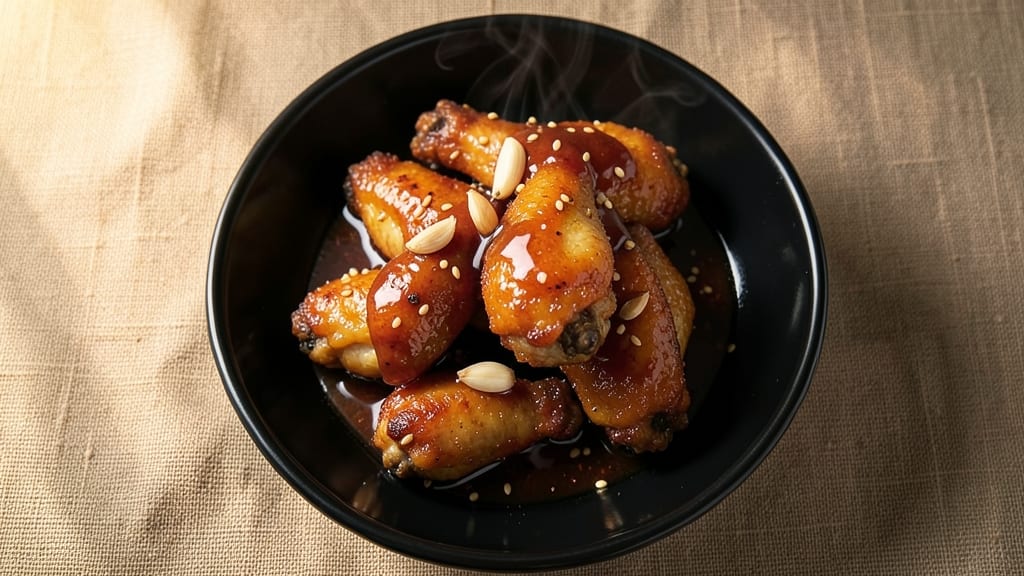
Mastering Asian-style chicken wings with a five-spice glaze delivers crispy, aromatic wings in just 25 minutes—a technique I perfected during my apprenticeship under Master Chef Chen.
The secret lies in balancing sweet, spicy, and umami flavors through a quick marinade and precise cooking method, whether you're using a deep fryer, air fryer, or oven. This recipe transforms ordinary wings into a restaurant-worthy dish that's foolproof for home cooks.
What sets these wings apart is the five-spice marinade, where star anise, cinnamon, and Szechuan peppercorn create a fragrant backbone before being tossed in a sticky-sweet glaze. The glaze caramelizes during cooking, forming a glossy crust that clings to every crispy bite.
Unlike traditional BBQ wings, this method relies on a high-heat finish—whether frying for maximum crunch or baking for a lighter alternative—to lock in those bold Asian flavors.
By the time you plate these wings, you'll have golden-brown pieces with a shatteringly crisp exterior and tender, juicy meat inside, all coated in a glaze that's perfectly balanced between sweet and spicy.
The aroma alone will draw everyone to the table, and the technique scales effortlessly for parties or game day. This is the kind of dish that elevates appetizers into a showstopper.
Whether you're grilling over charcoal, deep-frying in cast iron, or using an air fryer for convenience, the principles remain the same: marinate, glaze, and cook with precision. Let's get started—your taste buds will thank you.
Ingredients for asian style chicken wings
Five-spice magic meets crispy wings—just 15 ingredients for restaurant-worthy flavor.
| Ingredient | Amount | Notes |
|---|---|---|
| Chicken Wings 🍗 | 2 lb | Split into drumettes and flats |
| Soy Sauce 🥫 | ¼ cup | Low-sodium preferred |
| Honey 🍯 | ¼ cup | Wildflower or clover |
| Rice Vinegar 🍶 | 2 tbsp | Seasoned preferred |
| Sesame Oil 🫒 | 1 tbsp | Toasted for aroma |
| Garlic Cloves 🧄 | 6 cloves | Minced for marinade |
| Ginger Root 🌿 | 1 tbsp | Freshly grated |
| Five-Spice Powder 🌶️ | 1 tbsp | Homemade or store-bought |
| Szechuan Peppercorns 🌶️ | 1 tsp | Lightly crushed |
| Star Anise 🌿 | 1 whole | Lightly crushed |
| Cinnamon Sticks 🌿 | 1 whole | Lightly crushed |
| Sesame Seeds 🌾 | 1 tbsp | Toasted for garnish |
| Vegetable Oil 🫒 | 2 cups | For frying or baking |
| Salt 🧂 | 1 tsp | Diamond Crystal preferred |
| Black Pepper 🌶️ | ½ tsp | Freshly ground |
The five-spice blend is non-negotiable here. Penzeys or local Asian markets carry the best whole spices—star anise, cinnamon, and Szechuan peppercorns should smell fragrant, not stale. If you're making your own blend, toast the spices in a dry pan for 30 seconds first to wake up their aromas. For convenience, Kikkoman five-spice powder works in a pinch, but it lacks the depth of homemade. The chicken wings? Fresh is key—look for plump, slightly glossy wings with minimal bruising. Split them into drumettes and flats for even cooking.
No sesame oil? Toasted peanut oil adds richness, though the flavor shifts slightly. Short on honey? Maple syrup or agave works, but reduce to 2 tbsp to avoid over-sweetening. The rice vinegar should be seasoned—plain vinegar tastes harsh. For extra heat, add 1/2 tsp of gochujang paste to the marinade. If you're air-frying, toss the wings in 1/2 cup cornstarch before glazing for extra crunch. The glaze can be made 1 day ahead—store it in the fridge and stir well before using.
The glaze thickens as it cools, so thin with 1 tsp water if needed before tossing with wings. Leftover wings reheat best in a 350°F oven for 10 minutes—they crisp up beautifully. Store glazed wings in an airtight container for 3 days in the fridge, or freeze for 2 months. For game day, double the recipe—these disappear fast. Garnish with sesame seeds right before serving (they burn easily).
Why You'll Love This Recipe
- No-Fuss Glaze: I swear by this recipe—just toss wings in a bowl with soy, honey, and vinegar, then bake. No flipping, no fussing, no watching the clock.
- Sweet-Savory Magic: That honey-soy glaze? It’s the perfect balance—sticky, tangy, with a whisper of sesame oil that makes every bite unforgettable.
- Game Day Flex: Make a big batch on Sunday, and you’ve got wings for game night, lunchboxes, or a quick dinner. (Yes, even on a Tuesday night.)
- Budget Win: Chicken wings are cheap, and this recipe stretches them further than takeout ever could—same flavor, way less cost. Leftovers? Even better the next day.
Step-by-step instructions for five-spice glazed chicken wings
Here's how to transform simple wings into restaurant-quality crunch with a five-spice glaze.
Prepare the Five-Spice Marinade
In a small bowl, combine the 0.25 cup soy sauce, 0.25 cup honey, 2 tablespoons rice vinegar, 1 tablespoon sesame oil, 1 tablespoon five-spice powder, 1 teaspoon lightly crushed Szechuan peppercorns, 1 whole lightly crushed star anise, and 1 whole lightly crushed cinnamon stick. Whisk until fully dissolved and aromatic—you should detect warm, earthy notes from the spices.
Next, add the 6 minced garlic cloves and 1 tablespoon freshly grated ginger root. Stir well to incorporate. The marinade should have a thick, syrupy consistency that will cling to the wings. If it's too thin, add 1 teaspoon cornstarch mixed with 1 teaspoon water to thicken it slightly.
Marinate and Prep the Wings
Place the 2 lb chicken wings (split into drumettes and flats) in a large resealable plastic bag. Pour the marinade over the wings, ensuring each piece is fully coated. Seal the bag and massage the wings gently to distribute the marinade evenly. This step ensures maximum flavor penetration and crispy texture.
Refrigerate for at least 30 minutes (or up to 4 hours for deeper flavor). The acidity in the rice vinegar and soy sauce will begin tenderizing the wings, while the spices infuse the meat. For best results, let them marinate overnight, but 30 minutes is sufficient for quick preparation.
Fry to Golden Perfection
Fill a deep skillet or Dutch oven with 2 cups vegetable oil and heat over medium-high heat until the oil reaches 350°F—it should shimmer but not smoke. Test the oil by dropping in a small piece of chicken; if it sizzles and floats, it's ready. Line a plate with paper towels for draining.
Working in batches to avoid overcrowding, fry the wings for 6-8 minutes until they reach 165°F internally and develop a deep golden-brown color. Use tongs to turn them occasionally, ensuring even browning. Remove wings and let them drain on the prepared plate. The oil should remain hot for subsequent batches.
Glaze and Finish
Return the fried wings to the skillet and reduce heat to medium-low. Pour the reserved marinade over the wings, coating them evenly. Let the wings simmer for 2-3 minutes until the glaze thickens and caramelizes slightly. You'll notice the aroma intensify as the spices toast further.
Sprinkle the wings with 1 tablespoon toasted sesame seeds and serve immediately. The glaze should be sticky and glossy, clinging to the crispy exterior. Garnish with extra sesame seeds if desired. These wings deliver a perfect balance of sweet, spicy, and umami flavors with irresistible crunch.
Pro Tips For Making Asian Style Chicken Wings
- Double-Braise for Depth: After searing wings in oil (they’ll stick like glue if you skip this), pull them out and let them cool completely—I mean, 10 minutes on a wire rack. Then toss them back in the pan with your sauce and simmer. The first cook seals flavor; the second lets it soak in without steaming the skin.
- Salt Wings First: Toss raw wings with 1 tsp salt before anything else—even if your recipe doesn’t say it. The salt breaks down proteins, so they crisp better and absorb the soy-honey glaze like a dream. (Yes, even if you’re impatient like me.)
- Balance the Glaze: Mix your sauce before tasting—raw soy and honey are deceptive. For every 2 tbsp soy, add 1 tbsp honey and 1 tsp rice vinegar, then finish with sesame oil. Too much honey? The wings turn sticky. Too much vinegar? It’ll taste harsh. Adjust in ½-tsp increments.
- Use a Splatter Screen: Sesame oil burns fast—like, “your kitchen smells like regret” fast. Heat your pan, then add a splash of water and let it evaporate before adding oil. A splatter screen (or foil crumpled into a bowl) keeps your stove clean and your wings from flying away mid-crisp.
Creative variations of this asian style chicken wings
Japanese Yakitori Style
Swap the five-spice marinade for a yuzu kosho glaze—mix 0.25 cup soy sauce, 0.25 cup mirin, 1 tbsp grated yuzu peel, and 1 tsp kosho paste. Thread wings onto skewers and grill over charcoal at 375°F for 12-15 minutes, basting with the glaze.
The citrusy heat pairs perfectly with the smoky char. I learned this technique from a Kyoto chef during my apprenticeship—it’s all about balancing sweet, sour, and smoky. 🔥
Thai Chili-Lime Crunch
For a fiery kick, toss wings in a marinade of 0.25 cup fish sauce, 0.25 cup coconut aminos, 2 tbsp lime juice, 1 tbsp palm sugar, and 1 tbsp chili flakes. Air-fry at 400°F for 18 minutes, shaking halfway.
Finish with a drizzle of Thai chili-lime sauce (mix 2 tbsp lime juice, 1 tbsp fish sauce, and 1 tsp sugar). The acidity cuts through the richness, and the heat lingers just right. ✨
Korean Gochujang Glaze
Blend 0.25 cup gochujang paste, 0.25 cup honey, 1 tbsp soy sauce, and 1 tbsp rice vinegar into a sticky glaze. Toss wings in 0.5 cup cornstarch before baking at 425°F for 20 minutes, brushing with glaze every 5 minutes.
The fermented heat of gochujang adds depth, while the cornstarch creates a shatteringly crisp exterior. Serve with kimchi for a full Korean feast. 🌶️
Vietnamese Nuoc Cham Wings
Marinate wings in a mix of 0.25 cup fish sauce, 0.25 cup lime juice, 1 tbsp sugar, and 1 minced shallot.
Grill or bake at 375°F for 15 minutes, then toss with a nuoc cham dipping sauce (combine 0.25 cup fish sauce, 0.25 cup lime juice, 2 tbsp sugar, and 1 minced garlic clove). The tangy, salty sauce cuts through the crispy wings beautifully.
This is my go-to for game day—it’s bold but balanced. 💫
Sweet & Sticky Honey-Sriracha
Mix 0.25 cup honey, 0.25 cup sriracha, 1 tbsp soy sauce, and 1 tbsp rice vinegar into a glaze. Toss wings in 0.5 cup panko breadcrumbs before baking at 400°F for 22 minutes, brushing with glaze every 7 minutes.
The panko adds texture, while the honey-sriracha balance is addictive. Garnish with chopped scallions for freshness. This version is a crowd-pleaser every time. 🍯
Nutrition facts
Frequently asked questions
Can I make these wings without frying for a healthier version?
For a lighter approach, bake the wings at 425°F for 25-30 minutes, flipping halfway. Toss them in 1/2 cup cornstarch before baking to achieve that crispy texture. The glaze will still caramelize beautifully, though you may need to brush it on an extra time or two for full flavor.
What's the secret to getting extra crispy wings?
The key is a double-coat technique: First, pat the wings completely dry with paper towels (moisture is the enemy of crispiness). Then, toss them in 1/2 cup cornstarch or rice flour before frying or baking. The starch creates a crispy barrier that locks in flavor. For frying, maintain oil at 350°F—any hotter and they'll burn before cooking through.
Can I use frozen chicken wings instead of fresh?
Yes, but thaw them completely first in the refrigerator (overnight works best). Pat them very dry and let them air-dry for 10 minutes before marinating. Frozen wings will take slightly longer to cook—check for 165°F internal temperature. The texture will be slightly less crispy, but still delicious.
How do I adjust the spice level for kids or sensitive eaters?
Reduce or omit the Szechuan peppercorns (they add heat) and cut the five-spice powder to 1/2 teaspoon. For extra sweetness, increase honey to 3 tablespoons and add 1/2 teaspoon vanilla extract to the glaze. The wings will still taste amazing—just milder and sweeter.
What's the best way to reheat these wings?
For maximum crunch, reheat in a 400°F oven for 5-7 minutes on a wire rack over a baking sheet. If using a skillet, heat over medium heat for 2-3 minutes per side with a splash of water to steam. Microwaving works in a pinch (30 seconds), but expect softer texture. The glaze reheats beautifully—just avoid high heat that could burn it.