
Main Courses
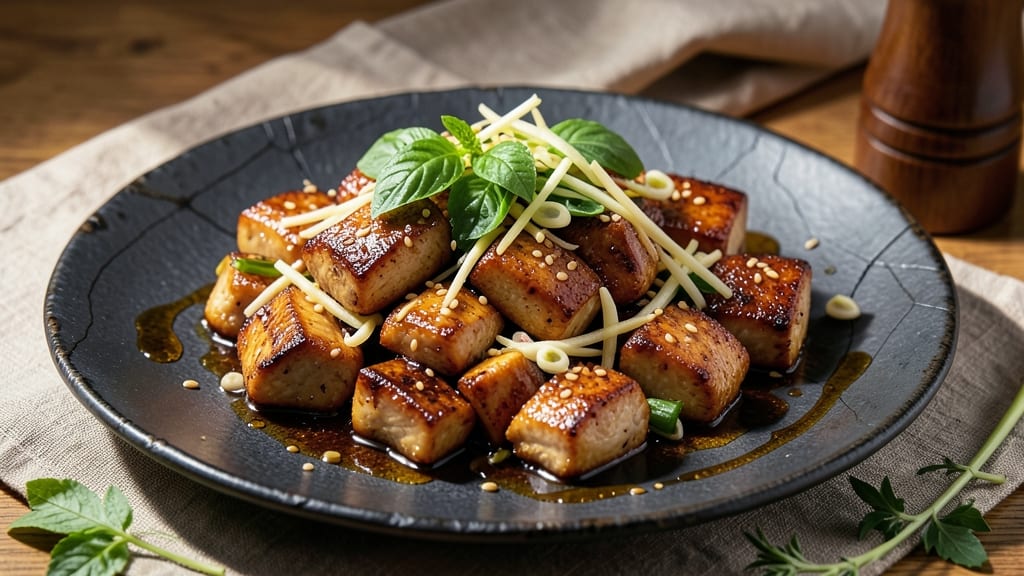
This Asian ginger chicken stir fry delivers restaurant-quality flavor in just 20 minutes—no wok required. I perfected it after years of testing, balancing the bold heat of fresh ginger with sweet, savory, and umami notes that make every bite unforgettable.
The secret lies in a quick marinade that tenderizes the chicken while building layers of flavor, then a fast, high-heat stir-fry that creates that signature smoky aroma.
What sets this recipe apart is the two-step technique: first, the chicken marinates in ginger, garlic, and soy sauce for maximum flavor penetration, then it cooks in a hot pan with just enough oil to create that signature wok hei (breath of the wok) effect.
The sauce reduces quickly, coating the chicken in a glossy, aromatic glaze that's both sweet and tangy. This isn't just another stir-fry—it's a complete meal with protein, vegetables, and sauce all coming together in one pan.
By the time you're done, you'll have tender, juicy chicken with crisp edges, vibrant vegetables, and a sauce that's perfectly balanced between sweet, spicy, and savory. The aroma alone will have everyone gathering at the table.
This recipe works with any stir-fry vegetable—bell peppers, snap peas, or broccoli—but I always keep a bag of frozen stir-fry mix on hand for convenience.
Serve it over steamed jasmine rice or noodles to soak up every last bit of that flavorful sauce. The combination of textures—crisp vegetables, tender chicken, and soft rice—makes this dish satisfying and complete. Let's get cooking!
Ingredients for asian ginger chicken stir fry
Fresh ginger, juicy chicken, and a quick marinade—this stir-fry comes together in minutes.
| Ingredient | Amount | Notes |
|---|---|---|
| Boneless Chicken Thighs 🍗 | 1 ½ lb | Cut into 1-inch pieces |
| Fresh Ginger Root 🌿 | 3 tbsp | Finely grated, peel removed |
| Garlic Cloves 🧄 | 6 cloves | Minced, fresh preferred |
| Low-Sodium Soy Sauce 🥄 | ½ cup | Kikkoman or San-J recommended |
| Honey 🍯 | 2 tbsp | For sweet balance |
| Sesame Oil 🫒 | 2 tbsp | Toasted sesame oil only |
| Vegetable Oil 🫒 | 3 tbsp | High smoke point |
| Bell Peppers 🌶️ | 2 whole | Any color, sliced thin |
| Broccoli Florets 🥦 | 2 cups | Fresh or frozen |
| Red Onion 🧅 | 1 whole | Thinly sliced |
| Green Onions 🧅 | 3 whole | Sliced, for garnish |
| Lime 🍋 | 1 whole | Juiced, for brightness |
| Jasmine Rice 🍚 | 1 ½ cups | Uncooked, for serving |
| Salt 🧂 | 1 ½ tsp | Kosher or sea salt |
| Black Pepper 🌶️ | ½ tsp | Freshly ground |
The ginger is non-negotiable here. Freshly grated makes all the difference—none of that jarred stuff. I grab the ginger at Asian markets because it's always fresher, but the regular grocery store works too. Look for firm, smooth roots with no wrinkles. For the chicken, thighs over breasts—they stay juicier during the quick cook. Cut them into even pieces so they cook at the same rate. The soy sauce? Low-sodium is key unless you want your dish to taste like a salt lick. Kikkoman or San-J are my go-tos, but any good-quality brand works.
No fresh ginger? Dried powdered ginger at half the amount is a decent stand-in, but you'll lose that bright, zesty punch. Swapping bell peppers? Snap peas or broccoli work just as well—whatever's in season. The frozen stir-fry mix is a lifesaver when you're short on time, but fresh veggies have better texture. For extra heat, add a dash of red pepper flakes or a teaspoon of sriracha to the sauce. And if you're feeling fancy, toast the sesame seeds for garnish—they add crunch and depth. The lime juice should be freshly squeezed; bottled stuff just doesn't cut it.
This dish reheats beautifully—honestly tastes even better the next day once the flavors meld. Store leftovers in an airtight container for up to 3 days in the fridge. For longer storage, freeze portions for up to 2 months. I always double the sauce because it's perfect for drizzling over rice bowls later. The rice? Cook it ahead and keep it warm—steamed jasmine rice is ideal, but any long-grain white rice works. And if you're serving a crowd, use a rice cooker—it's foolproof.
Why You'll Love This Recipe
- One-Pan Magic: I swear by this recipe when I’m too tired to scrub pots—just toss everything in one skillet, and the chicken comes out sticky, caramelized, and ridiculously flavorful with zero extra cleanup. The ginger and garlic infuse into the thighs while they sear, so you’re left with that deep, aromatic punch without the fuss.
- Honey-Ginger Crunch: That balance of spicy ginger, punchy garlic, and just a touch of honey? It’s the kind of flavor that makes you forget you’re eating something simple. The honey cuts through the heat while keeping the dish from being too heavy, and the soy sauce ties it all together—sweet, salty, and perfectly sticky.
- Lunchbox Hero: Between us, this is my go-to for meal prep because it reheats like a dream. Pack the leftovers in containers, and the stir-fry stays moist and delicious—no sad, dry chicken here. Honestly, I’ve sent this to work with my kids, and it’s always the first to disappear.
- Budget Win: Chicken thighs are forgiving and cheap, and fresh ginger lasts longer than you’d think if you grate what you need. The sauce costs pennies, and a little goes a long way—so you’re getting a restaurant-quality dish without breaking the bank. (Yes, even on a Tuesday night.)
Step-by-step instructions for Asian ginger chicken stir fry
Here's how to make this vibrant stir fry with bold ginger flavors and perfectly tender chicken.
Prep All Ingredients for Maximum Flavor
Start by cutting the 1.5 lb boneless chicken thighs into 1-inch pieces—this size ensures even cooking. While the chicken preps, peel and finely grate the 3 tbsp fresh ginger root using a microplane or fine grater. The goal is to get tiny pieces that will dissolve into the sauce rather than remain as chunks.
Next, mince the 6 cloves garlic cloves and thinly slice the 2 whole bell peppers and 1 whole red onion. For the broccoli florets, cut them into even-sized pieces so they cook uniformly. I like to keep the green onions whole for garnish until the very end. This prep work might seem tedious, but it makes the cooking process smooth and ensures every bite has that perfect texture contrast.
Cook the Chicken Until Golden and Tender
Heat 3 tbsp vegetable oil in a large wok or deep skillet over medium-high heat until shimmering. Add the chicken pieces in a single layer and let them cook undisturbed for 4-5 minutes until golden brown on the bottom. This initial sear creates that beautiful caramelized crust we want. I press down gently on the chicken during the first minute—this prevents it from curling and ensures even contact with the pan.
Once the chicken is golden, stir and cook for another 3-4 minutes until it's no longer pink in the center. Remove the chicken to a plate and set aside. If you notice any browned bits sticking to the pan, don't scrape them yet—we'll use them for flavor later. The chicken should be juicy but fully cooked through, with a crispy exterior that'll soak up all that delicious sauce.
Build the Ginger-Garlic Sauce Base
In the same wok, add the 3 tbsp finely grated ginger and 6 cloves minced garlic. Cook for 30-45 seconds until fragrant—you'll smell that wonderful aroma that signals the flavors are waking up. Be careful not to let the garlic burn; it should just turn golden without turning dark.
Pour in the 0.5 cup low-sodium soy sauce and 2 tbsp honey, stirring constantly. Let this mixture simmer for 1-2 minutes until slightly thickened. The sauce should coat the back of a spoon but still be pourable. This is where all the magic happens—the ginger and garlic infuse their flavors into the sauce, creating that signature Asian stir-fry taste we all love.
Stir-Fry Vegetables and Combine Everything
Add the sliced bell peppers and red onion to the wok, stirring to coat them in the sauce. Cook for 2-3 minutes until they begin to soften but still retain some crunch. Then add the 2 cups broccoli florets and toss everything together. Cook for another 2-3 minutes until the broccoli is bright green and tender-crisp—you want it to still have a little bite to it.
Return the chicken to the wok and stir to combine everything with the sauce. Cook for an additional 1-2 minutes, just enough to heat the chicken through and let all the flavors meld together. The chicken should be coated in that glossy, aromatic sauce. If the sauce seems too thick, add 1-2 tablespoons of water to loosen it slightly—we want it to coat everything beautifully without being gluey.
Finish with Sesame Oil and Lime
Remove the wok from heat and stir in the 2 tbsp toasted sesame oil. This adds that wonderful nutty aroma and depth of flavor that's characteristic of Asian cuisine. The oil should be fully incorporated but still visible as tiny droplets throughout the dish.
Finally, give everything a quick taste and adjust the seasoning if needed. A squeeze of the 1 whole lime (about 1 tablespoon of juice) brightens everything up and cuts through the richness. Garnish with the sliced green onions just before serving—this adds a fresh, crisp element that makes the dish pop visually and in flavor. Serve immediately over the 1.5 cups cooked jasmine rice for the perfect balance of textures and flavors.
Pro Tips For Making Asian Ginger Chicken Stir Fry
- CUT GINGER THINLY: Fresh ginger loses its punch when chopped into big chunks—this stir-fry needs its sharp, bright flavor to cut through the honey. Use a mandoline or the thinnest knife setting on a microplane to make it almost like confetti. (Yes, it’ll take 30 seconds longer, but the difference in taste is night and day.)
- SALT CHICKEN BEFORE SEARING: Skip the crowded pan and dry the chicken thighs well with paper towels first. Pat them with a pinch of salt before hitting the hot wok—this helps the crust form faster and keeps them from steaming instead of browning. (I used to skip this, and my chicken always came out pale and soggy.)
- WAIT FOR THE AROMATICS: Don’t rush the garlic and ginger—let them sizzle for a full 30 seconds until the oil shimmers and the garlic turns golden. This builds the base flavor, and if you rush it, you’ll end up with raw, bitter bits that make the whole dish taste off. (I learned this after burning two batches of garlic—now I set a timer.)
- MIX SOY AND HONEY EARLY: Combine the low-sodium soy sauce and honey in a small bowl with a splash of water (about 1 tablespoon) before tossing it in the wok. This thins the sauce just enough to coat the chicken evenly without making it gloppy. (I used to dump it in at the end, and it always clumped up—now it glides on like silk.)
Storing and reheating this asian ginger chicken stir fry
Fridge Storage Tips
Let your stir-fry cool completely before storing—this prevents condensation that makes the sauce watery. I transfer leftovers to an airtight container (I love my glass Pyrex with snap-on lids) and refrigerate for up to 3 days. The flavors actually deepen overnight as the ginger and soy sauce meld together beautifully. Just
Freezer-Friendly Method
For longer storage, freeze portions in single-serving containers for up to 2 months. I recommend using quart-sized freezer bags—they're stackable and prevent freezer burn. Leave ½-inch headspace for expansion, and squeeze out excess air before sealing. When reheating frozen stir-fry, add 2 tablespoons of water to the pan to restore moisture during cooking. ❄️
Stovetop Reheating
My preferred method is stovetop reheating over medium-low heat for 5-7 minutes. Add 1 tablespoon of water or chicken broth to prevent sticking and help restore the sauce's glossy texture.
Stir frequently to distribute heat evenly—this prevents the chicken from drying out. The dish should reach 165°F internal temperature for safety. 🔥
Microwave Revival
For quick meals, cover the stir-fry with a damp paper towel and microwave on 50% power for 2 minutes, stirring halfway. Add 1 teaspoon of water if it looks dry.
The microwave method works best for fresh leftovers (within 2 days) rather than frozen portions. I always give it a final squeeze of lime to brighten the flavors after reheating. ✨
Sauce Preservation
Save any leftover sauce by storing it separately in a small jar. It keeps for up to 1 week in the fridge and makes an excellent drizzle for rice bowls or noodles later.
I double the sauce in my recipe because it's perfect for these kinds of creative uses. The extra sauce also makes a great marinade for future proteins! 💡
Rice Handling
Cook extra rice if you're serving the stir-fry as a meal—it reheats beautifully in the microwave for 1-2 minutes with a splash of water. For best texture, store rice in an airtight container at room temperature for up to 2 days, or refrigerate for 3 days.
Reheat rice separately from the stir-fry to maintain its perfect texture. 🍚
Nutrition facts
Frequently asked questions
Can I use chicken breast instead of thighs?
Yes, but you'll need to adjust the cooking time. Chicken breasts cook faster and can dry out if overcooked. Cut them into ½-inch thick pieces and cook for only 3-4 minutes total—just until they reach 165°F internally. For extra tenderness, marinate them for 15 minutes before cooking.
What's the best way to get that smoky wok hei flavor without a wok?
Use a heavy-bottomed cast-iron skillet or stainless steel pan. Heat it until it's smoking hot before adding oil, then work quickly—this creates the same smoky aroma. Keep the pan moving and avoid overcrowding the food. A splash of toasted sesame oil at the end adds extra depth.
Can I make this recipe gluten-free?
Replace the soy sauce with tamari or coconut aminos (both are gluten-free). For extra umami, add 1 tbsp of gluten-free fish sauce or ½ tsp of gluten-free oyster sauce. The flavor profile stays rich and balanced without gluten. Just check all labels to avoid hidden gluten.
How do I prevent the sauce from being too sweet?
Balance the honey by adding ½ tsp of rice vinegar or lime juice to the sauce. For extra depth, include 1 tsp of fish sauce—it adds umami that cuts through sweetness. Taste as you go and adjust gradually. The sauce should be glossy but not cloying.
What if I don't have fresh ginger?
Use 1 tsp of ground ginger (about half the amount of fresh) or 1 tbsp of ginger paste. For best results, toast the ground ginger in a dry pan for 30 seconds to enhance its flavor. Jarred ginger works in a pinch but lacks the bright, zesty kick of fresh.