
Sauces & Condiments
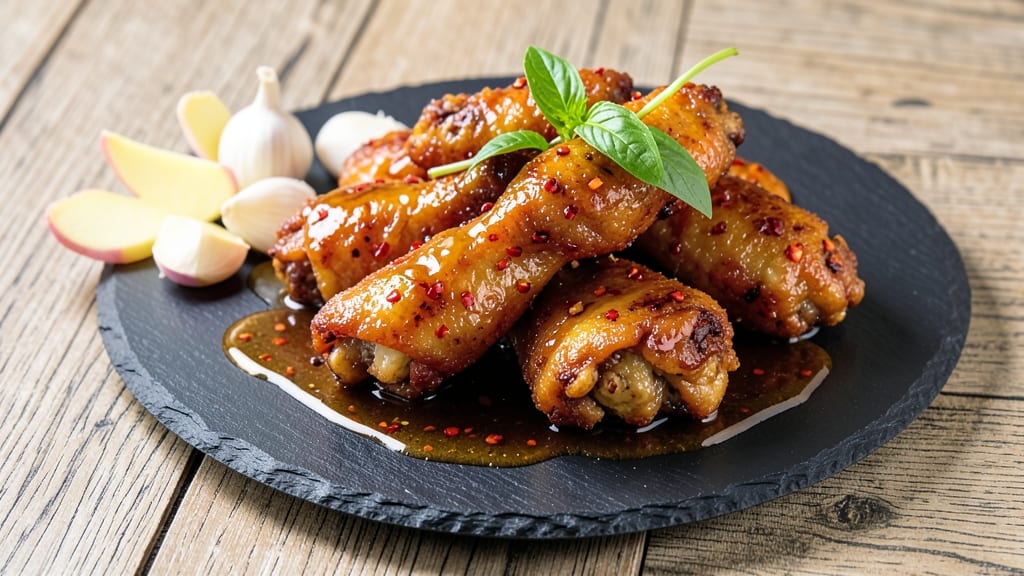
This Asian chicken wing sauce recipe delivers a bold umami-packed glaze with perfect balance of ginger heat and sweet-spicy depth—ideal for dipping or glazing wings.
The secret lies in caramelizing garlic and ginger until fragrant, then blending with soy, honey, and a touch of chili for that signature Asian restaurant kick.
I developed this after years of testing sauces that either fell flat or overwhelmed the dish, and this version consistently delivers restaurant-quality flavor at home.
The sauce comes together in 15 minutes with just 7 simple ingredients, yet the flavor develops even more when allowed to sit for 30 minutes before using.
The combination of soy sauce and honey creates that signature sticky-sweet profile, while fresh ginger and chili add layers of warmth that linger on your palate. What makes this sauce truly special is how it transforms ordinary wings into something extraordinary—crispy edges become irresistibly sticky with each bite.
What you'll end up with is a versatile sauce that works as both a dipping sauce and a glaze, with a perfect balance of sweet, savory, and spicy notes.
The aroma alone will have everyone asking what you're serving, and the flavor profile is complex enough to stand up to any protein. This is the kind of sauce that elevates simple weeknight meals into something memorable, without requiring any advanced techniques.
Store leftovers in the refrigerator for up to 2 weeks, or freeze for 3 months—it actually tastes better as the flavors meld over time. Pair with baked, fried, or grilled wings, or use as a marinade for chicken skewers. Here's how to make it perfectly every time.
Ingredients for asian chicken wing sauce
Seven ingredients for a sauce that transforms wings into restaurant-quality bites.
| Ingredient | Amount | Notes |
|---|---|---|
| Fresh Ginger 🧄 | ½ cup | Finely grated, aromatic |
| Garlic Cloves 🧄 | 6 cloves | Minced, caramelized until fragrant |
| Soy Sauce 🥢 | ½ cup | High-quality, preferably Japanese |
| Honey 🍯 | ¼ cup | Raw or mild clover variety |
| Rice Vinegar 🍶 | 2 tbsp | White or seasoned, adds tang |
| Red Chili Flakes 🌶️ | 1 tbsp | Adjust for heat preference |
| Sesame Oil 🫒 | 1 tbsp | Toasted, for nutty aroma |
The ginger and garlic are non-negotiable here. Fresh ginger is a must—it adds that signature zing that dried can't match. Look for firm, bumpy roots at Asian markets or the produce section of Whole Foods. The garlic should be plump and firm, not sprouting. Caramelizing them until fragrant (about 5 minutes in oil) builds layers of flavor that raw garlic can't. I usually grab a whole head of ginger and freeze half—I use it in smoothies when the root gets too fibrous.
No soy sauce? Coconut aminos works in a pinch, though the flavor will be subtly different. Skip the honey? Maple syrup or agave keeps it vegan, but honey adds that caramel depth. Chili flakes too spicy? Swap for 1 tsp chili paste or reduce to 1/2 tbsp. Sesame oil is the secret weapon—it adds that nutty aroma that makes this sauce taste authentic. If you don't have toasted sesame oil, regular sesame oil at half the amount works, but the flavor will be milder. The rice vinegar can be subbed with apple cider vinegar, though it'll be slightly less delicate.
This sauce keeps beautifully—2 weeks in the fridge and 3 months frozen. The flavors actually deepen over time, so make extra. Store in a glass jar with a tight lid, and the ginger will keep fresh for days. I like to portion it into small containers for easy dipping or glazing. If you're freezing, leave room at the top since it expands slightly. Thaw overnight in the fridge before using—no need to defrost quickly.
Why You'll Love This Recipe
- Pantry Magic: I swear by this sauce—no fancy shopping required. You’re probably already staring at soy sauce and honey in your cupboard right now. That zingy rice vinegar twist? It’s the secret that turns a basic pantry staple into something special without extra trips to the store.
- Ginger-Garlic Punch: Honestly, the moment that fresh ginger and garlic hit the pan, you’ll know you’re onto something. That aromatic sizzle? It’s the flavor equivalent of a warm hug—sweet from the honey, bright from the vinegar, with just enough heat to wake up your taste buds. (Yes, even on a Tuesday night.)
- Game for Any Meal: This sauce doesn’t just belong on wings—drizzle it over rice bowls, toss it with noodles, or even slather it on grilled fish. I’ve used it as a quick marinade for tofu when I’m lazy, and it still delivers. It’s the kind of sauce that makes you wonder why you didn’t use it sooner.
- Leftovers That Don’t Suck: Between us, most sauces turn sad after day two. Not this one. The vinegar keeps it fresh, and the honey prevents it from going flat. I’ve had this sauce last a full week in the fridge—perfect for when you’re meal prepping or just too tired to cook. Just reheat and go.
Step-by-step instructions for Asian chicken wing sauce
Here's how to make this bold, sticky-sweet glaze that brings serious umami and heat to wings.
Bloom the Ginger and Garlic
Heat a small saucepan over medium-low heat and add the 0.5 cup finely grated fresh ginger. Let it cook for 2-3 minutes until the raw aroma softens and it releases its bright citrusy notes. This gentle cooking prevents the ginger from becoming bitter.
Add the 6 minced garlic cloves and cook for another 1-2 minutes until they're fragrant and just beginning to turn golden at the edges. Watch closely—they burn quickly. Remove from heat immediately when you smell that sweet, nutty garlic aroma. Let this mixture cool slightly before proceeding.
Build the Sauce Base
Return the pan to medium heat and pour in the 0.5 cup soy sauce. Let it simmer gently for 2 minutes to deepen its flavor. Then add the 0.25 cup honey and 2 tablespoons rice vinegar, stirring constantly until everything is fully combined and smooth.
Here's where the magic happens: the honey will start to thicken slightly as it melts into the soy sauce. If you notice any separation, just stir vigorously for 30 seconds to emulsify it. The sauce should now have a rich, glossy appearance with a beautiful amber color.
Add Heat and Finish with Sesame Oil
Reduce heat to low and sprinkle in the 1 tablespoon red chili flakes. Stir gently to distribute the heat evenly throughout the sauce. Let it simmer for 1-2 minutes until the chili flakes soften slightly and release their fiery aroma.
Finally, remove the pan from heat and stir in the 1 tablespoon sesame oil. This adds a nutty depth that balances the sweetness and heat. The sauce should now have a perfect harmony of flavors—sweet, salty, tangy, and spicy. Let it cool completely before using to allow all the flavors to meld together.
Adjust Consistency and Flavor
Taste the sauce and make any final adjustments. If it's too thick for your liking, thin it with 1-2 teaspoons warm water at a time until you reach your desired consistency. For more heat, add a pinch more chili flakes. For extra sweetness, stir in a little more honey.
This sauce keeps well in the refrigerator for up to 2 weeks in an airtight container. It's perfect for tossing with cooked wings, drizzling over tofu, or even using as a marinade. The balance of flavors makes it incredibly versatile while maintaining that authentic Asian restaurant taste you love.
Pro Tips For Making Asian Chicken Wing Sauce
- Mince the Ginger Fine: Fresh ginger loses its punch when it’s chunky—this sauce needs it to dissolve completely. Use the flat side of your knife to smash the ginger first, then mince it into tiny specks. (Yes, it takes 30 seconds longer, but you’ll taste the difference.)
- Toast the Garlic: Skip the raw garlic—it’ll turn bitter and fight with the honey. Heat a dry pan over medium-low, add the whole cloves peeled, and cook until fragrant and just golden (about 3 minutes). Crush them right in the pan while warm—they’ll release more flavor into the sauce.
- Balance the Vinegar: Rice vinegar adds brightness, but too much makes the sauce taste sharp and unfinished. Start with half the amount listed, taste, then add the rest. If it’s still too tangy, a drizzle of honey will smooth it out—this sauce should taste like harmony, not a fight.
- Simmer Not Boil: Let the sauce bubble gently for 5-7 minutes, not a full boil. A rolling boil evaporates the honey too fast, leaving you with a sticky mess instead of a glossy, balanced glaze. Keep the heat low and stir often—patience here means a sauce that coats the wings perfectly.
Essential equipment for this dish
Small Saucepan
You don’t need anything fancy here—a small 1-2 quart saucepan with sloped sides works perfectly. I use my Calphalon stainless steel pan because it heats evenly and prevents scorching.
If you don’t have one, a heavy-bottomed non-stick pan will work too, though you’ll need to watch the heat more closely to avoid sticking. A light-colored pan helps you spot when the ginger and garlic are caramelizing just right. 🌡️
Fine Grater or Microplane
A fine grater or microplane is essential for getting the perfect texture of ginger. I swear by the Microplane brand—it’s the only tool that gives me that ultra-fine, paste-like consistency without any stringy bits.
If you don’t have one, a box grater with the smallest holes will work, but you’ll need to press firmly and sift out any large pieces. Fresh ginger should be bright yellow with no soft spots, and I always buy it from the Asian market for the freshest roots.
Wooden Spoon
A wooden spoon is non-negotiable for stirring this sauce—it won’t scratch your pan like metal utensils can, and it’s gentle on delicate ingredients. I keep a long-handled bamboo spoon in my kitchen just for sauces like this.
If you don’t have one, a heat-resistant silicone spatula is a great alternative. Avoid plastic spoons—they can melt or warp when exposed to high heat, especially with sesame oil.
Small Mixing Bowl
Once your sauce cools slightly, you’ll want to transfer it to a small mixing bowl for final adjustments. I use a stainless steel bowl because it’s durable and easy to clean, but a glass bowl works too if you prefer.
The bowl should be wide enough to stir easily but not so large that the sauce spreads too thin. If you’re making extra sauce for storage, a glass jar with a tight-sealing lid is ideal for keeping it fresh in the fridge.
Measuring Spoons
Precision matters with this sauce, so accurate measuring spoons are a must. I recommend stainless steel spoons from OXO—they’re sturdy and easy to read. For the sesame oil and chili flakes, a 1-tablespoon measure ensures you don’t overdo the heat or miss the nutty depth.
If you’re adjusting the sauce later, having ½-teaspoon and ¼-teaspoon spoons on hand helps fine-tune the balance of flavors. Pro tip: Keep your measuring spoons in a magnetic strip on the fridge for quick access.
Immersion Blender (Optional)
If you prefer your sauce completely smooth with no visible ginger or garlic bits, an immersion blender is a game-changer. I use the Ninja BN601—it’s powerful enough to blend the sauce right in the pan without transferring it to a blender. Just pulse for 10-15 seconds until smooth.
If you don’t have one, a regular blender or food processor works too, but you’ll need to transfer the sauce carefully to avoid splattering. For the best results, let the sauce cool completely before blending to avoid steam burns. ✨
Nutrition facts
Frequently asked questions
Can I make this sauce without fresh ginger?
You can substitute 1 teaspoon ground ginger for the fresh, but the flavor won't be as vibrant. For best results, use a mix of ½ teaspoon ground ginger + ¼ teaspoon lemon zest to mimic fresh ginger's bright, citrusy notes. The sauce will still taste good, but that signature zing will be missing.
How spicy should I expect this sauce to be?
The recipe includes 1 tablespoon chili flakes, which gives a medium heat level—think warm, not fiery. For milder heat, reduce to ½ tablespoon, while spice lovers can add up to 1½ tablespoons. The sauce's sweet and umami notes balance the heat beautifully, so don't worry about it being overwhelming.
Can I use this sauce on other proteins besides wings?
This sauce works perfectly on grilled chicken thighs, pork chops, or even tofu. Toss it with baked fish fillets or drizzle over steamed veggies for a quick stir-fry. The key is to use it as a glaze or dipping sauce—it's not designed for marinating raw meat for long periods.
Why did my sauce separate after refrigerating?
This happens when the natural oils in sesame oil rise to the top. Simply stir vigorously before using, or gently reheat the sauce in a saucepan over low heat for 1-2 minutes. The honey and soy sauce will re-emulsify naturally. For next time, store it in a glass jar and press plastic wrap directly on the sauce surface to minimize oil separation.
What's the best way to reheat leftover sauce?
For a smooth texture, reheat in a small saucepan over low heat while stirring constantly. If using in the microwave, heat for 20-30 seconds at 50% power, then stir well. Never boil the sauce—this can make it too thick. The sauce reheats best when warmed gently to 160°F** (just until steaming).