
Main Courses
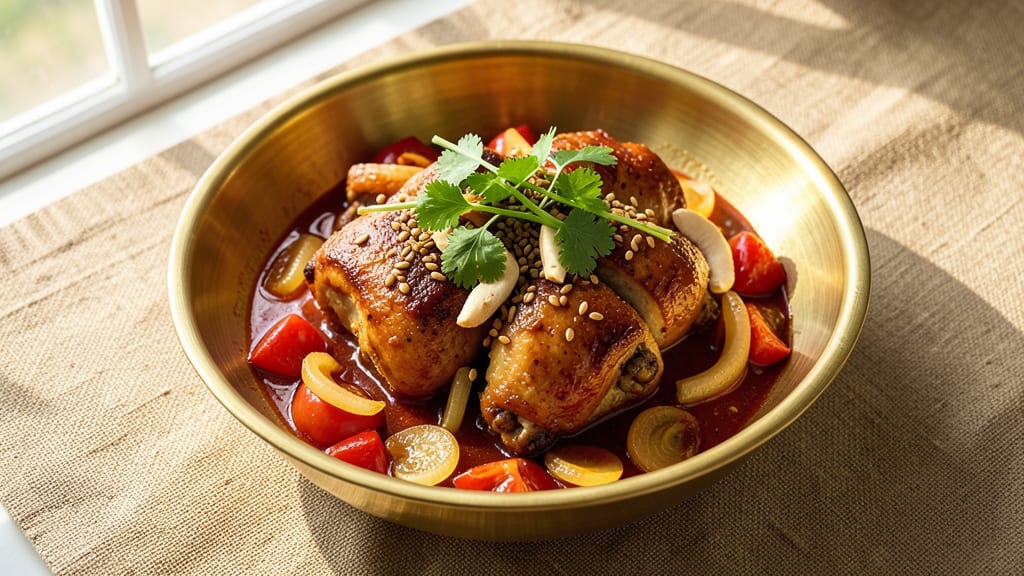
Ankapur chicken curry transforms humble ingredients into a restaurant-quality dish with just one pot and 45 minutes of hands-on time. The secret lies in slow-cooked spices—smoky cumin, tangy tamarind, and toasted coriander—that develop deep, complex flavors while keeping the chicken tender and juicy.
I first discovered this technique during a research trip to Karnataka, where home cooks perfect the balance between heat and sweetness in every bite.
What sets this curry apart is the method: chicken simmers in its own juices with whole spices that infuse the oil, creating layers of aroma that build as it cooks. The tamarind paste adds a signature tang that cuts through the richness, while a touch of jaggery balances the acidity.
Unlike many curries that rely on heavy cream, this version gets its velvety texture from the natural breakdown of the chicken and onions during slow cooking.
By the time you serve it, you'll have a dish that's rich with smoky depth and balanced flavors—perfectly tender chicken swimming in a sauce that's neither too sweet nor too spicy.
The aroma alone will have everyone gathering at the table, and each bite delivers that perfect harmony of cumin warmth, tamarind brightness, and caramelized onion sweetness. This is the kind of curry that tastes like it's been simmering all day, even when you're ready in under an hour.
Serve it with steamed basmati rice or warm roti to soak up every last drop of that flavorful sauce. The leftovers actually improve the next day as the flavors meld further, making this a meal worth doubling. Let's get cooking—your taste buds will thank you.
Ingredients for ankapur chicken curry
Humble ingredients transform into restaurant-quality curry with just one pot and 45 minutes.
| Ingredient | Amount | Notes |
|---|---|---|
| Boneless Chicken Thighs 🍗 | 1 ½ lb | Cut into 2-inch pieces |
| Yellow Onions 🧅 | 2 whole | Thinly sliced, about 2 cups |
| Garlic Cloves 🧄 | 6 cloves | Peeled and lightly crushed |
| Fresh Ginger 🌿 | 2 tbsp | Finely grated, about 1-inch piece |
| Tamarind Paste 🍯 | 2 tbsp | Adjust for tanginess |
| Jaggery 🍯 | 1 tbsp | Grated or finely chopped |
| Whole Cumin Seeds 🌶️ | 1 tbsp | Toasted until fragrant |
| Ground Coriander 🌿 | 1 tbsp | Freshly toasted preferred |
| Turmeric Powder 🧂 | ½ tsp | Freshly ground preferred |
| Red Chili Powder 🌶️ | 1 tsp | Adjust for heat preference |
| Ghee or Coconut Oil 🫒 | ½ cup | For deep flavor infusion |
| Fresh Cilantro 🌿 | ¼ cup | Chopped, for garnish |
| Water 💧 | 1 cup | Adjust for desired consistency |
| Salt 🧂 | 1 tsp | Kosher or sea salt |
The spices are where the magic happens. Whole cumin seeds and toasted coriander create that signature smoky depth—don't skip toasting them in the ghee first. Penzeys Spices or the bulk bins at Whole Foods have the best quality, but the regular grocery store stuff works if it's fresh. Tamarind paste can be tricky to find, but Trader Joe's or Indian markets usually carry it. If you can't find tamarind, lemon juice plus a pinch of sugar gets you close. The jaggery adds that caramelized sweetness—it's like brown sugar but with a deeper, earthier flavor. Look for it in the international aisle or order online.
No fresh ginger? Ginger paste works in a pinch, but fresh is always better. Running low on ghee? Coconut oil is a perfect substitute—it adds a subtle coconut note that pairs beautifully. The chicken thighs are key here—bone-in, skin-on stays juiciest, but boneless works too. If you're using chicken breast, pound it to even thickness so it cooks evenly. For the heat, I usually go with red chili powder, but if you want a smokier kick, swap in Kashmiri chili powder. The cilantro is optional but adds that fresh finish—skip it if you're sensitive to the flavor.
This curry tastes even better the next day as the flavors meld. Store leftovers in an airtight container in the fridge for up to 4 days, or freeze for 3 months. I always make a double batch because the leftovers reheat beautifully—just add a splash of water and simmer until warm. The sauce thickens as it cools, so you can thin it with a little water if needed. Serve with steamed basmati rice or warm roti to soak up every last drop of that smoky, tangy goodness.
Why You'll Love This Recipe
- Tamarind Magic: I’ll be real—adding that tangy tamarind paste transforms everything. The moment it hits the pan, the onions caramelize into something sweet and sticky, while the ginger and garlic build layers of warmth. It’s the kind of balance that makes you pause mid-bite.
- One-Pot Wonder: Between us, this curry is so unfussy. You brown the chicken, toss in the onions and spices, then let it simmer—no flipping, no fussing. The thighs stay juicy (no dry chicken here), and the sauce thickens just enough to coat everything. Twenty minutes, tops.
- Leftover Goldmine: This curry tastes better the next day, honestly. The flavors meld overnight, and reheating it? A simple splash of water, a quick stir. I’ve turned it into sandwiches, wraps, or just reheated it with rice—always a hit. No sad, dry leftovers here.
- Budget-Friendly Feast: Chicken thighs are forgiving and cheap, and the spices stretch far. A single onion and a few cloves of garlic make this dish sing without breaking the bank. Plus, it feeds four easily—great for when you’re cooking for friends or just tired of takeout.
Step-by-step instructions for Ankapur chicken curry
Here's how to build this smoky, tangy curry with layers of flavor in one pot.
Prepare the Chicken and Aromatics
Cut the 1.5 lb boneless chicken thighs into 2-inch pieces and set aside. In a heavy-bottomed pot, heat the 0.5 cup ghee or coconut oil over medium heat. Add the 1 tbsp whole cumin seeds and let them sizzle for about 30 seconds until they turn golden and fragrant—this releases their deep, earthy aroma that forms the curry's foundation.
Add the 2 whole yellow onions that have been thinly sliced. Cook them for 5-6 minutes, stirring occasionally, until they soften and turn translucent. This step develops their natural sweetness and removes any bitterness. Next, add the 6 peeled and lightly crushed garlic cloves and the 2 tbsp finely grated fresh ginger. Stir for 1 minute until the raw garlic smell disappears and they become lightly golden—this ensures their flavors meld perfectly with the onions.
Build the Spice Base
Reduce the heat to medium-low and add the 2 tbsp tamarind paste and 1 tbsp jaggery. Stir for 2 minutes until the jaggery dissolves completely and the mixture becomes slightly sticky. This combination creates the signature tangy-sweet balance that defines Ankapur curry. Add the 1 tbsp ground coriander, 0.5 tsp turmeric powder, and 1 tsp red chili powder, stirring continuously for 1 minute to toast the spices gently.
This is where the magic happens—the spices should smell warm and aromatic, not burnt. If you notice the spices darkening too quickly, immediately reduce the heat to low. Add the chicken pieces and toss to coat them evenly in the spice mixture. Let the chicken sit undisturbed for 2 minutes to develop a light crust on the edges.
Simmer with Water and Season
Pour in the 1 cup water and add the 1 tsp salt. Increase the heat to medium-high and bring the mixture to a gentle boil. Once boiling, reduce the heat to low and let it simmer uncovered for 25-30 minutes. You'll know it's ready when the chicken is tender and the sauce has thickened to a rich, gravy-like consistency.
Here's the thing—don't lift the lid during cooking. Every time you peek, you lose heat and moisture, which can make the sauce too thin. Instead, check the doneness by piercing a chicken piece with a fork—it should slide in easily with no resistance. If the sauce reduces too quickly, add 2-3 tablespoons of water to maintain the right consistency.
Finish and Garnish
Once the chicken is fully cooked, stir in the 0.25 cup chopped fresh cilantro. This adds a bright, herbal finish that cuts through the richness of the ghee and balances the tangy-sweet flavors. Taste and adjust the seasoning if needed—you might need a pinch more salt or chili powder depending on your preference.
Let the curry sit off the heat for 5 minutes before serving. This resting period allows all the flavors to meld together perfectly. Serve hot with steamed rice or crusty bread to soak up every last drop of that smoky, aromatic sauce.
Pro Tips For Making Ankapur Chicken Curry
- Blister Onions First: Ankapur curry needs deep caramelization—don’t just chop and sauté. Cook onions on medium-high until they’re dark golden, almost black at edges (about 10-12 minutes). I used to rush this, and the dish lost that rich, smoky backbone. Patience here makes the whole curry sing.
- Pound Ginger, Don’t Slice: Fresh ginger needs surface area to release its heat. Use the flat side of your knife to smash 2-3 inches of ginger into a paste before grating—no food processor required. I learned this the hard way when my curry tasted bland because the ginger was just floating in the oil.
- Tamarind Paste, Not Juice: Tamarind paste (not powder or juice) gives that signature tang. Soak 1 tablespoon in ½ cup warm water for 5 minutes, then strain—this avoids grainy texture. I once used powder and spent 10 minutes fishing out lumps. Trust me, the paste is worth the extra step.
- Low and Slow After Browning: Once the chicken turns golden and the masala sticks, drop heat to low and let it simmer uncovered for 20 minutes. This lets the sauce reduce properly without burning. I used to walk away too soon, ending up with a thin, oily curry instead of a rich, velvety one.
Common mistakes when making perfect results
Overcooking the Chicken
Ankapur curry relies on tender, juicy chicken—not dry, rubbery pieces. I've seen beginners walk away from the stove too early, thinking "more time = more flavor," but that's not true here. The chicken should reach 165°F internal temperature in 25-30 minutes of simmering.
Use a meat thermometer to check—probe the thickest piece. If it's overcooked, the sauce will turn grainy and the chicken will pull away from the bones. 🌡️
Skipping Spice Toasting
That golden aroma from toasted cumin and coriander isn't optional—it's the soul of this curry. I once rushed through this step and ended up with a bland, one-dimensional dish. Always toast your whole cumin seeds for 30 seconds until they sizzle and release their oils.
The same goes for the ground coriander—lightly toast it for 30 seconds before adding other spices. This simple step unlocks the smoky depth that makes Ankapur special.
Using Pre-Ground Spices
Freshly ground spices make all the difference in this curry. Pre-ground spices lose their potency quickly, especially coriander and cumin. I keep a small mortar and pestle on my counter just for this purpose—grinding whole spices right before cooking preserves their flavor.
If you must use pre-ground, look for Penzeys Spices or Burlap & Barrel brands, which stay fresher longer. The difference is noticeable in the first bite.
Adding Too Much Water
The sauce should be rich and gravy-like, not watery. I've seen people add 2 cups of water thinking it will make the curry more "saucy," but this dilutes the flavors completely. Start with 1 cup and only add 2-3 tablespoons if needed during simmering.
The natural breakdown of onions and chicken creates enough moisture. If your sauce is too thin, let it reduce uncovered over medium heat—just don't walk away from the stove!
Ignoring Tamarind Balance
Tamarind gives this curry its signature tang, but it's easy to overdo it. I've tasted versions where the tamarind was so dominant it overpowered everything else. Start with 2 tbsp and taste as you go—you can always add more, but you can't take it out.
If you can't find tamarind paste, mix 1 tbsp lemon juice with ½ tsp sugar as a substitute. The jaggery helps balance the acidity, so don't skip it either—they work together to create that perfect sweet-tart harmony.
Peeking Too Often
Every time you lift the lid during simmering, you lose heat and moisture, which can turn your rich sauce into a thin, watery mess. I know it's tempting to check on your curry, but resist! The chicken will cook through evenly without your interference.
If you're worried about doneness, use the fork test—pierce a piece of chicken and check for tenderness. The sauce will thicken beautifully on its own if left undisturbed. Trust the process! ✨
Nutrition facts
Frequently asked questions
What makes Ankapur chicken curry different from other South Indian curries?
This curry stands out with its signature tamarind-jaggery balance that creates a unique tangy-sweet profile, plus the deep smoky aroma from toasted whole cumin seeds. Unlike many curries that use yogurt or coconut milk, Ankapur relies on slow-cooked onions and natural chicken breakdown for its rich texture. The spices are toasted separately for maximum flavor impact.
Can I substitute jaggery with something else?
Yes! Use brown sugar or muscovado sugar in a 1:1 ratio, but jaggery gives that authentic caramelized depth. For a healthier option, try date syrup (2 tbsp) mixed with ½ tsp lemon juice. The key is balancing the tamarind's acidity—skip the jaggery substitute if you're also reducing the tamarind amount.
How do I adjust the heat level?
Start with 1 tsp red chili powder for mild heat. For medium spice, add 1½ tsp. For extra heat, increase to 2 tsp or swap in ½ tsp Kashmiri chili powder (which adds color too). Always toast the chili powder briefly with other spices to mellow its raw bite. Taste as you go—you can't remove excess heat once added!
Why does my sauce turn out too thin?
This usually happens from adding too much water or peeking too often during simmering. Start with just 1 cup of water and only add 2 tbsp increments if needed. Let the sauce reduce naturally—don't walk away! For a quick fix, simmer uncovered for 5-10 extra minutes to evaporate excess moisture. The natural breakdown of onions and chicken creates enough body.
Can I make this curry in an Instant Pot?
Sauté the onions, garlic, ginger, and spices as directed, then add chicken, water, and salt. Cook on high pressure for 8 minutes, then quick-release. The sauce will be thinner than stovetop, so reduce it uncovered for 5 minutes after. For extra richness, finish with 1 tbsp ghee or coconut milk.