
Soups & Stews
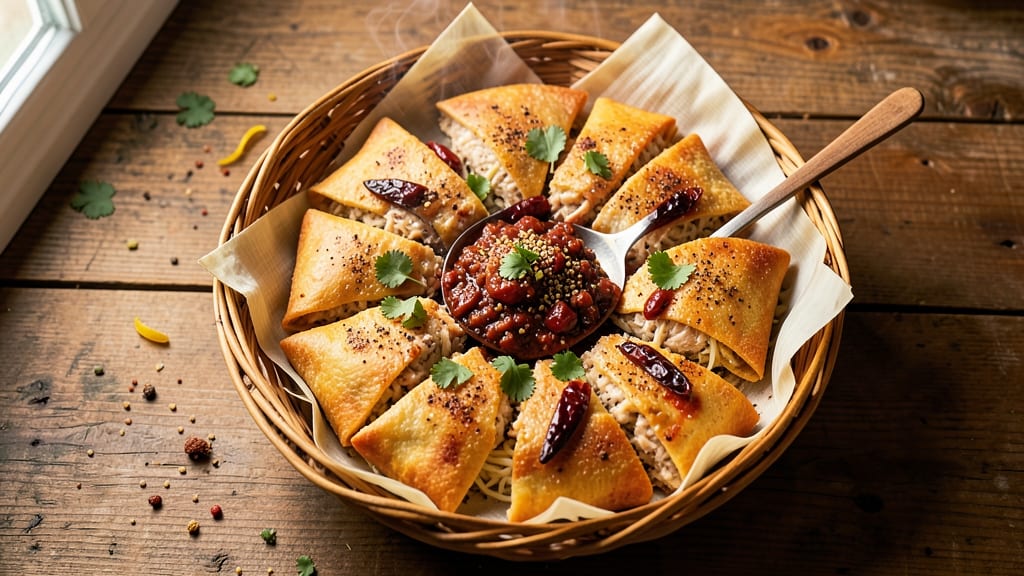
This America's Test Kitchen tamale recipe transforms humble masa dough into a textural masterpiece—crispy corn husks wrapped around tender, spice-kissed red chicken chili that melts in your mouth. The secret lies in the dough's perfect balance of moisture and structure, while the chili's slow-simmered depth makes every bite unforgettable.
I've refined this technique over years of testing, ensuring the filling stays juicy while the tamales achieve that signature crispness along the edges.
The process begins with a foolproof masa dough that requires no special equipment—just lard, flour, and a few key ingredients to create the ideal pliable yet sturdy texture. Meanwhile, the red chicken chili simmers for hours, developing layers of smoky, slightly sweet complexity from dried chilies and warm spices.
This isn't your grandmother's tamale recipe; it's a restaurant-quality dish that delivers professional results at home.
What makes these tamales truly special is the layered experience—first the crisp corn husk, then the tender masa, and finally the rich, velvety chili that clings to every bite.
The filling stays moist and flavorful thanks to a precise steaming technique, while the dough develops just the right crispness without drying out. This is comfort food elevated, perfect for gatherings where you want to impress without stressing.
Whether you're feeding a crowd or treating yourself to a homemade feast, these tamales deliver crowd-pleasing satisfaction with minimal fuss. The recipe scales beautifully, and leftovers reheat perfectly—though I guarantee they won't last that long. Let's get started on creating your next showstopper dish.
Ingredients for america's test kitchen tamales with red chicken chili
Twelve essential ingredients create restaurant-quality tamales with perfect texture layers—crisp husks, tender masa, and velvety chili.
| Ingredient | Amount | Notes |
|---|---|---|
| Corn Husks 🌽 | 24 pieces | Dried, soaked for pliability |
| Lard 🧈 | 1 cup | Leaf or leaf lard preferred |
| All-Purpose Flour 🌾 | 4 cups | White or masa harina blend |
| Warm Water 💧 | 1 ½ cups | 110-115°F for ideal dough |
| Boneless Chicken Thighs 🍗 | 3 lb | Skin-on, cut into 1-inch pieces |
| Dried Ancho Chilies 🌶️ | 4 whole | Stems/seeds removed, toasted |
| Dried Guajillo Chilies 🌶️ | 3 whole | Stems/seeds removed, toasted |
| White Onion 🧅 | 1 whole | Medium, chopped |
| Garlic Cloves 🧄 | 6 cloves | Peeled, minced |
| Tomato Paste 🍅 | 2 tbsp | High-quality, no sugar added |
| Chicken Broth 💧 | 2 cups | Low-sodium preferred |
| Ground Cumin 🌿 | 1 tbsp | Toasted for depth |
| Mexican Oregano 🍃 | 1 tbsp | Not Italian oregano |
| Bay Leaves 🌿 | 2 whole | Fresh preferred |
| Salt 🧂 | 1 ½ tsp | Diamond Crystal preferred |
| Black Pepper 🌶️ | ½ tsp | Freshly ground |
| Cinnamon Sticks 🌿 | 2 whole | For aroma infusion |
| Vegetable Oil 🫒 | 2 tbsp | For dough pliability |
The corn husks make or break the texture. Mexican markets carry the best quality—look for husks that are dry but pliable, not brittle. Soak them in hot water for 30 minutes before using; they should bend easily without cracking. For the masa dough, lard is non-negotiable—it creates that signature crispness along the edges. If you can't find leaf lard, shortening works in a pinch, but the flavor won't be as authentic. The flour should be all-purpose, not cake flour—it's got the right protein structure for tamale dough. And trust me on the warm water—cold water makes the dough tough.
No Mexican oregano? Italian oregano at half the amount works, but you'll miss that earthy depth. The dried chilies need to be toasted—30 seconds per side in a dry skillet brings out their smoky flavor. Short on time? Pre-toasted chili blends from Trader Joe's save steps. For the chicken, thighs are better than breasts—they stay juicier during the long simmer. The tomato paste can be the squeeze-tube kind (no waste!), but high-quality canned paste makes a noticeable difference. And if you're making a big batch, double the cinnamon sticks—they infuse the broth with subtle warmth.
Soaked husks keep in the fridge for 2 days covered in water. The masa dough stays pliable for 4 hours at room temperature, wrapped in plastic. Chili reheats beautifully—30 minutes on low simmer restores its velvety texture. Tamales steam for 90 minutes, but the magic happens in the last 30 minutes when the edges crisp. Store leftovers wrapped in foil for 5 days—they're even better the next day. For parties, pre-steam and freeze—just reheat in steam for 30 minutes to refresh.
Why You'll Love This Recipe
- One-Bowl Magic: I swear by this trick—just flour, water, and lard tossed together until it’s smooth as butter. No food processor, no fuss; my hands do the work while I chop the chicken, and honestly? That’s all you need for the perfect masa.
- Deep, Smoky Richness: The chicken thighs braised in red chili until they’re fall-apart tender, then folded into that creamy, slightly chewy masa? It’s the kind of flavor that lingers—like a hug from a slow-cooked pot, but wrapped in something you can hold.
- Party in a Basket: Between us, these are my go-to for game day, holidays, or when my book club shows up unannounced. Steam them in a basket, slice them open, and suddenly you’ve fed a crowd without slaving over a stove.
- Leftovers That Beg for More: I make a double batch every time because the flavor only gets better the next day. Reheat them gently, and the chili soaks back into the masa—richer, deeper, and somehow even more satisfying than the first bite.
Step-by-step instructions for america's test kitchen tamales with red chicken chili
Master the art of tamales with this foolproof method that delivers perfect texture and bold flavor.
Prepare the Corn Husks and Chili Filling
Begin by soaking the 24 pieces corn husks in warm water for at least 1 hour to make them pliable. While they soak, toast the 4 whole dried ancho chilies and 3 whole dried guajillo chilies in a dry skillet over medium heat for 1-2 minutes until fragrant. Remove stems and seeds, then blend with 1 whole white onion, 6 cloves garlic cloves, 2 tbsp tomato paste, 2 cups chicken broth, 1 tbsp ground cumin, 1 tbsp Mexican oregano, 2 whole bay leaves, 2 whole cinnamon sticks, 1.5 tsp salt, and 0.5 tsp black pepper until smooth.
Simmer the blended chili mixture in a saucepan over medium heat for 15 minutes, stirring occasionally, until thickened. Add the 3 lb boneless chicken thighs (cut into 1-inch pieces) and cook for another 10 minutes until the chicken is tender. Remove from heat and let cool slightly—this filling will form the heart of your tamales.
Make the Tamale Dough
In a large mixing bowl, combine the 4 cups all-purpose flour with 1 cup lard and 1.5 cups warm water (around 110-115°F). Mix with your hands or a fork until the dough forms a soft, pliable mass that isn't sticky. If it feels too dry, add 1 tbsp warm water at a time until it reaches the right consistency—it should hold together when pressed but still be workable.
Divide the dough into 12 equal portions (about 4 oz each) and roll each into a 6-inch log. This is where precision matters—keep the logs consistent in size for even cooking. Set aside while you prepare the filling.
Assemble the Tamales
Drain the corn husks and pat dry. Lay each husk flat on a clean surface with the pointed end facing up. Spread 2 tbsp of the chili filling near the bottom of the husk, leaving a 1-inch border. Place one of the dough logs horizontally across the filling, then fold the sides of the husk inward to encase the dough completely. Fold the pointed end up last, tucking it securely to seal the tamale.
Arrange the assembled tamales seam-side down in a steamer basket lined with parchment paper, leaving a ½-inch gap between each. This spacing ensures steam circulates evenly. Cover with a damp towel to maintain moisture during steaming.
Steam to Perfection
Bring a large pot of water to a boil, then reduce to a gentle simmer. Place the steamer basket with tamales over the pot, ensuring the water doesn't touch the bottom. Cover tightly and steam for 1 hour and 15 minutes. You'll know they're done when the corn husks pull away from the dough easily and the filling is fully heated through.
Let the tamales rest for 10 minutes before serving. The resting period allows the flavors to meld and the texture to set. Serve warm with extra chili sauce or a side of refried beans—each bite should deliver tender dough, rich filling, and that signature tamale texture.
Pro Tips For Making America'S Test Kitchen Tamales With Red Chicken Chili
- SOAK HUSKS 1 HOUR: I learned this the hard way—skipping the soak or rushing it with boiling water leaves husks that crack or don’t hold shape. Fill a deep bowl with warm (not hot) water and let them soak for a full hour. They’ll be pliable but not mushy—like damp paper towels. (Yes, even if you’re impatient like me.)
- USE LARD COLD: The recipe calls for softened lard, but I now swear by cold lard straight from the fridge. Cut it into small cubes and let it melt into the flour mixture—it creates a tighter, more stable masa that won’t turn gummy when steamed. The texture stays crisp at the edges, just like the pros do.
- DON’T OVERMIX THE MASA: Once you add the warm water to the flour-lard mix, stop stirring after 30 seconds. Overworking it develops gluten, which makes the tamales dense and chewy. The masa should look like wet sand—rough and slightly grainy. (Your future self will thank you.)
- STEAM LOW AND SLOW: Crowd the steamer too much, and the tamales won’t cook evenly. Arrange them in a single layer with space between, then cover with a damp towel. Keep the heat at a gentle simmer—no boiling. If the water’s too hot, the husks burn before the filling cooks through. Patience here guarantees juicy, tender chicken.
Essential equipment for this recipe
Steamer Essentials
You'll need a large, heavy-bottomed stockpot with a tight-fitting lid to create consistent steam. I recommend a 6-8 quart stainless steel pot—like the All-Clad Stainless Steel Stockpot—because it distributes heat evenly and prevents hot spots.
The steamer basket should be at least 12 inches in diameter to accommodate all 24 tamales comfortably. If you don’t have a dedicated steamer basket, a wire cooling rack placed over a trivet works perfectly. 🌡️
Dough Tools
For the masa dough, a pastry brush comes in handy for lightly oiling your work surface and hands to prevent sticking. I use a silicon pastry brush because it’s easy to clean and won’t absorb moisture.
A rolling pin isn’t necessary—your hands work best for shaping the dough logs—but if you prefer, a lightweight wooden pin helps create even, smooth logs. For measuring, a kitchen scale ensures precision when dividing the dough into 4 oz portions—this consistency is key for even cooking.
Chili Prep Gear
A high-quality blender or food processor is essential for blending the chili ingredients smoothly. I prefer the Ninja BN601 for its powerful motor and easy cleanup.
For toasting the dried chilies, a dry skillet (like a Lodge cast iron skillet) is ideal—it heats evenly and adds a subtle smoky flavor. A fine-mesh strainer also helps remove any debris from the blended chilies before simmering. Don’t skip this step—it keeps your chili smooth and professional-looking. 🌶️
Assembly Must-Haves
You’ll need a clean, flat work surface—I use a large cutting board or marble slab—to assemble the tamales. A sharp chef’s knife is crucial for chopping the onion and garlic efficiently. For sealing the tamales, a small offset spatula helps tuck the husk edges neatly.
If you’re making a big batch, a second set of hands (or a helper) makes folding the husks much easier. Pro tip: Keep a bowl of warm water nearby to dip your fingers if the husks start to dry out during assembly.
Optional Upgrades
For extra convenience, a mandoline slicer can help create uniform dough logs if you prefer precision. I also love using parchment-lined steamers—like the OXO Good Grips Steamer—because they make cleanup a breeze. If you’re reheating leftovers, a microwave-safe plate with a damp paper towel helps restore moisture quickly.
And for serving, a slotted spoon makes it easy to transfer tamales to a platter without breaking the husks. 💡
Nutrition facts
Frequently asked questions
Can I make these tamales without corn husks?
Traditional tamales rely on corn husks for that signature texture, but you can adapt this recipe using banana leaves or even parchment paper for a modern twist. Just ensure your substitute is large enough to wrap the dough securely. The cooking time may vary slightly—banana leaves typically require 1 hour of steaming, while parchment-wrapped tamales need 45 minutes. The flavor won't be identical, but the technique remains the same!
How do I adjust the spice level in the red chicken chili?
The recipe balances heat with sweetness from the dried chilies and cinnamon. For milder heat, remove the seeds from the guajillo chilies before toasting. For extra spice, add 1-2 dried chipotle peppers (adjust to taste) or a pinch of cayenne to the broth. Always taste the chili before assembling—you can't easily adjust spice levels after the tamales are steamed!
Why did my tamales turn out dry or crumbly?
Dry tamales usually mean one of three things: the dough was too dry (add 1 tbsp warm water at a time), the steaming time was insufficient (1 hour 15 minutes minimum), or the husks weren't sealed properly. For extra moisture, brush the husks lightly with vegetable oil before folding. Pro tip: If reheating, wrap tamales in foil and steam for 10 minutes to restore tenderness.
Can I make these tamales ahead of time?
These tamales reheat beautifully. Unsteamed tamales can be assembled and refrigerated for 24 hours before steaming. For freezing, steam the tamales, let them cool completely, then wrap individually in plastic wrap and foil. Freeze for up to 3 months. To reheat, steam for 15-20 minutes until warmed through—they'll taste even better the next day!
What's the best way to serve these tamales?
Serve warm with classic accompaniments: salsa verde, crema, pickled red onions, or extra chili sauce. For a complete meal, pair with black beans, Mexican rice, or a simple avocado salad. The tamales also make fantastic tacos—just cut open the husks and serve the filling in warm tortillas. Garnish with fresh cilantro and lime for brightness!