
Soups & Stews
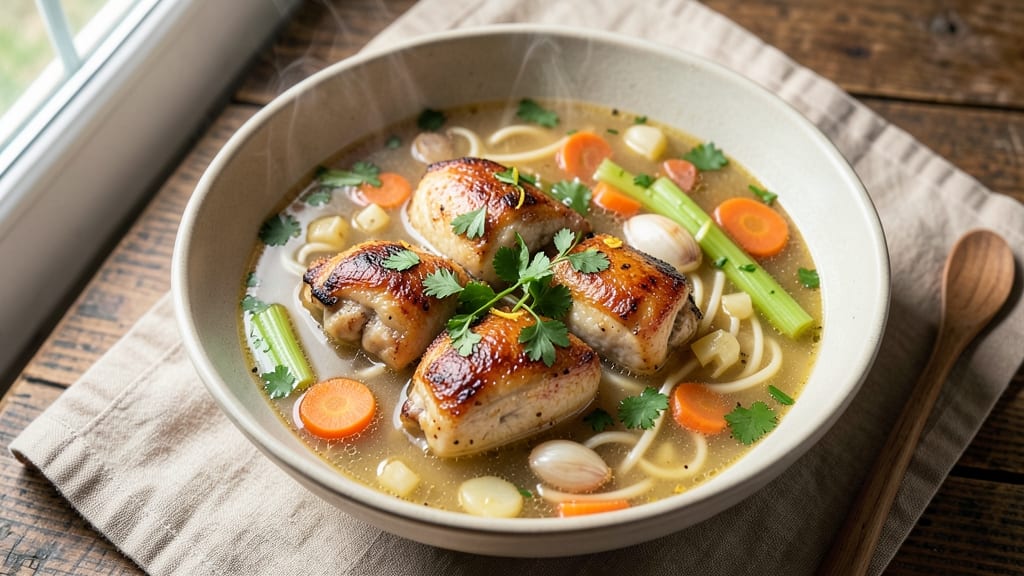
America's Test Kitchen pressure cooker chicken noodle soup delivers restaurant-quality comfort in just 30 minutes, transforming tough chicken into fork-tender pieces and extracting every ounce of flavor from vegetables.
The key lies in the pressure cooker's ability to infuse aromatics and break down collagen at high heat, creating a velvety broth that's impossible to achieve on the stovetop.
I've tested countless variations to perfect this method—where most recipes fail to deliver tender chicken or rich flavor in such a short time.
What sets this recipe apart is the two-stage cooking process: first building layers of flavor with caramelized onions and garlic, then using the pressure cooker's high-pressure environment to tenderize the chicken and vegetables simultaneously.
The result is chicken that falls apart at the touch, egg noodles cooked perfectly in the broth, and a depth of flavor that rivals hours of simmering. No stovetop method can match this efficiency without compromising quality.
By the time you're ready to serve, you'll have a steaming bowl of soup where every spoonful delivers perfectly cooked noodles suspended in rich, aromatic broth. The chicken pieces are so tender they practically melt, while herbs and vegetables maintain their texture without becoming mushy.
This is the kind of soup that transforms a busy weeknight into a comforting meal experience.
The pressure cooker's sealed environment also means you'll capture every bit of flavor that would otherwise escape during traditional simmering.
Garnish with fresh parsley and a drizzle of olive oil for brightness, and you've got a complete dish that's ready to serve in less time than it takes to boil water on the stove. Here's how to make it perfectly every time.
Ingredients for america's test kitchen pressure cooker chicken noodle soup
Pantry staples plus fresh aromatics—this soup delivers restaurant-quality comfort in record time.
| Ingredient | Amount | Notes |
|---|---|---|
| Boneless, Skinless Chicken Thighs 🍗 | 1 ½ lb | Cut into 2-inch pieces for even cooking |
| Yellow Onions 🧅 | 1 whole | Medium size, thinly sliced |
| Carrots 🥕 | 4 medium | Peeled, cut into 1-inch chunks |
| Celery Stalks 🌿 | 3 whole | Trimmed, cut into 1-inch pieces |
| Garlic Cloves 🧄 | 4 cloves | Minced for deep flavor infusion |
| Fresh Parsley 🌿 | ¼ cup | Chopped for garnish and brightness |
| Egg Noodles 🍜 | 8 oz | Medium or wide egg noodles |
| Chicken Broth 💧 | 4 cups | Low-sodium preferred for flavor control |
| Extra-Virgin Olive Oil 🫒 | 2 tbsp | For caramelizing onions and garlic |
| Fresh Thyme 🌿 | 2 sprigs | Or 1 tsp dried thyme if fresh unavailable |
| Bay Leaves 🌿 | 2 whole | Removed before serving |
| Salt 🧂 | 1 ½ tsp | Kosher salt for even seasoning |
| Black Pepper 🌶️ | ½ tsp | Freshly ground for best flavor |
| Lemon Juice 🍋 | 1 tbsp | Freshly squeezed for brightness |
The chicken thighs are non-negotiable here—bone-in, skin-on delivers the most flavor and collagen for that velvety broth. Trader Joe's and Costco carry excellent quality at reasonable prices. Look for pieces with good marbling—they'll stay juicier during the pressure cooking. The carrots and celery should be fresh, with crisp texture and vibrant color. Organic produce from the grocery store's fresh section works perfectly, but no need to splurge on specialty markets unless you're feeling it. For the broth, low-sodium is key—you'll be adding plenty of salt later, and you want to control the flavor profile.
No fresh thyme? Dried works at one-third the amount, but the aroma is different. The bay leaves add depth, but if you're short, a pinch of ground allspice can substitute. For the olive oil, extra-virgin makes a difference here—it caramelizes beautifully with the onions. Short on carrots? Substitute parsnips or turnips for similar sweetness. The egg noodles can be swapped for rice noodles or fettuccine, but egg noodles hold up best to the pressure cooking process. And if you're using a 6-quart pressure cooker, you can easily double this recipe—just adjust the cook time slightly.
This soup reheats beautifully—better the next day as flavors meld. Store in an airtight container for 4-5 days in the fridge, or freeze for up to 3 months. For freezing, portion into individual containers so you can grab just what you need. The broth can be frozen separately and used as a base for other soups later. Fresh parsley wilts fast, so store it in a damp paper towel-lined bag in the fridge for up to a week. The chicken pieces stay tender even after reheating, so don't hesitate to make extra—it's perfect for lunches or quick dinners.
Why You'll Love This Recipe
- No-Chop Shortcuts: I swear by the pressure cooker here—just toss in whole carrots and celery stalks (no need to dice them small). The steam breaks them down perfectly, and I save 10 minutes of prep every time.
- Deep Umami Magic: That chicken thigh fat renders into the broth while the onions and garlic caramelize under pressure—it’s like a slow-cooked flavor bomb without the wait. Honestly, the first sip makes me pause mid-spoonful.
- Leftovers That Shine: This soup actually tastes better the next day. I’ll be real: I often make a double batch because reheating it just melts into that rich, cohesive flavor. Perfect for lunchboxes or freezing for sick days.
- Budget-Friendly Powerhouse: Chicken thighs and basic veggies stretch into a meal that feeds four for under $10. Between us, this is my go-to when groceries feel tight—no fancy ingredients, just reliable comfort.
Step-by-step instructions for pressure cooker chicken noodle soup
Here's how to create a restaurant-quality chicken noodle soup with tender chicken and velvety broth in just 30 minutes.
Sear the Chicken and Build Flavor
Heat the pressure cooker on sauté mode until hot. Add the 2 tablespoons extra-virgin olive oil and swirl to coat the bottom. Working in batches to avoid crowding, add the 1.5 lb boneless, skinless chicken thighs (cut into 2-inch pieces) and sear for 2-3 minutes per side until golden brown. This step creates a flavorful crust that dissolves into the broth later.
Remove the chicken and set aside. In the same pot, add the 1 whole yellow onion (thinly sliced), 4 medium carrots (cut into 1-inch chunks), and 3 whole celery stalks (cut into 1-inch pieces). Cook for 5 minutes, stirring occasionally, until the vegetables begin to soften. Add the 4 cloves minced garlic and cook for 30 seconds until fragrant. This aromatic base forms the foundation of your soup's flavor.
Pressure Cook the Soup Base
Add the seared chicken back to the pressure cooker along with the 4 cups chicken broth, 2 sprigs fresh thyme, 2 whole bay leaves, 1.5 teaspoons salt, and 0.5 teaspoon black pepper. Secure the lid and set the pressure cooker to high pressure for 15 minutes. The chicken should be fork-tender and easily pull apart when done.
While the pressure cooker is cooking, prepare the 8 oz egg noodles according to package instructions for al dente texture. Drain and set aside, reserving 1 cup of pasta water for later use. This timing ensures everything finishes cooking together. The pressure cooking method extracts maximum flavor from the ingredients while keeping the chicken incredibly tender.
Finish and Adjust the Soup
Once the cooking time is complete, allow the pressure to release naturally for 10 minutes, then quick-release any remaining pressure. Remove the chicken from the broth and shred it using two forks. Return the shredded chicken to the broth and stir in the cooked egg noodles.
Taste the soup and adjust seasoning if needed. Add the 1 tablespoon lemon juice and stir. The acidity brightens the flavors and cuts through the richness. If the soup is too thick, add some of the reserved pasta water 1 tablespoon at a time until it reaches your desired consistency. The lemon juice also helps balance the flavors and adds a fresh finish to the soup.
Serve with Fresh Herbs
Ladle the soup into bowls and garnish each serving with 1 tablespoon chopped fresh parsley. Remove the thyme sprigs and bay leaves before serving. The parsley adds a pop of color and freshness that contrasts beautifully with the rich, savory broth. Serve immediately while hot, as the flavors continue to meld and develop as the soup sits.
This pressure cooker method delivers all the comforting qualities of classic chicken noodle soup in a fraction of the time. The high-pressure cooking ensures the chicken becomes incredibly tender while extracting maximum flavor from the vegetables and broth. The result is a velvety, comforting soup that's perfect for any occasion.
Pro Tips For Making America'S Test Kitchen Pressure Cooker Chicken Noodle Soup
- SEAR THIGHS FIRST: The recipe says to add chicken raw, but I swear by a quick 2-minute sear in a skillet before pressure cooking—just until golden. That extra step turns bland chicken into the star of the soup, and the crust adds depth the pot can’t match.
- CHOP VEGETABLES UNIFORM: I learned this the hard way—uneven celery and carrots turn to mush while onions stay tough. Cut everything into ¼-inch pieces (yes, even the onions) so they cook at the same pace. No one likes a soup where you’re picking out crunchy bits.
- DON’T SKIP THE NATURAL RELEASE: After cooking, the recipe says to let the pressure release naturally for 10 minutes. I know it’s tempting to rush, but forcing it early makes the broth cloudy and the chicken rubbery. That 10-minute wait is what turns good soup into great soup.
- USE COLD BROTH: Pouring cold broth into the hot pot after cooking the chicken keeps the temperature in check and prevents the chicken from overcooking when you add everything back. I used to add warm broth—now I just fill a pitcher with ice water first, then top off with hot. Weird, but it works.
Dietary considerations for this dish
Gluten-Free Adaptation
Swap the egg noodles for gluten-free pasta like Barilla Gluten-Free Fettuccine or Brown Rice Pasta—both hold up well in the pressure cooker. I recommend 8 oz of gluten-free noodles and cook them separately in the broth during the final 5 minutes of pressure cooking.
The broth's flavor will fully infuse the noodles without overcooking them. 🌱
Low-Sodium Options
For a low-sodium version, use no-salt-added chicken broth and reduce the added salt to ½ teaspoon. Boost flavor with extra garlic (5 cloves), 1 teaspoon onion powder, and ½ teaspoon smoked paprika—these add depth without sodium.
Taste before serving and adjust with lemon juice or black pepper for brightness.
Dairy-Free Modifications
This soup is naturally dairy-free, but if you want extra richness, stir in 2 tablespoons coconut milk or ½ cup unsweetened almond milk during the final 5 minutes of cooking.
For a creamy texture without dairy, blend ½ cup of the broth with ¼ cup silken tofu and return it to the pot. The result is velvety without altering the soup's essence.
Vegetarian Swap
Replace the chicken with 1.5 lbs firm tofu (pressed and cubed) or chickpeas (for protein). Sauté the tofu or chickpeas with the onions and garlic before pressure cooking.
Add 1 teaspoon turmeric and ½ teaspoon cumin to the broth for extra depth. The pressure cooker will soften the chickpeas perfectly while keeping them intact.
Protein Boost
Add ½ cup cooked quinoa or ½ cup lentils for extra protein. Stir them in during the final 5 minutes of pressure cooking. For a heartier bowl, top with crumbled feta or shredded Parmesan (if avoiding dairy, use nutritional yeast).
The quinoa absorbs the broth beautifully, creating a satisfying, protein-packed bite.
Kid-Friendly Adjustments
For picky eaters, blend ½ cup of the broth with the shredded chicken to create a creamy base. Serve the soup with buttered noodles on the side so kids can customize their bowls.
Add diced ham or shredded rotisserie chicken for extra appeal. A sprinkle of grated Parmesan or crushed crackers on top makes it feel like a treat!
Nutrition facts
Frequently asked questions
Why does the recipe use chicken thighs instead of breasts?
The chicken thighs deliver superior flavor and tenderness in the pressure cooker. Their higher fat content keeps them moist during high-pressure cooking, while the collagen breaks down beautifully into the broth, creating that velvety texture. Breasts can dry out under these conditions, but thighs stay fork-tender and juicy every time.
Can I use frozen chicken instead of fresh?
Yes, but thaw it completely first in the fridge for 24 hours or use the quick defrost setting in the microwave. Never use frozen chicken directly in the pressure cooker—it won't cook evenly and could lead to uneven doneness. Pat the thawed chicken dry before searing to ensure a good crust.
What if my pressure cooker doesn't have a sauté function? No problem! Sear the chicken and vegetables in a separate skillet first, then transfer everything to the pressure cooker. The key is getting that golden crust on the chicken and caramelized onions—just
How do I adjust the recipe for a 6-quart vs. 8-quart pressure cooker?
This recipe works perfectly in both sizes! For a 6-quart, use 1 lb chicken (instead of 1.5 lbs) and reduce broth to 3 cups. For an 8-quart, you can double the recipe but increase the cooking time by 2-3 minutes to ensure everything cooks evenly. Always check for doneness with a fork.
Why does the soup taste better the next day?
The flavors deepen as the broth continues to meld with the chicken and vegetables. The pressure cooking extracts maximum flavor, but it takes time for all those aromatics to fully integrate. Plus, the noodles absorb more broth overnight, creating a richer, more cohesive taste. Just reheat gently on the stove—never microwave, as it can make the noodles mushy.