Sauces & Condiments
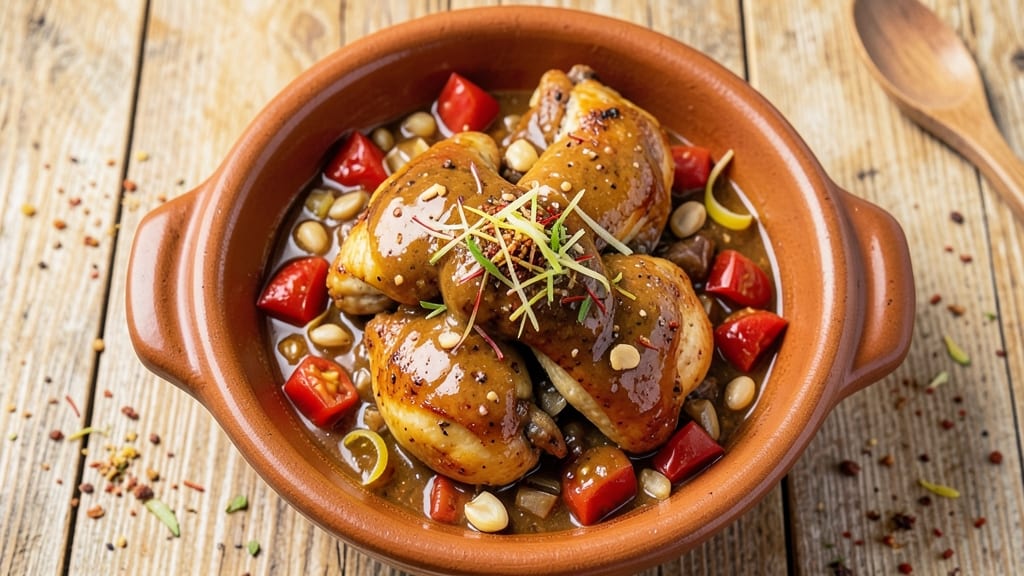
This African chicken in peanut sauce recipe transforms simple ingredients into a dish that carries the bold flavors of West Africa straight to your table.
The secret lies in balancing sweet, spicy, and nutty elements—just like the sauce my mentor taught me in Charleston, where we adapted techniques from our travels.
What makes this recipe special is how the peanut butter develops depth through slow cooking, creating a sauce that clings to tender chicken pieces with every bite.
The process begins with a marinade that tenderizes the chicken while infusing it with ginger, garlic, and chili heat. We then build the sauce layer by layer, starting with a rich peanut base that gets enhanced by tomatoes, onions, and a touch of palm oil for authenticity.
The key is letting it simmer low and slow—this is where the magic happens, as the flavors meld into a harmonious balance that's both complex and comforting.
By the time you serve this dish, you'll have perfectly seasoned chicken swimming in a velvety peanut sauce that's rich yet not overly heavy. The sauce should coat the chicken beautifully, offering a perfect contrast of textures—creamy sauce against tender meat.
This recipe delivers restaurant-quality results without requiring advanced techniques, making it perfect for weeknight dinners or special occasions.
Serve it with steamed jasmine rice to soak up every last bit of sauce, or pair it with fried plantains for a complete West African-inspired meal. The leftovers actually improve the next day as the flavors continue to develop.
Here's how to make this dish that will impress even the most discerning guests—just as it did when I first brought it to my mentor's table in Charleston.
Ingredients for african chicken in peanut sauce
Peanut butter, tomatoes, and ginger—simple ingredients that pack West African flavor.
| Ingredient | Amount | Notes |
|---|---|---|
| Boneless Chicken Thighs 🍗 | 1 ½ lb | Skin-on for best flavor |
| Natural Peanut Butter 🥜 | ½ cup | No added sugar preferred |
| Canned Crushed Tomatoes 🍅 | 1 can | 15 oz size, San Marzano if possible |
| Yellow Onion 🧅 | 1 whole | Medium size, diced |
| Fresh Garlic Cloves 🧄 | 6 cloves | Minced for marinade |
| Fresh Ginger Root 🌿 | 1 tbsp | Finely grated, fresh preferred |
| Red Chili Peppers 🌶️ | 2 whole | Bird's eye or Thai, chopped |
| Palm Oil 🫒 | 1 tbsp | For authentic flavor |
| Vegetable Oil 🫒 | 2 tbsp | For cooking chicken |
| Fish Sauce 🍶 | 1 tbsp | Red Boat brand preferred |
| Brown Sugar 🍚 | 1 tbsp | Light or dark preferred |
| Salt 🧂 | 1 ½ tsp | Kosher or sea salt |
| Ground Black Pepper 🌶️ | ½ tsp | Freshly ground preferred |
| Jasmine Rice 🍚 | 1 ½ cups | Uncooked, for serving |
| Water 💧 | 3 cups | For rice cooking |
The peanut butter is the star, so natural, no-sugar-added makes all the difference. Trader Joe's or Whole Foods carry great options, but any natural brand works. Look for San Marzano crushed tomatoes if you can find them—they're sweeter and less acidic. The ginger and garlic? Fresh is non-negotiable here. I grab mine from the Asian market where they keep it extra fresh. Skip the pre-minced garlic—it goes bad fast. For the chili peppers, Thai bird's eye gives the most heat, but any fresh red chili works. The palm oil might be tricky to find—African or Caribbean markets usually have it, or check the international aisle at Walmart.
No natural peanut butter? Creamy peanut butter at half the amount works in a pinch. Fresh ginger too expensive? Ground ginger at one-third the amount gets you close. Skip the fish sauce? Soy sauce plus a pinch of sugar mimics that umami punch. The palm oil is tricky to replace—vegetable oil plus a pinch of smoked paprika is the best stand-in. For the chicken, thighs stay juicier than breasts. If you only have breasts, pound them thin and don't overcook. The sauce should be thick but spoonable—if it's too thin, simmer uncovered for 5 more minutes. Want it spicier? Add more chili peppers or a dash of cayenne.
This sauce gets better overnight, so make extra if you can. Store leftovers in the fridge for 4-5 days—the flavors deepen like fine wine. For freezing, portion into containers with a little sauce on top to prevent freezing burns. Thaw in the fridge overnight. The rice? Cook it ahead and reheat with a splash of water. If you're serving with plantains, fry them fresh—they lose crispiness when reheated. This dish reheats beautifully, but low and slow is key to keeping the sauce creamy.
Why You'll Love This Recipe
- Pantry Magic: I swear by this recipe when I forget to grocery shop—just chicken, peanut butter, and a can of tomatoes. The sauce comes together faster than I can say "emergency dinner," and honestly? It’s the kind of meal that makes you feel like you planned ahead.
- Creamy Crunch Perfection: That balance of smooth peanut butter and slightly tangy tomatoes? It’s ridiculously good. The garlic and onions caramelize just enough to give it depth, while the peanut butter keeps it rich without being heavy—like a hug in a bowl.
- Weeknight to Potluck: Between us, this is my go-to for both lazy Tuesdays and Sunday gatherings. Double the batch, and it’s still easy to serve—whether you’re feeding your family or bringing it to a friend’s house (they’ll ask for the recipe, I promise).
- Leftovers That Don’t Suck: Most peanut sauces dry out or get weird after reheating, but not this one. The tomatoes keep it moist, and the peanut butter adds richness that just gets better the next day. I’ve eaten this cold from the fridge, and it’s still solid. (Yes, even on a Tuesday night.)
Step-by-step instructions for African chicken in peanut sauce
Let's create this vibrant West African dish with bold flavors and tender chicken.
Marinate the Chicken for Maximum Flavor
In a large bowl, combine the boneless chicken thighs with the minced fresh garlic cloves, finely grated fresh ginger root, chopped red chili peppers, 1 tablespoon fish sauce, 1 tablespoon brown sugar, 1 teaspoon salt, and 0.25 teaspoon ground black pepper. Mix gently but thoroughly to coat each piece evenly. Let the chicken marinate for at least 30 minutes at room temperature - this ensures the flavors penetrate deeply and the chicken stays juicy during cooking.
I like to press the marinade into the chicken pieces, especially the thicker parts, to guarantee every bite gets that rich peanut sauce flavor. If you're short on time, even 15 minutes of marinating will help, but longer is always better for maximum flavor development.
Cook the Jasmine Rice to Perfection
While the chicken marinates, rinse the 1.5 cups jasmine rice under cold water until the water runs clear. This removes excess starch that could make the rice gummy. In a medium saucepan, combine the rinsed rice with the 3 cups water, 0.5 teaspoon salt, and bring to a boil over medium-high heat.
Once boiling, reduce heat to low, cover with a tight-fitting lid, and let simmer for 15 minutes without peeking. After 15 minutes, turn off the heat and let the rice steam undisturbed for another 10 minutes. This resting period allows the rice to absorb all the moisture and develop its signature fragrant texture. Fluff gently with a fork before serving.
Sear the Chicken for Irresistible Texture
Heat 1 tablespoon vegetable oil in a large skillet over medium-high heat until shimmering. Remove the chicken from the marinade (reserve the marinade) and pat dry with paper towels - this helps achieve maximum browning. Working in batches if needed, add the chicken to the skillet and sear for 4-5 minutes per side until golden brown and cooked through to an internal temperature of 165°F.
Don't overcrowd the pan - cook in batches if necessary to maintain even heat. The chicken should release easily from the pan when ready. Transfer the seared chicken to a plate and tent loosely with foil to keep warm. This searing step creates the perfect foundation for the rich peanut sauce to cling to.
Build the Flavor-Packed Peanut Sauce
In the same skillet, reduce heat to medium and add the remaining 1 tablespoon vegetable oil and 1 tablespoon palm oil. Add the diced yellow onion and cook for 5 minutes until softened. Stir in the reserved chicken marinade and cook for 2 minutes to combine flavors. Add the 1 can crushed tomatoes and simmer for 5 minutes until slightly thickened.
Now comes the magic - stir in the 0.5 cup natural peanut butter until completely melted and smooth. Add the remaining 0.5 teaspoon ground black pepper and 0.5 teaspoon salt. The sauce should be thick but still pourable. If it's too thick, add 1-2 tablespoons water to reach your desired consistency. Taste and adjust seasoning if needed.
Finish and Serve with Confidence
Return the seared chicken to the skillet and spoon the peanut sauce over the top, coating each piece thoroughly. Simmer for 2-3 minutes until the chicken is heated through and the sauce has thickened slightly. Remove from heat and let rest for 5 minutes - this allows the sauce to set and the chicken to absorb all those amazing flavors.
Serve the African chicken in peanut sauce immediately over the fluffy jasmine rice. The rich, nutty sauce will cling perfectly to each tender bite of chicken, creating a harmonious balance of heat, sweetness, and umami. Don't forget to garnish with fresh cilantro if you like - it adds a lovely brightness to the dish.
Pro Tips For Making African Chicken In Peanut Sauce
- Brown the Peanut Butter: After simmering onions and garlic, let the peanut butter cook uncovered on medium heat for 3-4 minutes—it’ll darken and develop that deep, nutty aroma before you add the tomatoes. I learned this the hard way: skipping this step leaves the sauce tasting raw and flat, no matter how long you simmer later.
- Sear Chicken Skin-Side Down: Even with boneless thighs, pat them very dry and sear skin-side down first—just 2-3 minutes until golden. The crust locks in moisture and adds texture the sauce can’t match, and it prevents the thighs from turning rubbery when they stew in the peanut-tomato mix.
- Blend Tomato Seeds In: Don’t strain the crushed tomatoes—leave the seeds and pulp in for a richer, slightly thicker sauce. I was skeptical until I tried it: the extra fiber cuts through the peanut butter’s heaviness and gives the dish that authentic, jammy depth.
- Deglaze with Water First: After browning onions and garlic, splash in ¼ cup water and scrape up every last bit of stuck-on goodness before adding peanut butter. This saves you from a gritty sauce later—trust me, your future self will notice the difference when the sauce is silky instead of sandy.
Troubleshooting your african chicken in peanut sauce
Sauce Too Thin?
If your peanut sauce ends up too thin after simmering, don't panic—simmering uncovered for 5-10 extra minutes will help thicken it naturally. For a quicker fix, stir in 1-2 tablespoons of cornstarch mixed with 1 tablespoon water and cook for another 2 minutes until thickened.
I've also used mashed ripe banana (about 2 tablespoons) as a natural thickener that adds subtle sweetness. 🌶️
Peanut Butter Clumps?
Natural peanut butter often separates, but don't throw it out! Warm the sauce over low heat while whisking vigorously to break up any lumps. For stubborn clumps, add 1-2 tablespoons of warm water or chicken broth and stir until smooth.
I keep a small jar of hot water nearby when making this dish to quickly thin stubborn peanut butter if needed.
Chicken Too Dry?
If your chicken ends up dry, you likely overcooked it during searing. For future attempts, use a meat thermometer and remove chicken at 160°F internal temperature—it'll rise to 165°F while resting. To rescue dry chicken, simmer it in the peanut sauce for an extra 5-7 minutes to reabsorb moisture.
I also recommend using bone-in, skin-on thighs for juicier results—they stay moist even with longer cooking times.
Fish Sauce Overpowering?
Fish sauce can be intense, especially if you're sensitive to its flavor. If the sauce tastes too fishy, balance it with ½ teaspoon of sugar or 1 more tablespoon of brown sugar to mellow the umami.
For a stronger fix, add 1 teaspoon of lemon juice or lime zest to brighten the sauce and cut through the funk. I keep a small bowl of lemon wedges on the table for guests to adjust to their taste.
Sauce Too Sweet?
If your peanut sauce tastes overly sweet, reduce the sugar next time or add ½ teaspoon of cayenne pepper or 1 extra chopped chili pepper to balance the flavors. For immediate fixes, stir in 1 teaspoon of fish sauce or 1 tablespoon of vinegar to add acidity and depth.
I've also used a pinch of ground ginger to add warmth and complexity without sweetness. 💡
Leftovers Too Thick?
Peanut sauce often thickens when refrigerated. To fix this, stir in 1-2 tablespoons of warm water, chicken broth, or coconut milk while reheating. For a smoother texture, blend the sauce briefly with an immersion blender before reheating.
I like to reheat leftovers on low heat while stirring constantly to prevent burning. If the sauce separates, whisk vigorously to recombine before serving.
Nutrition facts
Frequently asked questions
Can I use chicken breasts instead of thighs?
Chicken breasts work but require extra care. Pound them to ½-inch thickness and cook at medium-low heat for 3-4 minutes per side to prevent drying. Bone-in, skin-on thighs are ideal—they stay juicy while absorbing the rich peanut sauce. For breasts, baste with sauce during cooking to keep them moist.
How can I make this sauce spicier?
Add 1 extra chopped chili pepper or ½ teaspoon cayenne powder to the sauce. For heat lovers, stir in 1 teaspoon of crushed red pepper flakes after simmering. Always taste first—spice levels vary! Keep fresh chili peppers on hand for adjustments at the table.
What's the best way to store leftovers?
Store in an airtight container for 4-5 days in the fridge. The sauce actually improves overnight! For freezing, portion into containers with sauce on top (to prevent freezing burns). Thaw in the fridge overnight—never microwave directly from frozen. Reheat gently on low heat while stirring constantly.
Can I make this dish in a slow cooker?
Brown the chicken first, then transfer everything to the slow cooker. Cook on low for 3-4 hours or high for 2 hours. The slow cooking enhances the peanut sauce's depth. Add 1-2 tablespoons of water if needed to reach your desired consistency. Perfect for hands-off cooking!
What sides pair best with this dish?
Jasmine rice soaks up the sauce beautifully. For a complete West African meal, add fried plantains or collard greens. In the Southeast, I've served it with cornbread or buttery mashed potatoes. The nutty sauce also complements steamed broccoli or roasted sweet potatoes for a lighter option.